
Clinician: Amy R., LCSW
Date of Intake: 10/02/09
Session Type: Initial Assessment
Presenting Concern:
Tyler was referred to therapy following a physical altercation at school. According to his mother, this was his “first big fight,” though she reports ongoing concerns about behavioral outbursts and increasing frustration at home. The incident occurred after a peer mocked the homemade cape Tyler wore during recess. When the child told him, “Batman can’t be Black,” Tyler reacted aggressively, striking the student and refusing to apologize.
Tyler is not oppositional or malicious; rather, he presents as a child who is emotionally overwhelmed, without the vocabulary or support system to properly express what he feels. He appears confused, quick to anger, and visibly anxious when discussing identity or belonging. Tyler lives with his mother, who is raising him primarily on her own. He has limited exposure to stable male role models and often turns to fictional characters, particularly superheroes, as frameworks for understanding masculinity, strength, and fairness. (Coyne et al., 2014)
Treatment Plan Recommendation:
To better understand Tyler’s internal world, I introduced a structured journaling exercise. This intervention will help him expand emotional vocabulary, identify triggers, and express the media influences shaping his self-concept. Tyler responded positively to the idea of having “his own Bat-book,” so I gave him a small notebook and his first prompt.
(Journal entry 1) 10/5/09
Today I got in a fight. Mom said I can’t go back to school until next week. She said I have to talk to this lady now. Her name is Ms.Amy. She is really nice, but she told me I have to write in this book. She Told me to talk about why I got in the fight and how not to do it again.
I don’t think I did something bad. Mason made fun of my cape. He said Batman can’t be Black. That made me really mad. batman always fights bullies, so why is it bad when I do it? I only wanted him to stop being mean.
I don’t know what to write anymore. I just like my ca

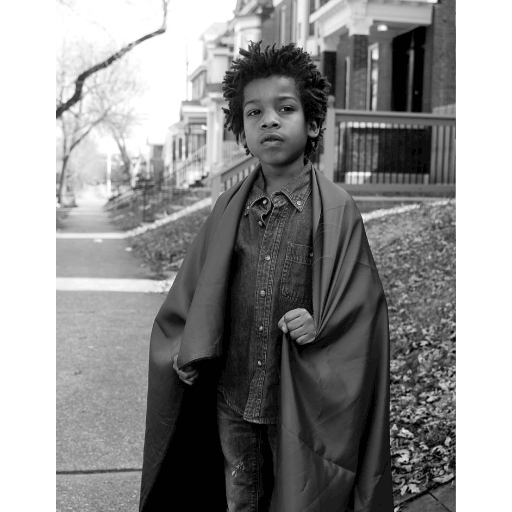
(This is me as a superhero)
This Is Me with my cape! My Mom got it for me for my birthday!
Therapist Clinical Note – Amy.R
Client: Tyler M. (Age 7)
Date of Appointment: 11/4/14
Session Focus: Developing media literacy, reframing hero identity
Over the past several sessions, I’ve observed that Tyler’s sense of self and many of his emotional responses are strongly shaped by the superhero media he consumes. He frequently references characters such as Batman, Spider-Man, and the Flash, often describing their actions as though they provide a moral blueprint for his own choices.
While this imaginative identification is developmentally normal, Tyler appears to interpret these stories literally rather than symbolically. He often uses phrases like “heroes don’t let people disrespect them” or “Batman always fights back,” which may be contributing to his difficulty managing conflict at school. I believe it’s crucial to begin introducing early media-literacy skills. (Gabriel et al., 2019).
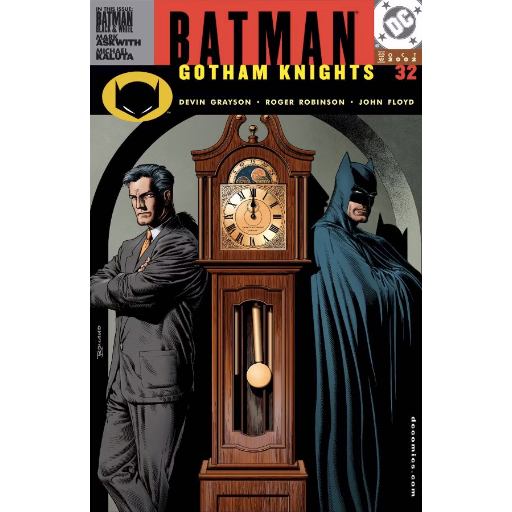
To guide this process, I selected a comic that emphasizes responsibility over violence, Batman: Gotham Knights #32 (“24/7”). This issue portrays Batman not as a constant fighter, but as someone who performs small, often unseen acts of kindness and service. I chose this because it reframes heroism in a way that Tyler may internalize more positively.
In session, I read several pages with him. Tyler was notably engaged; he pointed to scenes where Batman helps strangers or solves problems without using force.
After the session, I gave him a quote to think about and asked him to write about these things: What parts of the comic reminded you of your own life? What did Batman do that showed responsibility or good morals? How can you use those same ideas at school or at home? What kind of hero do you want to be when no one is watching?
Tyler expressed genuine excitement about the assignment and his eagerness suggests the comic may be a productive therapeutic tool moving forward.
(Journal entry 4) 11/5/14
Today Me Ms. Amy and talked all day about superheroes, it seems she likes them too! She said her favorite superhero was batman just like me so she gave me a Batman comic and told me it was her favorite one ever. After we finished reading it she said that this is what it truly means to be batman and wrote something down from the comic book in My Journal and said it was important.
"A hero isn’t someone who fights. A hero is someone who shows up."
I feel like she just wrote that because of the Fight I had
Ms. Amy gave me homework to do over the weekend but I don't really want to.
She asked me what hero I want to be, and I just want to be the one that does the right thing. No matter what.
Therapist Clinical Note – Amy.R
Client: Tyler M. (Age 7)
Date of Appointment: 10/4/21
It has now been seven years since Tyler’s initial appointment. I’ve watched him grow from an imaginative, emotionally reactive child into an adolescent navigating the complexities of identity, gender expectations, and social pressures. While his early progress was great, recent changes in his environment and influences are concerning.
Tyler no longer engages with the journaling practice that once helped him express his emotions. His interest in superheroes has faded, replaced by a preoccupation with image, masculinity, and peer validation. Much of his language reflects themes common in “red pill” content: rigid gender roles, dismissive attitudes toward women, and a belief that emotional vulnerability is a weakness. (Marwick, 2021).
What prompted today’s session is more serious. Tyler was suspended from school for bullying another student and using a homophobic slur. His mother reported that this behavior is becoming increasingly common, including verbal aggression, dismissive comments at home, and escalating conflict with peers. Tyler expressed minimal remorse during the session, was dismissive and framed the incident as “just joking,”.
This is Tyler’s final session, as he has insisted he no longer wants or needs therapy. I made a structured effort to address the harmful ideologies he is adopting, and reminded him of his early growth, of the boy who once tried to understand what it means to be a hero. I encouraged him to revisit those earlier journal entries not as homework, but as a mirror to who he used to be and who he can still become.
Termination of treatment is not ideal, but Tyler’s autonomy at this stage must be respected. I provided his mother with resources on adolescent developmental shifts, online influence, and gender ideology, and recommended re-engagement with therapy if Tyler becomes open to it again.
(Journal entry 54) 10/6/21
It's been years since I've written in this journal, but I figured I'd put it to good use. I have so many people I'm angry at, but I don't even know how to express it. I don't even care about being suspended anymore; everyone took the joke way out of proportion.
It's not like I'm homophobic, it's only a word, but now it's like everyone sees me as some kind of monster. Me my mom and I barely speak anymore and anytime we do speak it's always an argument. Even Amy looks at me in disappointment, and I can read it all over her face. She told me to look back at my first journal entry and when I did I couldn't help but laugh. I can see it as being naieve but it was a simpler way to look at life.
That isn't the real world though I have to live in reality. I want to be an alpha but I don't know what that means for me anymore.
- Full access to our public library
- Save favorite books
- Interact with authors
- < BEGINNING
- END >
-
DOWNLOAD
-
LIKE
-
COMMENT()
-
SHARE
-
SAVE
-
BUY THIS BOOK
(from $3.79+) -
BUY THIS BOOK
(from $3.79+) - DOWNLOAD
- LIKE
- COMMENT ()
- SHARE
- SAVE
- Report
-
BUY
-
LIKE
-
COMMENT()
-
SHARE
- Excessive Violence
- Harassment
- Offensive Pictures
- Spelling & Grammar Errors
- Unfinished
- Other Problem





COMMENTS
Click 'X' to report any negative comments. Thanks!