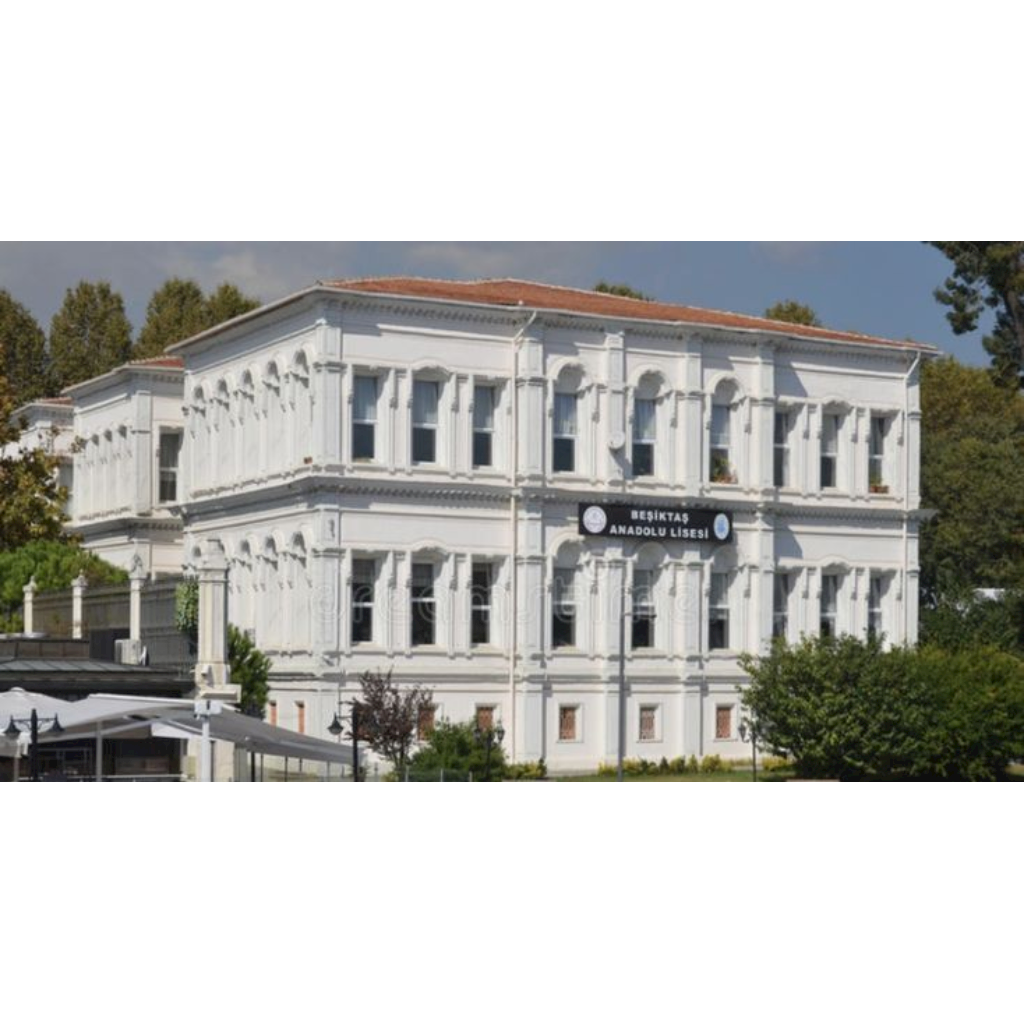

Beşiktaş Anatolian High School group B and Tuba Önal
Sustainability: Youth in Action – A Student-Led Journey
Introduction: How It All Began
When Sustainability: Youth in Action was first introduced at our high school, it was not merely perceived as another eTwinning project added to our academic agenda. Instead, it emerged from a genuine need to question our daily habits, our school culture, and the environmental footprint we were collectively leaving behind. As students growing up in a rapidly urbanizing environment, we were surrounded by visible signs of consumption: overflowing bins, excessive paper use, single-use plastics in the school canteen, and a general lack of structured recycling practices.
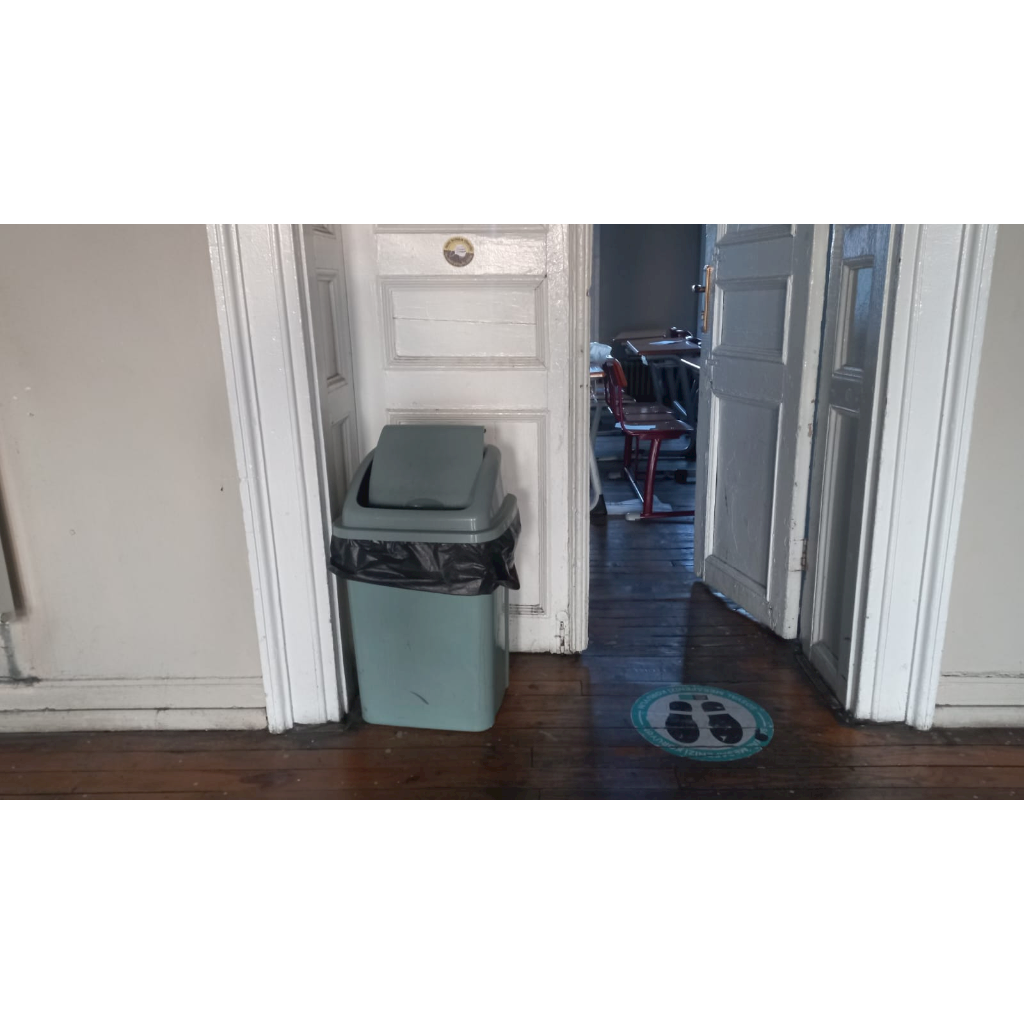
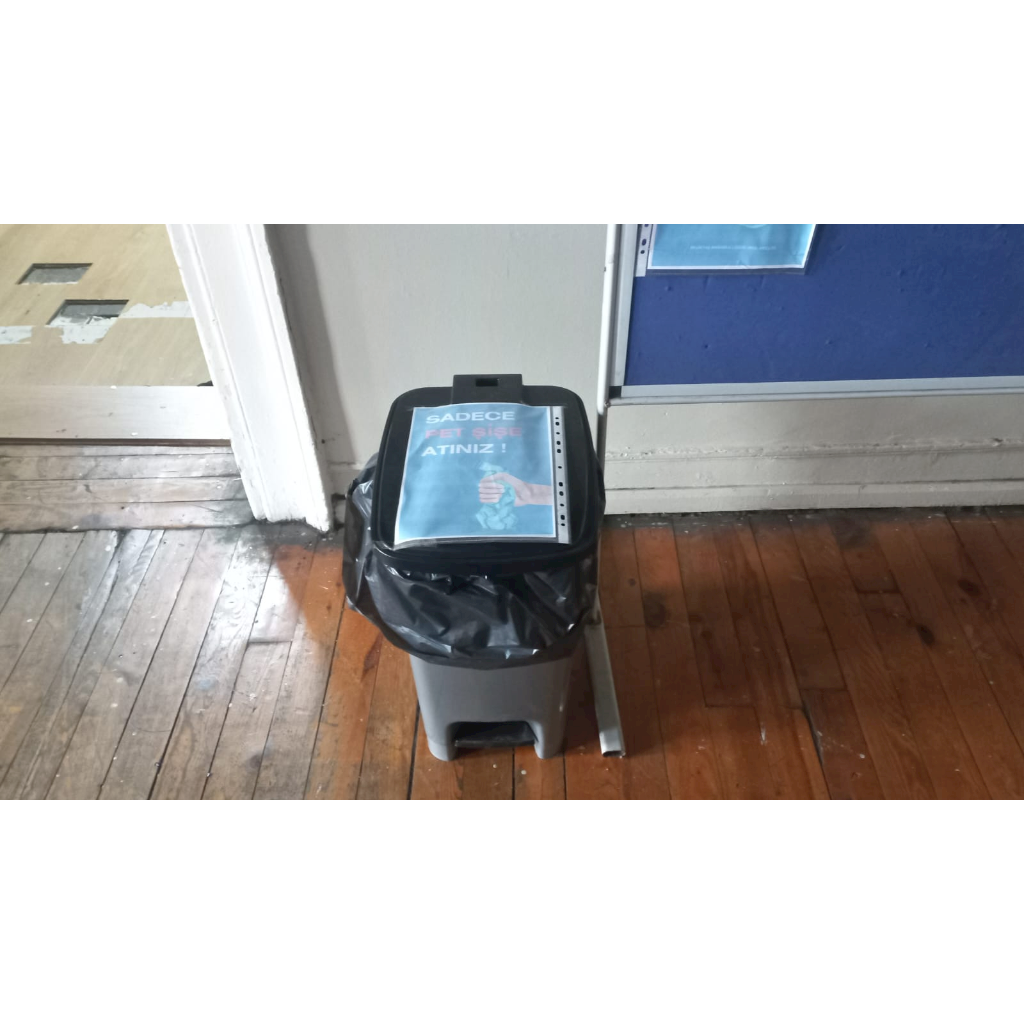
The project began with a simple yet powerful question posed during our initial meetings: How sustainable is our school and its immediate environment, really? From that moment on, we assumed the role of young researchers and change-makers. Our first step was observation. Students conducted informal audits of classrooms, corridors, the school garden, and nearby streets. We documented waste management practices, energy use, and students’ awareness levels through surveys, photographs, and short interviews. The findings were clear: although recycling bins existed, they were insufficient in number, poorly labeled, and rarely used correctly.


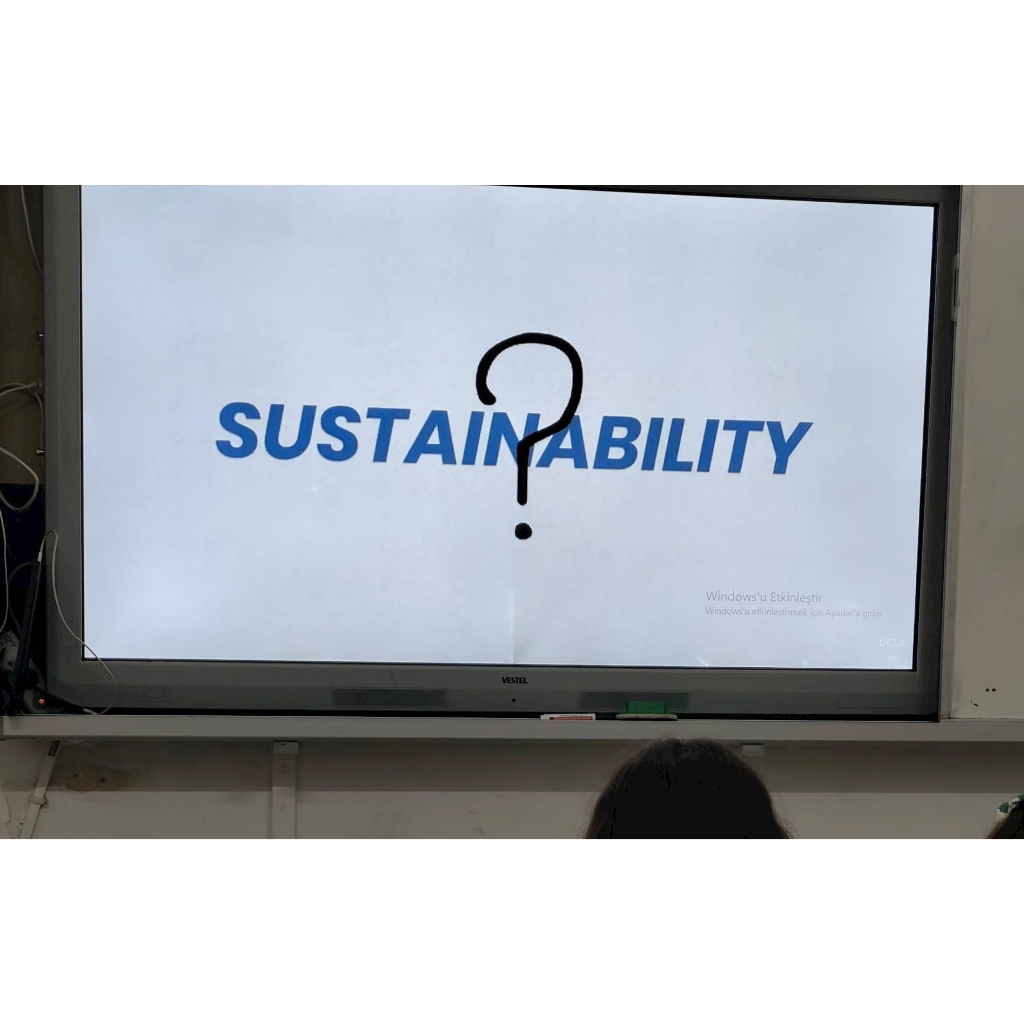
Awareness of carbon footprint, sustainable consumption, and circular economy principles was limited and often abstract.
This realization marked the true beginning of our journey. We understood that sustainability could not be taught solely through theory; it had to be experienced, practiced, and shared.
Development: From Awareness to Action
Following the needs analysis, the project entered its most dynamic phase. We designed an action plan that would not only address the problems identified but also actively involve students, teachers, and the local community. Each activity was planned step by step, with clear responsibilities assigned to student teams.
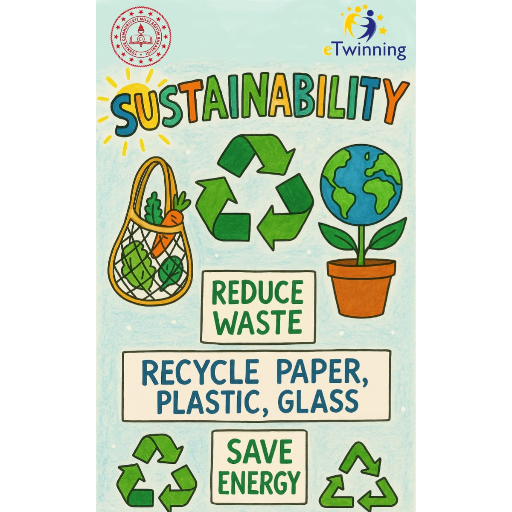
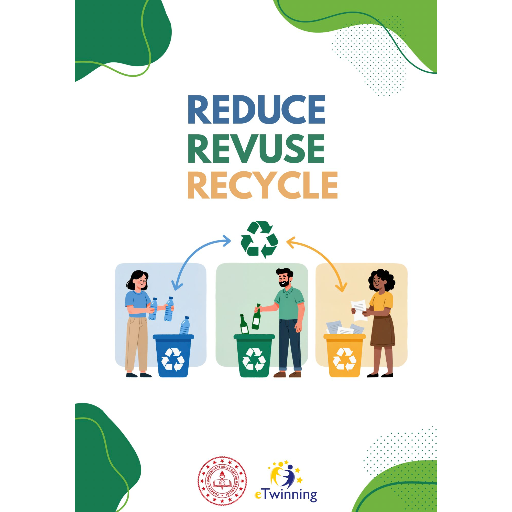
One of our first initiatives focused on recycling. Students designed visually engaging posters explaining how to separate waste correctly. These posters were displayed in classrooms, hallways, and common areas. In addition, we prepared small informative booklets that explained the importance of recycling, the lifecycle of materials, and the environmental impact of waste. These booklets were distributed to younger students to ensure age-appropriate peer learning
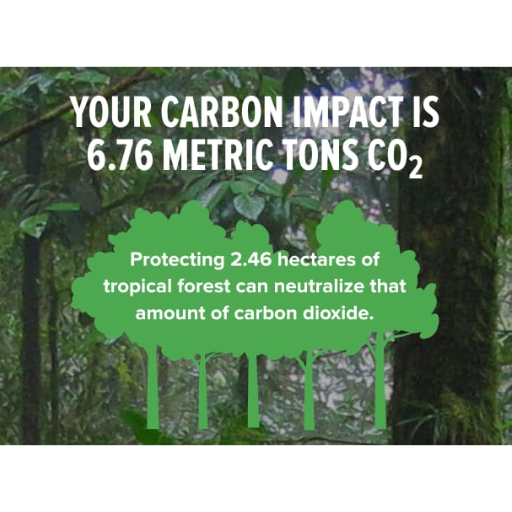
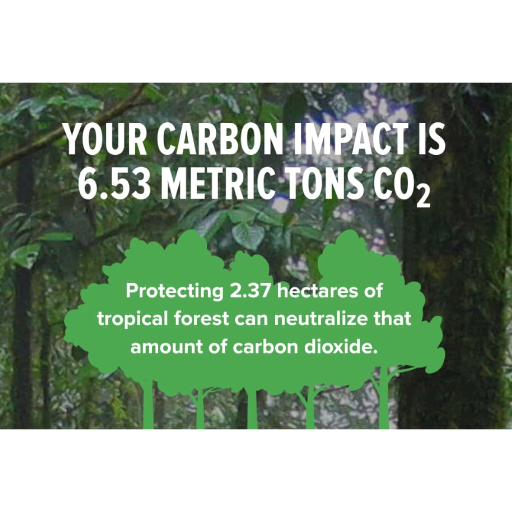
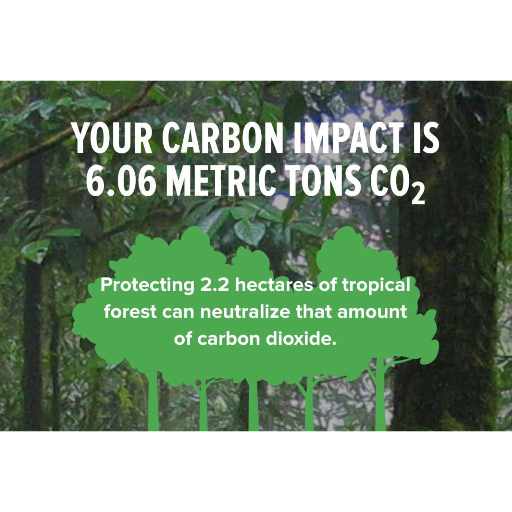

To move beyond theoretical knowledge, we introduced a carbon footprint measurement campaign. Students calculated their individual carbon footprints using online tools and reflected on their daily habits related to transportation, energy use, and consumption. The results were anonymized and analyzed collectively. To motivate behavioral change, we introduced a symbolic reward: students who managed to reduce their carbon footprint the most over a set period received eco-friendly gifts, reinforcing the idea that small choices matter
Creativity played a central role in the project. In preparation for the New Year, students collected waste materials such as paper rolls, glass jars, fabric scraps, and plastic bottles. These materials were transformed into handmade New Year gifts and decorations. This activity not only highlighted the concept of reuse but also demonstrated that sustainability can be joyful, creative, and socially meaningful
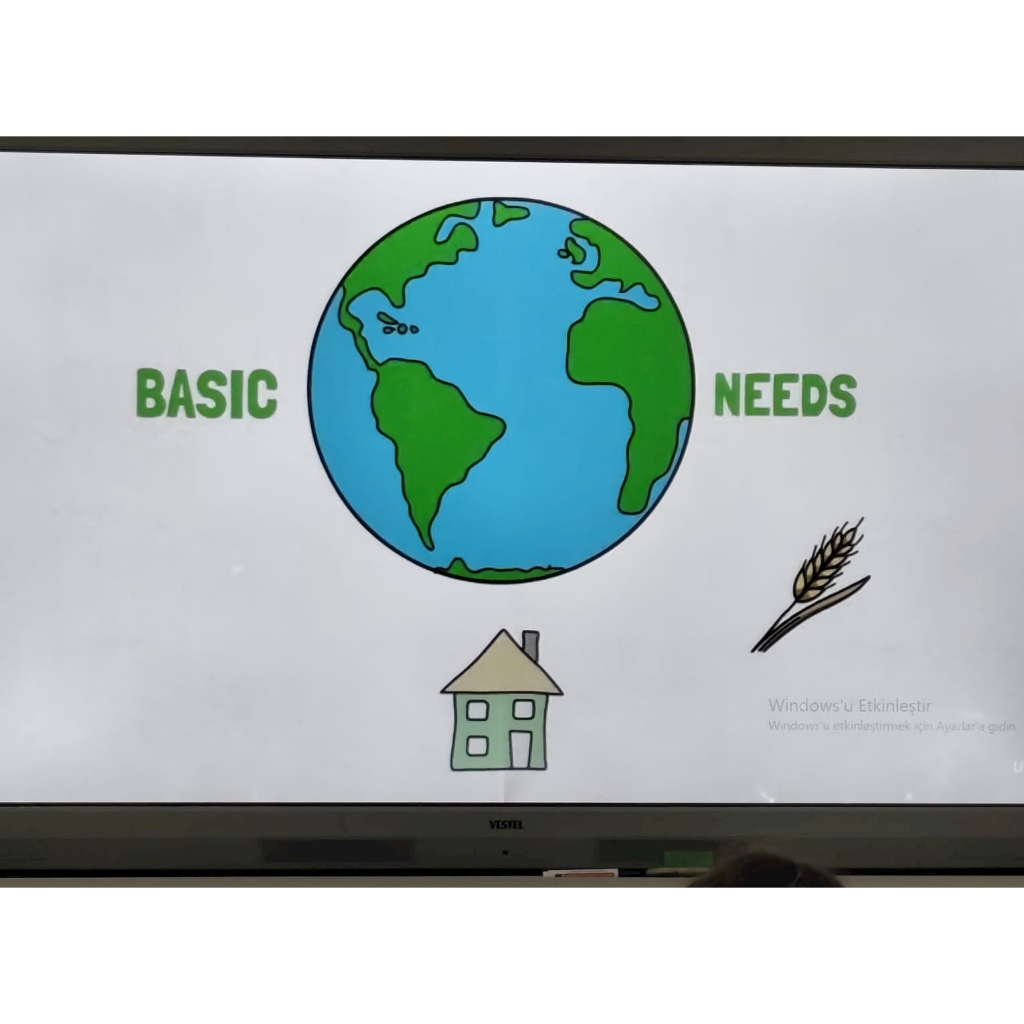
Another important component was community engagement. Students prepared presentations and mini-workshops to share what they had learned with their peers and teachers. We organized awareness days where students showcased their posters, recycled art products, and data collected throughout the project. These events turned the school into a living exhibition of sustainable practices
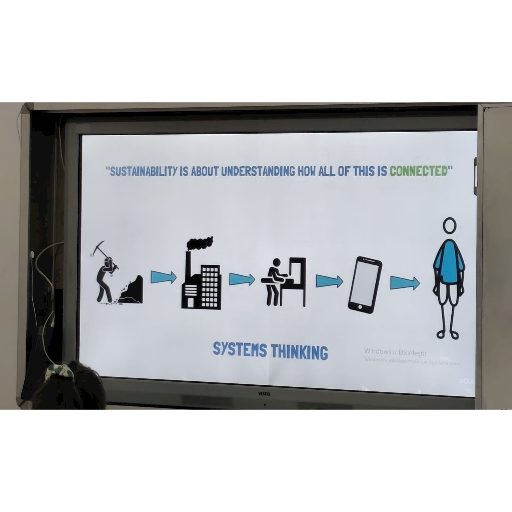
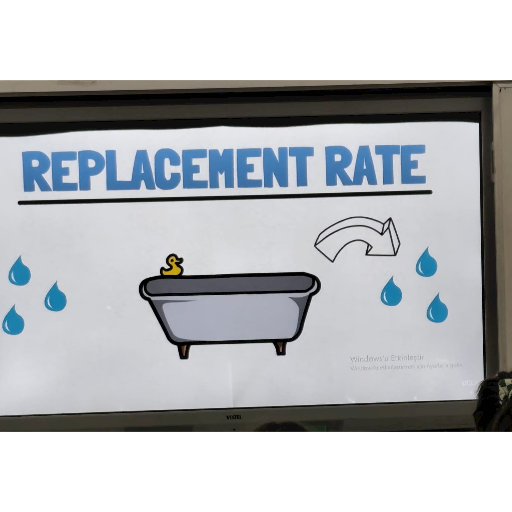
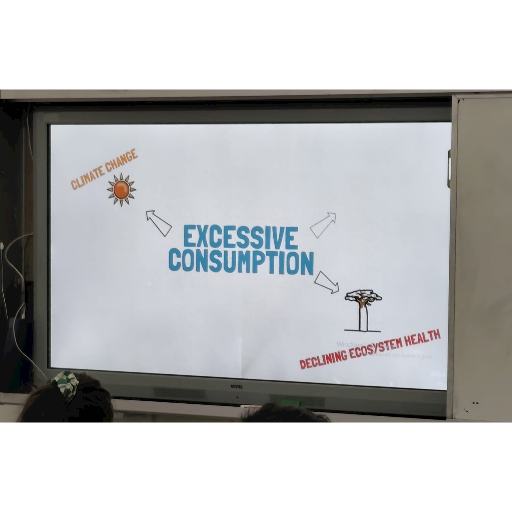
Throughout the process, reflection remained essential. Students kept journals and participated in discussion circles, where they shared challenges, successes, and moments of realization. Many expressed that they had begun questioning their habits at home as well, influencing their families’ choices regarding waste separation and energy use.
Conclusion: Lasting Impact and Future Plans
By the end of the project, Sustainability: Youth in Action had evolved into more than a school-based initiative; it had become a shared mindset. Recycling practices improved visibly, awareness levels increased, and sustainability became a recurring topic in everyday conversations. Most importantly, students realized that meaningful change does not always require grand gestures but consistent, conscious effort.
Looking ahead, dissemination and sustainability of the project outcomes remain a priority. We plan to share our eBook, posters, and activity reports through the school website, social media platforms, and eTwinning networks. Collaborations with local schools and municipalities are being considered to expand the project’s reach beyond our immediate environment.
- Full access to our public library
- Save favorite books
- Interact with authors
- < BEGINNING
- END >
-
DOWNLOAD
-
LIKE
-
COMMENT()
-
SHARE
-
SAVE
-
BUY THIS BOOK
(from $7.39+) -
BUY THIS BOOK
(from $7.39+) - DOWNLOAD
- LIKE
- COMMENT ()
- SHARE
- SAVE
- REMIX
- Report
-
BUY
-
LIKE
-
COMMENT()
-
SHARE
- Excessive Violence
- Harassment
- Offensive Pictures
- Spelling & Grammar Errors
- Unfinished
- Other Problem






COMMENTS
Click 'X' to report any negative comments. Thanks!