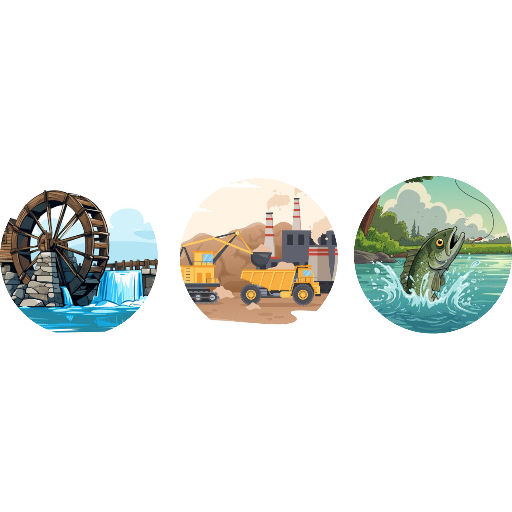




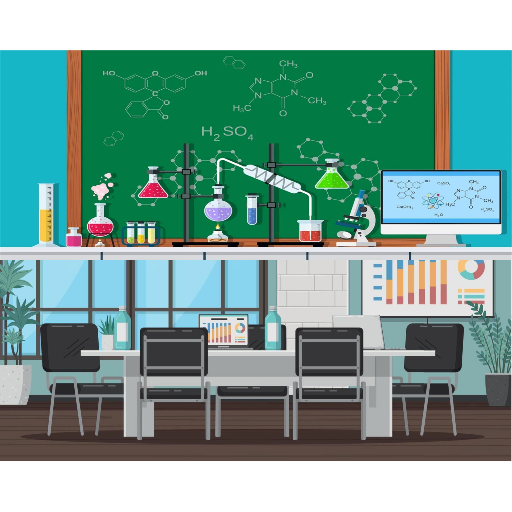

A natural resource is something that is found in nature like water, soil or trees. There are three different types, Renewable, Non-renewable, and Flow. Resources can be used for energy, materials and more.


Renewable
Non Renewable
Flow

A flow resource can only be used in one moment. An example of a flow resource is water.
A renewable resource can be used again many times if managed properly, and non-renewable resources can be completedly used up. An example of a renewable resource is wood. An example of a non-renewable resource is coal.

To make sure that these precious things are not misused, we should only use them at a speed where more can be created. This is called Sustainability. Sustainability helps to make sure that resources are not fully used up, and can be used by the future generations.

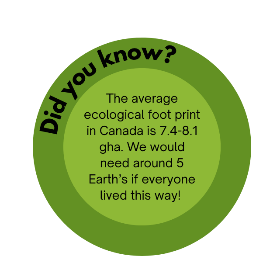
When being sustainable, we also need to consider the Ecological Footprint. This is how much a person, place or thing affects the enviroment. This includes carbon emmisions, energy usage, waste usage and more.

To extract, produce and sell these resources, Industries are needed.
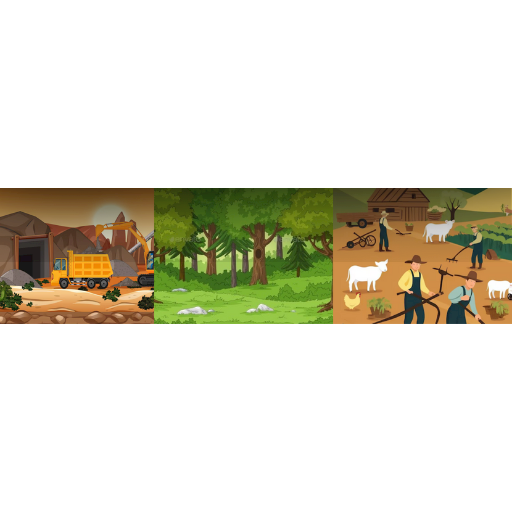
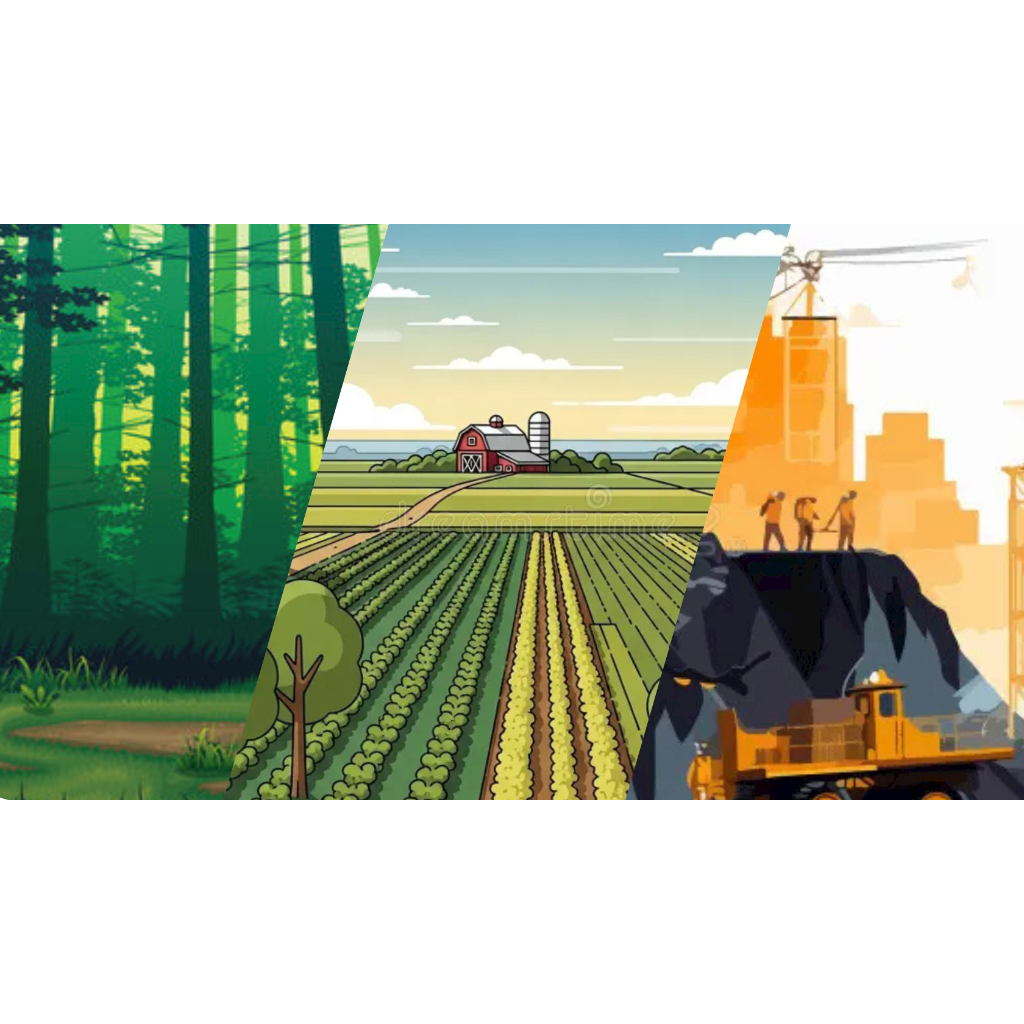
A Primary Industry is the extraction of raw materials. In Canada, the largest primary industries are mining, forestry and agriculture. These industries are important to the economy, as they provide 3.2 million jobs and are worth $254.5 billion.

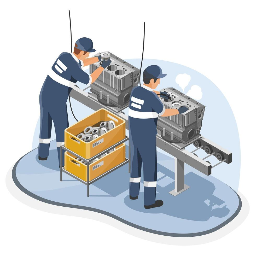
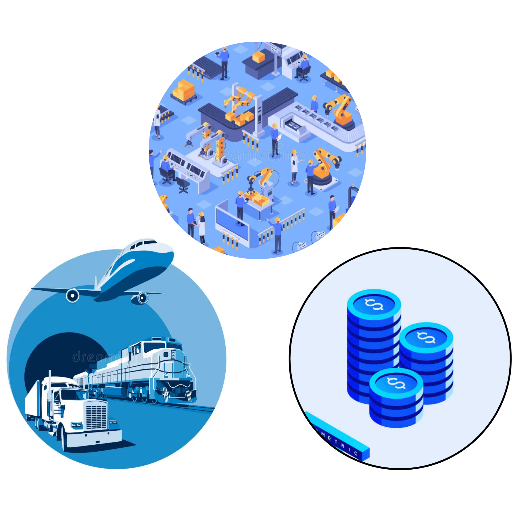
A Secondary Industry is the process of adding value to materials by creating finished products. They help to create and run essential everyday objects and services.
A Tertiary Industry is the sales and services of the product. This section is often the largest part of a country's workforce.


A Quaternary Industry is the research and development area, including industries like finance and education.
Finally, a Quinary Industry are the decision makers and those with power within a company or industry. They often make the final decisions.
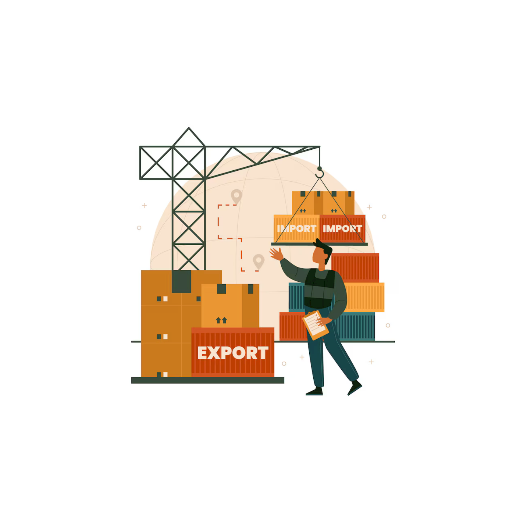
Each level of industry affects the Imports and Exports of a country. They are the trade of goods and services between two parties. Imports and exports are also important pieces of the economy of a country, and they help to obtain items that cannot be found nearby.

In Canada, our major imports come from the US and China, we receive lots of machinery, electronics, and other consumer goods. Prices of imported objects can be more expensive or cheaper depending on transportation, production and tariffs.


Canada's major exports also depend on primary industries, as our biggest exports are based around mining, farming, and forestry. In exports like metals and minerals, they rely heavily on mining, while farming is necessary for an export like cereal.
- Full access to our public library
- Save favorite books
- Interact with authors
Author's Biography
Jonah Kim is an aspiring young writer who does work on subjects related to AP Grade 9 geography. This book is meant convey the ideas of AP resources for elementary children. He has also worked on a Top Ten AP Geography paper that goes deeper into the 5 units. Jonah is currently affiliated with John Fraser Secondary School, and has wrote this piece as his final work in Geography. Outside of work, he enjoys reading novels and listening to music.

Citations: Classwork, projects and notes done in class.

- < BEGINNING
- END >
-
DOWNLOAD
-
LIKE
-
COMMENT()
-
SHARE
-
SAVE
-
BUY THIS BOOK
(from $3.39+) -
BUY THIS BOOK
(from $3.39+) - DOWNLOAD
- LIKE
- COMMENT ()
- SHARE
- SAVE
- Report
-
BUY
-
LIKE
-
COMMENT()
-
SHARE
- Excessive Violence
- Harassment
- Offensive Pictures
- Spelling & Grammar Errors
- Unfinished
- Other Problem

COMMENTS
Click 'X' to report any negative comments. Thanks!