May this information help guide you on your health journey.
Love, Amy

Take a good look at the food items in your pantry and refrigerator and discard those that do not fit into your new diet. Below are a few types of foods you may want to consider getting rid of.
Overly processed foods. These typically contain more than three to five ingredients and often include artificial or hard-to-pronounce ingredients.
Clean Start: Reset your Kitchen

Tip: Some hard-to-pronounce ingredients on food labels may actually be scientific names of vitamins added to foods. For example, ascorbic acid is vitamin C, and tocopherol is vitamin E.
Foods with trans or saturated fats. These can raise LDL (i.e., bad) cholesterol levels. Also, watch for certain oils, such as palm and hydrogenated or partially hydrogenated oils, that may raise LDL.
Foods with excess sodium. Look for low-sodium or no salt-added options. Or choose fresh foods over canned or boxed ones that have added sodium.
Foods with excess sugars. Synonyms for sugar often end in the suffix "ose" (e.g., sucrose, fructose). Sugars may also be labeled as ‘syrups’ (e.g., high-fructose corn syrup) or fruit concentrates. Also, when the term “added sugars” appears on the food label, these are sugars that do not naturally occur in the food and should generally be limited in your diet.
Foods with excess preservatives or colorants.
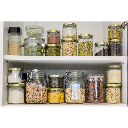
Shop Smarter: Know How to
Navigate Your Grocery Store
Stick to the perimeter of the grocery store.
Most grocery stores keep their whole foods, such as produce, meats, and dairy, around the outer edges of the store. Whereas the middle aisles typically contain more heavily processed foods.
What are whole foods?
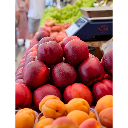
Whole foods are single-ingredient foods such as nuts, seeds, grains, legumes, fruits, vegetables, dairy, and meats.
Many times, whole foods may be minimally processed for packaging, preservation, or freezing but remain close to their natural state. Think of rice, oats, dried or frozen fruits and veggies, roasted nuts or seeds.
When purchasing canned, jarred, boxed, or frozen foods, review the ingredient list. Try to avoid products that have been overly processed, contain excess preservatives or colorants, include saturated or trans fats, or have high amounts of sodium or sugars.
Tip: When reading food labels, ingredients are listed in order of quantity. Those at the beginning of the list make up most of the product, while those at the end appear in smaller amounts. Oftentimes, sugar is listed second or third, usually making it a main ingredient of the food.
As an example, let's look at the label of these chocolate peanut butter protein bars.
Food Label Example
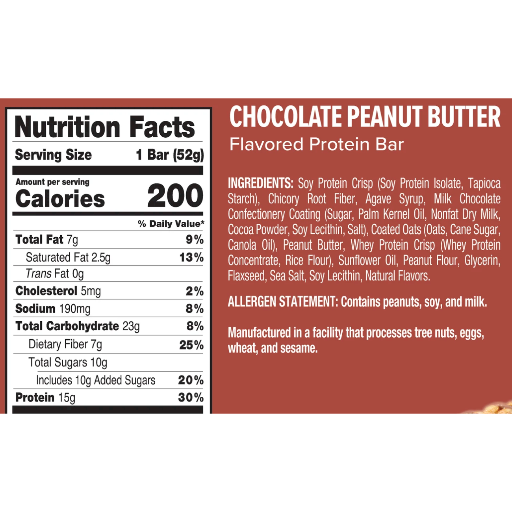

At first glance, you will notice that the list of ingredients is long. Additionally, you will see that 'soy protein crisps' is listed first in the ingredient list, making it the main ingredient. This is followed second by 'chicory root', and the third most prominent ingredient is 'agave syrup'
(a form of sugar). As you keep reading, you may notice that you recognize the names of most of the ingredients, so is it healthy?
The fact that the ingredient list is quite long and that most of the ingredients are not in their natural state makes this a highly processed food. Furthermore, although agave syrup is a natural sweetener, it is not naturally occurring in this food and has been added for sweetness. Agave syrup is better for our bodies than refined sugars, but it should still be limited.
The recommendation would be to include this type of food sparingly in a whole foods diet, as the goal is to minimize overly processed foods. The following page looks at another example.
Food Label continued...
Now, let's compare the previous protein bar to the one below.

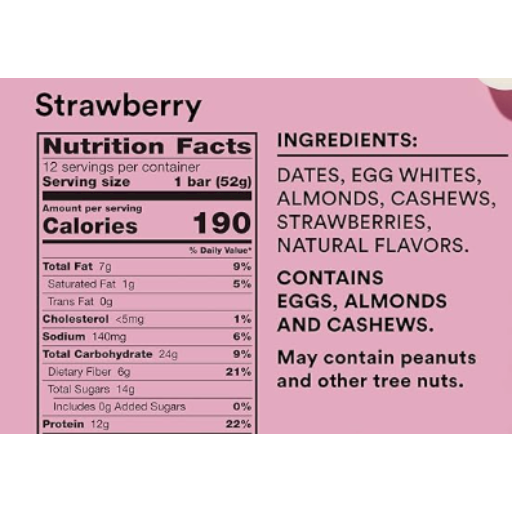
In comparison, this strawberry protein bar has fewer ingredients, all of which are easily recognizable. 'Dates' are the main ingredient, which most likely provides the majority of the 'total sugars' for the bar. However, you will also notice that this bar has no added sugars, because the sugar comes naturally from the dates and strawberries.
In terms of nutrition facts, this bar contains about the same amount of total calories, fat, sodium, carbs, dietary fiber, and protein as the chocolate peanut butter bar. However, there is less saturated fat and no added sugars.
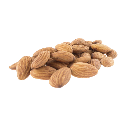
When reaching for a protein bar, I would most likely lean towards an option like this strawberry bar. However, an even better option would be a serving of almonds or cashews with a serving of strawberries. The nuts and strawberries are closer to their natural state, making them whole foods, and there are no unnecessary added ingredients.
The Food Groups
Proteins:
Whether you decide to go vegan or just cut down on red meat, protein is an important part of the diet. Red meat and pork should be eaten in light moderation, for holidays or special occasions. Even chicken thighs, or dark turkey meat, should be eaten in moderation, as they typically contain more fats and cholesterol.
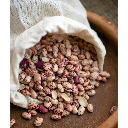
-Beans and legumes
-Peas
-Nuts and seeds
-Low-fat cheeses
-Egg whites
Healthier Proteins:
-Chicken or turkey breasts
-99% Lean turkey burger or ground chicken
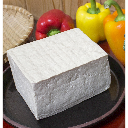
-Tofu or tempeh (soybean base)
-Seitan (wheat base)
Tip: Think of your favorite recipes with red meats or pork, and see if you can swap the meats for any of the healthier options on the previous page, such as tofu meatballs, lentil shepherd’s pie, or tofu BBQ.
My favorite way to eat tofu: Use a towel or paper towel to press excess water out of extra-firm tofu. Cut tofu into thin slices or cubes. Coat the tofu in corn starch and your favorite spices (don’t be shy on the spices). Put a small coating of oil in the pan, and sauté the tofu until crispy on all sides. This can be added to many dishes and topped with sauces!
Healthy Fats
Remember that not all fats are bad for you. Foods high in polyunsaturated and monounsaturated fats can help lower LDL cholesterol and improve heart health. These are found in foods like oils, avocados, nuts, seeds, and seafood. Think of how to incorporate a variety of healthy fats into your meals throughout the day.
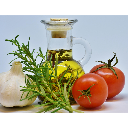
For example, experiment with different oils in place of butter. Or, use oil and vinegar for a quick salad dressing.
A few Healthy oils:
-Olive oils -Avocado oil
-Sunflower oil -Grapeseed oil
-Sesame oil -Canola oil
-Safflower oil -Peanut oil
Tip: Keep in mind that some oils are better for cooking at high temperatures, while others are better to drizzle on salads and veggies.
Pro Tip: Try infusing your oil with herbs from the garden.
Snack Ideas
*One to two tablespoons (tbsp) of nut butters for a snack. You can stir in 1 tbsp of a mix of seeds like chia, flax, and sunflower to your nut butter and enjoy it with fruit, celery, or a rice cake.
(Remember to purchase nut butter with minimal ingredients; many nut butters include added sugar and palm oil [which may not be good for cholesterol])
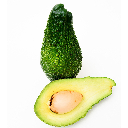
*Smashed avocado mixed with flax, hemp, or chia seeds on top of a rice cake or cracker.
*Buy your favorite seeds and nuts to make your own trail mix. Try toasting the nuts in the oven for added flavor. It may be helpful to store the trail mix in individual containers of 1/4 cup servings to help with overeating.
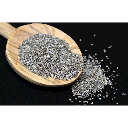
Tip: Make your own mix of chia, hemp, and flax seeds. Add 1 tbsp of the mix to your food.
Be mindful that these are "fats," so they are caloric foods. Therefore, try pairing them with lower-calorie foods when possible.
Carbohydrates
Try not to fear carbohydrates, as they help provide energy for the body. However, be mindful of overeating carbohydrates. One to two servings a day is a good goal. A typical serving of carbohydrates is a half a cup and on average contains around two hundred calories. Get creative with recipes. If your recipe calls for pasta or white rice, try swapping it with a whole grain carbohydrate like:
-Farro -Amaranth
-Barley -Oats
-Quinoa -Brown or wild rice
Other foods that contain carbohydrates, but are not considered whole grains. These are still great to include as a way to add variety.
-Couscous -Polenta -Beans -Potatoes
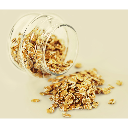
Tip: When storing your prepared carbohydrates, divide them into individual containers of half-cup portion sizes. When you are ready to eat them later on, you have portion sizes ready to add to fresh veggies and proteins. Storing by portion size makes it easier not to overeat them later on.
Meal Ideas:
*Polenta with steamed or sauteed veggies (mushrooms, edamame, green beans, onions, etc.). Add fresh pecorino cheese for flair.
*Couscous salad - Mix in black beans with fresh bell pepper, cilantro, tomatoes, cumin, and garlic. Add fresh olive oil and a touch of vinegar for dressing.
*Warm farro salad with roasted veggies (butternut squash, brussels sprouts, mushrooms) and top with low-fat feta cheese, low-sugar dried cranberries, and pepitas. Add a fresh vinaigrette for dressing.
Pro Tip: Allowing your 1/2 cup of oats to swell in water either overnight or in the microwave may help trick your mind into feeling like you are eating a bigger serving.
Fruits and Vegetables
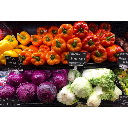
Stock your kitchen with fruits and veggies! Both are key to weight loss as they are typically low-calorie foods. They are also key to a healthy diet since they contain essential vitamins, minerals, and fiber for your body.
Aim to include at least one serving of vegetables in both lunch and dinner. A serving of cooked vegetables is about 1 cup, whereas a serving of leafy greens is closer to 2 cups. In addition, try to include about three servings of fruit throughout the day.
Keep vegetables washed and ready to eat in the fridge for easy snacking. For example, cut up whole carrots, celery, bell pepper, cucumber, broccoli, or cauliflower. You can do the same with fruits. Make sure they are washed, cut up if needed, and ready to eat.
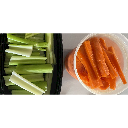
Some veggies, like carrots and celery, can be stored in water for the week to stay crispier.
Remember, you don't always have to eat a whole piece of fruit for your serving of fruit. You can mix and match. Eat half of an apple, a few grapes, and a few slices of an orange. Save the leftover pieces in the fridge for later.
Experiment with new fruits and veggies, and look for produce that is in season. Explore different grocery stores. You will find different types of produce at Asian or Hispanic grocery stores, for instance.
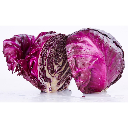
Make sure to eat the rainbow. Select a wide variety of fruits and veggies of all different colors. Fill your plate with different colors as well!


Although sugar alternatives such as agave and honey typically do not cause the same rapid spike in blood sugar as refined sugars, they should still be consumed in moderation.
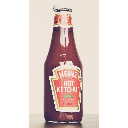
Be aware that sugars are often added to many processed foods, such as condiments like ketchup, BBQ sauce, and salad dressings. As well as foods like yogurts, protein bars, and dried fruits. Keep an eye on the food label for added sugars, syrups, and fruit concentrates.
Sugars

One way to lessen sugar cravings is to add a little natural sweetness to your meals. For example, include fresh fruits or reduced-sugar dried fruits in salads. Or enjoy a side of sweet potato, beets, butternut squash, or cooked carrots with your meal.
Tip: When possible, homemade foods are better, so that you can control the sugar input. For example, homemade salad dressings, granola, and dried fruits.
Snack Tip: For a sweet snack, try plain Greek yogurt mixed with fruits, seeds, and honey. Adding a dollop of peanut butter, honey, and cinnamon to Greek yogurt is great after a light dinner. Or search for recipes on chia yogurt puddings and yogurt barks!
- Full access to our public library
- Save favorite books
- Interact with authors
- < BEGINNING
- END >
-
DOWNLOAD
-
LIKE
-
COMMENT()
-
SHARE
-
SAVE
-
BUY THIS BOOK
(from $5.99+) -
BUY THIS BOOK
(from $5.99+) - DOWNLOAD
- LIKE
- COMMENT ()
- SHARE
- SAVE
- Report
-
BUY
-
LIKE
-
COMMENT()
-
SHARE
- Excessive Violence
- Harassment
- Offensive Pictures
- Spelling & Grammar Errors
- Unfinished
- Other Problem






COMMENTS
Click 'X' to report any negative comments. Thanks!