Welcome to the ABCs of good communication!
This book is dedicated to everyone learning how to use their words with kindness and care.
From A to Z, you’ll see how listening, speaking clearly, and making thoughtful choices can turn everyday moments into better conversations.

is for Active Listening
If we interrupt or look away, we are not really listening.
When we look at the speaker and stay quiet, we show we care.

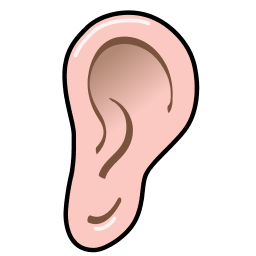
is for Body Language
If we cross our arms, roll our eyes, or look away, we may seem upset or uninterested.
When we smile, face the speaker, and nod, our body shows we are listening and ready to talk


is for Clear Words

If we mumble or use confusing words, others might not understand us.
When we speak clearly and use kind words, our message is easier to understand.

is for Distractions

If we look at our phone or talk while someone else is speaking, we are distracted.
When we put distractions away and focus, we show respect and attention.

is for Eye Contact

When making eye contact, it shows we are listening and attentive.
If we look away, it will show we are uninterested.

is for Feedback

When we listen to feedback given, our team can improve.
If we ignore feedback, we will struggle to learn.

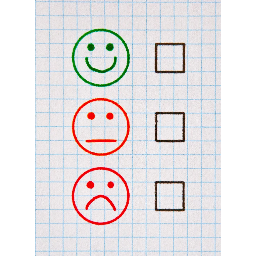
is for Getting Clarification

When we get clarification, our work quality will improve.
If we work without clarification, communication and tasks are unclear.

is for Honesty

When we are honest, our peers will trust us.
If we are dishonest, it will hurt the group dynamic.

is for Interrupting

When we interrupt others, they will feel disrespected and unheard.
When we are intentional to listen first, they will appreciate the patience and kindness.

is for Joyful

Using happy words and smiling make talking fun.
Being grumpy or sad when speaking can make others not want to listen.

is for Kind

Small, kind gestures and positive body language can brighten someone’s day.
Interrupting or talking over others can hurt feelings.

is for Listening

Listening carefully shows we care.
Ignoring someone or interrupting can make them feel unimportant.

is for Motivating

Encouraging words like “You can do it!” help others feel confident.
Saying “I can’t” or “That’s too hard” can stop us from trying.

is for Nurturing

Helping friends talk about their feelings shows care and support.
If we don’t listen, they may feel left out.

is for Open-minded

Being open to different ideas helps us understand others better.
Refusing to listen or judging too quickly can stop communication and hurt feelings.
is for Polite

Using polite words and a calm tone shows respect. Saying “please” and “thank you” helps conversations feel positive.
Speaking rudely can hurt feelings.

- Full access to our public library
- Save favorite books
- Interact with authors
- < BEGINNING
- END >
-
DOWNLOAD
-
LIKE
-
COMMENT()
-
SHARE
-
SAVE
-
BUY THIS BOOK
(from $5.39+) -
BUY THIS BOOK
(from $5.39+) - DOWNLOAD
- LIKE
- COMMENT ()
- SHARE
- SAVE
- Report
-
BUY
-
LIKE
-
COMMENT()
-
SHARE
- Excessive Violence
- Harassment
- Offensive Pictures
- Spelling & Grammar Errors
- Unfinished
- Other Problem





COMMENTS
Click 'X' to report any negative comments. Thanks!