


This book is dedicated to all those who love spring.
It inspires curiosity, creativity, and teamwork.
Keep exploring, because every story is a step forward towards discovery and learning!
PLEASE WRITE IN ENGLISH, so that everyone understands.

CONTRIBUTORS
1. Effrosyne Bisioti, 1st Primary School of Gargaliani, Greece
2. Mihaela Sîrbu, ,,Anastasie Panu” Secondary School Husi, Romania
3. Izabela Banas, Primary School Zalesie Slaskie, Poland
4. Alessandra Checchia, Circolo Didattico ”Mons. Petronelli, Italy
5. Marina Stanojevic, OOU ”Dimo Hadzi Dimov”, North Macedonia
6. Antonio Marquez Nunez, CEIP Enrique Tierno Galvan, Spain
7. David Alberjon, CEIP Nuestro Padre Jesus Jabalquinto, Spain
8. Nadia Brito Bell, CEIP Araya, Tenerife, Canary Islands, Spain
9. Saranay Diaz Martin, CEIP Araya, Tenerife, Canary Islands, Spain
10. Ayten Celme, Primary School of TED Izmir College, Turkiye
11. Pinar Toprak, Șahinbey Belediyesi Bilsem, Turkiye
12. Svitlana Lenarska, Collegium ,,Berehynia”, Ukraine
13. Tetiana Zdorenko, Collegium ,,Berehynia”, Ukraine
,,Anastasie Panu” Secondary School Husi,Romania (Mihaela Sîrbu)- Writer


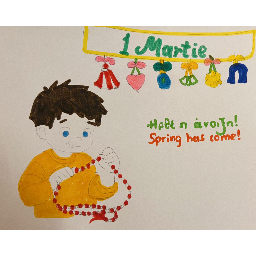
In Romania, March 1st is a colorful and joyful celebration that marks the arrival of spring. In schools, this day is eagerly awaited by students.
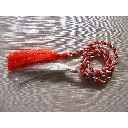
A few days before the celebration, classrooms turn into real creative workshops. Children bring beads, colored cardboard, ribbons, and the traditional red-and-white string. Guided by their teachers, they create handmade mărțișoare — small symbols of spring such as snowdrops, butterflies, ladybugs, hearts, or four-leaf clovers.
The red-and-white string is essential. Students learn that red symbolizes life, energy, and love, while white represents purity and a new beginning. Twisted together, the two threads announce the rebirth of nature.
On March 1st, children offer their mărțișoare to their classmates, teachers, and mothers. The gesture is accompanied by smiles and wishes of “Have a beautiful spring!” For students, it is not only a tradition, but also an opportunity to give, to create, and to keep a beautiful Romanian custom alive.
Through the mărțișoare made with care and imagination, students celebrate the beginning of spring and carry on the spirit of this special holiday.

1st Primary School of Gargaliani, Greece (Effrosyne Bisioti) -Illustrator

1st Primary School of Gargaliani, Greece (Effrosyne Bisioti)- Writer
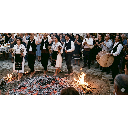
A spring tradition in Northern Greece is Anastenaria, a fire-walking ritual. It takes place on May 21st in honor of Saint Constantine and Saint Helen. People called Anastenarides dance, pray and walk barefoot on hot fire. They believe the fire brings healing, protection and blessings.
During the ritual, there is music, drumming and singing. People think that if they walk safely on the fire, they are protected from evil and bad luck. Villagers and visitors watch, pray and enjoy local food together.
Anastenaria is a special spring tradition in Greece. It shows the connection between religion, folklore and nature.


,,Anastasie Panu” Secondary School Husi,Romania (Mihaela Sîrbu) -Illustrator

1st Primary School of Gargaliani, Greece (Effrosyne Bisioti)- Writer
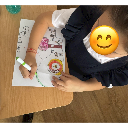
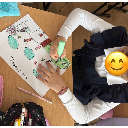
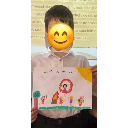
In Greece, people celebrate spring by making flower wreaths called stefania. Families go into the countryside or gardens to pick wildflowers, herbs, and green branches, and then carefully weave them into a circle. They hang the wreath on their front door or balcony, where it stays as a bright sign of spring. The wreath stands for new life, good health, and protection for the home, and many people believe it brings positive energy to the family.


Șahinbey Belediyesi Bilsem, Turkiye (Pinar Toprak) - Illustrator

Șahinbey Belediyesi Bilsem, Turkiye (Pinar Toprak)- Writer
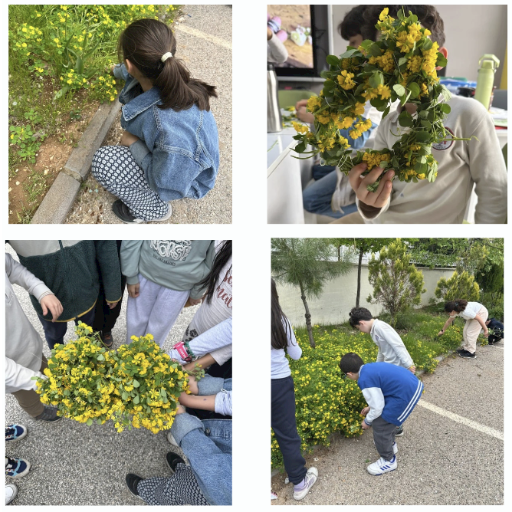
Hıdırellez is celebrated every year on May 5-6 to mark the arrival of spring. On these dates, it is believed that jumping over fires cleanses one of evil and brings healing. Houses and gardens are cleaned, people leave wishes under rose bushes and throw them into the water in the morning. Nature walks and picnics are held. New clothes are bought. It is done to celebrate the awakening of nature and to bring abundance and prosperity. It is celebrated not only in Türkiye but among all Turkic peoples.


1st Primary School of Gargaliani, Greece (Effrosyne Bisioti)- Illustrator
Collegium 'Berehynia', Ukraine (teacher Svitlana Lenarska) - Writer


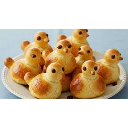
CEIP Araya, Tenerife, Canary Islands, Spain (Saranay Diaz ) - Illustrator

CEIP Araya, Tenerife, Canary Islands, Spain (Saranay Diaz ) - Writer
Here in Tenerife, we'd like to tell you about how we usually spend our Easter holidays …. We usually spend one week of our holiday abroad in a different country, visiting another part of our island (often the south where there is better weather and more beaches) or visiting another Canary Island. We are 8 main islands and we use our Easter holidays to visit them. They are: La Gomera, El Hierro, La Palma,Gran Canaria, Lanzarote, Fuerteventura, La Graciosa and Tenerife (our island). We visit important cultural places like the TEIDE, Timanfaya or the Garajonay forest. Our main thing to do in each island is to go to the beach, we have black sand because we are volcanic islands. We have a typical food we usually eat at Easter called “torrijas”. They are made with bread soaked in milk and cinnamon then fried in egg and oil and covered in sugar.

Collegium 'Berehynia', Ukraine (Svitlana Lenarska) - Illustrator


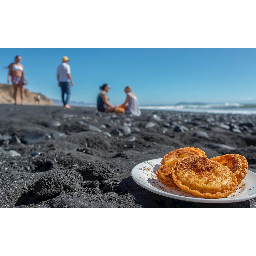

We used AI to create our images regarding the text of our project partner from Canary Island.
Collegium 'Berehynia', Ukraine (teacher Tetiana Zdorenko) - Writer
CEIP Enrique Tierno Galvan, Spain (Antonio Marquez Nunez) - Illustrator
CEIP Enrique Tierno Galvan, Spain (Antonio Marquez Nunez) - Writer
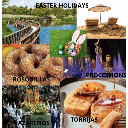
In this holidays you have many tipes of holidays depending if you are a religión person or no religión person. If you are a religión person you can go to see the procesións in your house or in the street. And you can go to the church to see the holy week procesión. If you are a no religion person you can go to eat with your family o go to holidays.
People travel to other cities or countries in Easter vacations.
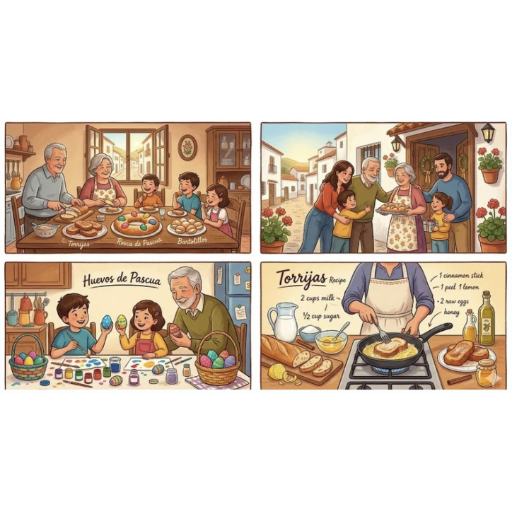
In Easter holidays the people eat Easter traditional food We also celebrate it by eating and cooking torrijas, roscas, and bartolillos.
In Easter holidays, people visit family.
We celebrate Easter by coloring and creating Easter eggs.
Recipe of torrijas: - 1 baguette or loaf of bread. - 2 cups of milk. -1/2 cup sugar. -1 cinnamon stick. -Peel of 1 lemon. -2 eggs. -Olive oil or vegetable oil for frying. -Honey or sugar syrup.
Collegium 'Berehynia', Ukraine (teacher Tetiana Zdorenko) - Illustrator
Primary School of TED Izmir College, Turkiye (Ayten Celme)- Writer
Nevruz, celebrated in Türkiye on March 21st, marks the arrival of spring, the awakening of nature, and the Turks' emergence from Ergenekon. It is widely associated with rituals such as jumping over fire, preparing semeni (wheat sprouts), clashing colored eggs, forging iron, and visiting cemeteries, symbolizing unity, togetherness, and purification.
CEIP Nuestro Padre Jesus Jabalquinto, Spain (David Alberjon)- Illustrator
CEIP Nuestro Padre Jesus Jabalquinto, Spain (David Alberjon) - Writer
Here, in Jaén, our holiday is called "Semana Santa". It's a religious festivity. Our streets are filled with "procesiones" and "nazarenos". We carry our holy images around the streets and play religious music with trumpets and drums. The bands are called "cofradías". It's not a happy holiday because everyone dresses in black and we have "mourners". It's not a happy holiday, we prefer yours! Spring is so colourful and happy!
Apart from that, we use to join our families into big lunches. We make traditional desserts as: "Panza de Vieja" (Old woman's belly) or Torrijas.
- Full access to our public library
- Save favorite books
- Interact with authors
- < BEGINNING
- END >
-
DOWNLOAD
-
LIKE(1)
-
COMMENT()
-
SHARE
-
SAVE
-
BUY THIS BOOK
(from $6.79+) -
BUY THIS BOOK
(from $6.79+) - DOWNLOAD
- LIKE (1)
- COMMENT ()
- SHARE
- SAVE
- Report
-
BUY
-
LIKE(1)
-
COMMENT()
-
SHARE
- Excessive Violence
- Harassment
- Offensive Pictures
- Spelling & Grammar Errors
- Unfinished
- Other Problem





COMMENTS
Click 'X' to report any negative comments. Thanks!