
School of Sciencie and Arts
Associate Degree in English Language
Subject´s name:
Reading and Conversation
Tutor´s name:
Lic. Yefri Josué Cruz Ríos
Student names:
Cindy Guadalupe Flores Barcia
Edenilson Eduardo Gómez López

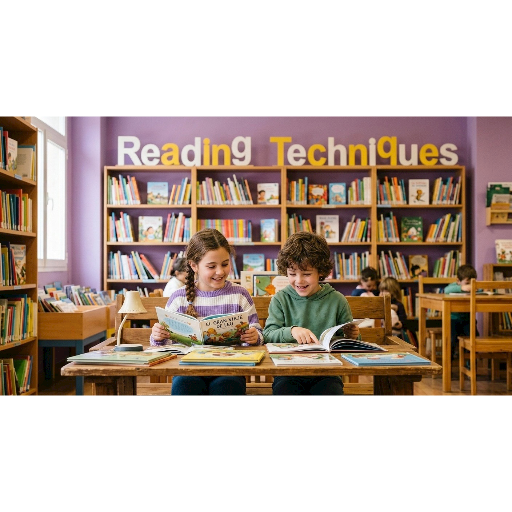


Skimming
Skimming is a very fast way of reading. When you skim, you do not read every word. Instead, your eyes move quickly across the page to find the main ideas. You should look at the title, the headings, and the first sentence of each paragraph. It is very useful when you have a lot of homework or a long news article. Skimming helps you understand the "big picture" of a story without wasting time on small details. It is the best way to decide if a text is interesting or important to you.
To do skimming correctly, you should look at the most important parts of the page. First, read the title and all headings. Then, look at the first and last sentences of every paragraph. Finally, check for bold words and pictures. This helps you find the main idea quickly.

EXAMPLE 1: Read quickly to get a general overview of the text.

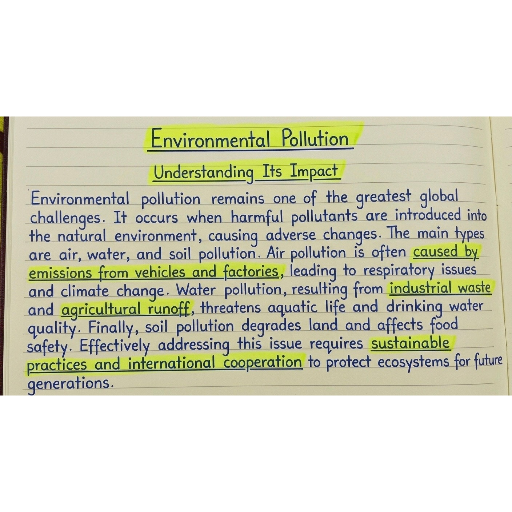
EXAMPLE 2: This image represents visual skimming. Just like when we read a text, our eyes ignore the background details and jump directly to the headlines and key data. We are looking for the 'big picture' without listening to every word the presenters say.



Scanning
The term "scanning" refers to the type of reading that involves visually scanning the text to find important information. In other words, this technique is used when we want to find something very specific, such as date or a number, in article we have previously read carefully
ADVANTAGES
- High Speed: Allows you to locate specific data in long texts quickly.
- Time Saving: Ideal for quick reviews or finding specific answers, increasing productivity.
-Efficiency: Ideal for reading academic papers or finding answers without reading the entire text.
DISADVANTAGES
- Superficial Comprehension: It doesn´t delve deeply into the content, ignoring the context or the main idea of the text.
- Risk of Omission: Important details not directly related to the searched keyword may be overlooked.
- Requires Cues: Works best when you anticipate how the answer will apper; otherwise, it can be ineffective.
Examples:
Read a scientific article: Look up keywords, author names, or specific dates to detemine the usefulness of the research.
Consult a dictionary: Look up the meaning of a specific word by quickly scanning the page.

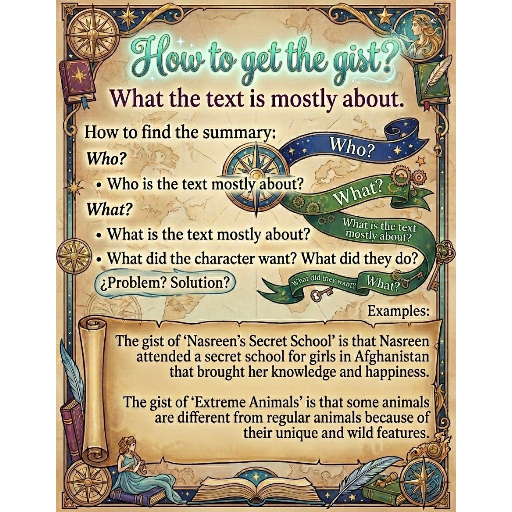
Getting the GIST
The GIST technique is a comprehension strategy used to identify the essence or the main idea of a text. It focuses on summarizing a passage into one concise sentence to ensure the reader understands the "big picture" rather than getting lost in the details.
How the Technique Works?
The core of the strategy is the 20-word summary rule. Here is the step-by-step process in English:
1. Read a section: Focus on one paragraph or a specific segment at a time.
2. Select key words: Identify the most important nouns and verbs (the "who" and the "what").
3. Delete trivial information: Cross out adjectives, examples, and secondary details that don't change the overall meaning.
4. Synthesize: Combine the remaining key concepts
into a single, coherent sentence.
5. Apply the constraint: Ensure your summary
is 20 words or fewer.

PREDICTING
It is reading tecniques that consists of anticipating the content of a text before or during its reading, based on clues such as the title, images, subtitles, keyword or one´s own prior knowlegde.
ADVANTAGES
- Improves reading comprehesion: By anticipating the content, the brain prepares to process information more effectively.
-Fosters attencion and interest: Formulating hypotheses generates anticipation and provides a clear objective.
- Develops critical thinking: Student must analize titles, images, clues in the text, and their own prior knowlegdge to make reasoned predictions.


DISADVANTAGES
- Confirmation bias: If the reader clings too tightly to their prediction, they only see what confirms their idea and ignore information that contradicts their hypothesis.
- Incorrect predictions due to lack prior knowledge: People with little experience with the topic or with cultural biases may make predictions far removed from the actual content.
- Frustation from frequent errors: If the reader is correct infrequently, they may lose confidence or motivation.
Examples:
Weather: The weather forecast is predicting heavy rain for tomorrow.
Bussiness: Analysts are predicting a growth in demand.

Meaning from Context (Context Clues)
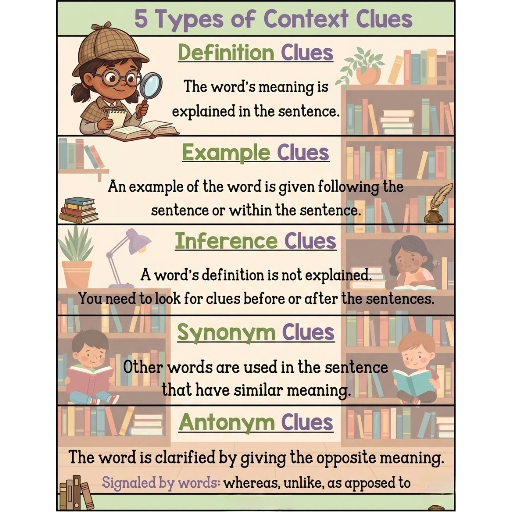
The Meaning from Context technique (often called using Context Clues) is a critical reading strategy used to figure out the meaning of unknown words without stopping to look them up in a dictionary. It involves using the surrounding words, phrases, and sentences to "deduce" or guess the definition.
Meaning from Context is a reading technique where you infer the meaning of an unknown word or phrase based on the surrounding text.
steps:
1. Read the surrounding text: Read the sentences before and after the unknown word or phrase.
2. Look for clues: Look for hints in the text, such as:
- Related words or synonyms
- Contrasts or opposites
- Examples or illustrations
- Definitions or explanations
3. Make an educated guess: Guess the meaning of the word or phrase.
4. Check if it fits: See if your guess makes sense in the context.

Example 1:
"The new employee was very green, so they assigned
a mentor to help him get familiar with the job."
- The word green is unknown, but the context
suggests it means inexperienced or new to the job.
- Clues: "new employee", "assigned a mentor"
- Guess: "Green" means inexperienced or new to the job.
Example 2:
"The company's financial reports showed a significant deficit, which led to a decrease in investor confidence."
- The word "deficit" is unknown, but the context suggests it means a financial loss or shortage.
- Clues: "financial reports", "decrease in investor confidence"
- Guess: "Deficit" means a financial loss or a situation where expenses exceed revenue.

- Full access to our public library
- Save favorite books
- Interact with authors
- < BEGINNING
- END >
-
DOWNLOAD
-
LIKE
-
COMMENT()
-
SHARE
-
SAVE
-
BUY THIS BOOK
(from $4.39+) -
BUY THIS BOOK
(from $4.39+) - DOWNLOAD
- LIKE
- COMMENT ()
- SHARE
- SAVE
- Report
-
BUY
-
LIKE
-
COMMENT()
-
SHARE
- Excessive Violence
- Harassment
- Offensive Pictures
- Spelling & Grammar Errors
- Unfinished
- Other Problem





COMMENTS
Click 'X' to report any negative comments. Thanks!