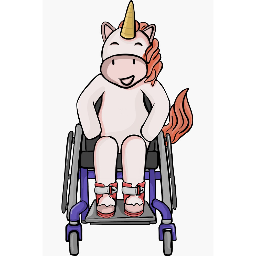
This book is dedicated to a very special little boy in my life, whom we will call “Unicorn.” Unicorn, you are truly one of a kind. Being part of your life has been such a gift, and I am so grateful for the time I get to spend with you. Watching you grow, learn, and experience the world in your own unique way has taught me so much about patience, strength, and joy. This book was written to help others see a small glimpse into a day in the life of living with cerebral palsy. It helps show that while some routines and experiences may look different, they are simply part of Unicorn’s incredible journey. I hope that educators, children, and readers will gain greater awareness, empathy, and understanding.

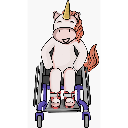
This story is about a special little boy. In this book, we will call him Unicorn.
Unicorn is funny, curious, and kind.
He also lives with cerebral palsy, which means his body sometimes needs extra support. His life may look a little different, but it is full of learning, friendship, and fun.

Did You Know?
Cerebral Palsy is a condition that affects how a person moves and controls their muscles.
It happens before, during, or shortly after birth. Every person with CP is unique; they have their own personality, strengths, and story. (Assistive Devices-Aids For Cerebral Palsy, 2024)
Every morning, Unicorn wakes up at home with his two loving moms.
Like many children, he gets ready for the day and prepares for school. His routine just has a few extra steps to help his body stay healthy.
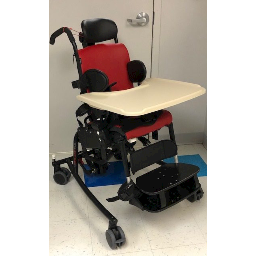
When Unicorn wakes up in the morning, his overnight nurse gently helps him into his Rifton High-Low Chair.
This special chair helps him sit safely and comfortably while he starts his day.
From there, his caregivers begin getting everything ready for his breakfast and morning routine.
Unicorn does not eat food by mouth.
He has a G-tube (gastrostomy tube) that helps deliver food directly to his stomach. This helps his body get the nutrition it needs to grow strong.
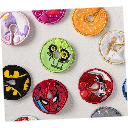
Unicorn also has some really fun G-tube button covers in different colours and designs. Sometimes he even matches them to his outfits!
They are another small part of what makes Unicorn unique.
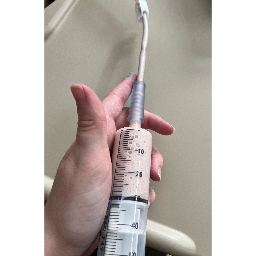
Unicorn cannot take his medication by mouth.
Instead, he receives his medicine through his G-tube using a medication line extension.
He also uses a suction pump, which helps clear his goobers.
Unicorn takes medication a few times each day.
It is just part of his routine and helps him stay healthy and strong.
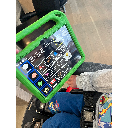
Unicorn communicates using AAC, which stands for Augmentative and Alternative Communication.
This device helps him share his thoughts, feelings, jokes, and stories with the people around him. He is still learning, and he is doing a wonderful job.
After his morning routine, Unicorn gets dressed and ready for school.
He also wears AFOs (Ankle Foot Orthoses).
These special braces help support his ankles and keep his feet in a strong and safe position.
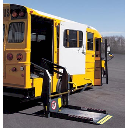
Unicorn rides an accessible yellow school bus to school.
The bus picks him up right in front of his house, so he can travel safely and comfortably.
At first, it was a big challenge for Unicorn’s parents to get the accessible bus arranged. They had to work hard to make sure he had the transportation he needed.
Even though it was a barrier at first, it was eventually sorted out. Now, Unicorn can ride the bus to school just like many other kids.
Why Did the Bus Take So Long? ■
Getting an accessible bus should be simple, but it took months. There were human errors, red tape, and gaps between different organizations about who was responsible for Unicorn's care during transport. Nobody was fully in charge, so things fell through the cracks.
(Unicorns Mom, personal communication, March 17, 2026)

When Unicorn arrives at school, his Educational Program Assistant (EPA) is there to greet him with a big
smile. His EPA helps him get settled, sets up his AAC device, and makes sure everything is ready for the day ahead.
Unicorn loves arriving at school. It means he gets to see his friends.
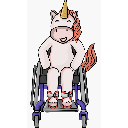
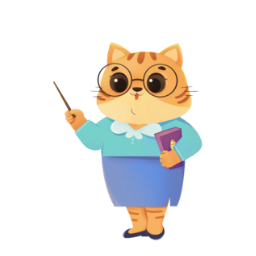
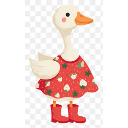
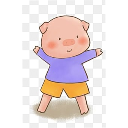
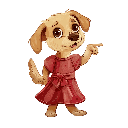
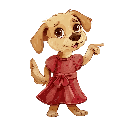
Unicorn has three really good friends at school, Doggy, Piggy, and Duckie.
At first, they weren't sure how to talk to him. They weren't sure what his chair was for. They didn't know what his AAC device did.
But they were curious. And being Curious is the first step to being a good friend.
Empathy Begins with Curiosity: Facts for Teachers
Empathy means trying to understand how someone else feels. Research shows that children begin developing empathy from a very young age, and even babies respond to others' emotions! When we take time to ask questions and truly listen, we start to understand each other better. (Davidov et al., 2025).

One day at recess, Duckie walked up to Unicorn and asked::
"What does your talker do?"
Unicorn smiled. He pressed a button on his AAC device.
"It helps me talk," said the device, in Unicorn's voice.
Duckie's eyes went wide. She had never heard of that before. She thought it was the coolest thing she had ever seen.
"Can I hear it again?"
Unicorn pressed the button again, and this time, he added a joke. The whole class laughed.
That was the day Duckie and Unicorn became best friends.


What This Moment Shows Us
Children don't always know how to approach a peer who seems different, but they don't need to have all the answers. They just need to be brave enough to ask a kind question. A simple "Can I learn about that?" or "What does your talker do?" can be the start of a beautiful friendship.
Doggy liked to talk fast. She always had so many ideas.
One afternoon, Unicorn was using his AAC device to answer a question in class.
It took a little time to find the right words.
Doggy started to jump in. She wanted to help.
But her teacher, Ms. Beara, gently shook her head.
"Give Unicorn time," she said softly.
A few seconds later, Unicorn's device spoke. His answer was thoughtful, funny, and exactly right. The class clapped.
Doggy learned something important that day:
Piggy was quiet and thoughtful. He liked to watch and think before he spoke.
One day, Piggy said to Doggy and Duckie.:
"I figured something out. Unicorn loves music, just like me. He feels sad when people are mean. Just. Like. Me."
Doggy and Duckie looked at each other.
"We already knew that."
said Duckie with a smile.
Children with Cerebral Palsy live full, meaningful lives. They have feelings, preferences,
humour, and friendships just like everyone else. Disability does not define a person
their personality, their joy, and their relationships do. The goal of this book is to show that
Unicorn belongs not despite who he is, but because of it.
- Full access to our public library
- Save favorite books
- Interact with authors
Special Thanks
To Unicorn's mom and her wonderful son! Thank you for letting me into your world, for your trust, and for your courage in sharing your story.
This book exists because of your advocacy and your love.
To every child who has ever felt left out: you belong. And to every adult who works alongside children with disabilities: the work you do matters more than you know.
Every child deserves to be seen, included, and celebrated.
- < BEGINNING
- END >
-
DOWNLOAD
-
LIKE
-
COMMENT()
-
SHARE
-
SAVE
-
BUY THIS BOOK
(from $5.39+) -
BUY THIS BOOK
(from $5.39+) - DOWNLOAD
- LIKE
- COMMENT ()
- SHARE
- SAVE
- Report
-
BUY
-
LIKE
-
COMMENT()
-
SHARE
- Excessive Violence
- Harassment
- Offensive Pictures
- Spelling & Grammar Errors
- Unfinished
- Other Problem




COMMENTS
Click 'X' to report any negative comments. Thanks!