 For Laverne University, EDUC 390 Science for Elementary Teachers
This book was created and published on StoryJumper™
©2014 StoryJumper, Inc. All rights reserved.
Publish your own children's book:
www.storyjumper.com

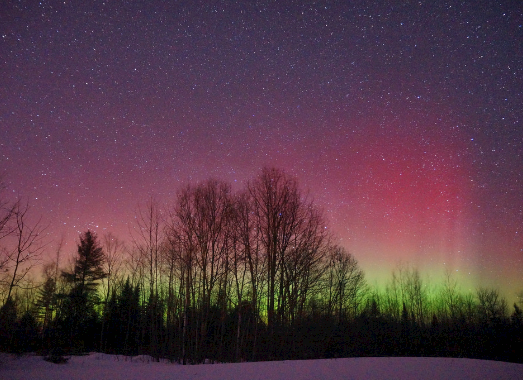
 Ais for aurora.
 An aurora is a heavenly body
which produces an abnormal
area of light in the atmosphere.
2
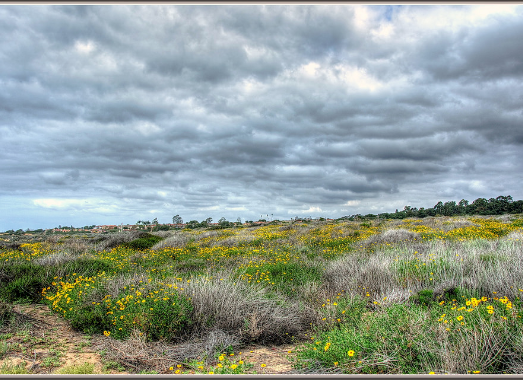
 Ais for acid rain.
 The rain is acidic because
smog accumulates from
the nitric acid produced from
cars and aggregates together to
form acid clouds.
3
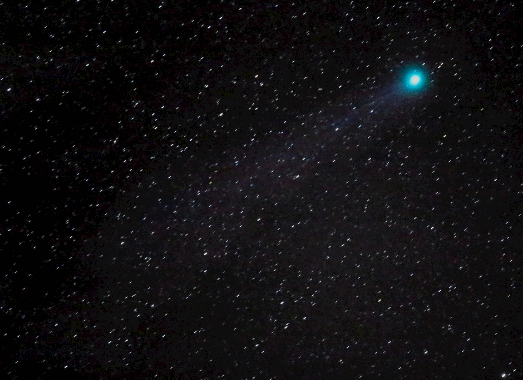
 Bis for big bang theory.
 The big bang is a theory by
astronomers and physicists that
the universe was created by an
explosion in space.
4
 Bis for biological.
 Biology has many different areas of
study. Bacteria is an example of
microbiology. Bacteria is a
single-celled microorganism.
5
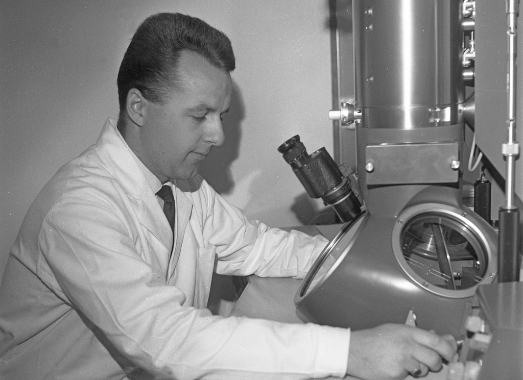 Cis for chemist.
Chemists study many types
of chemicals, including calcium,
calcium carbonate,
chlorofluorocarbon (CFC),
and carbon dioxide (CO2).
6
 Cis for continents.
Continents are the largest land
masses on Earth. Continental drift
describes the very slow movement
of the continents. Continental shelf
describes the upper part of the land,
and the continental slope describes
the bottom of the land the ocean.
7
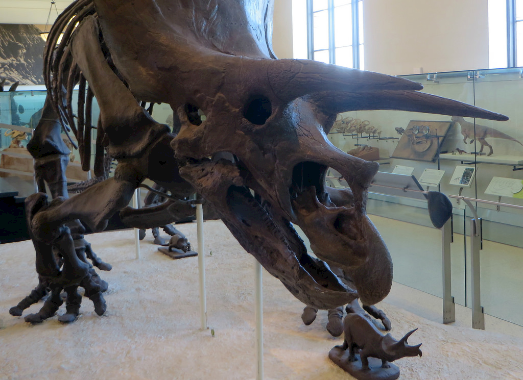
 Dis for dinosaur.
Dinosaur bones are discovered deep
in the Earth's crust where there is a
high density of rocks and minerals.
These bones were deposited there
millions of years ago and have
turned into fossils. Dinosaurs are
now extinct.
8
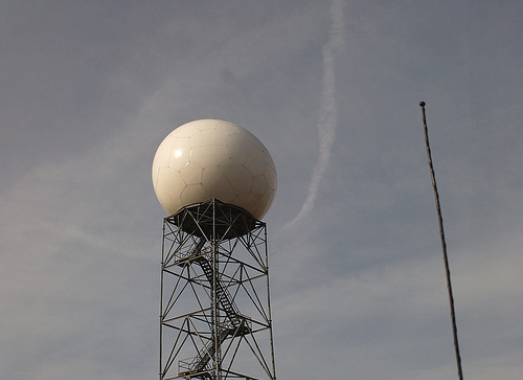 Dis for Doppler.
 Australian physicist discovered the
Doppler Effect, which is a wave's
frequency changes between
observer and the wave. A
meteorologist studies weather using
a Doppler RADAR. They can see
if a drizzle or a downpour is
occurring.
9
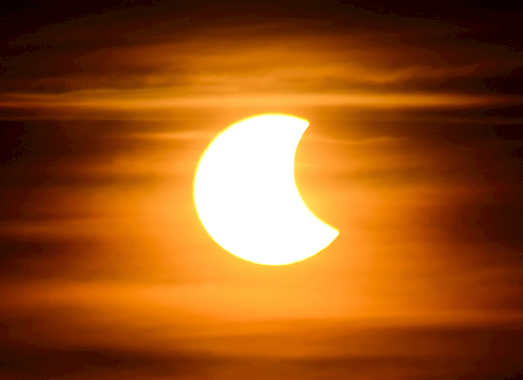
 Eis for eclipse.
 An solar eclipse is when the moon
is in front of the sun, changing the
electromagnetic radiation's
wavelength that our eyes can see.
The normal white color is now
orange because parts of the
electromagnetic waves are blocked.
10
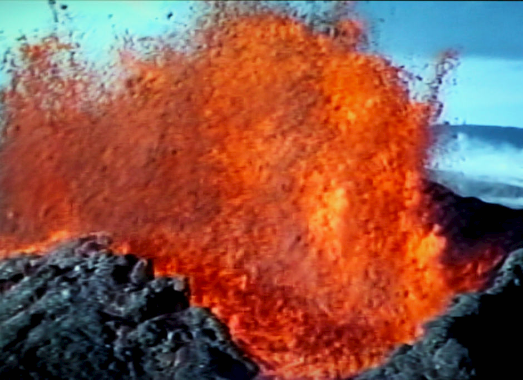 Eis for erupt.
Volcanoes erupt lava that is super-
heated minerals and rocks. The lava
cools and, over time, becomes land
for the Earth. This land is eroded
by rain and wind, shaping the land
as we see it over many years.
11
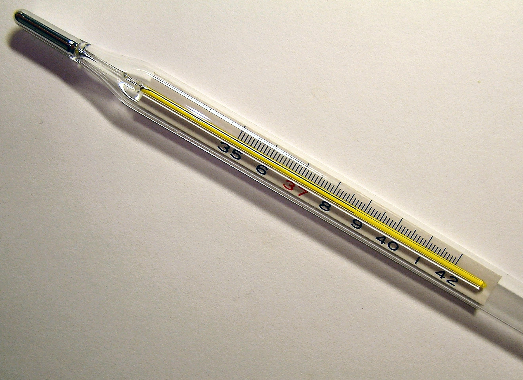
 Fis for Fahrenheit.
The temperature of water was
fine-tuned using liquid mercury in
a capillary tube. The boiling point
for water was defined at 212 degrees
Fahrenheit and the melting point for
water was defined as 32 degrees
Fahrenheit.
12
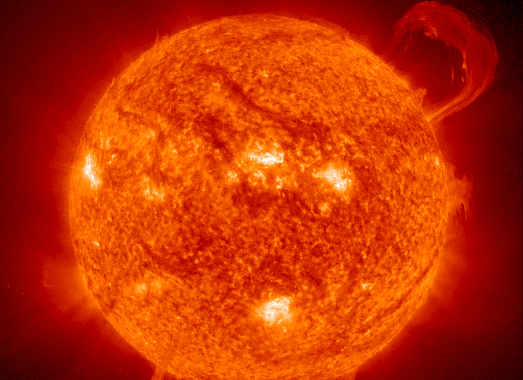 Fis for fusion.
The sun generates heat by fusing
together hydrogen isotopes, which
are fundamental particles in fusion.
Fusing hydrogen creates helium
particles, which then generates more
hydrogen for continuous burning.
13
 Gis for galaxy.
The Milky Way galaxy is where
the Earth lives. A galaxy contains
many stars and planets. A galaxy
contains many types of
electromagnetic radiation, including
gamma rays, X-rays, and more from
the star(s) in a galaxy.
14
 Gis for geology.
 Geologists study the Earth,
specifically rocks, minerals, and
how the Earth was formed. The time
that the Earth was formed before
human use is called geologic time.
Craters, caves, and canyons are
studied to determine how long it
took for water and air to erode them.
15
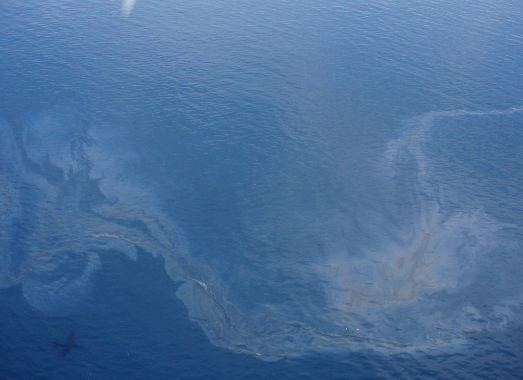 His for H2O.
 H2O is water. H stands for
hydrogen and there are two
hydrogens. O stands for oxygen and
there is one. Both are bonded
together. Water is polar and oil is
non-polar, which is why oil spills
are easy to see because they don't
mix.
16
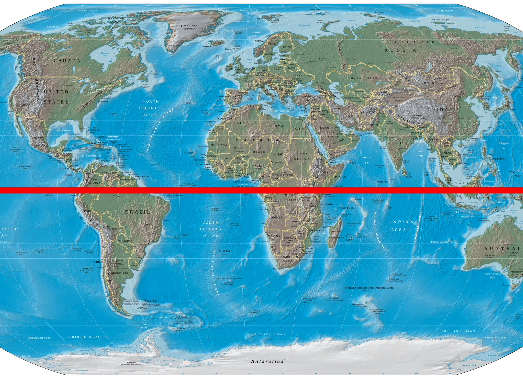 His for hemisphere.
The Earth is separated into
hemispheres, which means half of a
circle. The equator separates the
Earth into North and South. The
prime meridian into East and West.
17
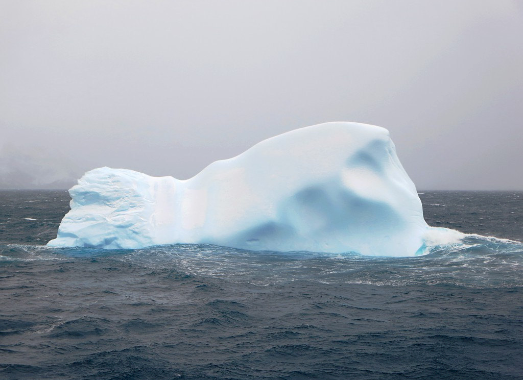
 Iis for iceberg.
The icebergs in the North and South
Poles are becoming smaller due to
global warming. This is destroying
the natural habitats for animals
like polar bears and penguins.
18
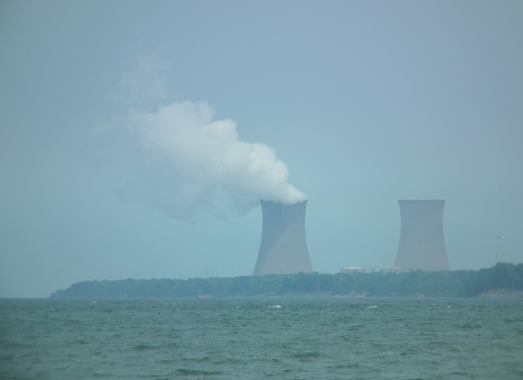 Iis isotope.
An isotope is an atom that has a
different number of neutrons in its
nucleus than another atom with the
same number of protons.
Isotopes are part of what generates
nuclear energy in power plants.
19
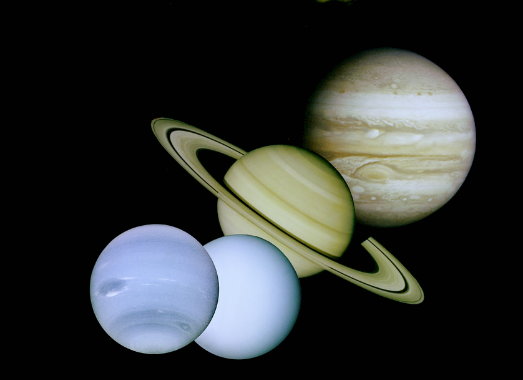
 Jis for Jupiter
 Jupiter is the largest planet in our
solar system and 5th away from
the Sun. The astronomer who first
stated laws of planetary motion for
planets, like Jupiter, was
Johannes Kepler.
20
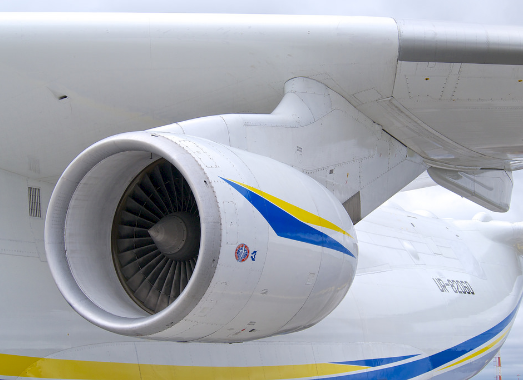 Jis for jet.
 A jet is a quickly moving stream of
matter, usually air or water. A jet
engine on a plane moves a lot of
air through it. The jet stream is a
high-speed airstream blowing from
West to East near the top of the
troposphere.
21
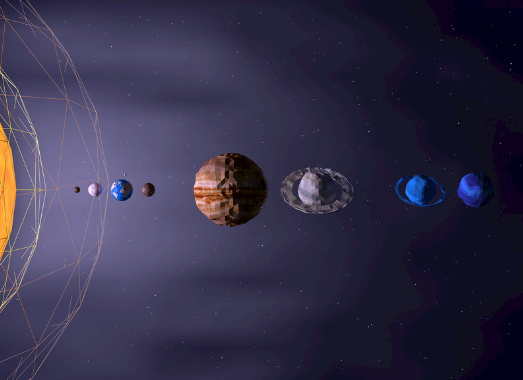
 Kis for Kepler.
Kepler's first law of planetary
motion is the law of ellipses. Kepler's
second law describes the speed at
which any given planet will move
while orbiting the sun. Kepler's
third law compares the orbital
period and radius of orbit of a
planet to those of other planets.
22
 Kis for Kelvin.
First Baron Kelvin invented the
Kelvin scale of temperature. This
measure of temperature is required
when measuring gasses and their
properties of pressure, volume, etc.,
such as in a hot air balloon.
23
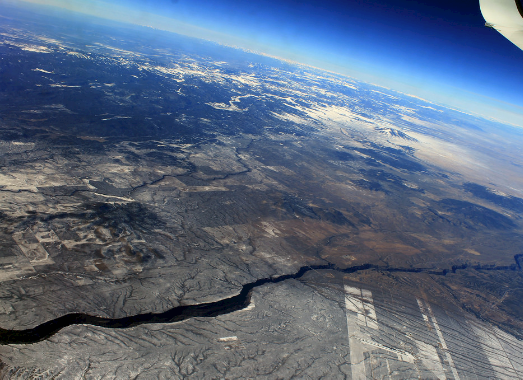
 Lis for lithosphere.
"Litho" is from the Greek word
lithos, meaning stone. "Sphere"
is from the Greek word sphaira,
meaning globe or ball. The
lithosphere includes the crust and
outer mantle of the Earth.
24
 Lis for light year.
A light year is the distance a
particle of light can travel in a year
in a vacuum in a straight line.
Contrary to the movies, the leading
technology in the world is not
at the level of being able to move
that fast or that far.
25

 Mis for magnetism.
Magnets are when the electrons
spin in the same direction causing
the magnetic fields to no longer
be canceled out when the spins
oppose one another.
26
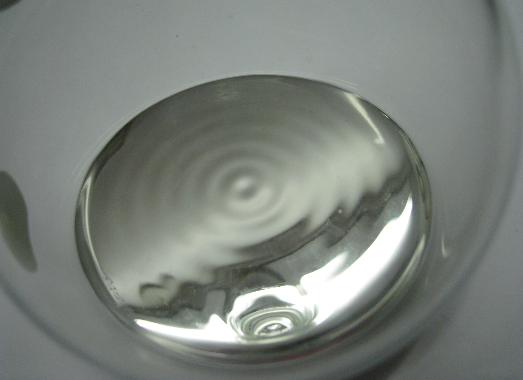 Mis for mercury.
Mercury is the only naturally
occurring metal that is liquid at
room temperature. It can also be
a divalent molecule. Mercury is
quite dangerous to breathe - it's
what made the Mad Hatter go
mad!
27
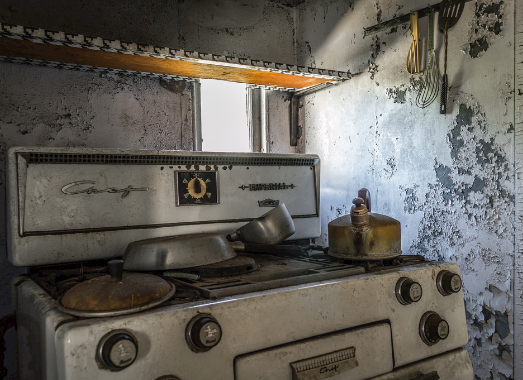 Nis for natural gas.
Natural gas is methane. The most
prevalent location to mine for
natural gas is from Qatar in Asia.
Natural gas is used for your
stoves, hot water tanks, and even
buses!
28
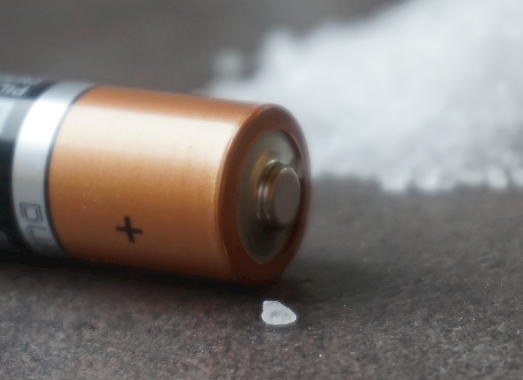 Nis for negative.
The term negative is the opposite of
positive. The symbol for negative
is the minus sign (-). Negative is
for negative charges, which applies
to the charge on electrons.
29
 Ois for ocean floor.
 The ocean floor is 200 meters (2
football fields) below the ocean's
surface! There is very little to no
light that reaches the floor from
the sun. This has also been called
by pirates "Davy Jones's Locker."
30
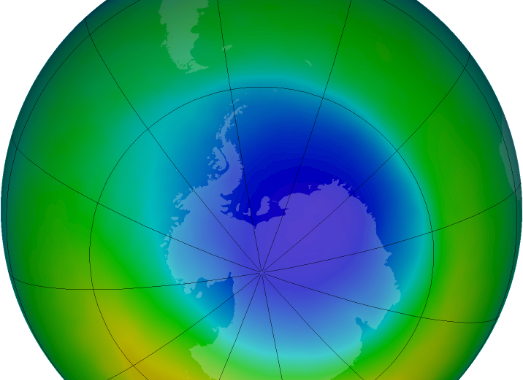 Ois for ozone.
Ozone is a molecule that has 3
oxygen atoms covalently bonded
together. The ozone layer in the
stratosphere blocks much of the
ultraviolet radiation from the Sun.
An ozone hole has formed due to
chlorofluorocarbons (CFCs).
31
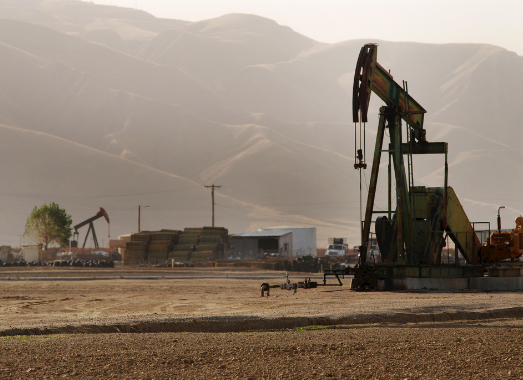 Pis for petroleum.
Petroleum is oil - crude oil that has
been freshly mined and not
separated into gasoline and other
hydrocarbons. Petroleum is a
fossil fuel because it comes from
the bones of animals that died
a long time ago deep in the Earth.
32
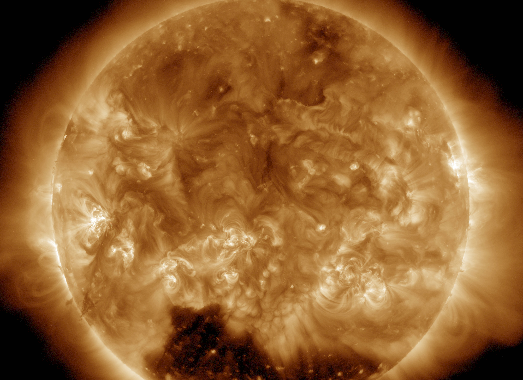 Pis for photosphere.
Photosphere is the intensely
luminous surface of a star. The Sun
is a star. The light we see when the
Sun is in the sky is from the
photosphere.
33
 Qis for quasar.
A quasar is a like a star in space
that may emit energy, light, and
radio waves.
It is a lot like our Sun, but
much smaller.
34
You've previewed 34 of 52 pages.
To read more:
Click Sign Up (Free)Benefits:
- Full access to our public library
- Save favorite books
- Interact with authors
35

READ

- < BEGINNING
- END >
-
DOWNLOAD
-
LIKE(1)
-
COMMENT()
-
SHARE
-
SAVE
BUY THIS BOOK (from $10.39+)
-
BUY THIS BOOK
(from $10.39+) -
BUY THIS BOOK
(from $10.39+) - DOWNLOAD
- LIKE (1)
- COMMENT ()
- SHARE
- SAVE
- Report
Liked By
X
Encourage this author
-
BUY
-
LIKE(1)
-
COMMENT()
-
SHARE
Problem with this book
X
- Excessive Violence
- Harassment
- Offensive Pictures
- Spelling & Grammar Errors
- Unfinished
- Other Problem
Which pages have problems?
Please describe the problem:
left text
right text
"Earth Science Alphabet"
This is an educational book that uses the alphabet to introduce scientific concepts and terms, from A for Aurora to Z for Zone. Each letter has two corresponding entries.
(53 pages)
Privacy level:
PUBLIC
124 reads
1 fan
Report





COMMENTS
Click 'X' to report any negative comments. Thanks!