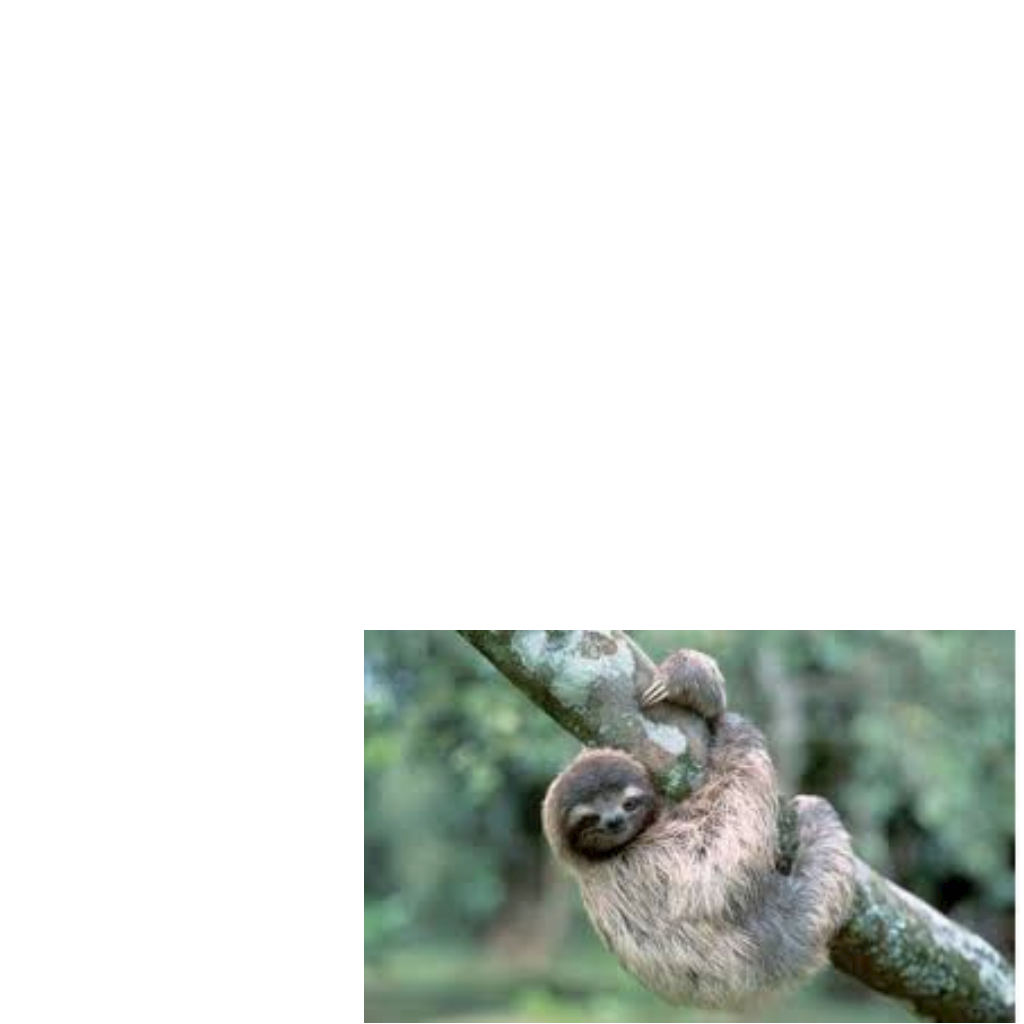

Table of Contents
Introduction - - - - - - - - - - - - - - - - - - - - - - - - - - pg 4
Habitat - - - - - - - - - - - - - - - - - - - - - - - - - - - - - - pg 6
Where do they live
What does their home look like
How to fix forest gaps
Diet - - - - - - - - - - - - - - - - - - - - - - - - - - - - - - - - pg 12
What do they eat
Where do they get their food
Anatomy - - - - - - - - - - - - - - - - - - - - - - - - - - - - pg 16
What's on the inside
how the digestive system works
What's on the outside
Conclusion - - - - - - - - - - - - - - - - - - - - - - - - - -pg 21

Introduction
Did you know sloths are the slowest mammals on the planet, with a top speed of 1.5 miles per hour. These interesting animals have kept scientists wondering for centuries.
As we explore the world of sloths, we will learn how their habitat, diet, and anatomy have made them the slowest sprinters in nature.

Habitat
A sloth prefers undisturbed primary and secondary rainforests, mostly close to Brazil, to call their home. However, one of the biggest problems sloths are facing today is habitat loss, due to genetic diversity, which generally determines a species' survival,
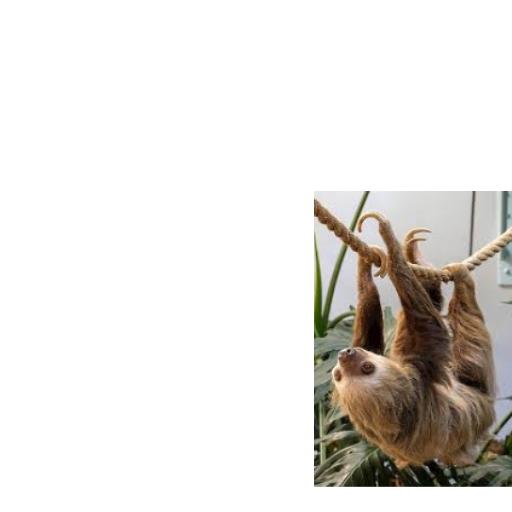
Where do they live?
Most sloths live in and around Brazil.
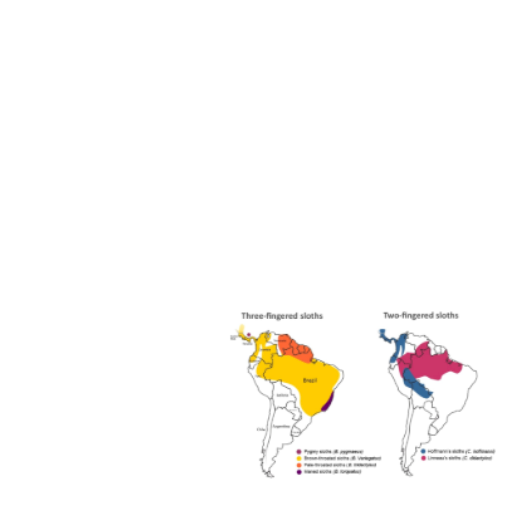
What does their home look like?
As the Sloth Conservation Foundation states, sloths are unable to cross forest gaps to breed. Sloths require warm, humid rainforest. To thrive, they need to be able to travel and cross the forest to breed with other sloths. This is almost impossible to do when there are large gaps in the forest.
Fun Fact!
Sloths are much faster in water than on land.
As urban development expands and moves toward its desired habitat, trees are being cut down, forcing sloths to move to a different area. Maria Nila states that sloths are forced to travel on the ground or use powerlines because of the trees being cut down.
This decreases the sloth numbers rapidly. To resolve this, we as humans need to protect and restore the sloth's habitat.
How to fix forest gaps
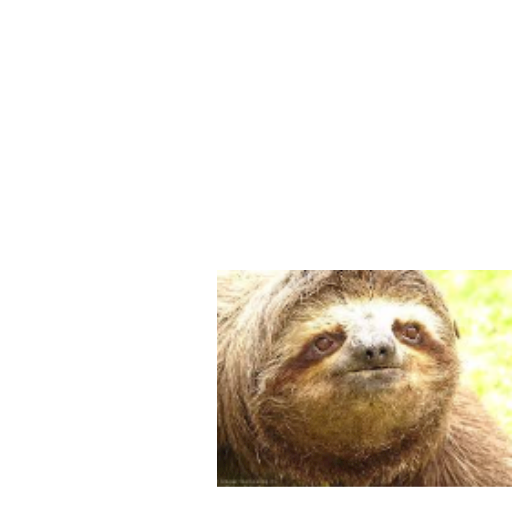
We need to plant trees, build wildlife bridges, and make sure to cause minimal damage to animals. Making wildlife bridges will help the sloths get past large forest gaps caused by deforestation.
With a sloth's habitat comes a unique diet of all kinds of leaves; they eat whatever they can get their hands on.
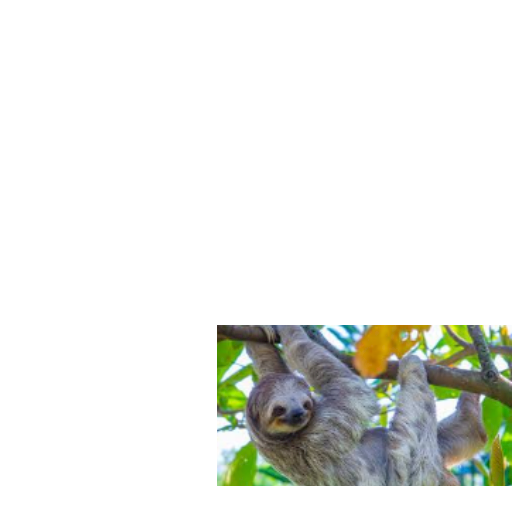
Fun Fact!
It takes sloths up to a month to digest a single leaf
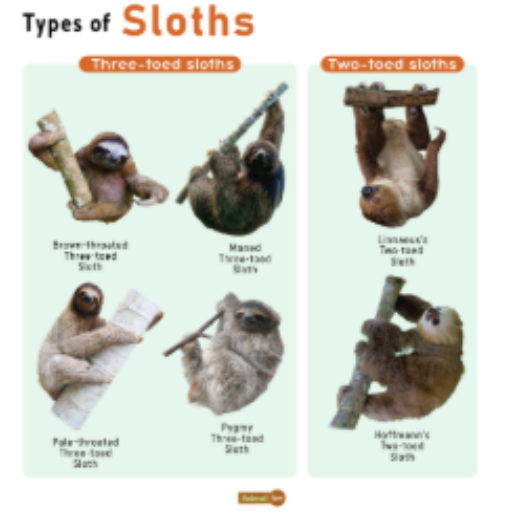
There are many different types of sloth. They all look similar, but have different characteristics.
Diet
Sloths have a very unique diet the consist of different kinds of leaves from all kinds of trees. Sloths have a low-energy leaf-based diet.
What do they eat?
Top Ten Facts About Sloths states that sloths are primarily folivores, feeding mostly on leaves, fruits, and sap of multiple trees. Sloths eat about 37% of their own body mass until they are full.
Sloths eat very little each day because their digestion takes a long time to complete its cycle. Sloths have adapted to a slow-paced lifestyle to use the least energy possible.
Where do they get their food?
The Animal Corner states that the vast majority of a sloth's diet consists of buds, tender shoots, and leaves. Sloths eat mostly cecropia leaves.
Sloths are known to eat mostly cecropia leaves because they were spotted in the cecropia trees. They live in many other trees, too, but are not spotted there as easily.
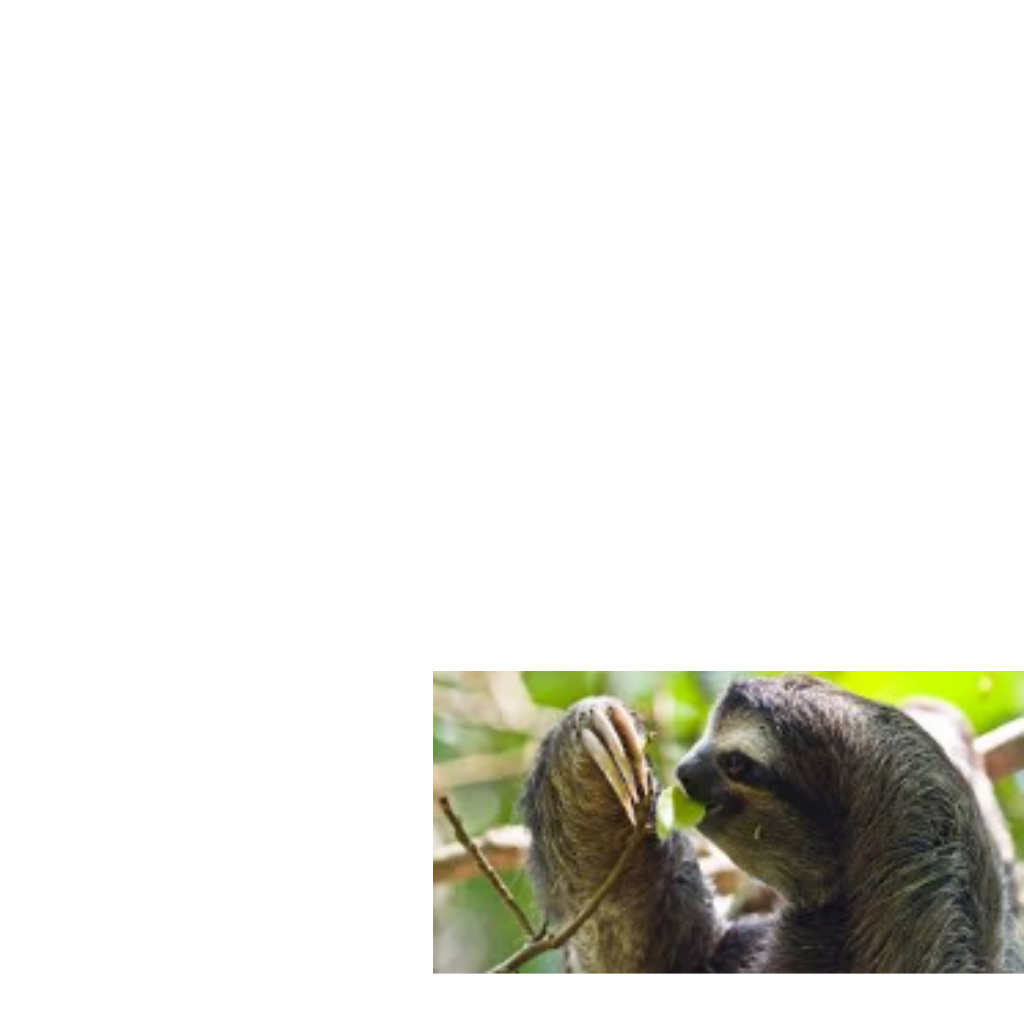
Sloths have a very unique digestive system due to their leafy diet.
Anatomy
Discovering and learning about the sloth's anatomy allows for a better understanding of how their slow-paced lifestyle helps them thrive and maintain their healthy lifestyle.
What's on the inside?
Sloth's anatomy is very different from that of any other animal, or even humans. The Sloth Conservation Foundation states that the sloth's esophagus has a loop in it instead of a straight pathway from the mouth to the stomach.
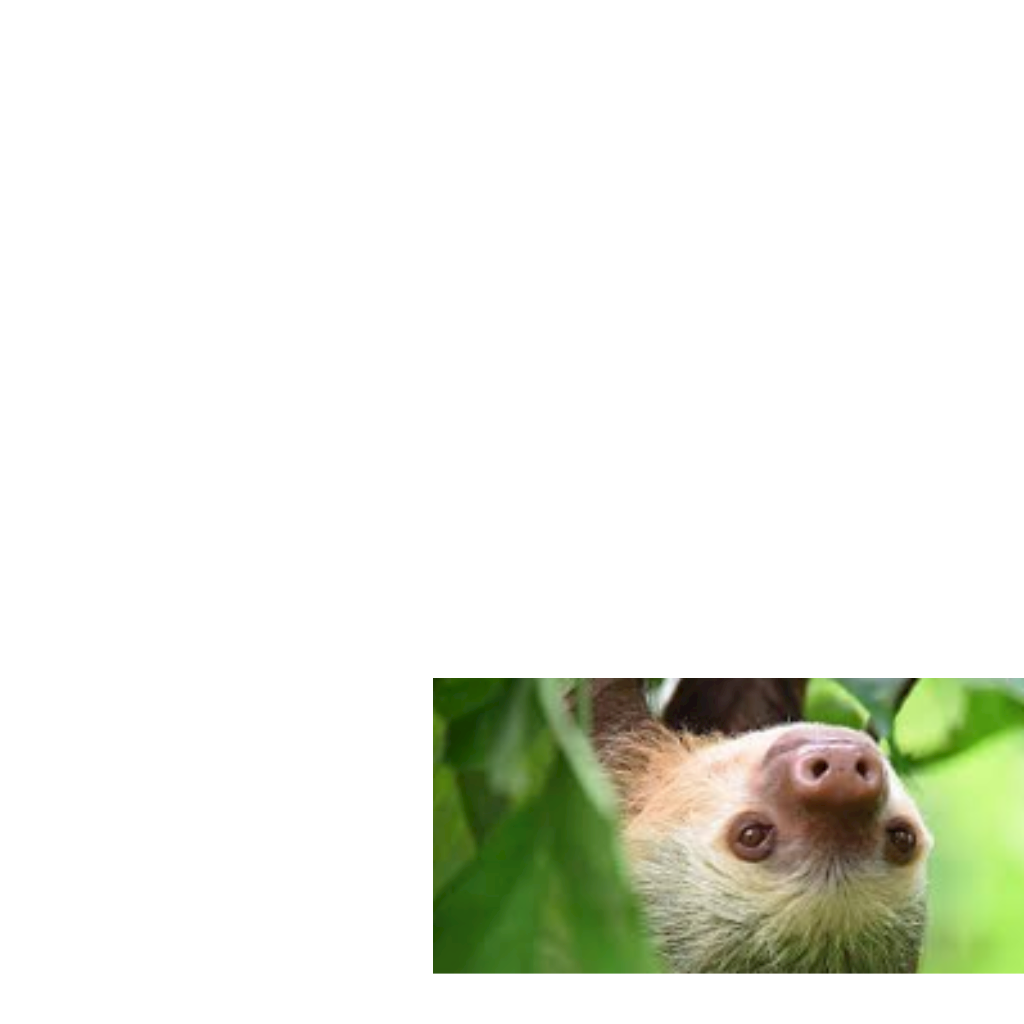
The sloth needs the loop in the esophagus to keep the food in the sloth's stomach when the sloth is hanging upside down in trees.
- Full access to our public library
- Save favorite books
- Interact with authors
- < BEGINNING
- END >
-
DOWNLOAD
-
LIKE
-
COMMENT()
-
SHARE
-
SAVE
-
BUY THIS BOOK
(from $5.19+) -
BUY THIS BOOK
(from $5.19+) - DOWNLOAD
- LIKE
- COMMENT ()
- SHARE
- SAVE
- Report
-
BUY
-
LIKE
-
COMMENT()
-
SHARE
- Excessive Violence
- Harassment
- Offensive Pictures
- Spelling & Grammar Errors
- Unfinished
- Other Problem





COMMENTS
Click 'X' to report any negative comments. Thanks!