The Industrial Revolution marks a major turning point in history; almost every aspect of daily life was influenced in some way. In particular, average income and population began to exhibit unprecedented sustained growth.

Created & published on StoryJumper™ ©2026 StoryJumper, Inc.
All rights reserved. Sources: storyjumper.com/attribution
Preview audio:
storyj.mp/abyb6seyxj9q
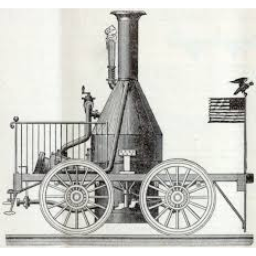
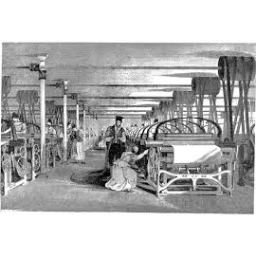
The Industrial Revolution was the transition to new manufacturing processes in the period from about 1760 to sometime between 1820 and 1840., which included going from hand production methods to machines, new chemical manufacturing and iron production processes, improved efficiency of water power, the increasing use of steam power, the development of machine tools and the rise of the factory system. Textiles were the dominant industry of the Industrial Revolution in terms of employment,and also the first to use modern production methods.
THE INDUSTRIAL REVOLUTION
2
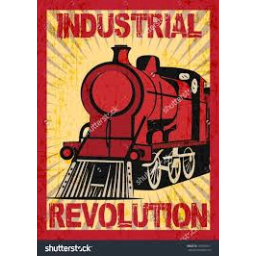
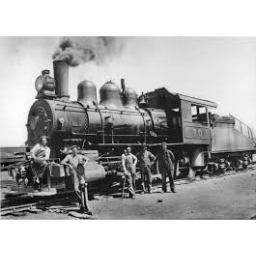
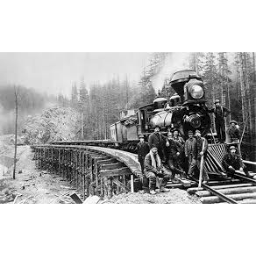
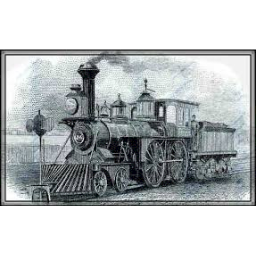
3
4
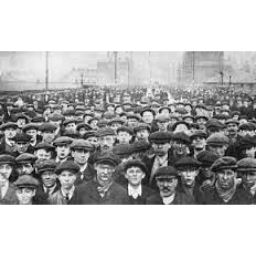
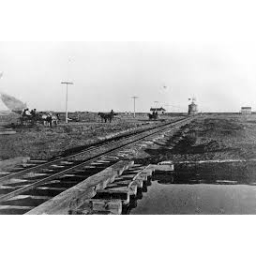
The Industrial Revolution began in the United Kingdom and most of the important technological innovations were British. Mechanized textile production spread to continental Europe in the early 19th century, with important centers in France.Economic historians are in agreement that the onset of the Industrial Revolution is the most important event in the history of humanity since the domestication of animals and plants.
5
CHANGING ROLES OF FAMILY AND WOMEN
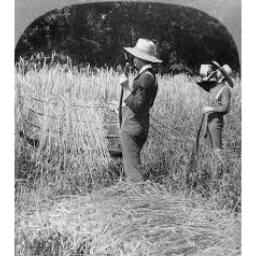
Before the revolution, most people lived in the countryside or in villages, where they primarily farmed or were craftsmen. Most families would make money through trading in markets, and would grow their own food. There was no machinery, and the people tended to use their hands, tools, and animals. But as the Industrial Revolution progressed, roles in families began altering, working conditions changed, and different types of settlements emerged.
6



7
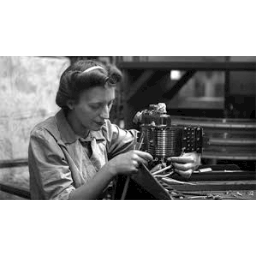
Women were usually housewives,doing the cottage industry, and worked at home, spinning, weaving, and cooking. However, as factories began developing, a need for unskilled labor arose. All factory owners wanted were people with brains and hands, and there were many others who could take the job. Men saw the opportunity of gaining more money, so they too set to work in the factories. Women were equally useful, and factory owners soon started hiring women and children over men. As the Industrial Revolution progressed, men lost the role of being the family’s primary wage earners, and soon became the ones doing household chores.
8
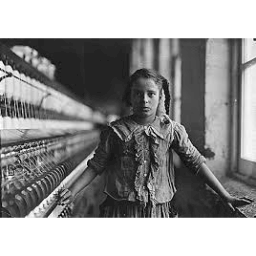
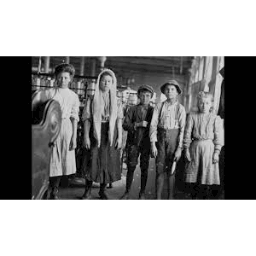
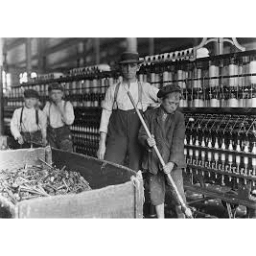
Working conditions during the Industrial Revolution were absolutely terrible. Workers, usually women or children, were forced to work for 12-18 hours a day, generally with a one-hour break only, and were beaten if they protested. Inspectors would often compare the productivity of the workers, and would beat and injure the slowest ones. The working conditions had deteriorating effects on the workers, and many were permanently disabled for life. Some went insane and many died from the stress or the beating. Factories also had extremely strict regulations, and workers could not socialize, sing, or even bring in possessions like watches into the factories.
9
FAMOUS INVENTORS AND SCIENTISTS
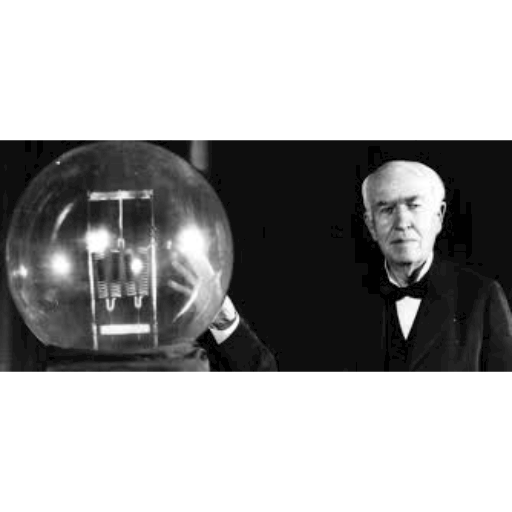
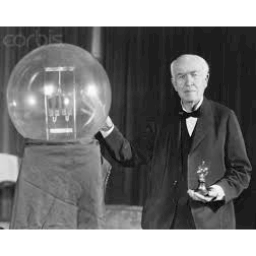
THOMAS EDISON:
Edison is best known for his invention of the incandescent light bulb.
Other inventions of Edison include:
-phonograph cylinder
-carbon microphone
-movie camera
-electric power distribution
-phonograph
-mimeograph
10
MARIE CURIE
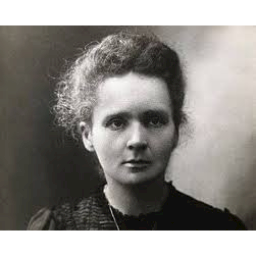
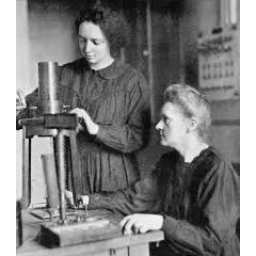
Marie Curie is remembered for her work in radioactivity, the discovery of radium and polonium, and her huge contribution to the fight against cancer.
11
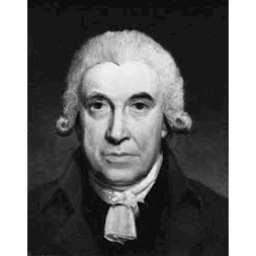
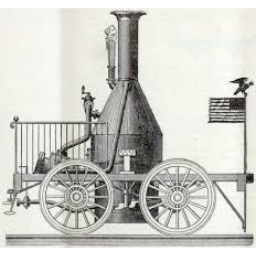
JAMES WATT
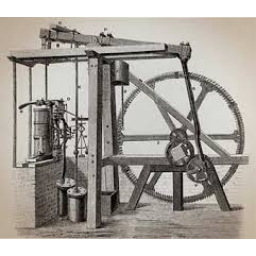
James Watt is chiefly known for inventing different types of steam engine that helped start the Industrial Revolution. Examples of some of his other inventions are:
- Flexible water main
- Letter-copying press – an early kind of photocopier
- Machine for copying sculpture
- 'Micrometer' for measuring distances
12
ELI WHITNEY
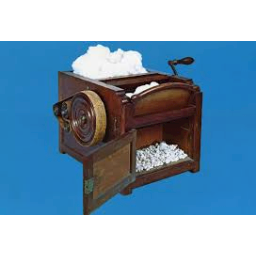
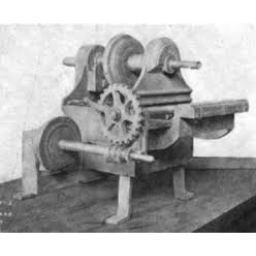
Eli Whitney was a famous American inventor. He is most remembered for inventing the cotton gin, a machine that separates cotton seeds from cotton fiber.. He was also a leading pioneer of interchangeable parts and has been credited with inventing the milling machine, although this is a matter of debate among historians. Whitney's inventions and contributions played an important role in the American Industrial Revolution.
13
LOUIS PASTEUR
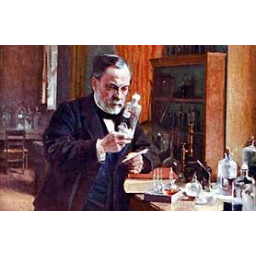
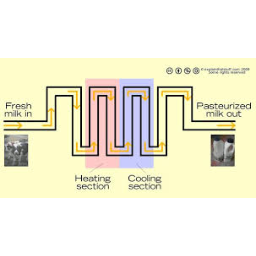
Each discovery in the body of Pasteur's work represents a link in an uninterrupted chain, beginning with molecular asymmetry and ending with his rabies prophylaxis, by way of his research in fermentation, silkworm, wine and beer diseases, asepsis and vaccines.
14
ALBERT EINSTEIN
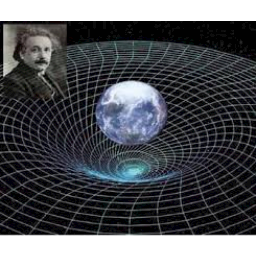

Einstein's early work on the theory of relativity (1905).He then began work on his unified field theory, which attempts to explain gravitation, electromagnetism, and subatomic phenomena in one set of laws; the successful development of such a unified theory, however, eluded Einstein.
In addition to the theory of relativity, Einstein is also known for his contributions to the development of the quantum theory.
15
CHANGING ROLES OF CHILDREN
Children used to work with their parents in farms. After the Industrial Revolution, they had to labor in factories to gain money in the city. Children were easy to manipulate, easy to train, and didn’t argue or rebel against unfair conditions or low wages. They had small hands, and could reach inside machinery in the case of obstructions. Children were often kidnapped or manipulated into working in factories, where they were beaten and whipped with straps to maintain work speed.Later, laws made to protect children were passed in Parliament in London.
16
17
Benefits:
- Full access to our public library
- Save favorite books
- Interact with authors
READ
The Industrial Revolution brought about many changes in lifestyle. It drastically changed the roles of family members. It unfortunately led to a decrease in working conditions and led to the rise of company towns. However, it also created labor unions and many laws were made to protect workers during the Revolution. It was a very important part of our history, and has impacted our lifestyle today in many ways.
storyjumper.com
- < BEGINNING
- END >
-
DOWNLOAD
-
LIKE(1)
-
COMMENT()
-
SHARE
-
SAVE
BUY THIS BOOK (from $5.19+)
-
BUY THIS BOOK
(from $5.19+) -
BUY THIS BOOK
(from $5.19+) - DOWNLOAD
- LIKE (1)
- COMMENT ()
- SHARE
- SAVE
- Report
Liked By
X
Encourage this author
-
BUY
-
LIKE(1)
-
COMMENT()
-
SHARE
Problem with this book
X
- Excessive Violence
- Harassment
- Offensive Pictures
- Spelling & Grammar Errors
- Unfinished
- Other Problem
Which pages have problems?
Please describe the problem:
left text
right text
"THE INDUSTRIAL REVOLUTION"
The story provides an overview of the Industrial Revolution, including its impact on society, famous inventors, changing roles of family and children, the factory system, advances in transportation, urbanization, and free enterprise.
(27 pages)
Privacy level:
PUBLIC
23 reads
1 fan
Report





COMMENTS
Click 'X' to report any negative comments. Thanks!