To Mrs. Hills Kindergarten class.

Created & published on StoryJumper™ ©2026 StoryJumper, Inc.
All rights reserved. Sources: storyjumper.com/attribution
Preview audio:
storyj.mp/agh2vwme6etb
Table Of contents
Kangaroos.............. PG. 3 - 7
Koalas..................... PG. 8 - 12
Platypus................. PG. 13 - 17
Numbat................. PG. 18 - 22
Parrot.................... PG. 23 - 27
Blue Angelfish...... PG. 28 - 32
2
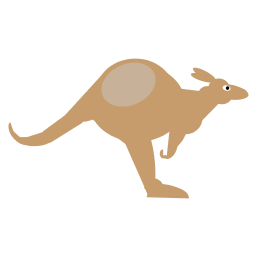
Kangaroos Body!
Kangaroos are mammals. Some are only 21 inches (53 centimeters) tall.
Large kangaroos can be 6.5 feet (2 meters) tall.
3
Kangaroos Habitat!
Kangaroos live in Australia and Papua New Guinea.
Some live in hot deserts or dry grasslands.
Others live in forests.
Kangaroos often.
4
Kangaroos Food!
Kangaroos are nocturnal.
Every night, they feed on plants and grass.
Kangaroos need only a little water too.


5
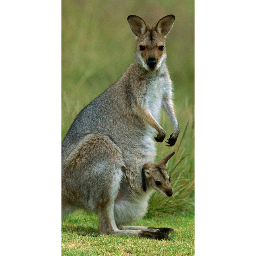
Kangaroos Life Cycle!
A newborn kangaroo, or pouch young, lives in its mother’s pouch. In about six months, it is called a Joey.
When it leaves the pouch, it's a young at foot It soon becomes an adult.
6
Kangaroo Fun Facts
Most kangaroos live for 6 to 8 years. Some kangaroos can hop 30 miles (48kilometers) per hour.. Kangaroos Can't walk backwards.
7
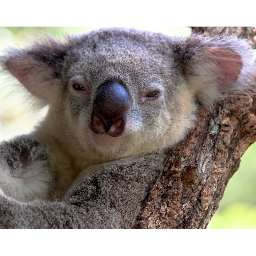
Koalas Body!
Koalas are marsupials with thick, fuzzy gray fur. They are about 3 feet (9 meters) long. They weigh from
14 to 20 pounds 6.4 to 9.1 Kilograms.
8
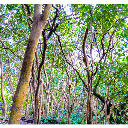
Koalas Habitat!
Koalas live only inAustralia.
They use their strong arms
to climb eucalyptus trees.
Each hand has two thumbs
to grip branches tightly Koalas spend most of their lives in trees.
9
Koalas Food!
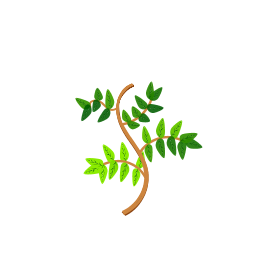
Every night, koalas eat
for about 4 hours.
They munch the juicy leaves
of eucalyptus trees.
Koalas also get water by eating leaves.

10
Koalas Life Cycle!
Female koalas have pouches on their stomachs.
Their newborn babies stay
in the pouch for6 months. Adult koalas live alone. Koalas usually live 13 to 18 years.
11
Koalas Fun Facts!
The word koala means
"does not drink."
Koalas sleep 18 hours every day. Koalas move very slowly. A newborn koala is the size of a jellybean.

12
Platypuses Body!
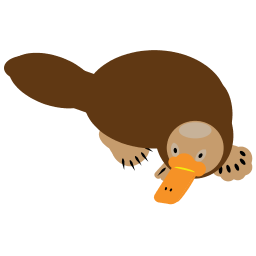
A platypus is a marsupial with a furry body and a bill.
Platypuses area bout 1.5 feet ( .5 meter) long. Webbed feet and a big flat tail help them swim.
13
Platypuses Habitat!
Platypuses live near rivers
And streams in Australia.
They use their claws to dig burrows near the water.
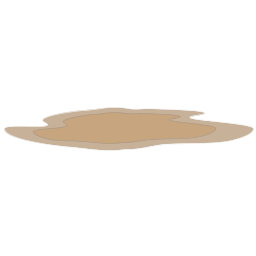
Platypuses build a muddy slide between their burrow and the water.
14
Platypuses Food!
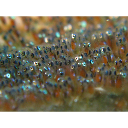
A platypus hunts insects, Worms, and fish eggs hidden underwater in the mud. The platypus’s bill has
electroreceptors For food that they can not see.

15
Platypuses Life Cycle!
Platypuses lay one or two
eggs deep in a burrow.
The female curls up around her eggs until they hatch. After four months, the young can live on their own. platypuses live 15 years.
16
Platypus Fun Facts!
Platypuses do not have
teeth. They chew gravel
to break down their food. platypuses have spurs on their back legs there is only one other mammal that lays eggs.
17
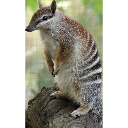
Numbats Body!
numbats are small carnivorous marsupial It is a specialised termite-eater and is easily recognised by its slender, graceful body and short, stiff hair which is reddish-brown with black and white stripes across its back and rump. This marsupial has a long, hairy tail, which is often erected to give a bottle-brush appearance.
18
Numbats Habitat!
Eucalyptus forest and woodland, in areas particularly dominated by wandoo (Eucalyptus wandoo) or jarrah (Eucalyptus marginata) trees, though it was previously also found in areas of mulga.

19
Numbats Food!
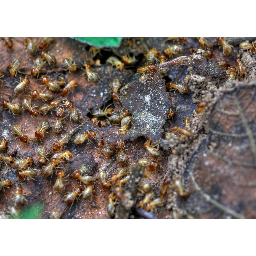
Numbats have strong front claws and long tongues which they use to get termites out of their nests. The numbat is an omnivorous animal but it's diet primarily consists of termites and occasionally ants and other small insects. An adult numbat can eat more than 20,000 termites in just one day.
20
Numbats Life Cycle!
The newborn Numbats are 2 cm in size, hairless and blind. They develop their first patch of hair when they have grown about 3 cm in size. They feed on their mothers’ milk till the age of 6 months. The mother Numbats leave the young ones after 6 months and go out in search of food. The mothers return in the burrows to the nascent born one during nights to feed them. When the kids are about 7 months of age the mothers start carrying them on the back.
21
Benefits:
- Full access to our public library
- Save favorite books
- Interact with authors
READ
storyjumper.com
- < BEGINNING
- END >
-
DOWNLOAD
-
LIKE(5)
-
COMMENT()
-
SHARE
-
SAVE
BUY THIS BOOK (from $6.39+)
-
BUY THIS BOOK
(from $6.39+) -
BUY THIS BOOK
(from $6.39+) - DOWNLOAD
- LIKE (5)
- COMMENT ()
- SHARE
- SAVE
- REMIX
- Report
Liked By
X
Encourage this author
-
BUY
-
LIKE(5)
-
COMMENT()
-
SHARE
Problem with this book
X
- Excessive Violence
- Harassment
- Offensive Pictures
- Spelling & Grammar Errors
- Unfinished
- Other Problem
Which pages have problems?
Please describe the problem:
left text
right text
"Australian Animals"
An informative book about Australian animals, including kangaroos, koalas, platypuses, numbats, parrots, and blue angelfish.
(33 pages)
Privacy level:
PUBLIC
336 reads
5 fans
Report





COMMENTS
Click 'X' to report any negative comments. Thanks!