Dedicated To:
Mrs.Spears Science Class
2nd Period

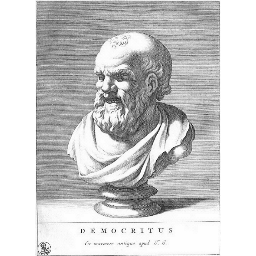
Democritus: 400 BC
Democritus was the first scientist to majorly contribute to atomic theory.
His Theory Was-
- -all reality is made of particles in space
- -atoms have motion
- -atoms are indivisible
- -things differ because of atoms
- -atoms make life predictable

Indivisible Sphere
Atomic Structure
Democritus thought that if you break things into smaller and smaller pieces that you would get to a point where the thing would not be able to be broken down any more. To test his idea he took a simple seashell and broke it in half over and over and over again until he was left with a very fine powder. He then tried to break the smallest piece from the powder in half once more but couldn't.
Democritus: Experiment
Experiment Illustration

Broken Up Seashell
Conclusion
Democritus concluded that you will reach an object that is not able to be broken down to smaller pieces, these objects he called atomos (atoms)
Problems With Model
- -no protons
- -no neutrons
- -no electrons
- -no nucleus
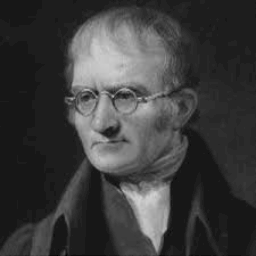
Dalton: 1803
Dalton was the second main contributor to atomic structure after Domocritus's theory went almost 2,000 years untouched.
His Theory was:
-all matter is composed of atoms
-atoms are indivisible
-the atoms of an element are identical
-atoms combine to form "compounds"
Atomic Structure
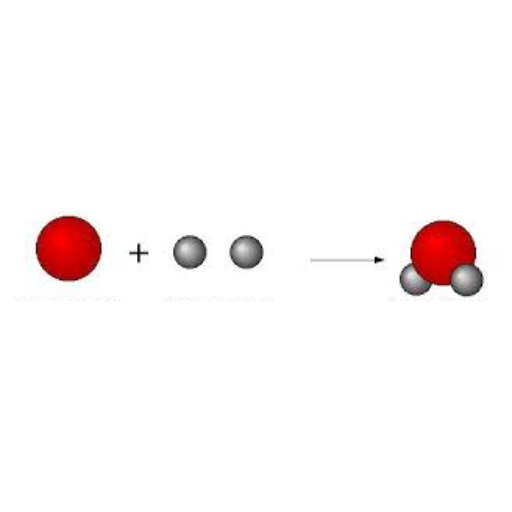
"Billiard Ball Model"
indivisible spheres (one for each element)
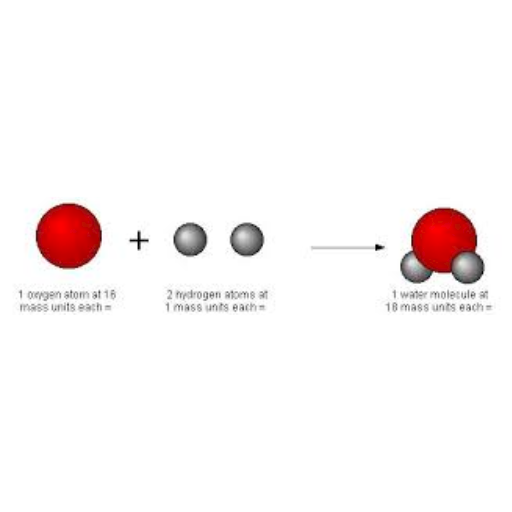
Dalton: Experiment
Dalton was looking for why water absorbed more of certain gases over others. He tested this by trying to dissolve different gases in water, and looked for which gases were absorbed by water the best.
Experiment Illustration

Fish Tank with Bubbles
Conclusion
Dalton found that the water is made of tiny particles which allow the tiny particles of gases to fit between
Problems with Model
- -no protons
- -no neutrons
- -no electrons
- -no nucleus
Thomson: 1904
Thomson was the third main contributor to atomic theory.
His Theory Was:
-the atom was not indivisible
-like a jigsaw puzzle made of small pieces
-atoms carry a negative charge
-the positively charged fluid held the electrons in the atom with electrical forces
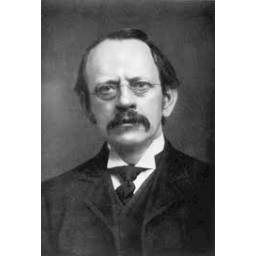
Atomic Structure
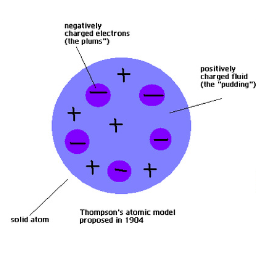
"Plum Pudding Model"
Thomson: Experiment
Thomson measured how much heat the rays generated,and how much they could be bent by magnets and other things, to estimate the mass of the rays.
Experiment Illustration
Cathode Ray Tube
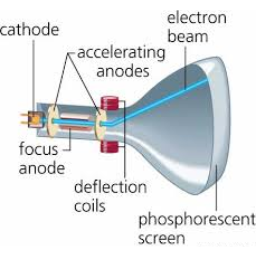
Conclusion
Thomson concluded that the cathode rays weren't rays at all, but were very light and very small negatively charged particles that he called corpuscles. We now call these electrons.
Problems With Model
-no nucleus
-failed to recognize the positive charges as particles
Rutherford: 1911
Rutherford was another one of the major contributors to atomic structure.
His Theory Was:
-atoms are mostly empty space
-dense center consisted of positive charges
-electrical forces keep the electrons in orbit
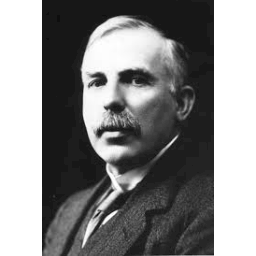
Atomic Structure
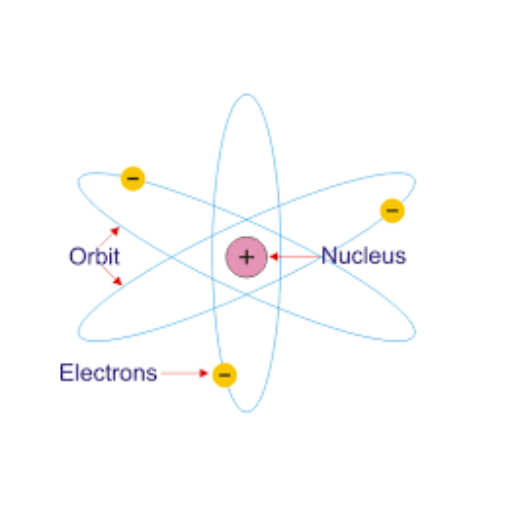
"The Planetary Model"
Rutherford: Experiment
Rutherford designed his experiment using a thin sheet of gold foil and a screen. He shined alpha particles on to the gold foil, expecting them to fly right through. Many of them did, but some of them were deflected straight backwards or at large angles.
Experiment Illustration
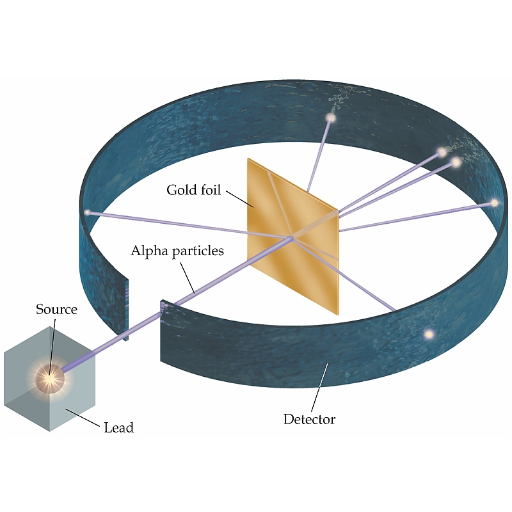
Gold Foil Experiment
- Full access to our public library
- Save favorite books
- Interact with authors
- < BEGINNING
- END >
-
DOWNLOAD
-
LIKE
-
COMMENT()
-
SHARE
-
SAVE
-
BUY THIS BOOK
(from $7.19+) -
BUY THIS BOOK
(from $7.19+) - DOWNLOAD
- LIKE
- COMMENT ()
- SHARE
- SAVE
- Report
-
BUY
-
LIKE
-
COMMENT()
-
SHARE
- Excessive Violence
- Harassment
- Offensive Pictures
- Spelling & Grammar Errors
- Unfinished
- Other Problem





COMMENTS
Click 'X' to report any negative comments. Thanks!