This book goes out to all my fans.
All one of you.


Health
Table of Contents
Chapter One - Self Esteem (p. 4)
Chapter Two - Dating Guidelines (p. 8)
Chapter Three - Sexting (p. 14)
Chapter Four - Dating Violence (p. 20)
Chapter Five - Sexual Harassment (p. 26)
Chapter Six - Cyber-Bullying and Bullying (p. 32)
Chapter One - Self Esteem
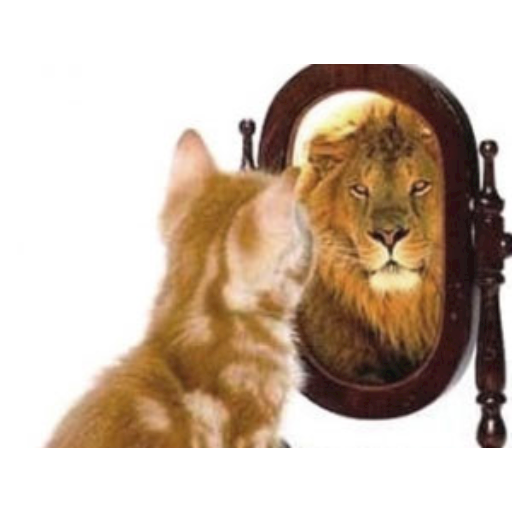
What is self-esteem?
- Self-esteem is self respect. It's having confidence in your abilities and really believing in yourself.
- Self-esteem is very important to leading a healthy and happy lifestyle. It's when you love yourself, are happy with yourself, and believe in yourself and your skills.
How does self-esteem affect body image?
- What's body image? It's how your body looks or how you see your body.
- Having a negative view of your body can decrease your self-confidence. Some will go as far as to starve themselves, binge-eat, or make drastic changes to their bodies to try and love themselves more.
- Hating the way you look can lead to constant sadness and hatred towards yourself, and maybe even hating others for looking the way you would want to.
How can someone improve their self-esteem?
- You can improve your self-esteem by focusing on the positive sides of you. What are your skills? What are you good at? What do others compliment you about?
- Recognize that you're amazing, no matter how you look or what you're good at. Odds are, someone is wishing they were like you, just like you could be wishing you were like someone else.
Dating Guidelines

What are the characteristics of a healthy relationship?
- Both people are happy
- Both people show respect towards one another
- No one feels trapped
- No one feels threatened to stay in the relationship
- Both partners put effort into their relationship

What are the characteristics of an unhealthy relationship?
- The relationship feels/is forced
- You or your partner feels/is trapped in the relationship
- You feel forced to do certain things (i.e. drugs, alcohol, sex, etc.)
- You or your partner are not happy in your relationship

Story Time:
I had a friend back in middle school who hung out with a bad crowd. They were known for doing drugs at school, coming to class high or drunk, and doing very immature things for people their age. My friend ended up getting pressured and cornered by her "friends". They threatened her with both verbal and physical violence. They said they would turn people against her and hurt her. She ignored their threats and still said no to what they pressured her with. That group never went through with the threats. They just lost a member of their team, and she's living a healthy life.
Avoiding and Refusing:
- Being able to avoid pressure is very important when it comes to standing up for yourself.
- Using avoidance and refusal techniques will really help you get out of peer pressure and keep yourself safe and happy.
- No one should feel pressured into anything, and if someone keeps pressuring you, they're not a good friend/partner. Learning how to use avoidance techniques can even go as far as to help you bring better friends/partners into your life.
Pressuring vs. Avoidance and Refusal
"If you love me, you'll do it." → "If you care about me, you won't pressure me.
"Everyone is doing it." → "Not everyone. I'm choosing not to."
"Don't be immature." → "Waiting is a mature choice and it's the one I'm making."
"I won't respect you if you don't do it." → "I won't respect you if you pressure me."
"I'll only like you if you do it." → "I don't need your approval."
- Standing up for yourself is extremely important if someone is pressuring you. You know your boundaries, you know what's safe and responsible. Choosing the right thing will help you to stay respectful to yourself and truly stand up for what you believe in.
Sexting
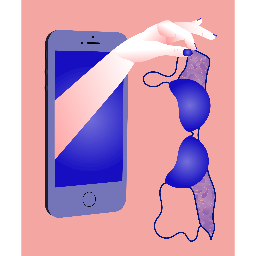
What is sexting?
- Sexting is sending sexual/provocative messages or images to another person.
- Sexting can be seen as fun or flirty, or be a response to peer pressure for "popularity."
- It can have serious legal and emotional consequences for underage teenagers.
How is sexting used?
- Sexting can be used in many different ways. For example:
- Being "fun" and "flirty"
- Peer pressure
- Wanting popularity or wanting to be noticed by others
- "Showing off" your body to another person
How is sexting used? (cont.)
- There have been multiple accounts of people threatening others, blackmailing them with the provocative photos and messages they've sent.
- For example, 24 year old Jonathon Vance of Alabama was sentenced to 18 years in prison in April of 2010. He was sending threatening messages on both MySpace and Facebook, forcing nude photos from over 50 ladies in Alabama, Missouri, and Pennsylvania.
- In another case, an 31 year old Californian man had hacked into over 200 computers, and he had threatened to expose the nude photos he found unless his victims had posed for more pictures for him.
What are the dangers of sexting?
- You never know, you could run into someone like Jonathon Vance and become blackmailed with your own pictures.
- If you send nude photos to a partner and end up breaking up, the other person could easily send out your pictures, not caring about the emotional and mental effects on you.
- Your pictures could get "leaked". Others who they weren't intended for could see them.
- You could get bullied and/or harassed for taking those photos of yourself
What are the consequences?
- Your admission into any future workplaces or colleges could be put in danger
- Relationship problems
- Declining mental health, mental health issues, and/or suicide
- Violations of school rules
- Legal issues
Types of sexual harassment:
- Physical harassment refers to any touching or physical contact that is inappropriate and unwanted.
- Verbal harassment refers to cat-calls, whistles and inappropriate comments/comments to make people uncomfortable.
Dating Violence
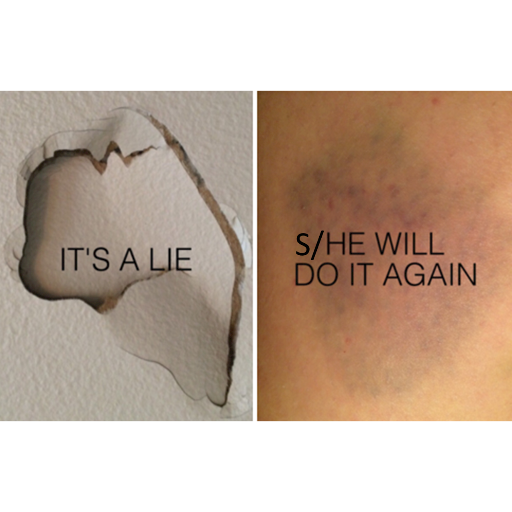
Physical Violence:
- Physical abuse in a relationship is being hit, kicked, and/or hurt in any physical way.
Verbal Violence:
- Verbal abuse in a relationship is threatening someone, for example, to stay in a relationship and convincing them they are nothing without the other person.
Emotional Violence:
- Emotional abuse in a relationship is degrading your partner, making them feel bad and/or hate themselves.
What's the cycle of violence?
- The term "cycle of violence" refers to repeated acts of the three different types of violence.
- The cycle of violence can be used to hurt a victim of an abusive relationship, and even force them to stay in their abusive and violent environment.
Resources:
- If you are in an abusive situation, you need to get help before it's too late. Here are some ways to help yourself or others:
Depression hotline: 1-630-482-9696
Suicide hotline: 1-800-784-8433
Lifeline: 1-800-273-8255
Trans lifeline: 877-565-8860
After abortion hotline: 1-866-439-4253
Resources (cont.):
Trevor Project: 1-866-488-7386
Sexuality Support: 1-800-246-7743
Eating Disorder Hotline: 1-847-831-3438
Rape/Sexual Assault: 1-800-656-4673
Grief Support: 1-650-321-5272
Runaway: 1-800-843-5200, 1-800-843-5678, 1-800-621-4000
- Full access to our public library
- Save favorite books
- Interact with authors
- < BEGINNING
- END >
-
DOWNLOAD
-
LIKE
-
COMMENT()
-
SHARE
-
SAVE
-
BUY THIS BOOK
(from $7.59+) -
BUY THIS BOOK
(from $7.59+) - DOWNLOAD
- LIKE
- COMMENT ()
- SHARE
- SAVE
- Report
-
BUY
-
LIKE
-
COMMENT()
-
SHARE
- Excessive Violence
- Harassment
- Offensive Pictures
- Spelling & Grammar Errors
- Unfinished
- Other Problem





COMMENTS
Click 'X' to report any negative comments. Thanks!