
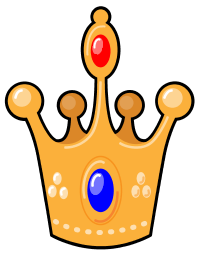
is for Absolute Monarchy
An absolute Monarchy is a government system in which a king or queen has total power/control over their country. This was very common in the past but, it is much less common today due to individualism.


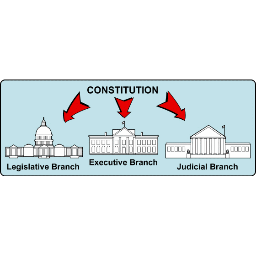
is for Baron de Montesquieu
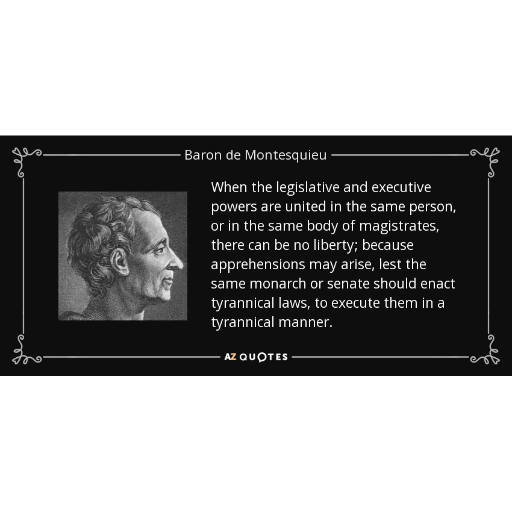
This was the original idea that a government should have three branches of power. This way, power is distributed and no one branch can have all the power. Basically, this is to prevent corruption.

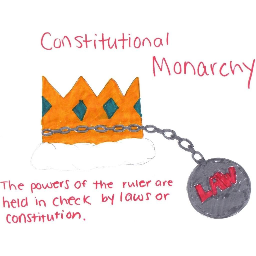
is for Constitutional Monarchy

A form of government where a monarch can rule,but, is limited by a set of basic constitutional laws. This way, a ruler can't do whatever they please and the peoples rights are preserved.
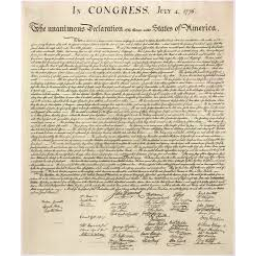
is for Declaration of Independence

Many of John locke's ideas are incorporated in the declaration of independence. His ideas on limiting power and allowing people to partially think and act on their own terms.
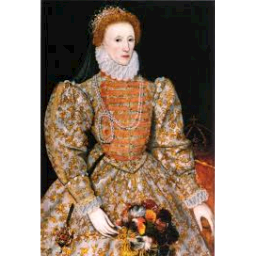
is for Elizabeth the First

Known for not ever marrying, Queen Elizabeth was a powerful Ruler of England. She not only supported protestant religion, but also defeated the spanish armada which was a catholic dominated country.
is for Faith

For a long time, England had been a primarily Catholic country. However when a King wanted a divorce, the Pope refused on behalf of the Catholic faith. Later emerged the Protestant faith.
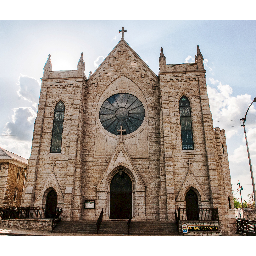
is for Great Change

During this time many people began to have their own sense of right from wrong. Therefore, people began to demonstrate there beliefs and opinions through literature and art,
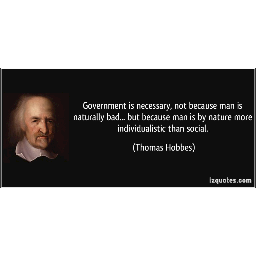
is for Hobbes

Thomas Hobbes thought that humans were naturally greedy and cruel. Therefore, he believed that the government needed full control over citizens.
is for Individualism

People began to think for themselves during this time period. Many expressed these ideas through art and literature.

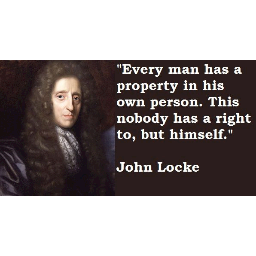
is for John Locke

John Locke was a man that believed the government should not have full power over its citizens. Also, he thought that an individual should be able to "self govern" his or her self.
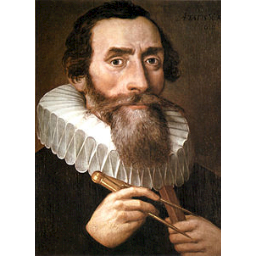
is for Kepler's law of Planetary motion

Johannes Kepler discovered that the planets revolve around the sun and they do not revolve in circles. They rather revolve in an ellipse.
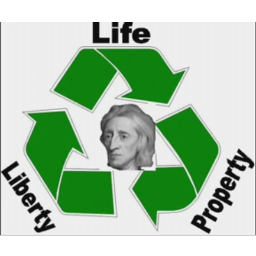
is for Life and Liberty

John Locke believed that every person had the born right to life, liberty, and property regardless of their background.
is for Montesquieu

Charles-Louis de Secondat was a french lawyer also known by the name Montesquieu that lived during the age of enlightenment. His theory of the separations of power influenced the works of constitutions in various countries today.
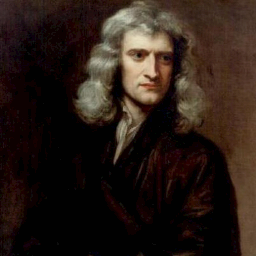
is for Newton

Sir Isaac Newton was one of the many whom were oddly viewed for his laws/theories about physics. Newton's three laws of motion rocked the world of science and further plunged scientists into the study of physics.
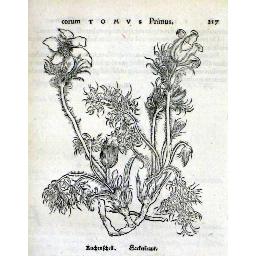
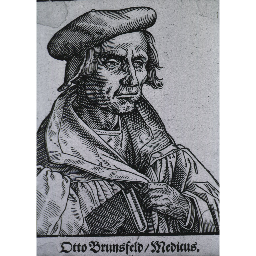
is for Otto Brunfels

Otto was the first to produce major research and collect valid and reliable information about plants. As a result, he opened of the botanist field to many of his followers.
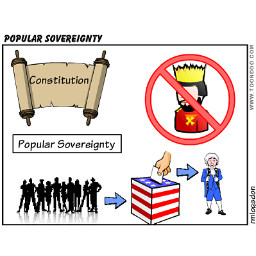
is for Popular Sovereignty

With this popular sovereignty, the government principle is based on the wants, needs, and will of the people by subject. This is another source of Enlightenment because a large group of the population was contributing their thoughts and opinions to society.
- Full access to our public library
- Save favorite books
- Interact with authors
- < BEGINNING
- END >
-
DOWNLOAD
-
LIKE
-
COMMENT()
-
SHARE
-
SAVE
-
BUY THIS BOOK
(from $5.19+) -
BUY THIS BOOK
(from $5.19+) - DOWNLOAD
- LIKE
- COMMENT ()
- SHARE
- SAVE
- Report
-
BUY
-
LIKE
-
COMMENT()
-
SHARE
- Excessive Violence
- Harassment
- Offensive Pictures
- Spelling & Grammar Errors
- Unfinished
- Other Problem





COMMENTS
Click 'X' to report any negative comments. Thanks!