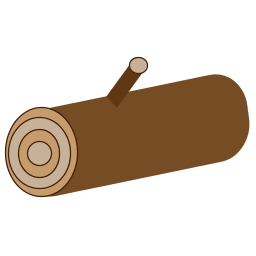
In loving memory of Mr. Log
(2016-2016)
Always up to listen to a good lecture on photosynthesis and cellular respiration



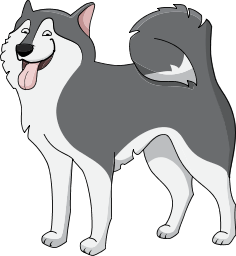


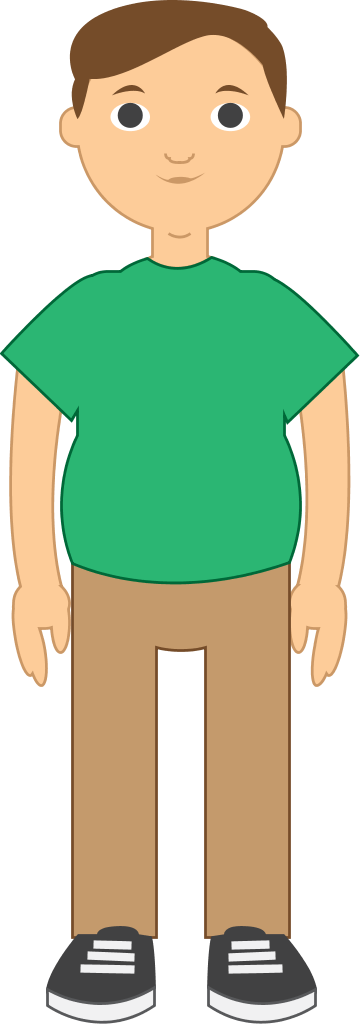
There once was a man by the name of Fernie Sanders. He has a cat and a dog. He made them little hats.
At first glance, he is a very strange man. All who meet him wonder what makes him so strange.
In reality, a genetic mutation at birth has made it so that a fern grows out of the top of his head.
He doesn't like to talk about it though. It's a very personal issue.
...Anyway, Fernie loves plants!

With his love of plants comes a responsibility: the need for photosynthesis!
Everyday, Fernie goes outside to soak up some sun and talk to inanimate objects in the woods behind his house.
Because of his reclusive nature and strange appearance, the other people of the town do not talk much to Fernie. Fernie does not care though. Fernie has plants.
The other townspeople do not really matter though because Fernie lives on the edge of town to be closer to the woods.


It goes something like this...
...
In the woods, Fernie Sanders finds his friend Mr. Log, who is a very good listener, and begins to tell him about the wonderful processes of Photosynthesis and cellular respiration which keep Fernie alive and well.
Mr. Log settles in for a long lesson and without further delay, Fernie begins...
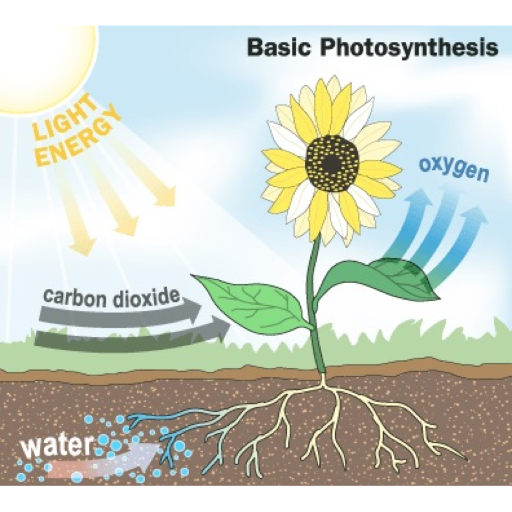
The processes which keep us alive happen in a continual cycle where the products of one process are the reactants of the other.
The first of the two, photosynthesis, is mainly used by autotrophs such as plants. I guess you could say I'm a special case!
The biological processes which keep organisms alive occur in a cycle with the products of one process becoming the reactants of another. The two most important processes in this cycle are photosynthesis and cellular respiration
To begin, let's delve into photosynthesis and discover what happens behind the scenes.
...
And therefore...
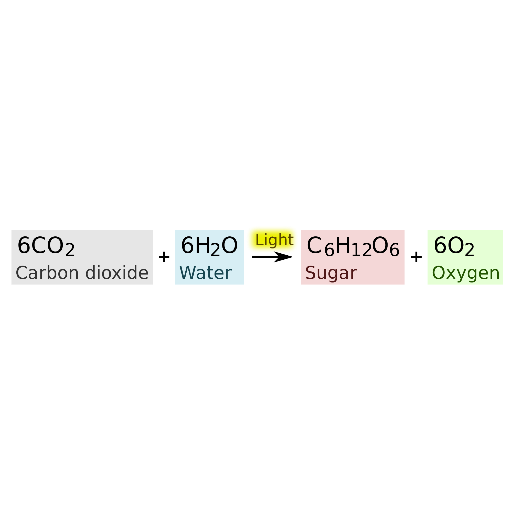
Photosynthesis is mostly exclusive to plants (with a few special exceptions, in my case!) and can be boiled down to one simple equation:
Using this equation, we can learn about photosynthesis!
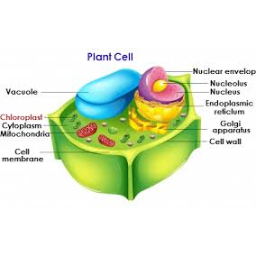
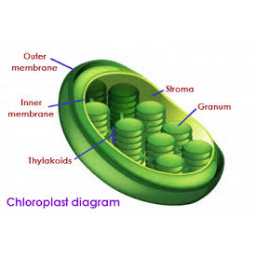

So, where does this amazing process occur?! In plants, the main site for photosynthesis is in the leaves, where the cells contain tiny membrane-bound organelles called chloroplasts.
A chloroplast contains even tinier pancake-like structures called thylakoids that are surrounded by a colorless fluid called stroma. Inside the thylakoids, a green pigment called chlorophyll is contained. This green pigment absorbs all colors of light except for green, giving the iconic green color associated with plants..
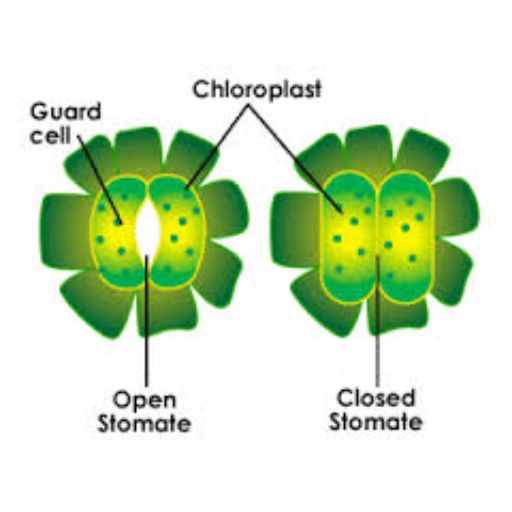
Though chlorophyll absorbs light needed for photosynthesis, plants need some way to allow water vapor and gases to enter the cell.
That's where the stoma (or stomata) comes into play. These minuscule openings on the underside of leaves, facilitated by guard cells, open and close to allow water vapor and gases to travel in or out of the cell.
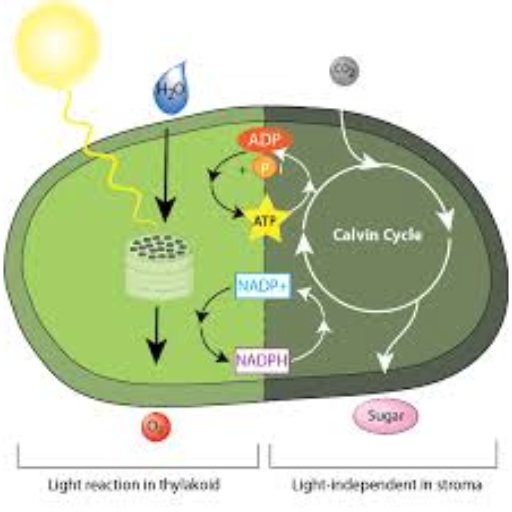
Now that we have discovered what makes photosynthesis viable in plants, let's learn about what actually happens in the process!
First off, it is imperative to separate photosynthesis into two stages:
The Light (dependent) reaction and Light independent reaction.
The Light independent reaction can also be called the Calvin Cycle or the Dark reaction
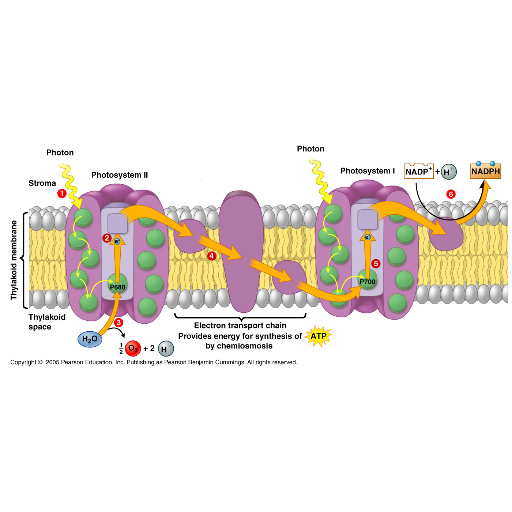
The Light reaction, which takes place in the thylakoids, is first begun by the absorption of light by chlorophyll in photosystems II and I. These allow plants to absorb light energy for photosynthesis.
Water is introduced into the system by entering photosystem II, where it is split into an oxygen molecule, two H+ ions, and an electron.
As water continues to be split and H+ ions begin to pile up in the thylakoid, a process called chemiosmosis happens. What's that?! Well, let's move on and find out!
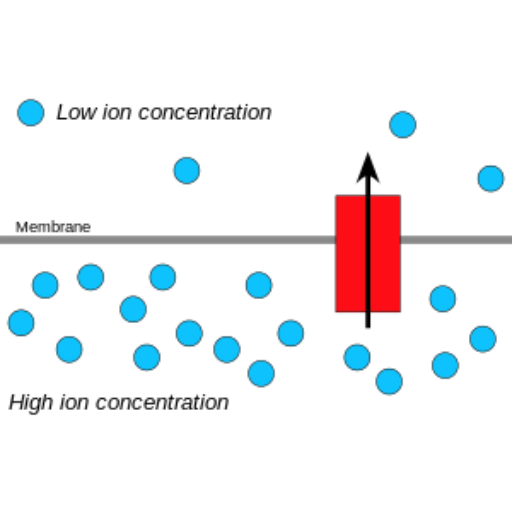
Chemiosmosis is the process by which the H+ ions gained from the splitting of water are used in the production of ATP, or usable energy.
How it works has to do with something called a proton gradient, which uses the number of protons on each side of a membrane to find out which way they will naturally flow.
Using the proton gradient, H+ ions diffuse from low to high concentration through a protein channel in the thylakoid membrane that contains an enzyme called ATP synthase. Simply put, this synthesizes ATP.
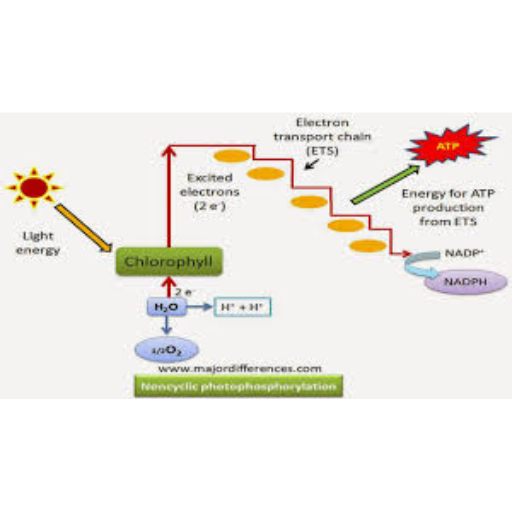
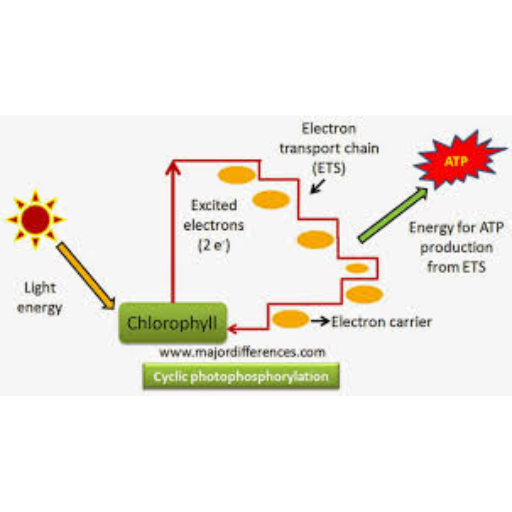
The process of reintroducing H+ ions into the thylakoid once they have diffused through the membrane is called photophosphorylation.
When water is split, the resulting energized electrons are passed through multiple electron acceptors. Along the chain, the electrons will pass over proton pumps. The energy from the electrons is then used to actively pump H+ ions back in. The energy gained from the Electron Transport Chain creates a proton gradient that drives ATP formation.
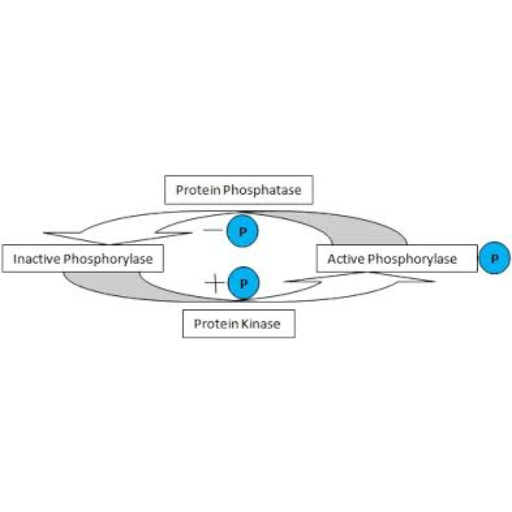

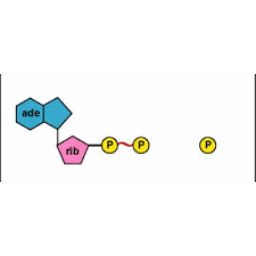

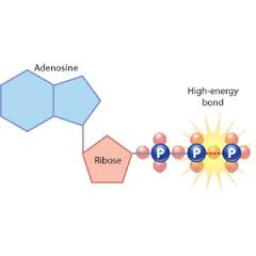
The entire time that these processes are happening, energy in the form of ATP is being formed through PHOSPHORYLATION. This is when ADP and an inorganic phosphate molecule are coupled with a bond that stores a high amount of energy.
When energy is needed, that bond is simply broken and energy is released!
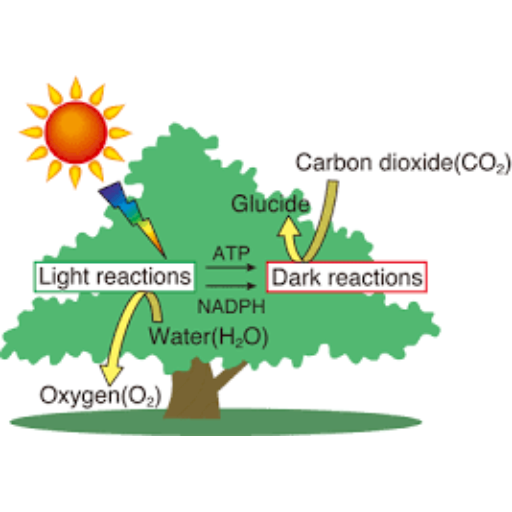
After photosystem II , the ETC brings electrons to photosystem I, where NADPH is produced. This is done by the reduction (gaining an electron) of NADP+ through the storage of electrons:
Energy + e- + NADP + H+ ---------> NADPH
So, in summary, the light reaction uses light energy and water to produce ATP for the Calvin Cycle, NADPH that stores electrons, and oxygen that is released into the atmosphere.
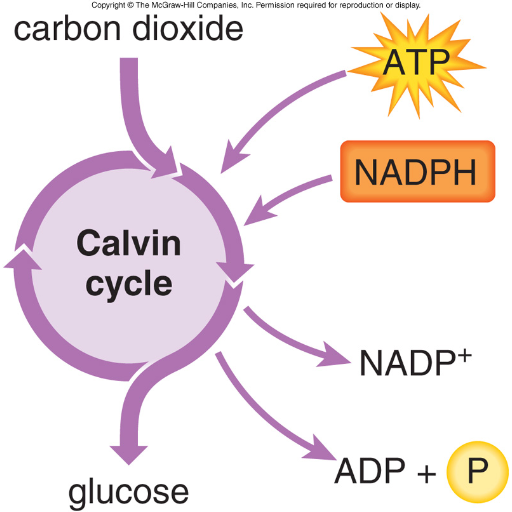
The Calvin Cycle, or dark reaction, occurs in the stroma, and unlike the light reaction, can happen without light if needed.
Using ATP and NADPH from the light reaction, carbon dioxide is reduced to form glucose. This process is called carbon fixation:
CO2 + ATP + NADPH -------------> Glucose (sugar)
The used-up ADP and NADP+ is fed back into the light reaction to complete a never-ending cycle!
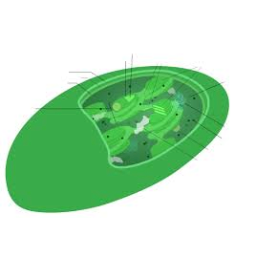
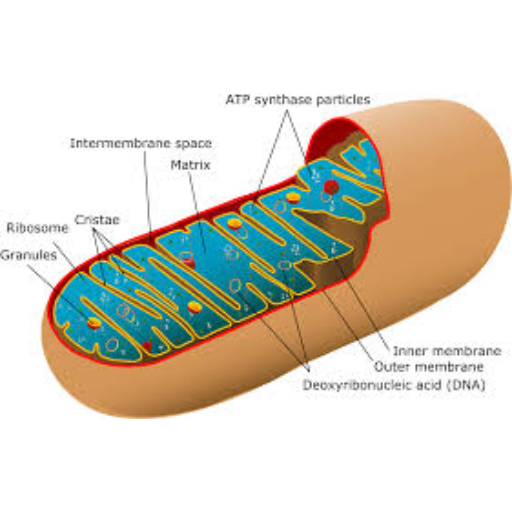
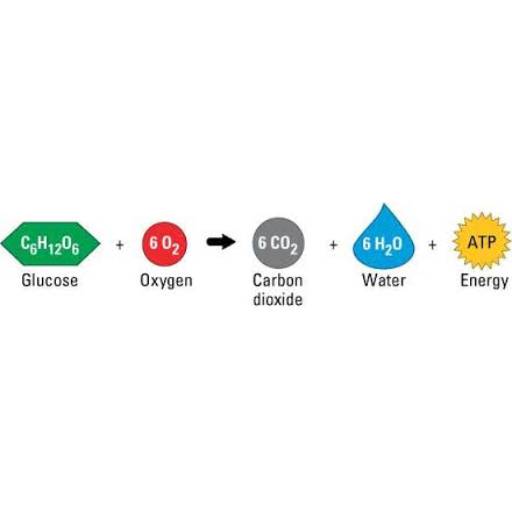
At the end of photosynthesis, the products are transported from the chloroplast to the mitochondria, where an equally important process is performed...
Cellular respiration!!!
Halfway there, Mr. Log!
- Full access to our public library
- Save favorite books
- Interact with authors
- < BEGINNING
- END >
-
DOWNLOAD
-
LIKE
-
COMMENT()
-
SHARE
-
SAVE
-
BUY THIS BOOK
(from $9.39+) -
BUY THIS BOOK
(from $9.39+) - DOWNLOAD
- LIKE
- COMMENT ()
- SHARE
- SAVE
- Report
-
BUY
-
LIKE
-
COMMENT()
-
SHARE
- Excessive Violence
- Harassment
- Offensive Pictures
- Spelling & Grammar Errors
- Unfinished
- Other Problem





COMMENTS
Click 'X' to report any negative comments. Thanks!