
Computer Network
A network is a group of computers connected together in a way that allows information to be exchanged between the computers.
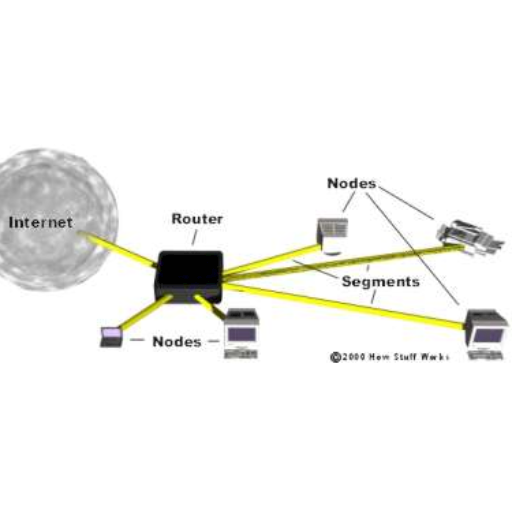
Packet
A piece of a message transmitted over a packet-switching network.
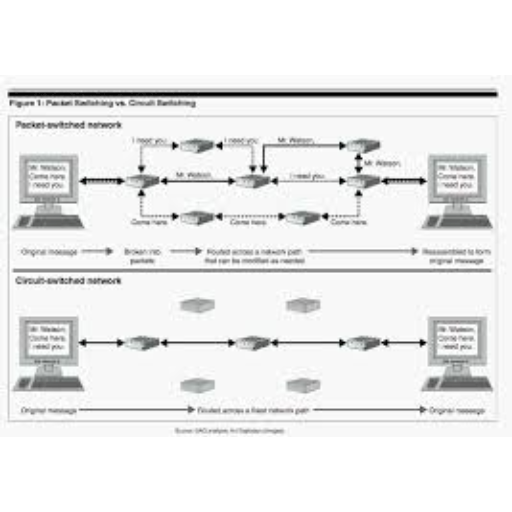
Local Area Network
Local area network (LAN) technologies connect many devices that are relatively close to each other, usually in the same building. The library terminals that display book information would connect over a local area network.
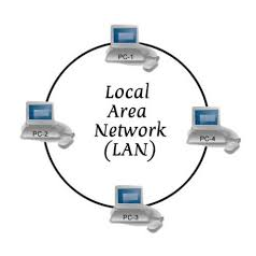
Wide Area Network
Wide area network (WAN) technologies connect a smaller number of devices that can be many kilometers apart
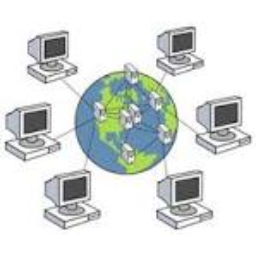
Node
A node is anything that is connected to the network. While a node is typically a computer, it can also be something like a printer or CD-ROM tower.
Media Access Control
This is the physical address of any device -- such as the NIC in a computer -- on the network

IP Address
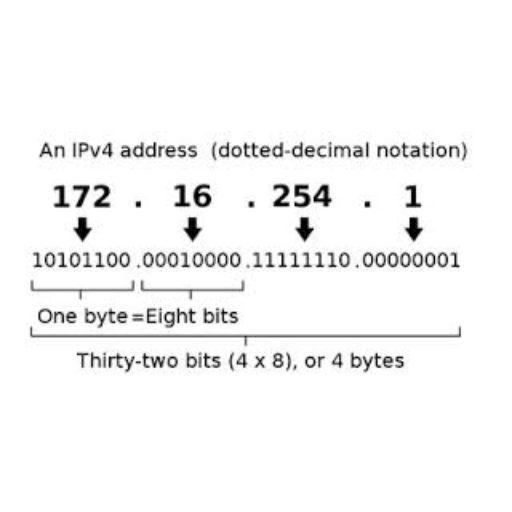
Internet Protocol (IP) address. An IP address is an identifier for a computer or device on a TCP/IP network.
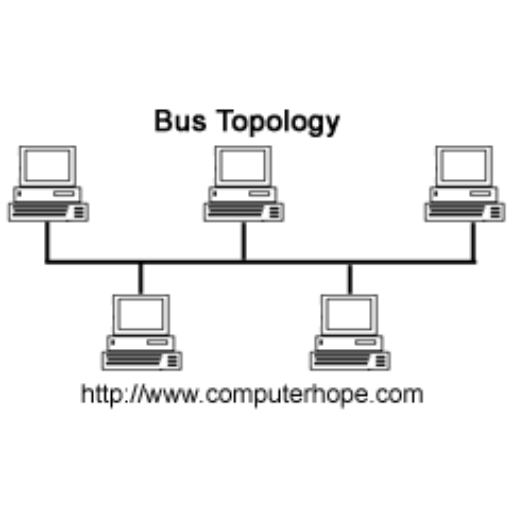
Bus Topologies
Each node is daisy-chained (connected one right after the other) along the same backbone, similar to Christmas lights
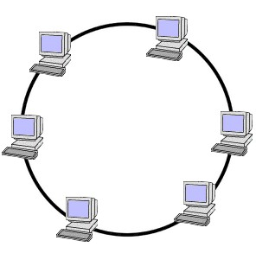
Ring Topology
each node connects to exactly two other nodes, forming a single continuous pathway for signals through each node - a ring. Data travels from node to node, with each node along the way handling every packet.
Network token
a token is a special series of bits that travels around a token-ring network. As the token circulates, computers attached to the network can capture it.

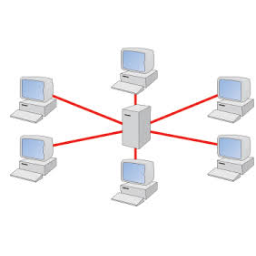
Star topology
in a star network, each node is connected to a central device called a hub. The hub takes a signal that comes from any node and passes it along to all the other nodes in the network.
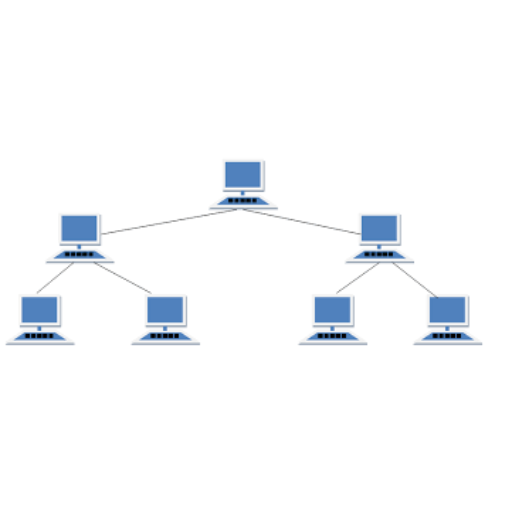
Tree topology
A tree topology combines characteristics of linear bus and star topologies. It consists of groups of star-configured workstations connected to a linear bus backbone cable
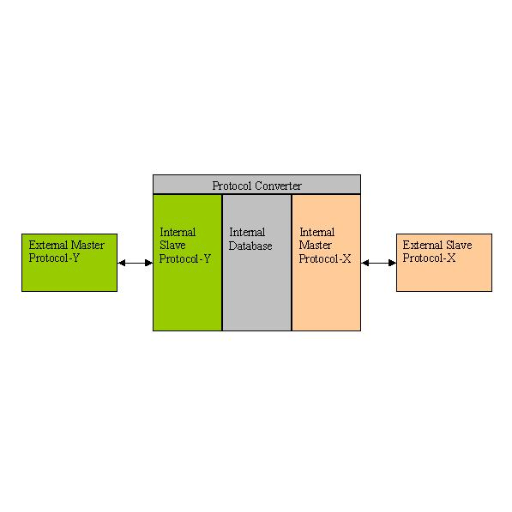
Protocol
An agreed-upon format for transmitting data between two devices.
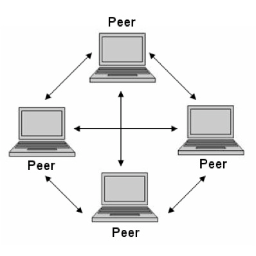
peer-to-peer architecture
Often referred to simply as peer-to-peer, or abbreviated P2P, a type of network in which each workstation has equivalent capabilities and responsibilities.
Client-Server Architecture
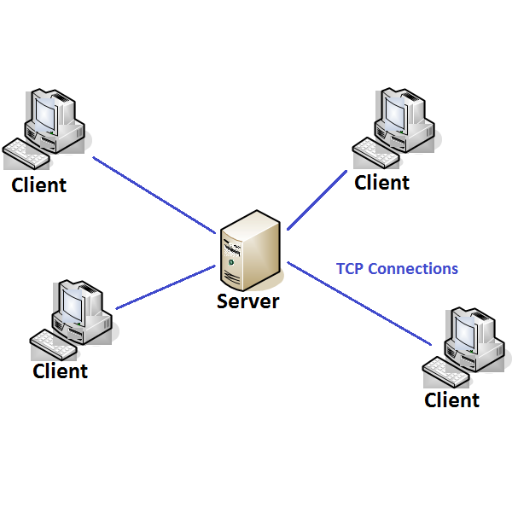
Client-server architecture (client/server) is a network architecture in which each computer or process on the network is either a client or a server
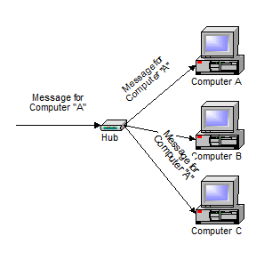
Hub
A hub is a common connection point for devices in a network. Hubs are commonly used to connect segments of a LAN.
- Full access to our public library
- Save favorite books
- Interact with authors
- < BEGINNING
- END >
-
DOWNLOAD
-
LIKE
-
COMMENT()
-
SHARE
-
SAVE
-
BUY THIS BOOK
(from $5.19+) -
BUY THIS BOOK
(from $5.19+) - DOWNLOAD
- LIKE
- COMMENT ()
- SHARE
- SAVE
- Report
-
BUY
-
LIKE
-
COMMENT()
-
SHARE
- Excessive Violence
- Harassment
- Offensive Pictures
- Spelling & Grammar Errors
- Unfinished
- Other Problem





COMMENTS
Click 'X' to report any negative comments. Thanks!