For my class CDEV 242

Table of Contents
Physical Domain...pages 3,4,5,6,7,8,9
Social Emotional Domain...pages 10,11,12,13, 14
Cognitive Domain...pages 15,16,17,18
Work cited ...page 19
Physical Development
Preschoolers go through many changes including their physical domain which breaks down into two categories, Gross Motor Development and Fine Motor Development. During this physical change children grow and their center of gravity changes to down to below their belly button (Physical Development). This change makes them better at Gross motor development. Gross motor development skills are like running, jumping, climbing, throwing and catching. These skills all use large muscles in the arms and legs. Children also gain more strength and stamina (Physical Development). Fine motor skills are used a lot in preschool because of all the hands-on activities (Physical Development).
Physical Development Continued
These skills come from the small muscle groups in the hands and arms (Physical Development). Children use these skills when buttoning, zipping, puzzles, and using tools (Physical Development). For children to keep growing children need healthy meals. In preschool, we supply a variety of meals based on the USDA food guide for children (Physical Development). Children also need sleep and lots of it, like around 10 hours of sleep for children three to five (Physical Development). Preschoolers face some scary times when it comes to sleep so we need to have calming routine (Physical Development). We also keep a consistent sleep schedule for children during nap time.
Gross Motor Skills
“Some milestones include:
Stop, Start and change directions
Walk Up and Down stairs with alternating feet
Balance while walking on a beam
Hop on one foot 10 or more times
Use a swing by their self” (Physical Development)
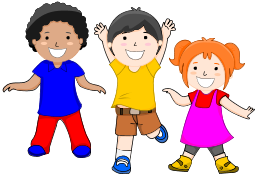
Activities that Preschool does to Foster Gross Motor Development
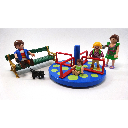
Follow the leader-Children are walking or tippy toeing, hopping, crawling doing many styles of movement.
Simon Says- Children are listening to what Simon is saying and doing it. They could pat their head, rub their belly, hop on one foot.
Obstacle Courses- Offer children a variety of movement to get to the finish.
Relay Races- This can give children a way to race using movement like balancing.
Dancing- Moving to your own beat is a great way to get kids jumping and shaking all around

Fine Motor Skills
“Some milestones include:
Hold a pencil
Write letters
Draw Pictures
Cut
Sting beads
Button
Use a zipper
Uses fork and spoon” (Physical Development)


Activities that Preschool does to Foster Fine Motor Development:
Toys with buttons/buckles/zippers- Children can practice with toys like a purse or a puzzle full of buckles.
String pasta on yarn-Children will practice with large noodles and practice threading the noodles over and over till it is long enough.
Carve on clay- Children can draw on the clay to practice making lines and designs on a different kind of material.
Cutting out pictures, shapes from magazines- Children will manipulate the scissors to help cut out an assortment of pictures from a magazine.
Sing songs with hand motions- Songs like Itsy Bitsy Spider or Five Little Monkeys each song helps the children mover their fingers.
Parents can adopt any of these activities we do and use them at home. Children love to move, just make sure they have a safe area to spread out their energy. Children also enjoy artistic activities, which is the main activity to develop fine motor skills (Physical Development). Doing family art projects like drawings or any other forms is a great way to get children using their small muscle groups. Families can also play games like passing the ball or other sport related activities to use children’s large muscle groups. Lastly, parents are encouraged to help children eat healthy and be a good example. Also, keep children on a sleep schedule and give them a quiet environment. Your children still have a lot growing to do making sure they are healthy is key.
Social Emotional
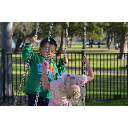
The preschool years are full of emotions and social opportunities. Children ages 3-5 are learning to work with other children. They are learning how to express themselves. They are learning about their self-concept. Being social isn’t easy for every child. Culture and gender affect their Social and Emotional Development (Social and Emotional). Self-Concept is being built in preschool by promoting positive opportunities for success. Preschool is about acceptance and the teacher will work with every family by respecting their child, and their culture. Initiative is important to a preschooler’s development, but some cultures have different levels of initiative. The teacher will be sensitive and help each child feel positive about their self and their culture (Social and Emotional).
Social Emotional Continued
Teachers can foster initiative with toys like blocks, drama play, art, and free play (Social and Emotional). Children also will have developed a sense of gender specific roles. They will play and use toys that seem right with their gender. Play is a big part of preschool. Children will begin to play with other children sharing a common goal (Social and Emotional). Children will develop friends with the children they play with that could last for a little bit or years (Social and Emotional). Children make and keep relationships because they learned about their feeling and others and having empathy for one another from preschool.
- Full access to our public library
- Save favorite books
- Interact with authors
- < BEGINNING
- END >
-
DOWNLOAD
-
LIKE(1)
-
COMMENT()
-
SHARE
-
SAVE
-
BUY THIS BOOK
(from $3.59+) -
BUY THIS BOOK
(from $3.59+) - DOWNLOAD
- LIKE (1)
- COMMENT ()
- SHARE
- SAVE
- Report
-
BUY
-
LIKE(1)
-
COMMENT()
-
SHARE
- Excessive Violence
- Harassment
- Offensive Pictures
- Spelling & Grammar Errors
- Unfinished
- Other Problem





COMMENTS
Click 'X' to report any negative comments. Thanks!