This book is dedicated to the life of
Saint Mary MacKillop.
May her life always be remembered and may she rest in peace.

Mary Helen MacKillop (1842-1909), known as Mother Mary of the Cross, was born on 15th January 1842 in Fitzroy, Melbourne.
She was the eldest of eight children of Flora and Alexander McKillop, both originally from Scotland.
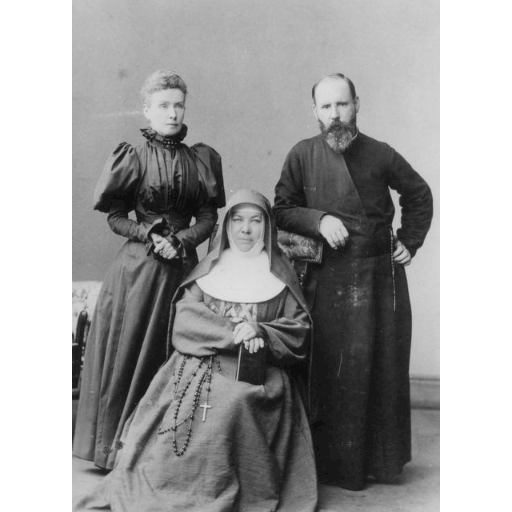
MacKillop's father, Alexander MacKillop, born in Perthshire,had been educated at the Scots College in Rome and at Blairs College in Kincardineshire, for the Catholic priesthood.
At the age of 29, just before he was due to be ordained, Alexander left the priesthood. He migrated to Australia and arrived in Sydney in 1838.
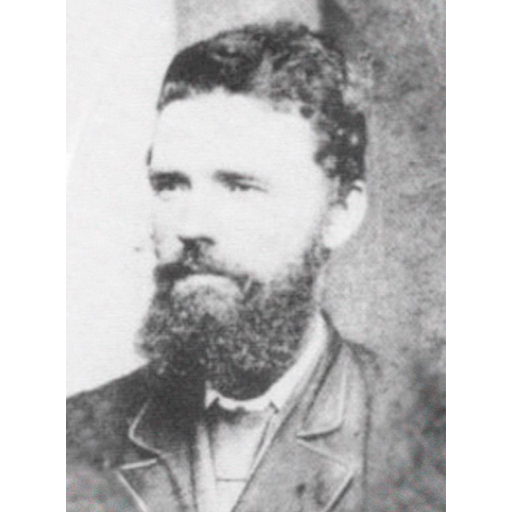
MacKillop was educated at private schools and by her father. She received her First Holy Communion on 15 August 1850 at the age of nine.
In February 1851, Alexander MacKillop left his family behind after having mortgaged the farm and their livelihood and made a trip to Scotland lasting some 17 months. Throughout his life he was a loving father and husband but never able to make a success of his farm. Most of the time the family had to survive on the small wages the children were able to bring home.
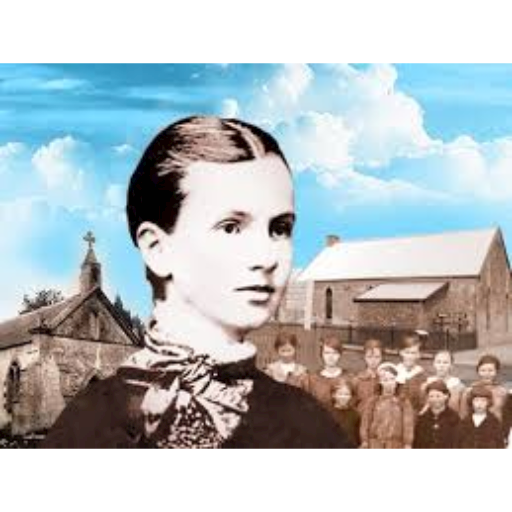
In 1866, Father Julian Tenison Woods invited MacKillop and her sisters Annie and Lexie to come to South Australia and open a Catholic school.
After renovations by their brother, the MacKillops started teaching more than 50 children.
At this time MacKillop made a declaration of her dedication to God and began wearing black.
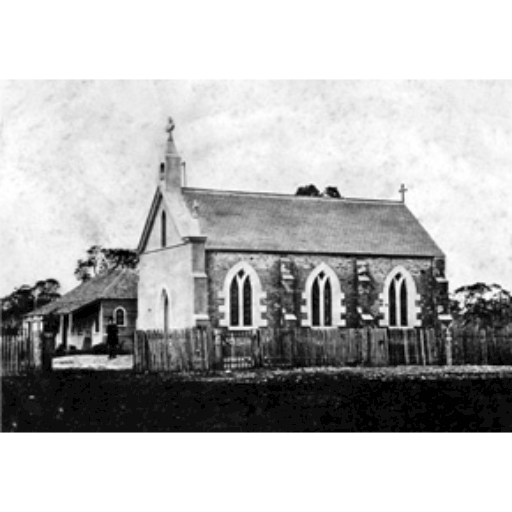
On 21 November 1866, the feast day of the Presentation of Mary, several other women joined MacKillop and her sisters.
MacKillop adopted the religious name of Sister Mary of the Cross.
The small group began to call themselves the Sisters of St Joseph of the Sacred Heart.
Soon after, they founded a new school and dedicated it to the education of the children of the poor.
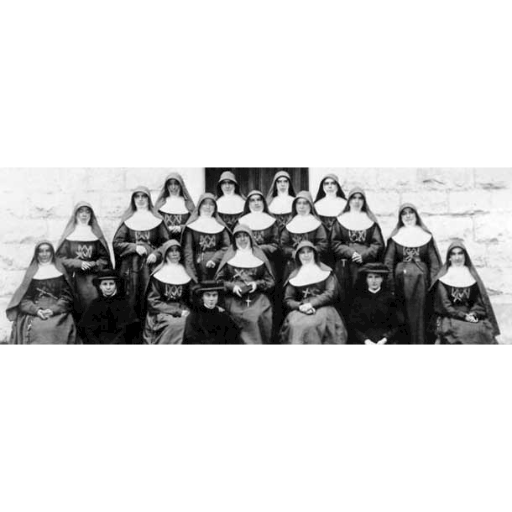
The "Rule of Life" developed by Woods and MacKillop for the community emphasised poverty, a dependence on divine providence, no ownership of personal belongings, faith that God would provide and willingness to go where needed.
By the end of 1867, ten other women had joined the Josephites, who adopted a plain brown religious gown.
Due to the colour of their attire and their name, the Josephite sisters became known as the "Brown Joeys".
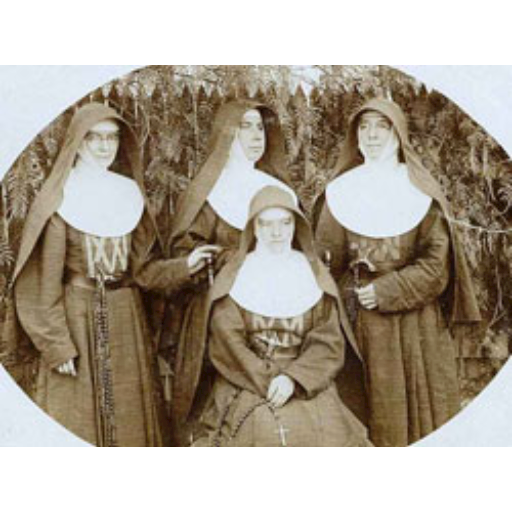
By 1871, 130 sisters were working in more than 40 schools and charitable institutions across South Australia and Queensland.
MacKillop and her Josephites were also involved with an orphanage, neglected children, girls in danger, the aged poor and a home for the aged and fatally ill.
The Josephite sisters were prepared to follow farmers, railway workers and miners into the isolated outback and live in rural communities.
- Full access to our public library
- Save favorite books
- Interact with authors
- < BEGINNING
- END >
-
DOWNLOAD
-
LIKE(1)
-
COMMENT()
-
SHARE
-
SAVE
-
BUY THIS BOOK
(from $4.39+) -
BUY THIS BOOK
(from $4.39+) - DOWNLOAD
- LIKE (1)
- COMMENT ()
- SHARE
- SAVE
- Report
-
BUY
-
LIKE(1)
-
COMMENT()
-
SHARE
- Excessive Violence
- Harassment
- Offensive Pictures
- Spelling & Grammar Errors
- Unfinished
- Other Problem





COMMENTS
Click 'X' to report any negative comments. Thanks!