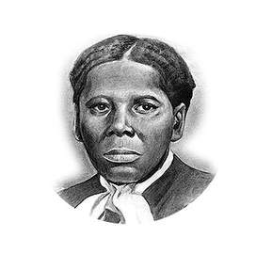
The purpose of this story is to experience Harriet Tubman's life journey and her heroic efforts

Harriet Tubman was originally named Araminta "Minty" Ross and was born in 1820 in Dorchester County, Maryland. She had four brothers and four sisters. Her childhood got stopped abruptly when she was five years old when she got hired as a nanny to an infant. When she was 12, Minty tried to stop a slave owner from confronting a freed slave and as a result, she got hit in the head with a metal object, “The weight broke my skull and cut a piece of that shawl clean off and drove it into my head. They carried me to the house all bleeding and fainting. I had no bed, no place to lie down on at all, and they laid me on the seat of the loom, and I stayed there all day and the next.” Due to this head injury, Minty would have sleeping spells where she would fall asleep randomly and no one could wake her.

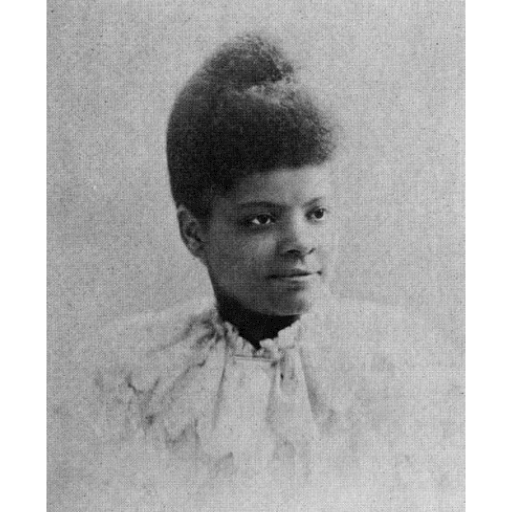
Araminta "Minty" Ross as a young teen

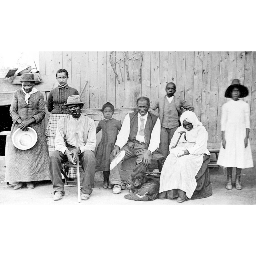
Araminta "Minty" and her family posing for a picture before going to work for the day
In 1844, Minty married a freed Black man, John Tubman. In September of 1849, Minty escaped without her husband from Poplar Neck Plantation and traveled 90 miles to Pennsylvania using the Underground Railroad. She then took her mother's first name, Harriet and her husband's last name, Tubman. She was now called Harriet Tubman.

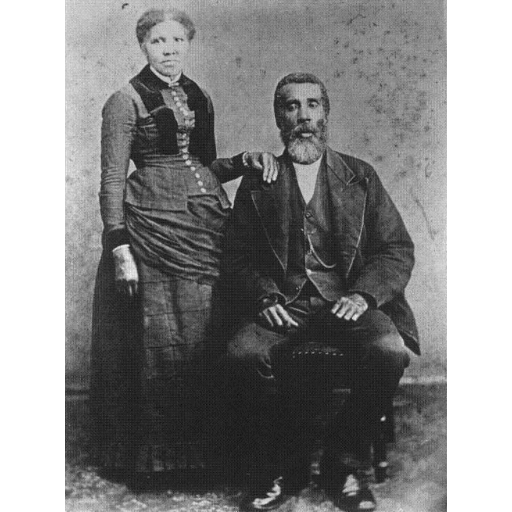
Minty posing with her first husband, John Tubman. (1844) She then changed her name to Harriet Tubman. (1849)
Harriet began to work with Quaker Abolitionists Thomas Garrett and Fredrick Douglass in 1850. Harriet began guiding families using the Underground Railroad in December of 1850. She returned back to her husband and could not convince him to travel with her on the Underground Railroad. Harriet returned for one final time in 1860 and saved her last family, the Ennals.

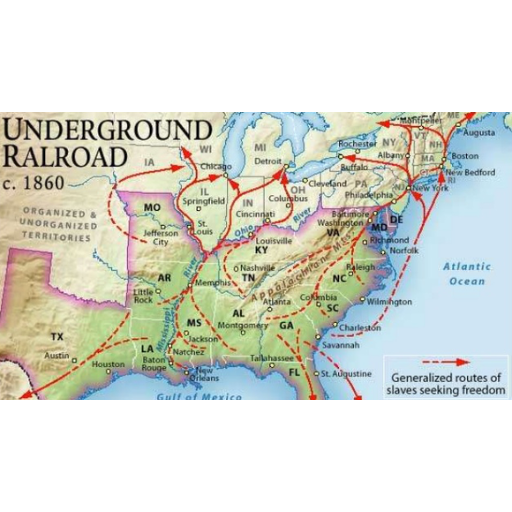
These are the routes that Harriet Tubman and other conductors would travel on to bring slaves and their families to freedom.
Harriet Tubman decided to serve as a spy and scout under the command of Colonel James Montgomery during the Civil War in 1861. Harriet became the first woman to lead an assault during the Civil War in the Combahee River Raid in 1863 where 700 slaves were freed.
Harriet remarried in 1869 to Nelson Davis and it lasted 20 years until he passed in 1888. In 1898, Harriet became involved in the Women's suffrage movement in Boston, New York and Washington. She was a strong supporter and voiced her message as a female slave and the impact she had on the slaves she helped set free.

- Full access to our public library
- Save favorite books
- Interact with authors

- < BEGINNING
- END >
-
DOWNLOAD
-
LIKE(2)
-
COMMENT()
-
SHARE
-
SAVE
-
BUY THIS BOOK
(from $2.99+) -
BUY THIS BOOK
(from $2.99+) - DOWNLOAD
- LIKE (2)
- COMMENT ()
- SHARE
- SAVE
- Report
-
BUY
-
LIKE(2)
-
COMMENT()
-
SHARE
- Excessive Violence
- Harassment
- Offensive Pictures
- Spelling & Grammar Errors
- Unfinished
- Other Problem

COMMENTS
Click 'X' to report any negative comments. Thanks!