



Have you ever wondered how the vegetables and fruits you are eating give you energy? Well the answer is carbohydrates and they begin with Photosynthesis!
It all starts with the air you are breathing and exhaling. When you are breathing in you are taking in oxygen (O2) and when you exhale you are releasing carbon dioxide (CO2).
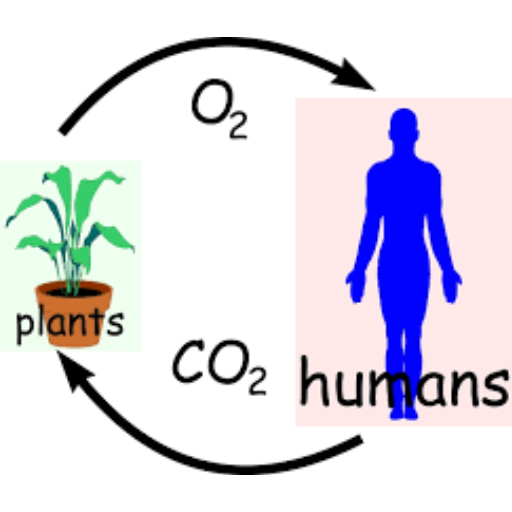
Once the carbon dioxide (CO2) is released the plants will breath it in through their stomatas and they will soak in water (H2O) through their roots.
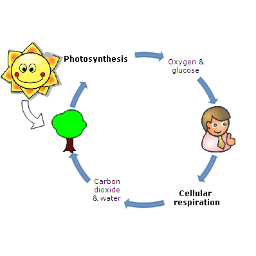
With energy from the sun the plants chloroplast will split the water (H2O) into hydrogen (H) and oxygen (O2). Then the plants cell will be ready to make glucose.


Once the plant cell has enough glucose it will be able to make large chains of sugar called cellulose. The big chains of sugar can either be fibers or starches. Different examples of fibers are broccoli and lettuce and different starches are potatoes and squash.


Once in the human body the veggies and fruits will breakdown and will turn into glucose for us humans. The glucose will go to the mitochondria in the human cells to be used as energy.
The energy the human cells will make is called ATP, this energy is what powers the human body. With ATP our bodies can communicate, move and transport singles. This process is called Cellular Respiration.
Carbohydrates: any of a large group of organic compounds occurring in foods and including sugars, starch, and cellulose. They contain hydrogen and oxygen in the same ratio as water (2:1) and typically can be broken down to release energy in the animal body.
Photosynthesis: the process by which green plants use sunlight to synthesize foods from carbon dioxide and water.
Stomata: any of the minute pores in the epidermis of the leaf or stem of a plant
Glucose: simple sugar
Vocabulary
Vocabulary
Cellulose: insoluble substance that is the main constituent of plant cell walls and of vegetable fibers
ATP: provides energy for physiological processes
Cellular Respiration: is a set of metabolic reactions and processes that take place in the cells of organisms to convert biochemical energy from nutrients into adenosine triphosphate (ATP), and then release waste products.
- Full access to our public library
- Save favorite books
- Interact with authors
- < BEGINNING
- END >
-
DOWNLOAD
-
LIKE
-
COMMENT()
-
SHARE
-
SAVE
-
BUY THIS BOOK
(from $2.99+) -
BUY THIS BOOK
(from $2.99+) - DOWNLOAD
- LIKE
- COMMENT ()
- SHARE
- SAVE
- Report
-
BUY
-
LIKE
-
COMMENT()
-
SHARE
- Excessive Violence
- Harassment
- Offensive Pictures
- Spelling & Grammar Errors
- Unfinished
- Other Problem





COMMENTS
Click 'X' to report any negative comments. Thanks!