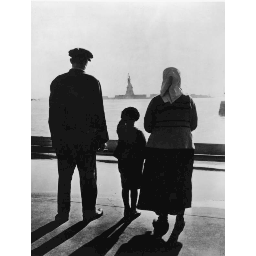
This book is dedicated to my
great-grandparents who
immigrated to this country
in search of life, liberty, and
the pursuit of happiness. It was
in this Golden Land of Golden
Dreams where they established
new lives and enjoyed the rights and protections of citizens, thanks to the wisdom of our Founding Fathers. - Carly Wetzel

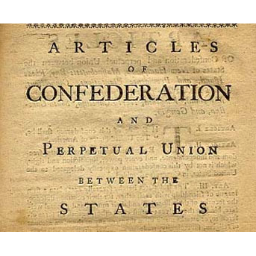
Articles of
confederation
The Articles of Confederation is a document that established the ins and outs of the national government. It created a loose alliance of 13 independent states.
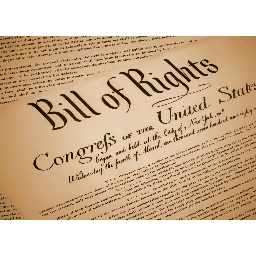
Bill of Rights
The Bill of Rights - the first ten amendments to the Constitution - is a list of freedoms that the government has promised to protect. These rules weren't included in the Constitution, and many delegates wanted to make sure they weren't ignored.
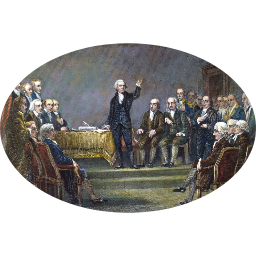
Constitutional Convention
The Constitutional Convention began on
May 25, 1787, in what is now called Independence Hall in Philadelphia, Pennsylvania. The goal was to revise the Articles of Confederation. Rhode Island was the only state to not send a representative. In all, fifty-five state delegates hammered out the compromises that became the Constitution of the United States.
Due Process
The Fifth and Fourteenth Amendments both contain Due Process clauses which deal with how justice is doled out. The Due Process clauses protect against of "arbitrary denial of life, liberty, or property by the government outside the sanction of the law."
Executive Branch
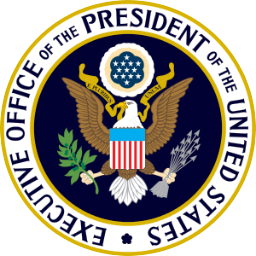
The executive branch of government is
the President of the United States.
The president has the authority to carry out or enforce laws, and can make treaties with other countries. He/She is Commander in Chief of the country's armed forces.
Founding Fathers
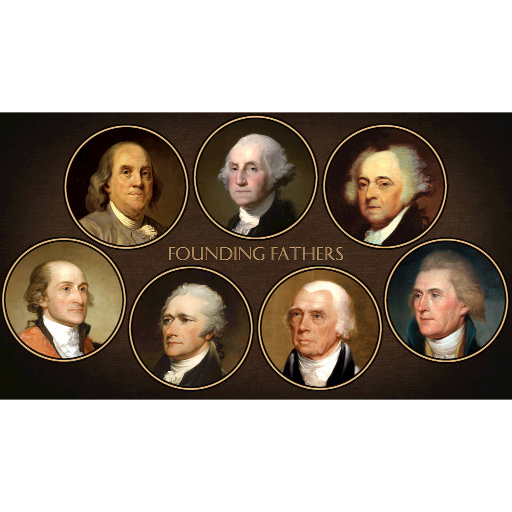
Thomas Jefferson, James Madison, Benjamin Franklin, Thomas Jefferson, and George Washington are just a few of the people who laid the groundwork for the Constitution and the founding of our democratic government.
General Welfare
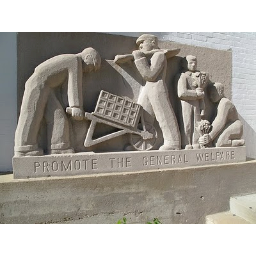
The General Welfare clause,
Article 1, Section 8, gives
Congress the power to "lay and collect Taxes, Duties, Imposts, and Excises, to pay the Debts and provide for the common defense and general welfare of the United States."
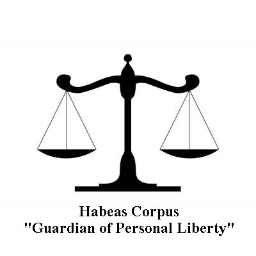
Habeas Corpus
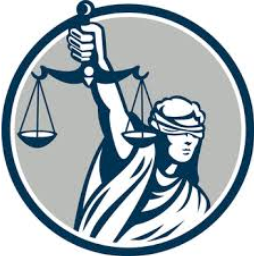
The Writ of Habeas Corpus is the right that no one can be held in prison without being charged with a crime first.
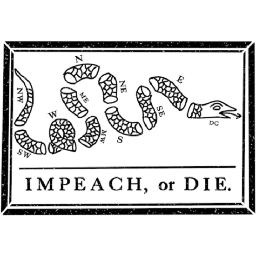
Impeachment
Impeachment is a charge of misconduct against the president and may result in him/her being removed from office.
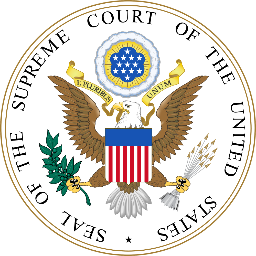
Judicial Branch
The Judicial branch of government is the Supreme Court is the top of the American judicial system. Its none justices serve Americans by being the nation's final court of appeals. The Supreme Court is sometimes called "the Court of Last Resort," since its decisions in cases are final.
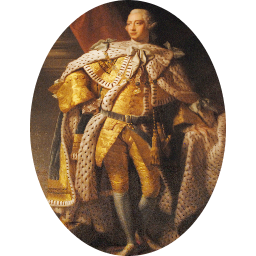
King George iii
King George III ruled over Great Britain and its colonies. His unlawful rules and abuse of American colonists were the main reasons that the United
States declared their independence and
fought the Revolutionary War. His tyranny was exactly what the delegates wanted to protect their new nation from as they drafted the Constitution.
Legislative Branch
The legislative branch of our government is Congress. Congress is made up of two houses: the upper house - the Senate - and the lower house - the House of Representatives. The legislature represents the citizens and writes and passes laws.
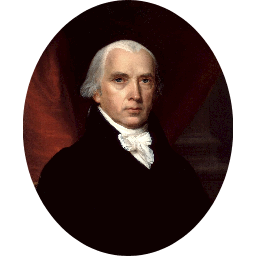
Madison, James
Madison, a Virginian, was probably the
most researched and prepared delegate
at the Constitutional Convention. He
wrote the first drafts of the Constitution
and called for the Bill of Rights. Today, he is often called the "Father of the Constitution." He went on to establish the Democrat-Republican Party with President Thomas Jefferson, and in 1808, Madison became our fourth president.
Necessary and Proper
(elastic clause)
Article 1, Section 8, Clause 18, states that Congress can "make all laws which shall be necessary and proper" for carrying out certain duties. This is called the "elastic clause," because it allows Congress some flexibility in its powers when dealing with the evolving needs of the nation.

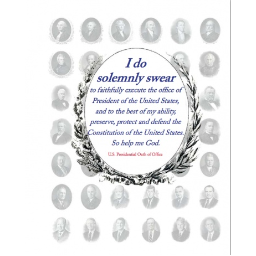
Oath of Office
The Constitution includes an Oath
of Office, containing fourteen words
that the president speaks aloud at
his/her inauguration. The president
repeats the each word that the Supreme Court Chief Justice says; if president skips a word or fumbles, he/she must say the oath over again.
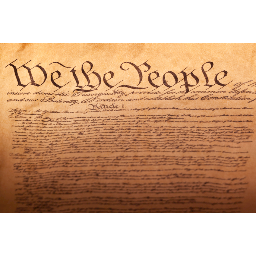
Preamble
The Preamble is the
beginning of the
Constitution that outlines why there is a Constitution and why the new nation government was made a republic (to protect the nation and its citizens). The opening statement is "We The People in order to form a more perfect union...," and it goes on to list how it does just that.
- Full access to our public library
- Save favorite books
- Interact with authors
- < BEGINNING
- END >
-
DOWNLOAD
-
LIKE
-
COMMENT()
-
SHARE
-
SAVE
-
BUY THIS BOOK
(from $5.39+) -
BUY THIS BOOK
(from $5.39+) - DOWNLOAD
- LIKE
- COMMENT ()
- SHARE
- SAVE
- Report
-
BUY
-
LIKE
-
COMMENT()
-
SHARE
- Excessive Violence
- Harassment
- Offensive Pictures
- Spelling & Grammar Errors
- Unfinished
- Other Problem






COMMENTS
Click 'X' to report any negative comments. Thanks!