













A look at the history of Greensboro, NC
Written by: Allie Dickens


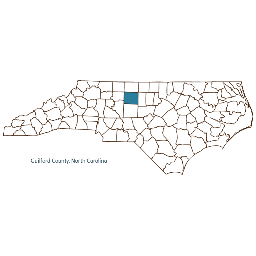
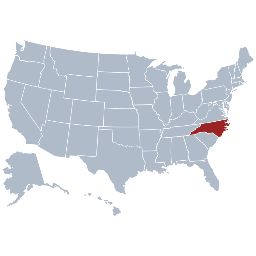
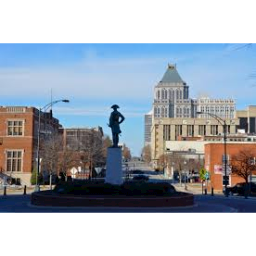
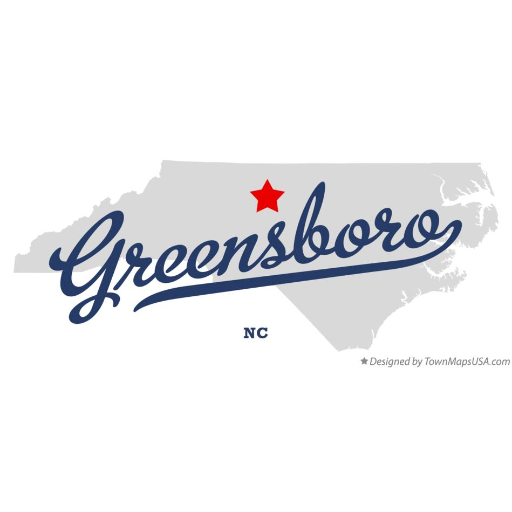
Greensboro was founded in 1808. It is the county seat of Guilford County and presently North Carolina’s third-largest city.


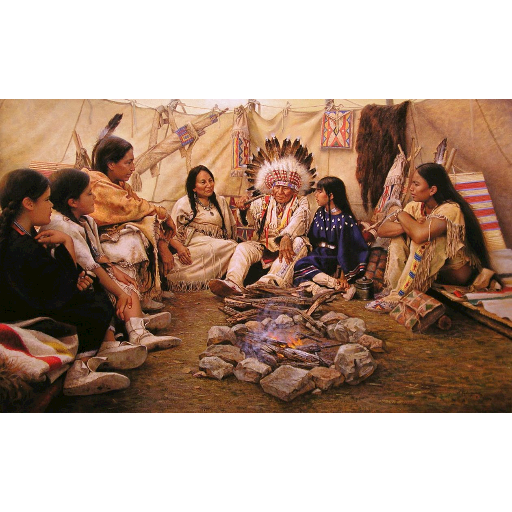
Thousands of years ago, in a place now called Greensboro, NC, Siouan-speaking people called Saura lived in the area.
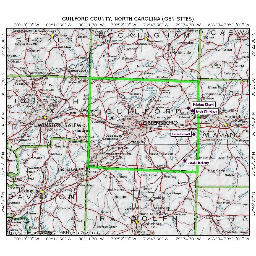
European settlers began settling in the area in the 17th and 18th century. Guilford County’s establishment pre-dates that of Greensboro by nearly four decades.

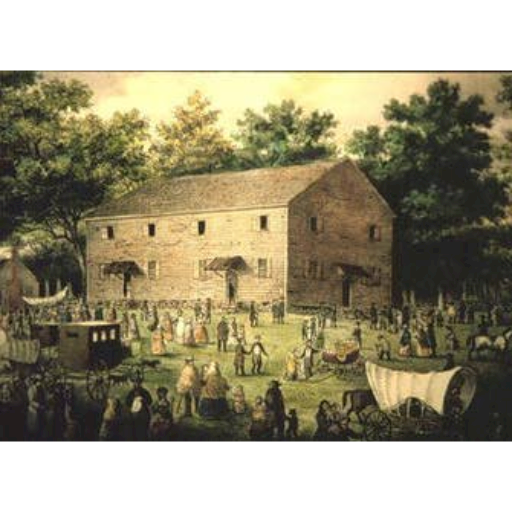
Early settlers were chiefly Scotch-Irish, Quakers, and Germans. Quakers would play a significant role later on.

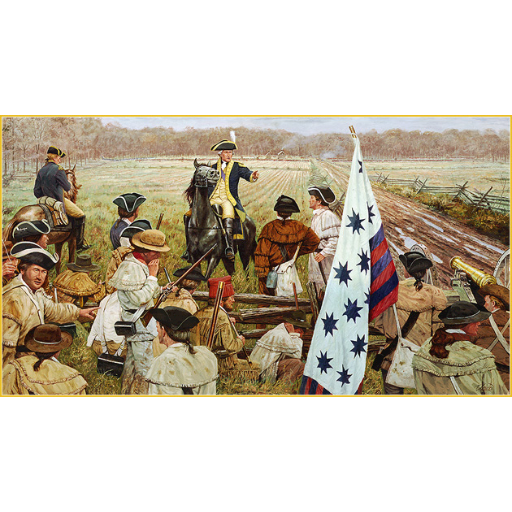
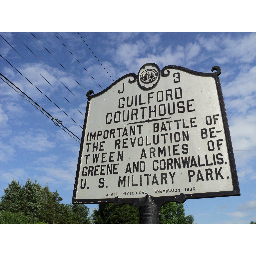
On March 15, 1781, Major General Nathanael Greene and Lieutenant General Charles Cornwallis fought at the Battle of Guilford Courthouse. Though General Greene did not technically win the battle, it is still considered a significant battle towards the turning point of the Revolutionary War.


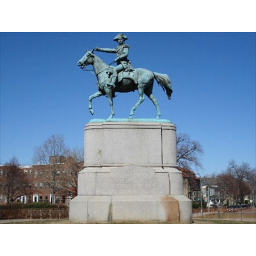
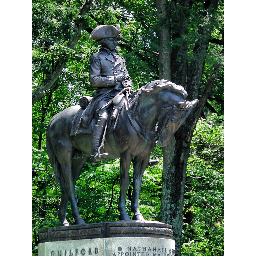
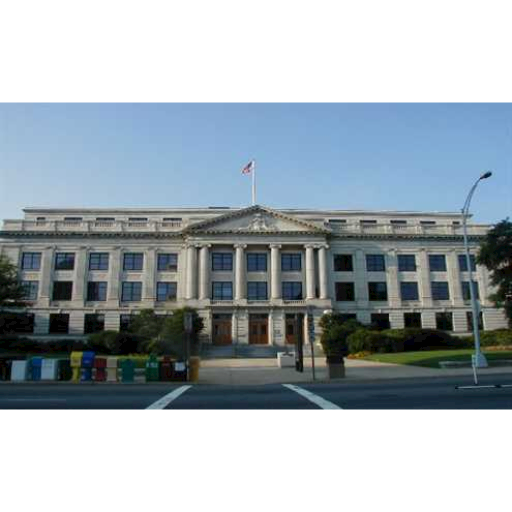
Guilford County Courthouse was relocated to its current location. The small village only extended two blocks each way from the Courthouse. This village was named Greensboro in 1808 after Gen. Nathanael Greene (spelled "Greensborough" until 1895).


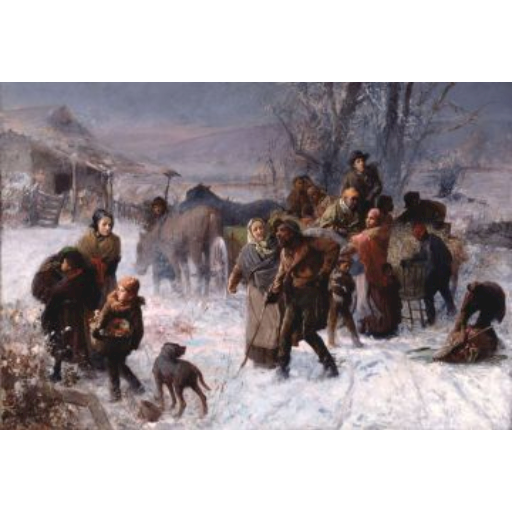
In 1809 Quaker slaveholders in Guilford County deeded all of their slaves which over the next few years spent about $13,000 relocating blacks in northern states, Haiti, and Liberia.

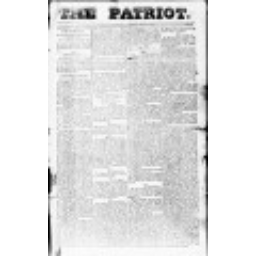
The Greensborough Patriot (Greensboro) was the state's only abolitionist newspaper.


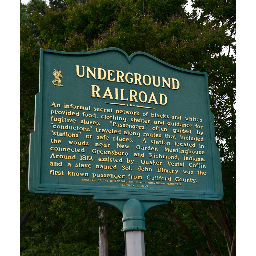
As early as 1819, Vestal Coffin had established an Underground Railroad station in Guilford County. His sons Alfred and Addison carried on his work, as did his cousin Levi Coffin. These four, but especially Levi, were unquestionably the best-known of Guilford County's abolitionists.
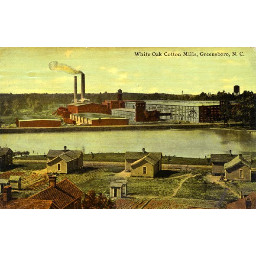
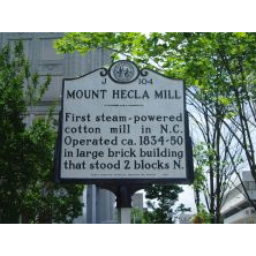
During the Antebellum period, Greensboro was just a sleepy courthouse town in North Carolina. Then, in 1834, the state’s first steam-powered cotton mill was opened in Greensboro.

The Mount Hecla Mill only lasted until 1850.


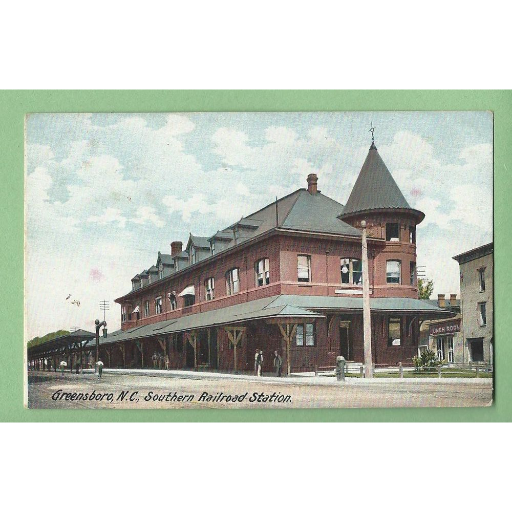
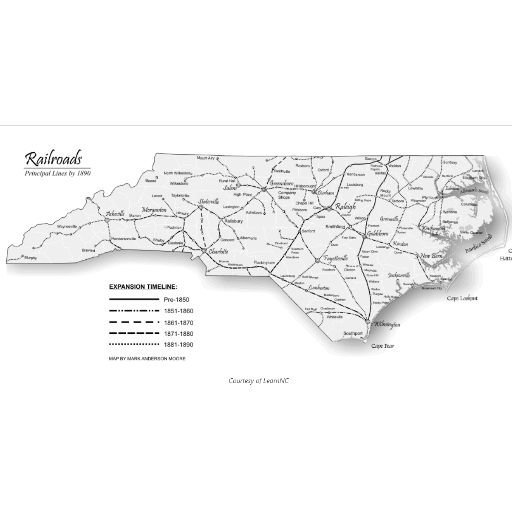
Railroads forever changed the small town. Former Governor John Motley Morehead, and other prominent Greensboro men, successfully lobbied the State Legislature in 1849 to direct the route of the North Carolina Railroad northward through the city. The route connected Goldsboro, NC to Charlotte, NC and was completed by 1856.


By the end of the 1800s, several other rail lines originated and passed through Greensboro. Greensboro is known as the “Gate City,” because it was a major thoroughfare in commerce.


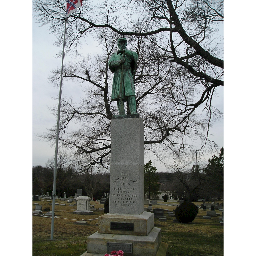
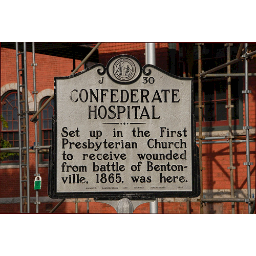
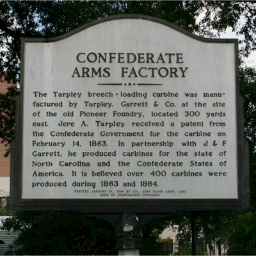
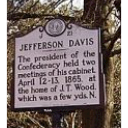
Civil War: Local men served in the Confederate Army. There were no battles in Greensboro, however several seeked refuge in the area. Wounded soldiers (from both sides) arrived by train for care in makeshift hospitals. Confederate president Jefferson Davis and his cabinet arrived in Greensboro by train on their retreat from Richmond.


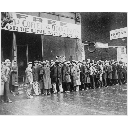
During the Depression, hundreds lost their homes – this included the lower and middle classes, as well as the elite who lived in Fisher Park and Irving Park. The city and county government laid off workers. Schools eliminated “non-essential” offerings like music.


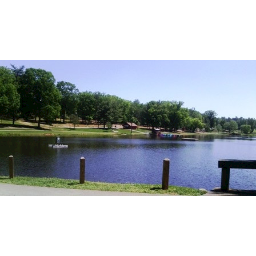
PWA workmen, joined by local out-of-work citizens rounded up by Mayor Paul Lindley, built Country Park, enjoyed by thousands today.


Out-of-work men joined the Civilian Conservation Corps (CCC), Works Progress Administration (WPA) and Public Works Administration (PWA), three of the alphabet agencies created by the Franklin Roosevelt Administration.


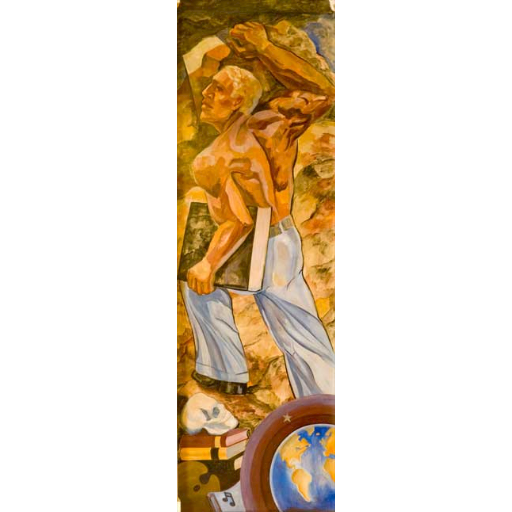
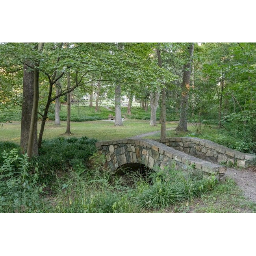
Roosevelt workers built the quaint bridges in Fisher Park and scores of other beautification projects, including a mural in the auditorium at Grimsley High School that is still intact more than 70 years later


- Full access to our public library
- Save favorite books
- Interact with authors


- < BEGINNING
- END >
-
DOWNLOAD
-
LIKE(1)
-
COMMENT()
-
SHARE
-
SAVE
-
BUY THIS BOOK
(from $4.59+) -
BUY THIS BOOK
(from $4.59+) - DOWNLOAD
- LIKE (1)
- COMMENT ()
- SHARE
- SAVE
- Report
-
BUY
-
LIKE(1)
-
COMMENT()
-
SHARE
- Excessive Violence
- Harassment
- Offensive Pictures
- Spelling & Grammar Errors
- Unfinished
- Other Problem

COMMENTS
Click 'X' to report any negative comments. Thanks!