
When you look up at the night sky, what do you see? You probably see many bright dots, some bigger and brighter than others. These bright dots are called stars. And the universe is home to billions and billions of them!
Every star goes through a life cycle just like you and I do--well, almost like you and I do. A star's life depends on how big it is when it's born. For instance, low mass stars will live long but unexciting lives. High mass stars will live very short but exciting lives. Every kind of star helps make the building blocks of our universe, so it's important to know how they are formed and how they change as they grow.
Bright Beginnings
All stars start out in giant clouds
of dust called nebulae.
Gravity forces the dust to bunch together

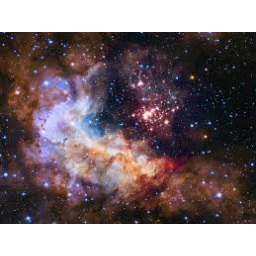
A Star is Born
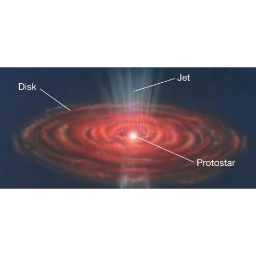
As more and more dust bunches up, gravity gets stronger and it starts to get hot and becomes a protostar. Once the center gets hot enough, a process called
nuclear fusion begins and a
young star will be born.
Main Sequence Stars
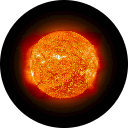
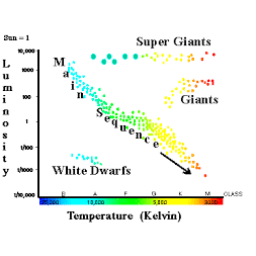
Once a star, it will continue to burn energy and glow for
billions of years. This is the stage of the star for the
majority of its life and is called the main sequence.
All stars go through this stage.
Our own sun is in this stage
right now!
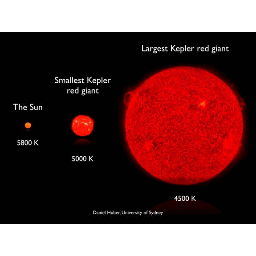
Red Giants and Supergiants
When the hydrogen runs out,
the outside of the star expands,
becoming much bigger and cooler.
Low mass stars become red giants
and high mass stars become
supergiants.
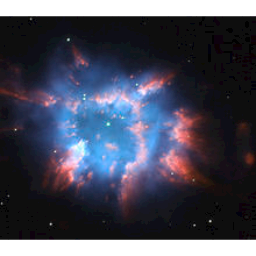
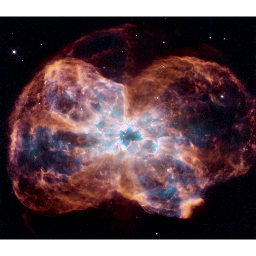
Planetary Nebula
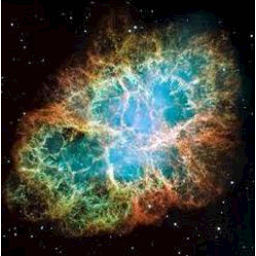
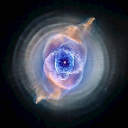
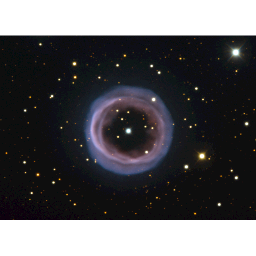
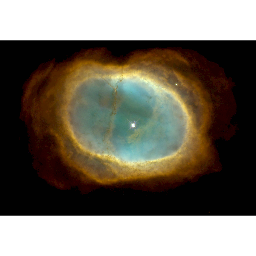
Eventually the core of the low mass star will start to make iron. This will cause the star to collapse and blow off its outer layers, creating an explosion called a planetary nebula. These outer layers of gas expand into space, forming a nebula
which is often the shape of a ring or
bubble. This shape is how the this
nebula gets its name--it actually has
nothing to do with planets!
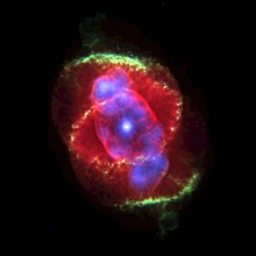
Every planetary nebula has a hot central object which excites the surrounding nebula gas. The different colors are caused by the different chemicals.
White Dwarf
After a low mass star sheds its outer layers in a planetary nebula, it leaves behind very small, hot stars left from the center of the original star called a white dwarf star.
- Full access to our public library
- Save favorite books
- Interact with authors
- < BEGINNING
- END >
-
DOWNLOAD
-
LIKE
-
COMMENT()
-
SHARE
-
SAVE
-
BUY THIS BOOK
(from $3.19+) -
BUY THIS BOOK
(from $3.19+) - DOWNLOAD
- LIKE
- COMMENT ()
- SHARE
- SAVE
- Report
-
BUY
-
LIKE
-
COMMENT()
-
SHARE
- Excessive Violence
- Harassment
- Offensive Pictures
- Spelling & Grammar Errors
- Unfinished
- Other Problem





COMMENTS
Click 'X' to report any negative comments. Thanks!