







Dedicated to Ms. Frizzle, for teaching other kids and I about valuable topics

"Good morning class!" said Ms. Frizzle.
"Good morning, Ms. Frizzle," said her eager class.
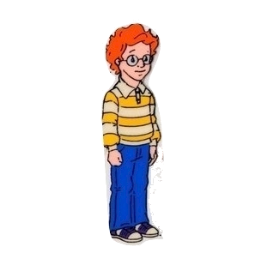
"Please let this be a normal field trip?" said Arnold.
"With the Frizz, no way!" said the rest of the class.
"Today, we will be taking a trip inside a plant to discover two plant processes," said Ms. Frizzle.


"Cellular respiration and photosynthesis!" Ms. Frizzle exclaimed. "Cell respiration is vital because it makes energy for our bodies. Photosynthesis helps plants make food and gives us the oxygen we need to breathe!"
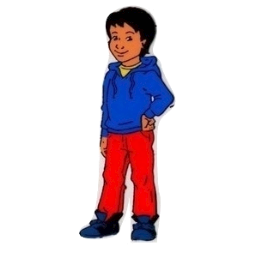
"Wow, so without both of these processes we wouldn't be able to live!" said Carlos.
"That's right," said Mrs. Frizzle.

Cell Respiration
Photosynthesis

"Each process has an equation which explains what goes in, and what comes out of each," Ms. Frizzle said. "Photosynthesis needs six carbon dioxide molecules, six water molecules, and light energy from the sun to create one glucose molecule and six oxygen molecules.
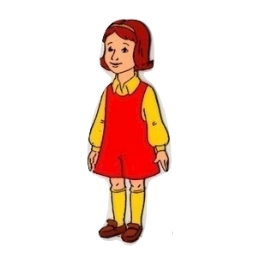
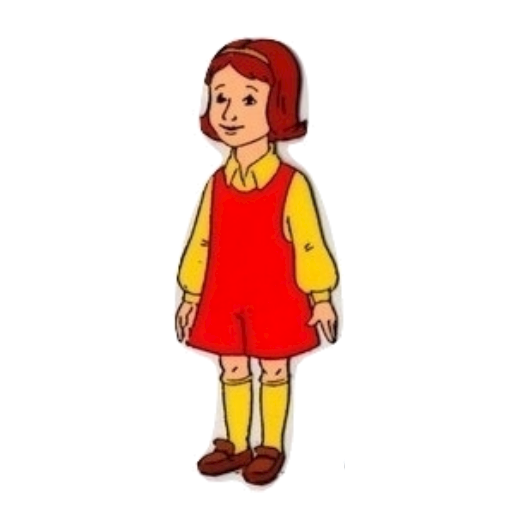
"So the glucose is the food that the plant makes?" asked Phoebe.
"That's right, and the oxygen made is what helps keep us alive," said Mrs. Frizzle.

Photosynthesis:
6 carbon dioxide, 6 water, and solar
energy make one glucose and six
oxygen

"Cell respiration is the almost the exact opposite!" Ms. Frizzle exclaimed. "You need one glucose and six oxygen to create six carbon dioxide, six water, and substances called ATP. Because they are almost opposites, they are both in a cycle, where one uses what one makes and the other as well.
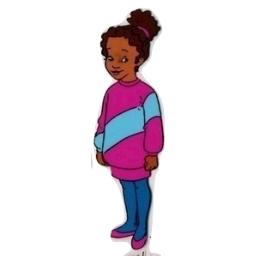
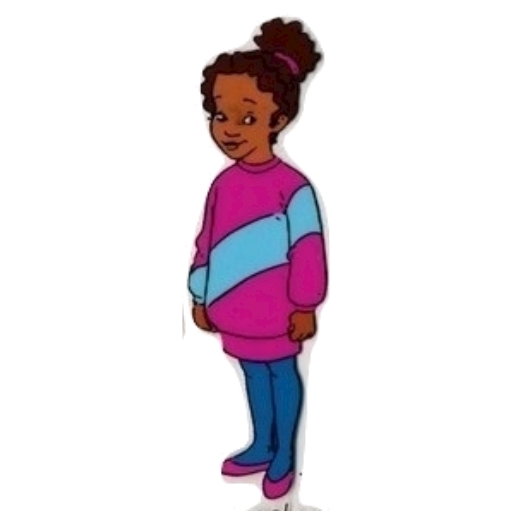
"But doesn't cell respiration make energy?" asked Keesha.
"Yes. The word for energy is ATP. It stands for adenosine triphosphate. It is the basic unit of energy for the cell, which makes it so important," explained Ms. Frizzle.

Cell Respiration:
One glucose and six oxygen
make six carbon dioxide, six
water, and ATP

"So, now that you know the basics, who's ready to go on a field trip?" said Ms. Frizzle.
"Me!" said the whole class except Arnold.
"Oh, no," said Arnold. "What'll go wrong this time?"


"We will be going inside the daffodil you see there," Ms. Frizzle said. "Be prepared to shrink!"
"Ahh!" the students exclaimed for a moment.
"I must tell you first that cell respiration can take place in any cell, but photosynthesis can only take place in plants and some bacteria," Ms. Frizzle explained. "This plant conducts both processes."


"We'll look at photosynthesis first," Ms. Frizzle said. "It is composed of two processes: light dependent reactions and the Calvin Cycle. The light dependent reactions use water and light from the sun."
"How do the chloroplasts collect light from the sun?" asked Carlos.
"Chloroplasts have a pigment called chlorophyll, which makes plants green. It absorbs light from the sun to be used for photosynthesis," Ms. Frizzle said. "It also makes ATP and NADPH, which are used in the Calvin Cycle.


"Light dependent reactions take place in the thylakoid membrane, which look like stacks of green pancakes called grana," Ms. Frizzle said.
A few students started giggling at the comparison.
"LDRs also make oxygen which is what helps us breathe," Ms. Frizzle continued. "LDRs make ATP and NADPH from the ADP and NADP+ that was made in the Calvin Cycle. Thus, photosynthesis is a cycle."


- Full access to our public library
- Save favorite books
- Interact with authors

- < BEGINNING
- END >
-
DOWNLOAD
-
LIKE(3)
-
COMMENT()
-
SHARE
-
SAVE
-
BUY THIS BOOK
(from $5.39+) -
BUY THIS BOOK
(from $5.39+) - DOWNLOAD
- LIKE (3)
- COMMENT ()
- SHARE
- SAVE
- Report
-
BUY
-
LIKE(3)
-
COMMENT()
-
SHARE
- Excessive Violence
- Harassment
- Offensive Pictures
- Spelling & Grammar Errors
- Unfinished
- Other Problem

COMMENTS
Click 'X' to report any negative comments. Thanks!