
Network Basics
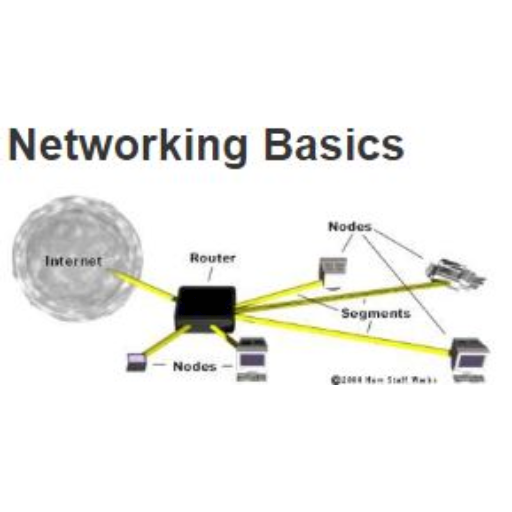
A network is a group of computers connected together in a way that allows information to be exchanged between the computers.
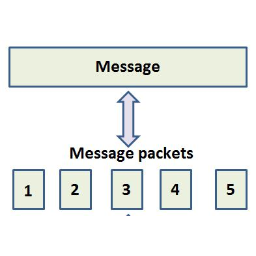
Packet
A piece of a message transmitted over a packet-switching network. See under packet switching.
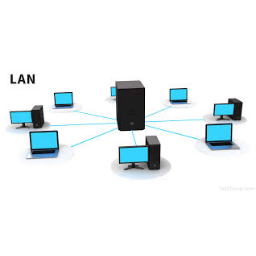
Local Area Network:
Local area network (LAN) technologies connect many devices that are relatively close to each other, usually in the same building.
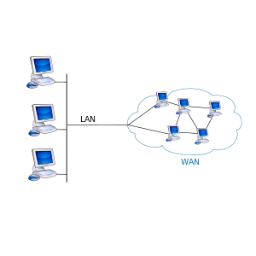
Wide Area Network:
Wide area network(WAN) technologies connect a smaller number of devices that can be many kilometers apart.
Node:
Node - A node is anything that is connected to the network. While a node is typically a computer, it can also be something like a printer or CD-ROM tower.
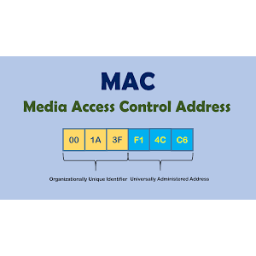
Media Access Control (MAC) address:
This is the physical address of any device -- such as the NIC in a computer -- on the network. The MAC address, which is made up of two equal parts, is 6 bytes long. The first 3 bytes identify the company that made the NIC. The second 3 bytes are the serial number of the NIC itself.
IP address:
IP address is short for Internet Protocol (IP) address. An IP addressis an identifier for a computer or device on a TCP/IP network.
Bus topology:
Bus - Each node is daisy-chained (connected one right after the other) along the same backbone, similar to Christmas lights.
Ring Topology:
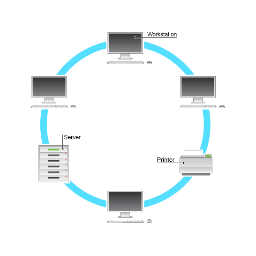
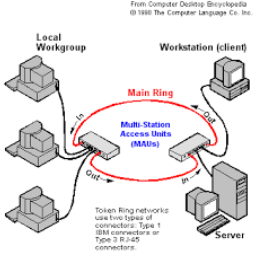
Ring - Like a bus network, rings have the nodes daisy-chained. The difference is that the end of the network comes back around to the first node, creating a complete circuit.
Token:
in programming languages, a single element of a programming language. For example, a token could be a keyword, an operator, or a punctuation mark.
Star topology:
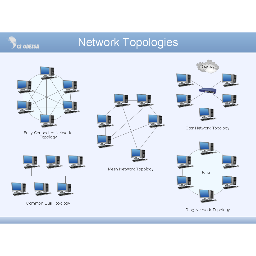
Star - In a star network, each node is connected to a central device called a hub.
Tree topology:
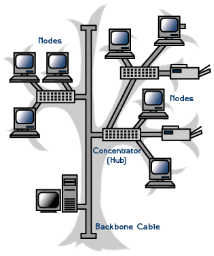
Tree topology: A tree topology combines characteristics of linear bus and star topologies. It consists of groups of star-configured workstations connected to a linear bus backbone cable.
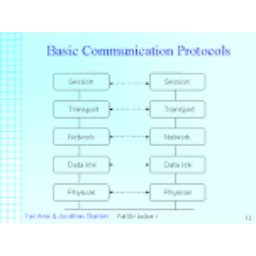
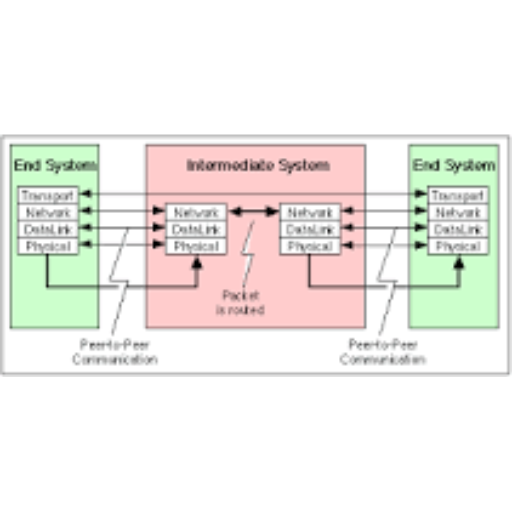
Protocol:
From a user's point of view, the only interesting aspect about protocols is that your computer or device must support the right ones if you want to communicate with other computers.
Peer-to-peer architecture:
Often referred to simply as peer-to-peer, or abbreviated P2P, a type of network in which each workstation has equivalent capabilities and responsibilities.
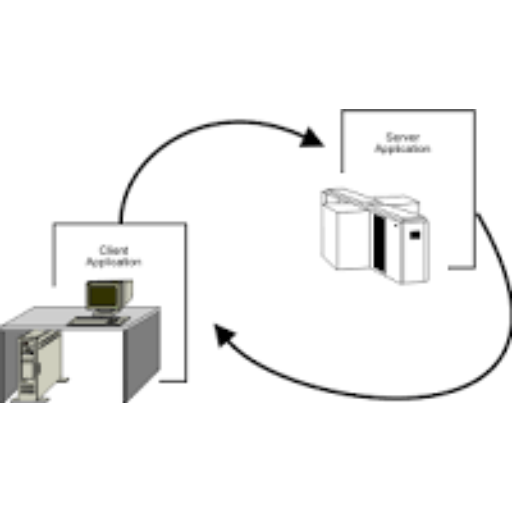
Client-server architecture:
Client-server architecture (client/server) is a network architecture in which each computer or process on the network is either a client or a server.
- Full access to our public library
- Save favorite books
- Interact with authors
The End
- < BEGINNING
- END >
-
DOWNLOAD
-
LIKE
-
COMMENT()
-
SHARE
-
SAVE
-
BUY THIS BOOK
(from $4.99+) -
BUY THIS BOOK
(from $4.99+) - DOWNLOAD
- LIKE
- COMMENT ()
- SHARE
- SAVE
- Report
-
BUY
-
LIKE
-
COMMENT()
-
SHARE
- Excessive Violence
- Harassment
- Offensive Pictures
- Spelling & Grammar Errors
- Unfinished
- Other Problem





COMMENTS
Click 'X' to report any negative comments. Thanks!