Dedicated to my favorite science teacher and class.

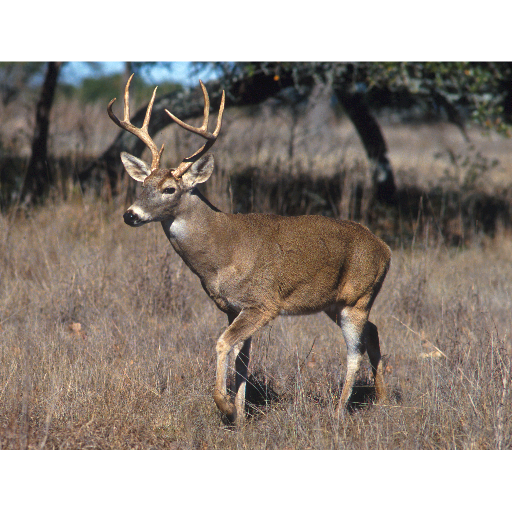
Have you ever heard of a White Tailed Deer? I bet you have! They are the ones that wander into your yard or you hunt for game, but do you really know the White Tailed Deer that well? Did you know they are great swimmers? Or how about that they are the most popular game animal in the U.S.A.? If you want to learn more, keep reading...
The White Tailed Deer (Scientific name Odocoileus virginianus) is apart of the class Mammalia. The Mammalia (aka mammals) give live birth, produce milk for there young and reproduce sexually. White Tailed Deer are also ruminants which means they eat their food twice. They eat it once, throw it up, and eat it again.
Did you know: The White Tailed Deer is the oldest known species of deer.

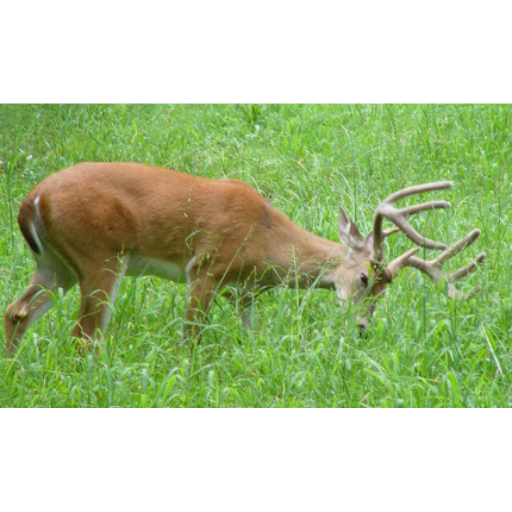
White Tailed Deer mainly live in or by the woods. Some have become smart and live near farms and human civilization so they can eat the food and bird feed. A lot of deer live by large open grasslands that contain grass that they love to feast on.
Did you know: White Tailed Deer can be carriers of Lymes disease.

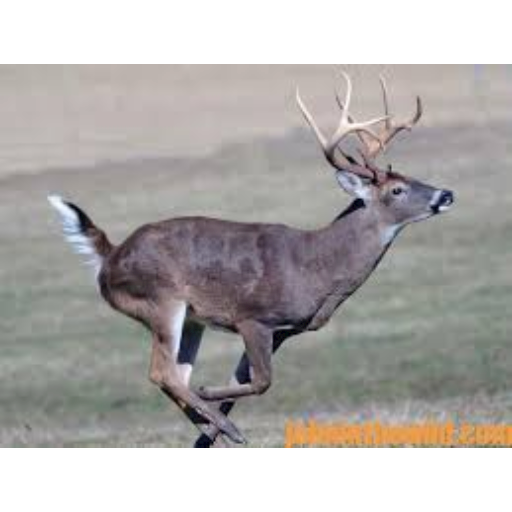
White Tailed Deer have long skinny legs that help them run faster. They have hooves on all four legs and can run up to 30 miles an hour. They have large ears that help them hear predators coming. Males have a large set of antlers that help fight predators and earn mating rights. White Tailed Deer have bilateral symmetry which means if you split them down the middle both sides would be almost identical.
Did you know: White Tailed Deer are native to all continents except Australia and Antarctica.

White Tailed Deer males have antlers that help defend themselves against predators. All White Tailed Deer have a great sense of smell and hearing. Females have excellent camouflage to blend in with their environment. They have darker and lighter spots of brown all over there bodies.

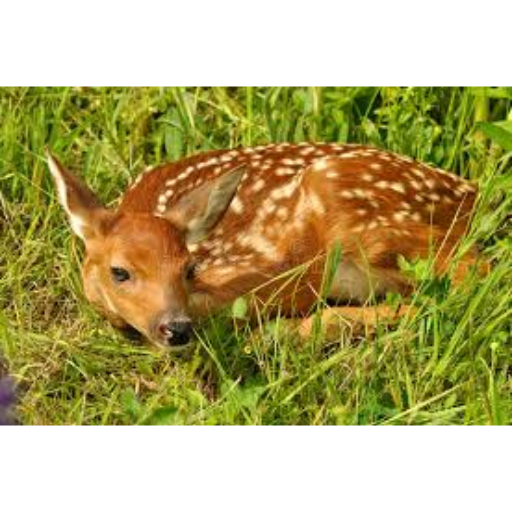
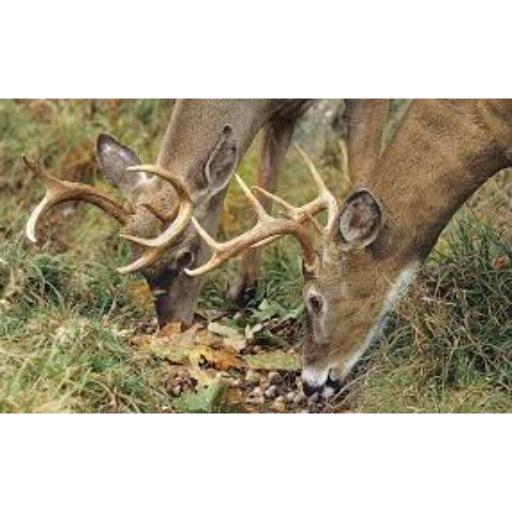
White Tailed Deer can blend in with their environment with their coloring. The ears on the back of their heads allow them to still hear clearly even when they are grazing on grass. The shape of their mouth allows them to pick up and eat acorns on the ground or other food on the ground. A baby White Tailed Deer (doe) has white spots that look like patches of light when lying on the ground in the woods.

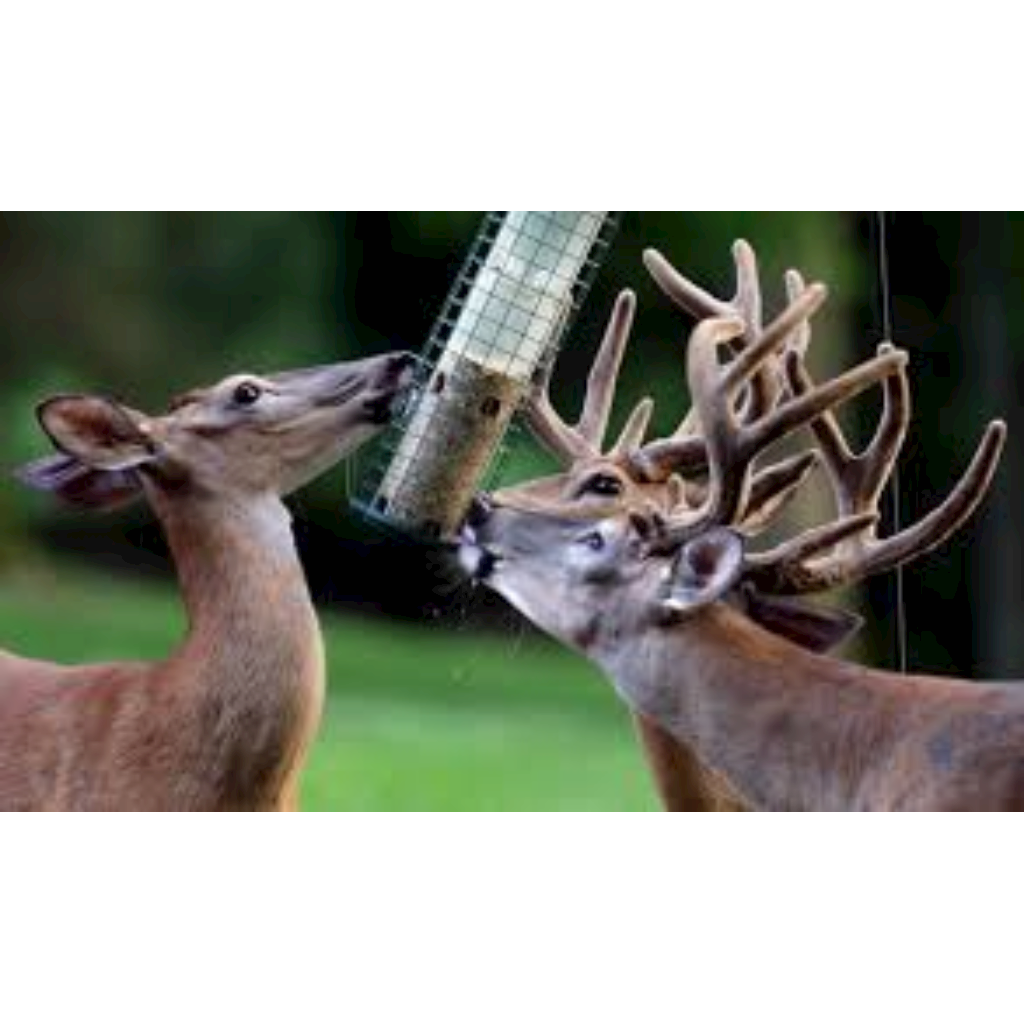
White Tailed Deer have learned to live by civilization in order to eat bird feed and trash. With the expansion of human civilization White Tailed Deer are learning to adapt to their new environment. One thing White Tailed Deer have not adapted to is running out in front of cars. Some White Tailed Deer live far away from human civilization. Some things they can behaviorally learn is where berries are growing and they can remember their location and come back to feast.

- Full access to our public library
- Save favorite books
- Interact with authors

- < BEGINNING
- END >
-
DOWNLOAD
-
LIKE(6)
-
COMMENT()
-
SHARE
-
SAVE
-
BUY THIS BOOK
(from $4.59+) -
BUY THIS BOOK
(from $4.59+) - DOWNLOAD
- LIKE (6)
- COMMENT ()
- SHARE
- SAVE
- Report
-
BUY
-
LIKE(6)
-
COMMENT()
-
SHARE
- Excessive Violence
- Harassment
- Offensive Pictures
- Spelling & Grammar Errors
- Unfinished
- Other Problem

COMMENTS
Click 'X' to report any negative comments. Thanks!