
o Ho Chi Minh: establishing the Communist-ruled Democratic Republic of Vietnam in 1945 and defeating the French Union in 1954 at the battle of Điện Biên Phủ
o Dien Bien Phu: The Battle of Dien Bien Phu was the decisive engagement in the first Indochina War (1946–54).
o Geneva Accords: French agreed to withdraw their troops from northern Vietnam. V
Ngo Dinh Diem: he joined the U.S.-backed government, making himself president in 1955. He imprisoned and murdered hundreds of Buddhists, causing the U.S. to remove its support.
o Vietcong: a member of the communist guerrilla movement in Vietnam that fought the South Vietnamese government
o Gulf of Tonkin Resolution: United States Congress passed on August 7, 1964, in response to the Gulf of Tonkinincident.
o Ho Chi Minh Trail: The Hồ Chí Minh trail was a logistical system that ran from the Democratic Republic of Vietnam to the Republic of Vietnam through the kingdoms of Laos and Cambodia.
o Napalm: is a flammable liquid that was used in warfare.
o Agent Orange: a powerful herbicide used by U.S. military forces during theVietnam War to eliminate forest cover and crops for North Vietnamese and Viet Cong troops.
o Credibility Gap: a term that came into wide use with journalism, political and public discourse
o Vietnamization: the US policy of withdrawing its troops and transferring the responsibility and direction of the war effort to the government of South Vietnam.
o Silent Majority: During his successful campaign for the Presidency in 1968, Richard Nixon promised he had a "secret plan" to end the war in Vietnam.
o My Lai Massacre: The Mỹ Lai Massacre was the Vietnam War mass murder of unarmed Vietnamese civilians by U.S. troops in South Vietnam on 16 March 1968.
o Kent State University: On May 4, 1970, four Kent State University students were killed and nine injured when members of the Ohio National Guard opened fire during a demonstration protesting the Vietnam War
o Pentagon Papers: A Study Prepared by the Department of Defense, is a United States Department of Defense history of the United States' political and military involvement in Vietnam from 1945 to 1967.
o War Powers Act: a federal law intended to check the president's power to commit the United States to an armed conflict without the consent of the U.S. Congress.
o Why did the U.S. get involved?
US wants to prevent a communist takeover of South Vietnam.
o Who was Robert McNamara?
He played a major role in escalating the United States involvement in the Vietnam War.
o What did the Gulf of Tonkin Resolution give Johnson the power to do?
to take any measures he believed were necessary to retaliate and to promote the maintenance of international peace and security in southeast Asia.
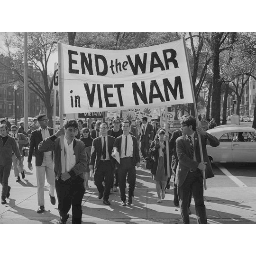
o Who was able to get out of the draft? Why was this unfair?
Men who had physical or mental problems, were married, with children, attending college or needed at home to support their families might be granted deferments.
o What was fighting like in Vietnam compared to other wars?
The US was fighting in a friendly country, trying to destroy an insurgency.
o Why did the Tet Offensive change the public perception of the war? It made the war seem more violent.


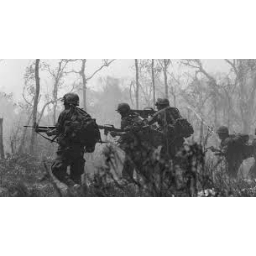
o MLK Assassination
On Thursday, April 4, 1968, King was staying in room 306 at the Lorraine Motel in Memphis.
o Bobby Kennedy assassination
On June 5, 1968, 42-year-old presidential candidate Robert F. Kennedy was mortally wounded shortly after midnight PDT at the Ambassador Hotel in Los Angeles
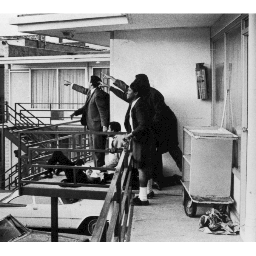
o Tet Offensive
Jan 30, 1968 – Sep 23, 1968 Called The General Offensive and Uprising of Tet Mau Than 1968 by North Vietnam and the NLF, was one of the largest military campaigns of the Vietnam War,
o Walter Cronkite’s involvement in spreading word about the Tet Offensive
The offensive was a crushing military defeat for the Viet Cong and the North Vietnamese, but the size and scope of the communist attacks had caught the American and South Vietnamese allies completely by surprise.
Hippie- a person of unconventional appearance, typically having long hair and wearing beads, associated with a subculture involving a rejection of conventional values and the taking of hallucinogenic drugs.
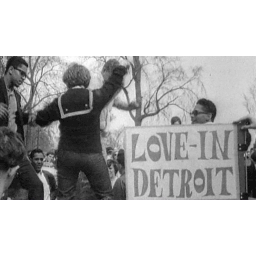
Being a hippie is about freedom.
You can only understand a lot of things if you got high.
They are fashionable and artistic

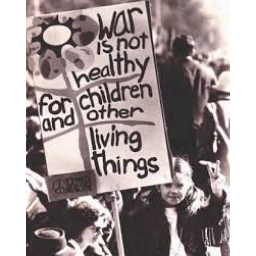
Vietnamization was a policy of the Richard Nixon administration to end U.S. involvement in the Vietnam War through a program to "expand, equip, and train South Vietnamese forces.
On May 4, 1970, four Kent State University students were killed and nine injured when members of the Ohio National Guard opened fire during a demonstration protesting the Vietnam War.
My Lai Massacre was the Vietnam War mass murder of unarmed Vietnamese civilians by U.S. troops in South Vietnam on 16 March 1968. Between 347 and 504 unarmed people were massacred by the U.S. Army soldiers.
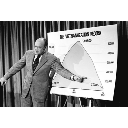
o When did the U.S. leave Vietnam?
Direct U.S. military involvement ended on 15 August 1973.
o How were soldiers treated when they arrived home?
There were no victory parades or welcome-home rallies. Instead, most Vietnam veterans returned to a society that did not seem to care about them, or that seemed to view them with distrust and anger.
o How many people died and were wounded in Vietnam? 30,000
o How much money did the U.S. spend? $168 billion
Richard Nixon
37th President of the United States
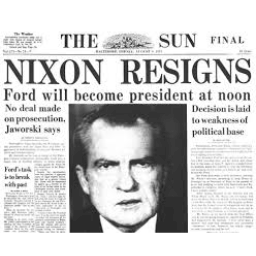
The Watergate scandal began early in the morning of June 17, 1972, when several burglars were arrested in the office of the Democratic National Committee, located in the Watergate complex of buildings in Washington, D.C. This was no ordinary robbery: The prowlers were connected to President Richard Nixon’s reelection campaign, and they had been caught wiretapping phones and stealing documents.
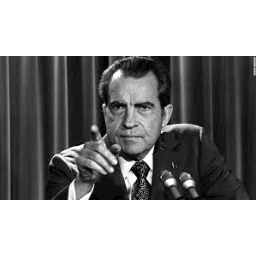
Nixon took aggressive steps to cover up the crime afterwards, and in August 1974, after his role in the conspiracy was revealed, Nixon resigned. The Watergate scandal changed American politics forever, leading many Americans to question their leaders and think more critically about the presidency.

- Full access to our public library
- Save favorite books
- Interact with authors
- < BEGINNING
- END >
-
DOWNLOAD
-
LIKE
-
COMMENT()
-
SHARE
-
SAVE
-
BUY THIS BOOK
(from $4.79+) -
BUY THIS BOOK
(from $4.79+) - DOWNLOAD
- LIKE
- COMMENT ()
- SHARE
- SAVE
- Report
-
BUY
-
LIKE
-
COMMENT()
-
SHARE
- Excessive Violence
- Harassment
- Offensive Pictures
- Spelling & Grammar Errors
- Unfinished
- Other Problem






COMMENTS
Click 'X' to report any negative comments. Thanks!