Aceste proiecte nu ar fi posibile fără implicarea părinților și a elevilor mei cărora le mulțumesc!
Mulțumesc domnului director în special pentru susținere!
Mulțumesc întregii conduceri!

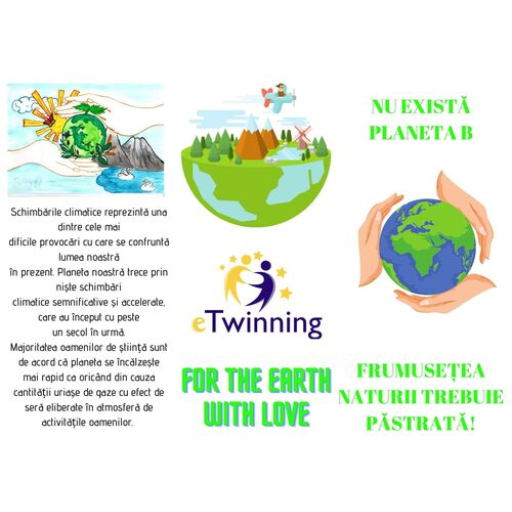
Proiectul prezintă idei inovative legate de integrarea educației ecologice la ciclul primar.
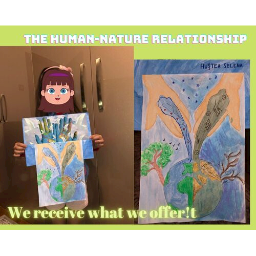
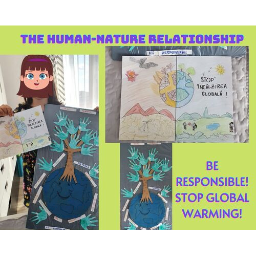
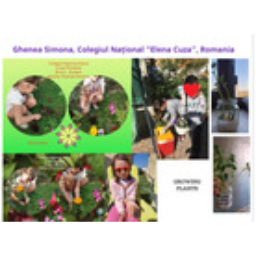
Scopul acestui proiect rezidă în a introduce copiii în lumea naturii, pentru a-i învăța să o iubească și să o protejeze. Toate activitățile sunt bazate pe metodele gândirii critice și pe tipul de PBL.
Fără educaţie ecologică, prin care să insuflăm elevilor respectul pentru mediul înconjurător, nu putem vorbi despre o şcoală care se doreşte a fi europeană. Educaţia ecologică trebuie începută încă de la vâstele cele mai mici, tocmai pentru a reuşi în timp formarea unei conduite adecvate, omul de mâine să fie capabil să discearnă asupra binelui şi a răului, să acţioneze în folosul naturii şi a sa. Educaţia ecologică este un domeniu extrem de generos, interesant şi atractiv pentru majoritatea copiilor. Copilul de vârstă şcolară mică nu trebuie bombardat cu cunoştinţe teoretice, ci trebuie implicat în activităţi practice cât mai variate şi mai atractive, care să vină în întâmpinarea curiozităţii senzoriale în plină dezvoltare. Nu bogăţia cunoştinţelor de biologie interesează în primul rând, ci cunoaşterea şi menţinerea în forul interior al copilului a următoarelor stări: - dorinţa de a cunoaşte universul lumii vii; - puterea de a ocroti formele de viaţă; Obiectivele urmarite pentru realizarea educaţiei ecologice în acest proiect:
- să conştientizeze interdependenţa dintre calitatea mediului şi calitatea vieţii;
- să-şi însuşescă cunoştinţele referitoare la complexitatea relaţiei dintre speciile unui ecosistem;
- să ia atitudine faţă de orice activitate care poate distruge echilibrul din natură;
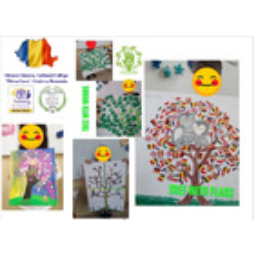
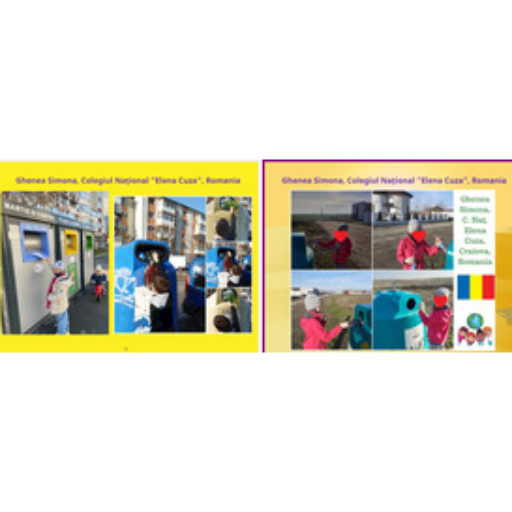
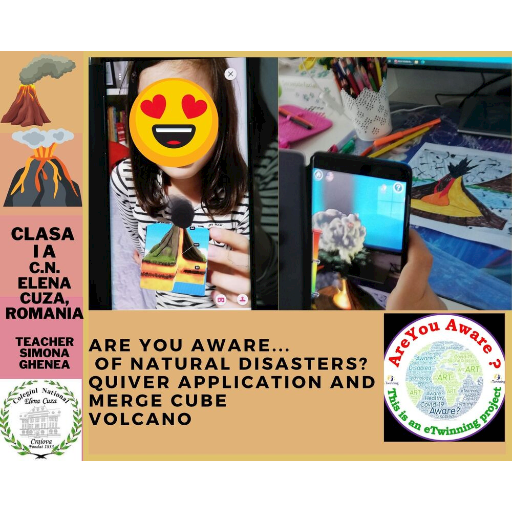
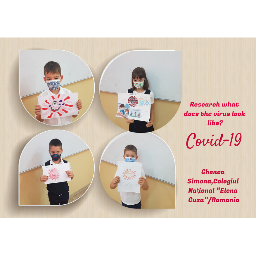
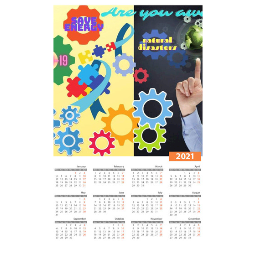
ARE YOU AWARE?
proiect pentru copiii cu vârsta cuprinsă între 7 și 11 ani
Acest proiect are ca scop responsabilizarea elevilor cu privire la aspecte ce țin de dezvoltare personală, sănătate, economisirea energiei, protecției mediului.
Activitățile jalonează în jurul unor teme principale pe care partenerii le analizeaza împreună, colaborând la crearea unor produse care să reflecte contribuția originală a fiecăruia.
Teme:
Covid-19, Dezastre naturale, Educație pentru economisire, Dezvoltare personală, Mindfulness, etc.
Ca produse propuse pentru a surprinde esența proiectului sunt -un ebook , cd, carte și mai multe jocuri digitale create de parteneri.
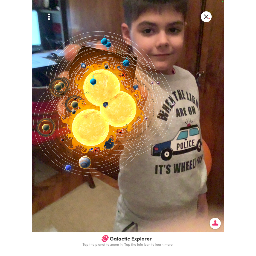
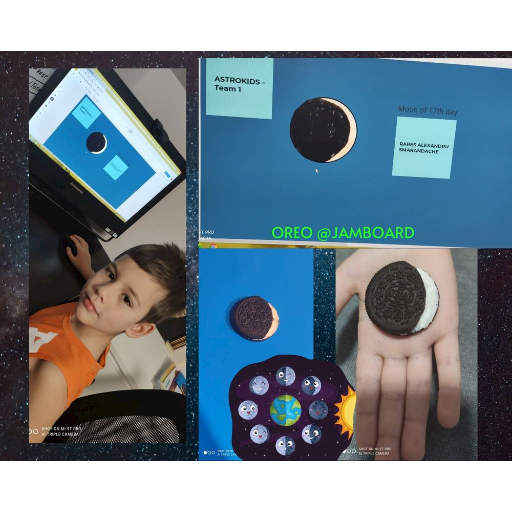
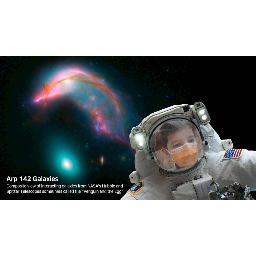
ASTROKIDS
Cerul și corpurile cerești au fost întotdeauna subiectul interesului și curiozității pentru oameni. Încă din vârstele timpurii, această curiozitate despre univers i-a determinat pe oameni să observe și să cerceteze constant. Deși își păstrează misterul și astăzi, informațiile pe care le avem trebuie explicate elevilor astfel încât aceștia să devină exploratori ai domeniului. Scopul proiectului este de a crește gradul de interes pentru activitățile STEM si cele legate de spațiu al elevilor din grupa de vârstă 7-11 ani și de a le spori cunoștințele despre domeniu.

Dezvoltarea personală este un element cheie al succesului în toate domeniile vieții și le permite copiilor să-și cunoască și să își dezvolte potențialul în mod optim. Prin urmare, încurajarea elevilor să-și exprime preferințele, cunoștințele de către profesor, va facilita actul educațional, valorificând fiecare individ.
Proiectul este animat de ideea că valorificarea experiențelor și intereselor elevilor stă la baza autenticității învățării.
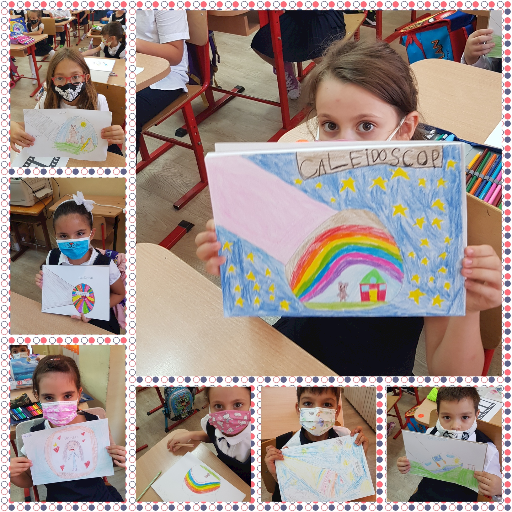
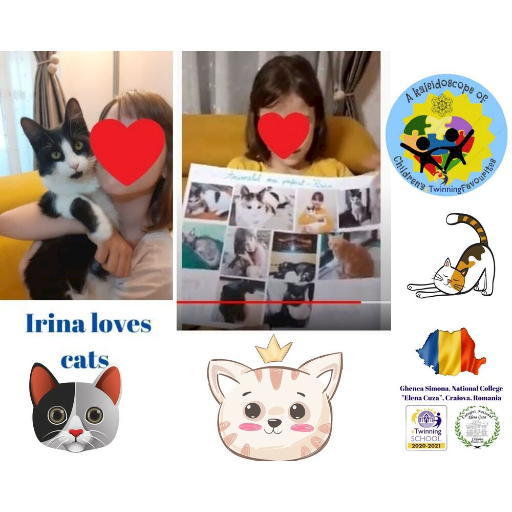
A KALEIDOSCOPE OF CHILDREN'S FAVOURITES
Fondatori: Ghenea Simona -Romania
Dilek Emir-Turcia
MATHEMATIC CAFE
Proiect pentru elevii cu vârsta cuprinsă între 7 și 11 ani.
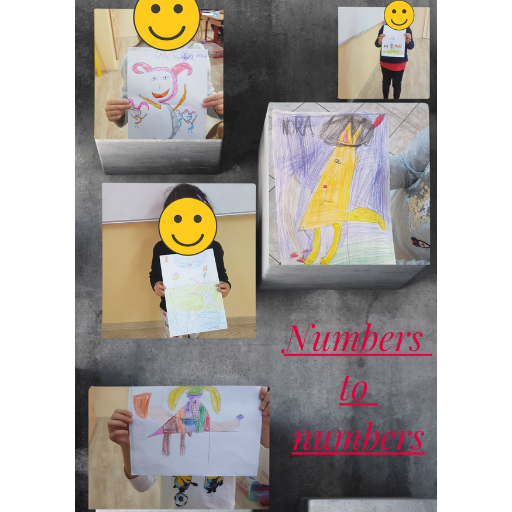
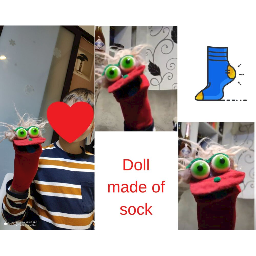
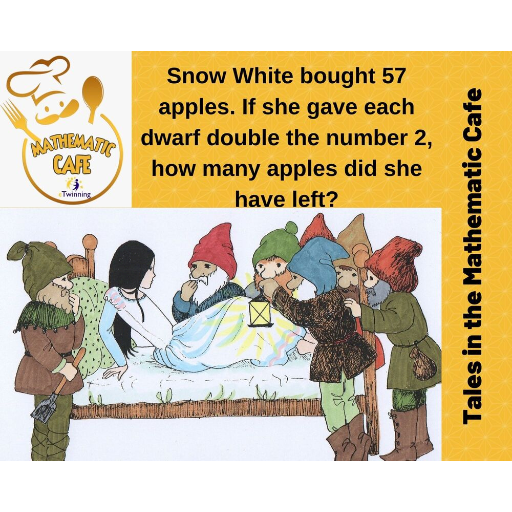
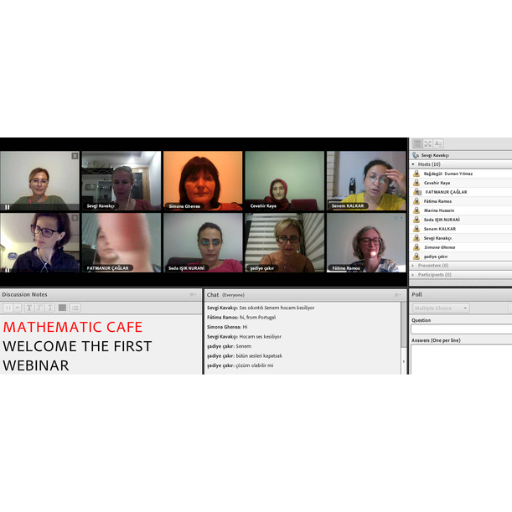
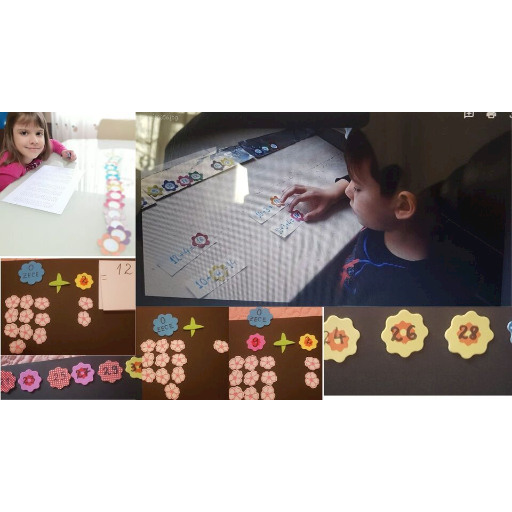
Proiectul Cafeneaua Matematică se bazează pe abordarea lecției de matematică ce este percepută ca fiind dificilă, prin jocuri și aplicații digitale menite să îi atragă pe elevi spre lumea cifrelor.
Includerea MATEMATICII în viața de zi cu zi, dezvoltarea materialelor pentru învățare bazate pe înțelegere și nu pe memorare, competiții, dramatizări și instrumente web2-tot atâtea obiective ale acestui proiect.

POWER OF ART
VÂRSTA ELEVILOR-7-11 ANI
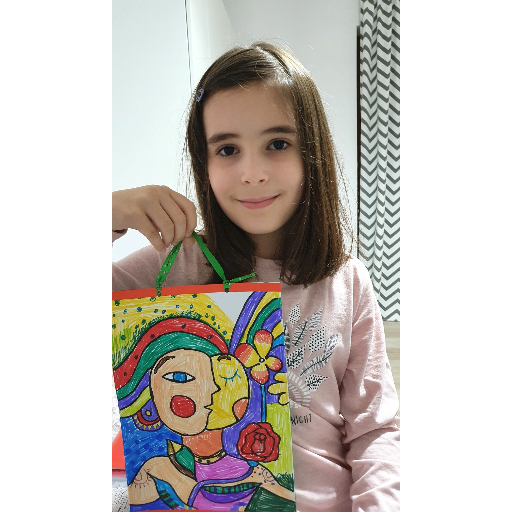
Includerea diferitelor forme de artă (pictură, muzică, dans, teatru, etc) în viața elevului conduce la o deschidere către nou, la întărirea stimei de sine, la sporirea dorinței, precum și a capacității de a fi creativ. Arta a avut mereu rolul de a lăsa omul să fie creativ, să se descopere pe el, să își descopere aptitudinile, abilitățile și capacitățile, arta a reușit mereu să ne facă să comunicăm, să fim deschiși, fără prejudecăți, ne-a ajutat mereu să îl înțelegem mai bine pe cel de lângă noi. Să excludem arta din viața elevului, este ca și cum ai exclude educația din viata lui.Arta dezvoltă gândirea, sensibilitatea senzorială, comportamentală, îl pregătește pe copil sa traiască în frumusețe și armonie. Gesturile, culorile, cuvintele, mișcările, sunetele, sunt mijloace de exprimare, exteriorizare a dorințelor și așteptărilor. Arta are rolul de a sensibiliza, de a socializa și comunica indiferent de limba vorbită, de a exprima bucuria, tristețea,de aceea școala trebuie să gaseasca noi metode de abordare a tânărului, folosind metode alternative de învățare, să fie creativă, profesorul să îl stimuleze continuu pe elev, să îl valorizeze în funcție de potențialul și aptitudinile pe care le are.
“There is nothing new under the sun but there are lots of old things we don’t know.” – Ambrose Bierce
Title: The Little Prince's friends, the little STEM water explorers
Author: Ghenea Simona
Date: March 15-22, 2021
Subject (s): mathematics and natural sciences, engineering, practical skills, water density, capillarity, water aggregation states, etc.
Aims of the lessons:
-familiarization of students with elementary notions about certain concepts, water-based phenomena
-involvement of students in conducting experiments, practical and demonstrative scientific activities
-developing a positive attitude towards science and technology
-grow up with basic scientific concepts
-discover student love for science and learning.
Age of students: 7-8 years old
Preparation time: one week before the chosen students studied the steps for carrying out the experiments
Teaching time: 5 days
Teaching resources (material & online tools)
Materials:
jars, glasses, pencils, worksheets, eggs, food colouring, markers, bottles, candies M & Ms
Online tools:
https://youtu.be/mylCQjryPiU Paxi and the water circuit in nature
https://youtu.be/oaDkph9yQBs NASA | Earth's Water Cycle
https://youtu.be/Oq8iCsV4woE The Water Cycle Song | Science Songs | Scratch Garden
Chatter kids, Genially, Book creator
21-century skills
These lessons aimed at training and developing the following skills defined as 21-century skills:
Critical thinking: Finding solutions to problems
Creativity: Thinking outside the box
Collaboration: Working with others
Communication: Talking to others
STEM activities create critical thinkers, increase scientific literacy and create the premises for the emergence of the next generation of innovators. Innovation leads to new products and processes that support progress, so I believe we need to develop them from a young age.
My goal is to train students in a solid knowledge base in STEM. So I aimed to integrate Stem activities into the first-grade curriculum.
The curriculum of first grade includes contents such as:
Because the Little Prince's Friends are extremely curious, I challenged them to find out as much information about water as possible through experiments and various integrated activities.
Driven by the enthusiasm of 7-8-year-olds, curiosity, the multitude of questions that seek answers and considering the great truth that only through play will understand certain concepts at this age, we embarked on a magical journey into the world of water, following systematically making connections between all the disciplines provided in the class schedule, creating significant learning contexts for real life.
For a week, we entered the world of STEM activities with the help of science, animated by the belief that introducing children to science at an early age helps to develop their brain. Even young children can do scientific experiments. Using materials that children enjoy playing with helps them grow great ideas and understand basic concepts.
We discovered the role of wonder and error to make sense and to find out things about water, and the active involvement of students ensured the success of understanding some early concepts, adapted to the age level.
This age stage is an important moment to stimulate the flexibility of thinking, as well as the creativity of the student. In this regard, we insisted on arousing the child's interest in science, the courage to try and the development of self-confidence. Thus, the game predominated, it was the one who created the context for active, individual and group participation. Also, the emphasis was on the spontaneity and creativity of the answers and not on their scientific rigor. Scientific concepts such as water density, refraction, water circuit, dissolution were explained with the help of attractive experiments, they involved the use of materials easily available, so I recommend them to other teachers, because I noticed that my students were extremely excited, they retained more easily and learning was done by doing, which ensures the retention of information in the long run.
Day 1- Introductory activities
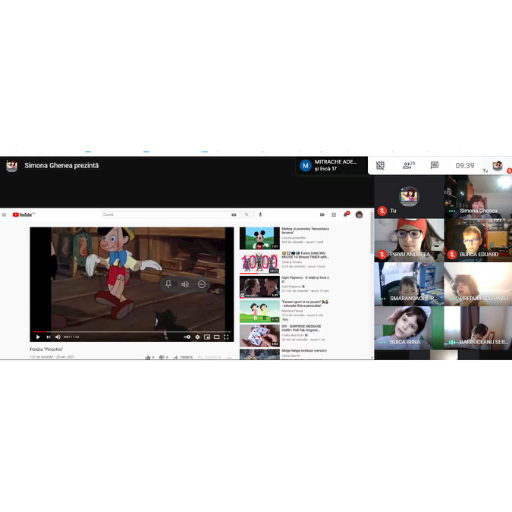
For the first day, I captured the attention with the help of the video https://youtu.be/mylCQjryPiU PAXI AND THE WATER CIRCUIT IN NATURE. With the help of the character, the students learned about the wonderful journey of water in nature, saw in the video about the three states of aggregation and answered questions after watching.
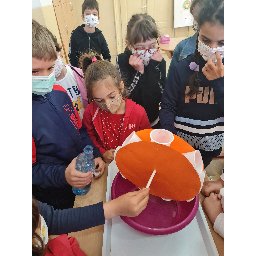
I challenged them to strengthen their creative skills and they built a wheel that through its movements revealed a moment in the water circuit. We have also integrated the visual arts skills and practical skills in this way.
The film made by NASA https://youtu.be/oaDkph9yQBs was used to make children aware of the role of water on a planetary level and to describe the areas for which it is a vital source, but also that without water we cannot survive. The illustrated song https://youtu.be/Oq8iCsV4woE about the water circuit, although funny, due to the multiple visual effects, helped them understand phenomena about which they always asked questions such as: why is it raining, why is it snowing?
Activity 1- Magic arrows
Necessary materials:
• arrows in the form of post-it notes
• An empty clear bottle
• The water
Working methods and techniques:
I used problematization, observation and explanation.
I used two arrows of different colours, I glued them on a white background. The arrows will point in different directions. Then I filled the bottle with water.
I invited the children to gradually move the water bottle in front of the sticky note. As the glass moves in front of the sticky note, something amazing happens.
The arrows seem to change direction! I challenged them to tell me what I thought had happened. Students learned that refraction occurs because light bends when it passes through substances such as water and plastic.
As light travels through a substance, it becomes concentrated in a focal point, usually near the centre. After the light passes through the focal point, the rays intersect and make the images appear inverted.
For the following days, I divided them into groups and the representative of each group received instructions from me, videos and worksheets with the necessary steps for carrying out an experiment and the necessary materials. The students played the role of little scientists and learning from their colleagues who performed the experiments, they were extremely attentive. the self-confidence of the students gave them motivation and they exercised the act of communication.
Day 2
The naughty egg
You will need the following:
• 2 jars
• 2 eggs
• Salt
To explain some basic water-related scientific concepts such as density, this experiment is magical! The children were observers, they said what they think will happen if we put salt is only one of the jars and they made estimates, predictions.
The children thus learned about density, they noticed
that the egg in the salt-free jar sank, and the other where the salt was, floated. Saltwater is denser (heavier) than plain water.
In fact, so heavy that it can withstand the weight of objects heavier than an egg.
They told real-life examples where this experiment is illustrated - saltwater basins, etc.
Students solved math problems to calculate the capacity of various containers.
The third day
M&MS magic
For the experiment you need:
• Plate
• water
• M&MS, Skittles or candies
The student showed his colleagues based on the instructions previously received what happens if we put water over candies. Brainstorming was used to get creative ideas from students about what would happen if we put hot water, vinegar, cola.
They understood the phenomenon of the plate-dissolving of sugar in candies and food colouring.
They have similar amounts coated on them so they dissolve at similar speeds and stay in their lanes.
We applied the scientific method, a very simple process that we do every time we do a scientific experiment. How did I apply M&MS candy to this experiment?
1. Ask a question
This is where the children shine. All children have many questions. For this experiment, our question was "Can we get a rainbow on a plate?" "Will they dissolve?" or "Will the colours mix?" The driving force behind the experiment was the questions.
Research
I researched how a single candy dissolves, small tests were done and I used mathematical calculations for the dissolution time.
"Would one colour dissolve more than another?" Once we received this answer, we were ready to address our big question.
Assumption
This is your prediction, based on research and maybe some preliminary tests, about the results of the experiment. The children predicted that they would be able to make a rainbow with MMS and water.
Experiment and test
Then we set out to do some tests. We arranged our M&MS (on beautiful white plates), added a little water and followed the procedure.
Observe and evaluate
They noticed and noted the times, they were amazed by the simple but effective experiment.
Analyze the results
We analyzed the results to determine if our hypothesis was correct, partially correct, or completely wrong.
On the fourth day there were several activities.
Activity 1-The magician's overturned glass
With the help of this experiment, the students learned why the water in the gauze-covered glass did not flow and learned basic notions about air pressure and water.
Consumables required
• Drinking glass
• The water
• gauze
• Large container
What do you think will happen if you pull your hand? The students wrote down the hypothesis and noticed what happened - the water did not flow.
The reason this experiment works is because of the air pressure! In this experiment, the air pushes up from under the gauze and is strong enough to overcome the weight of the water pushing down towards the gauze. The children were impressed, and at home they each tried the experiment.
Activity 2
The napkin experiments are very simple, but with an amazing effect, the students noticing the capillary action (I didn't use the notion)! I explained what the paper is made of, the role of cellulose and its relationship with water, and on the board I drew the fibers with spaces and by drawing they understood that water wants to fill these spaces. The colors are slippery and that is why they were soluble and traveled with water through the towel to form either the rainbow or various designs.
In the case of the rainbow, it was observed how the water circulates from one glass to another.
Activity 3
Using the SCAMPER technique, I aimed to develop construction skills, creativity, inventiveness, as a premise for future engineering skills.
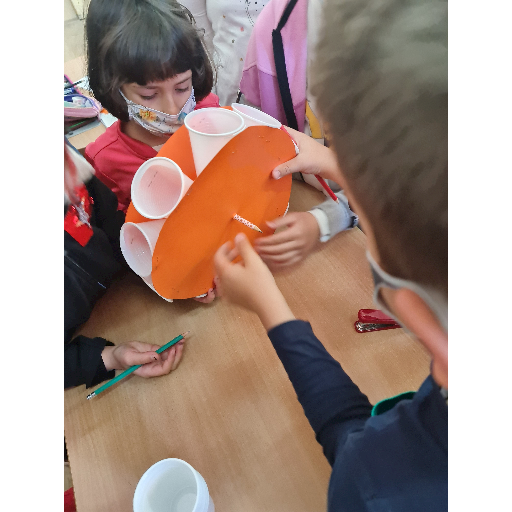
I challenged him to give another use to plastic cups and cardboard. To help them, when they were still young, I showed them a picture with a water mill from the Eftimie Murgu water mill ensemble. They determined who to staple in the team, calculated how many glasses they needed, measured to find the centre of the circle, used recyclable materials, and were amazed when they noticed that their craft wheel was spinning! The Scamper technique was very helpful, I generated the template online with the help of https://online.visual-paradigm.com/.
I used the questions and guided the students:
Substitute
Can you use plastic cups elsewhere or as a substitute for something else?
Combine
What if you combined plastic cups with another material, such as cardboard, to create something new?
Adapt
In what other context could you put the product obtained?
Modify
How could you change the shape of the mill obtained?
Put to Another Use
Who else could use the mill created?
Could you recycle the waste from this product to make something new?
Eliminate
How would you make the mill you created faster?
What would happen if you took some of this product?
Lin said that children are "naturally creative, open to experience and tend to be attracted to new things." I used this close association to provide opportunities for students to initiate creative thinking processes before asking them to innovate a product.
The fifth day was dedicated to assessment and students had questions answered in an online game about water, presented lapbooks about what they learned about water and presented them, then were judged by colleagues. The Chatter Kids application was used to send messages to protect the oceans for pollution with disposable masks.
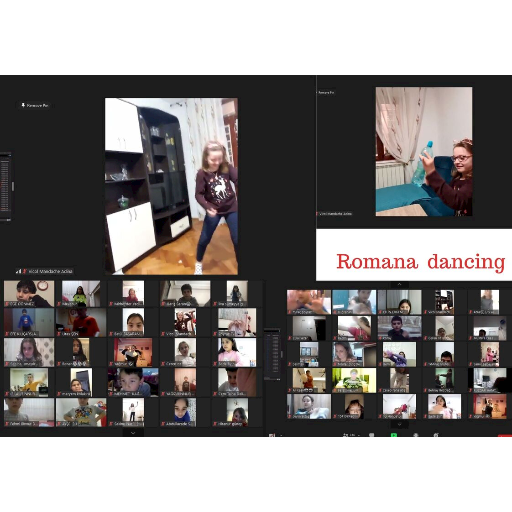
The highlight of the Water Day was the meeting with partners from 5 countries from the eTwinning project ARE YOU AWARE? The students presented the products created for a week, discussed and learned from foreign partners.
The pedagogical value of Stem experiments based on the use of water is especially valuable from an early age, because children understand the notions more easily if they observe, if they do.
The method of learning by doing is always successful, so I recommend teachers to devote at least one week to water activities because students will understand the phenomena more easily, will retain them in the long run and you will see them develop extremely many skills in an integrated way.
The assessment process focused on recognizing the learning experiences and skills acquired by students in created contexts. The students' results were recorded, communicated and discussed with the parents. During the learning and assessment activity, the progress of each student was monitored, encouraged and evaluated.
Student feedback- The students were delighted, they want to carry out even more experiments and they retained the information more easily
https://youtu.be/PJb8VwwZlsA RAINBOW
https://youtu.be/LhTdgSCV-8k EXPERIMENTS WITH WATER
https://youtu.be/hPg34hCac8Y WATER DENSITY
https://youtu.be/v-l4i0TP_r0
https://youtu.be/_sd5qVey-4g
https://youtu.be/f0s6l33F29I
https://youtu.be/haDw09g8PMg
PROIECTE ETWINNING DIN ANUL ȘCOLAR 2019-2020
ETWINNING PROJECTS
Ghenea Simona, clasa pregatitoare A
1.LOVE HUGS THE WORLD
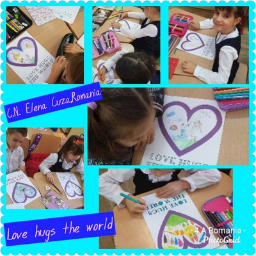
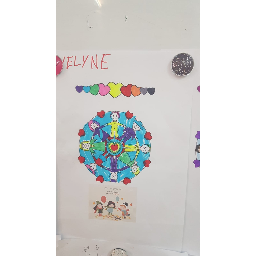

Proiectul este adresat copiilor cu vârsta între 6 și 10 ani, se va desfășura din septembrie 2019 până în mai 2020.
Ideea de baza a proiectului jalonează în jurului pedagogiei lui Pestalozzi:
În procesul educaţiei este important, scrie Pestalozzi în Cântecul lebedei, ca „ochiul să vadă, urechea să audă, piciorul să meargă, iar mâna să apuce. La fel, inima să creadă şi să iubească, mintea să gândească“. Aceasta reprezintă dezvoltarea completă a fiinţei umane. Dacă şcoala actuală vrea să dezvolte numai intelectul copilului, greşeşte fundamental.
Proiectul propune teme precum:
Dragostea față de animale
Dragostea față de natură
Dragostea față de patrie
Prietenia
Dragostea față de familie și valorile acesteia
Dragostea față de școală
Jocul în viața copilului
Muzica și mișcarea
Toate aceste teme vor fi abordate transcurricular și vor urmări aspectele culturale ale partenerilor din proiect.
You And Me Are Different But We Are All Same

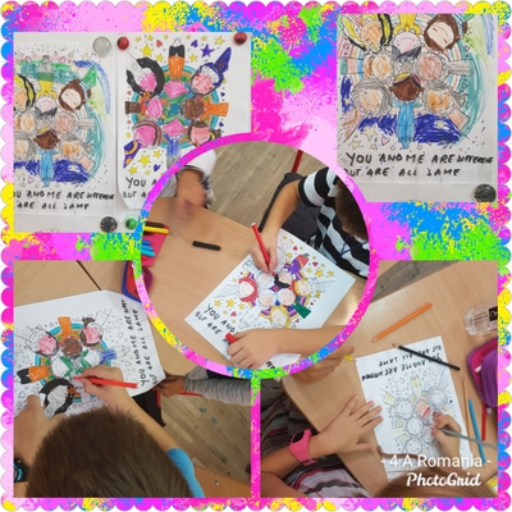
Proiectul este adresat elevilor cu vârste de la 6 la 11 ani și promovează interculturalitatea.
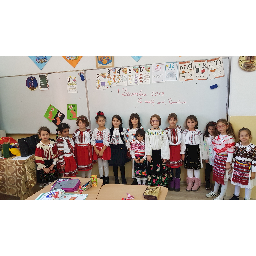
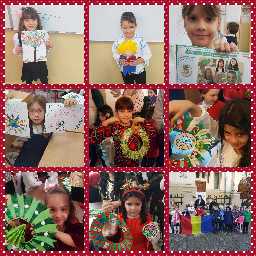
Elevii vor deveni ambasadori ai propriului oraș, promovând tradiții, obiceiuri, produse culinare specifice, arta locului și vor descoperi cultura altor țări, accentul câzând pe relevarea valorilor comune tuturor țărilor implicate în proiect.
Țări implicate:

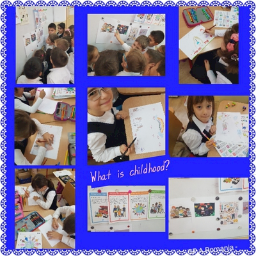
2.. YOU AND ME ARE DIFFERENT BUT WE
ARE ALL SAME
3.FOLLOW THE LITTLE PRINCE
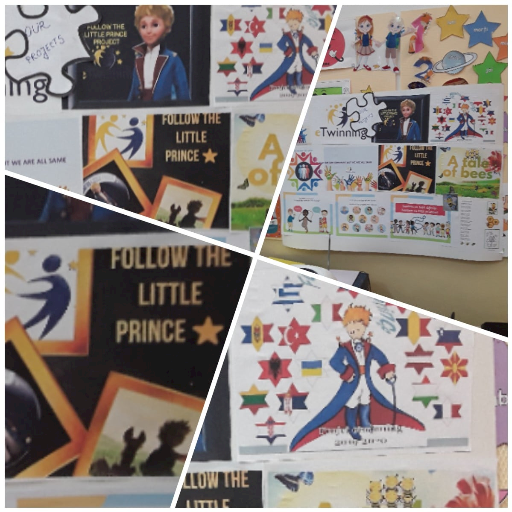
Frumusețea unei cărți, ”Micul Prinț”, surprinsă în diverse moduri, creativitatea, imaginația fiind ingredientele unei călătorii de succes alături de personajele romanului.
Elevii vor realiza împreună cu alte țări un audio-book -Micul Prinț citit în 17 limbi.
https://www.ourboox.com/books/the-little-prince-phenomenon/#
4.
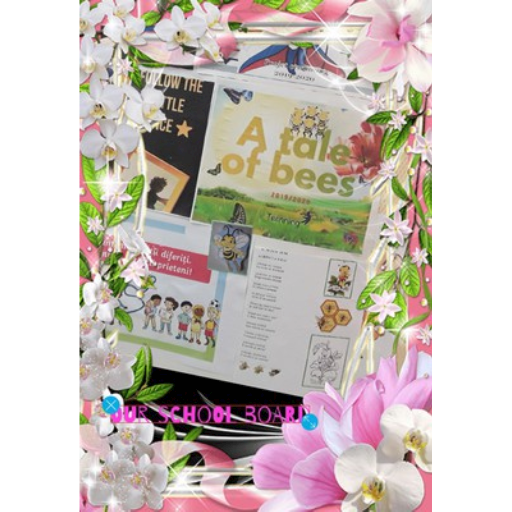
A TALE OF BEES
Bees play a huge role in maintaining balance in nature. It is up to them to depend on food production, biodiversity and environmental sustainability.
The project will include a screening of a movie about bees, a talk and games related to the role of bees in pollination, biodiversity and the benefits of honey.
- Full access to our public library
- Save favorite books
- Interact with authors
- < BEGINNING
- END >
-
DOWNLOAD
-
LIKE(2)
-
COMMENT()
-
SHARE
-
SAVE
-
BUY THIS BOOK
(from $13.79+) -
BUY THIS BOOK
(from $13.79+) - DOWNLOAD
- LIKE (2)
- COMMENT ()
- SHARE
- SAVE
- Report
-
BUY
-
LIKE(2)
-
COMMENT()
-
SHARE
- Excessive Violence
- Harassment
- Offensive Pictures
- Spelling & Grammar Errors
- Unfinished
- Other Problem






COMMENTS
Click 'X' to report any negative comments. Thanks!