This is to all my upcoming students that's going to take psychology

Anorexia- A eating disorder where people starve on purpose.
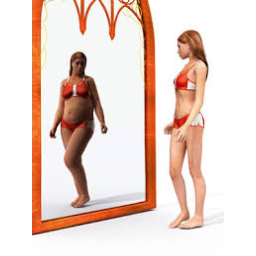
1.Boys make up 10% of anorexia cases
2.Girls with anorexia are 50 times more likely to commit suicide
3.People with anorexia is 12 times higher than the annual death rate
Children with eating disorders such as anorexia need close supervision.
Bulimia- Purging the food from their body by vomiting.
1.Bulimia is a mental disorder
2.Bulimia may be genetic
3.Social pressure can cause bulimia
Because bulimia results with weight control it is often compared to depression.

Cerebellum- Regulates muscular activity in the back of the skull.
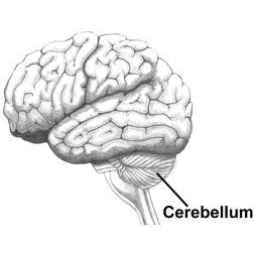
1.The cerebellum is located at the back of the brain
2.It controls movement,coordination & controls balance
3.The cerebellum takes up 10% of the brain's volume and contains half of the brain neurons
The hind-brain or cerebellum is not completely covered by the cerebrum.
Dendrites- The cell body is responsible for receiving neurotransmitters.
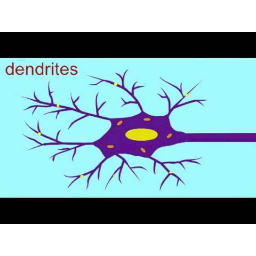
1.The dendrites send signals to other neurons
2.Sensory neurons have dendrites on both ends
3.Dendrites are from a Greek word that means "tree"
Electrical synapses can exist between 1 or 2 axon or dendrites.
Endorphins- Involved in pain relief, and feelings of pleasure.
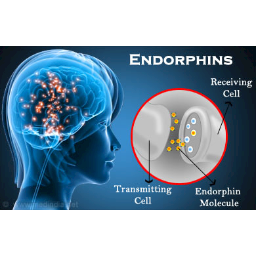
1.When you exercise your body release endorphins
2.You have 4 types of endorphins released: Alpha, Beta, Gamma, & Sigma
3.The most powerful endorphins are the beta-endorphins
Exercise increases endorphin levels the chemicals for feeling good.
Frontal lobe- The lobe at the front of the brain helps with speech & behavior.
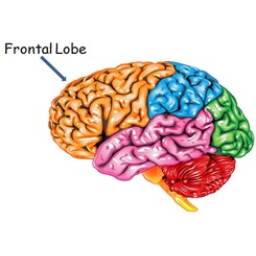
People with frontal lobe damage also show a reduction in emotional responsiveness.
1.Damage to the frontal lobe can cause many issues
2.Frontal lobe is responsible for cognitive thought
3.The frontal lobe is located in front of each cerebral hemisphere
Group therapy- Up to 3 or 4 people who have similar problems.

In group therapy, patients can act out their problems.
1.Group therapy can cost between $35-$45
2.It can last from 6-20 weeks it depends on the situation
3.The average therapy session can last from 50 minutes or longer
Hypnosis- Deep state of relaxation where the person is more agreeing to suggestions.
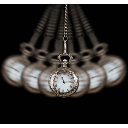
He underwent hypnosis to treat his fear of water.
1.Hypnosis does not involve being sleep or unconsciousness
2.Hypnosis is a natural experience that happens from activities like reading
3.All your senses are alert while you in a hypnotic state
Id- Part of the personality which contains impulses such as hunger, anger & etc.
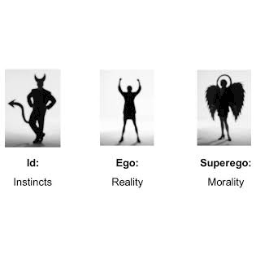
Your actions are controlled by the id which is your personality component.
1.Id operates pleasure or needs
2.Seeks fulfillment or settling for a compromise
3.Made up of unconscious psychic energy
Joseph Jastrow- He worked on phenomena of optical illusions
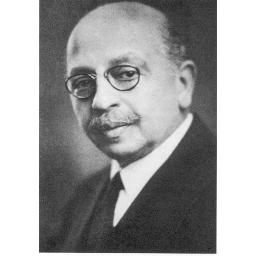
1.Became president of American Psychological Association in 1900
2.His father was Marcus Jastrow studied Jewish theology
3.Joseph was a lecturer at the New school of social research from 1927 to 1933
Joseph Jastrow was a polish-born American psychologist.
Kleptomania- Consistent pattern of stealing things no matter what it is.
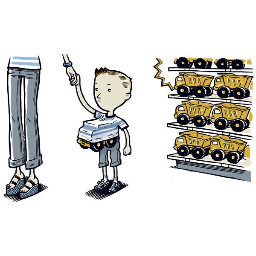
1.Kleptomania occurs more often in women
2.Studies shows that kleptomaniacs belong to a wealthy family
3.People steal things of insignificant value to satisfy them
Individual with Kleptomania steals without feeling guilty about it.
Limbic system- Plays a role in emotional expression.
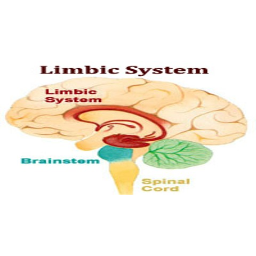
Nerves travel directly to the Limbic system in the brain.
1.The primary output node for the Limbic system is the Hypothalmus
2.Located beneath the cerebral cortex
3.The Limbic system is the portion that deals with 3 functions: emotions, arousal & memories
Memory- The mind stores and remembers information.
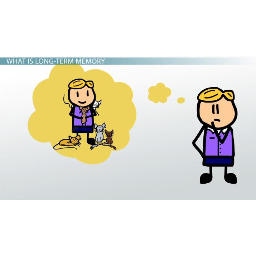
1.Memory has 2 components: Short & long term
2.Memory begins 20 weeks after you are born
3.We are more likely to remember information if its in a font
She refreshed her memory of the photo.
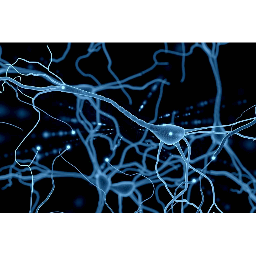
Neuron- A specialized cell transmitting nerve impulses.
The heart has 40,000 neurons that can sense, feel, remember & learn.
1.The average number of neurons is about a 100 billion
2.Neurons can be various sizes and shapes
3.Neurons are major components of our brain
Occipital lobe- Contains the visual content therefore it plays a role in the visual information.
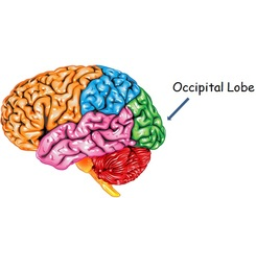
The occipital lobe helps you see.
1.Disorders of the occipital lobe can cause visual illusions
2.Separates the cerebrum from the cerebellum
3.This lobe is located in the rearmost portion of the skull
Phobia- Intense fear of a specific object or situation.
Dislike of snakes or spiders is a common phobia.
1.Someone can have a irrational fear of an object
2.Phobias are one of the most common anxiety conditions
3.People that have arachnophobia might have a panic attack
- Full access to our public library
- Save favorite books
- Interact with authors
- < BEGINNING
- END >
-
DOWNLOAD
-
LIKE(1)
-
COMMENT()
-
SHARE
-
SAVE
-
BUY THIS BOOK
(from $5.19+) -
BUY THIS BOOK
(from $5.19+) - DOWNLOAD
- LIKE (1)
- COMMENT ()
- SHARE
- SAVE
- Report
-
BUY
-
LIKE(1)
-
COMMENT()
-
SHARE
- Excessive Violence
- Harassment
- Offensive Pictures
- Spelling & Grammar Errors
- Unfinished
- Other Problem






COMMENTS
Click 'X' to report any negative comments. Thanks!