January 7th, 2019
To my AP Biology class and Ms. Tabbutt

CONTENTS
1) Circulatory System 4
Cells 5
Organs 13
Conclusion 20
2) Respiratory System 22
Cells 23
Organs 31
Conclusion 38
3) Interactions 42
CIRCULATORY SYSTEM
CELLS
1) Erythrocytes
( Red Blood Cells )
2) Leukocytes
( White Blood Cells )
3) Platelets
Erythrocytes
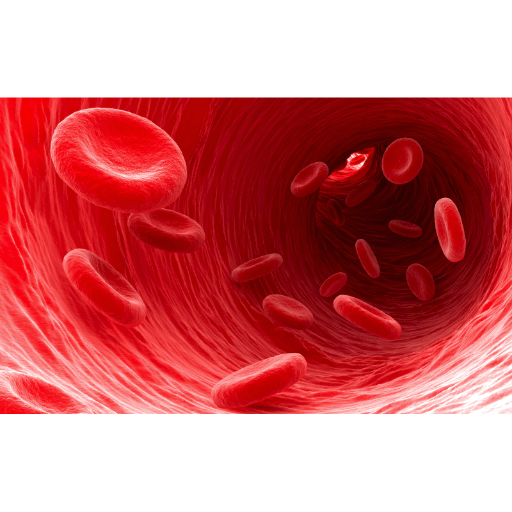
- The most numerous blood cells.
- Do not have organelles.
- Contain hemoglobin, the iron-containing protein that transports oxygen from the lungs to all the body tissues and carry carbon dioxide to the lungs.
Leukocytes
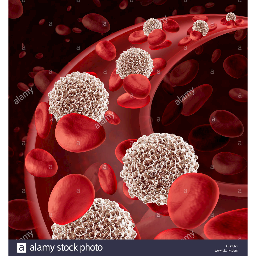
- Only about 1% of the blood.
- 5 types: Basophils, Lymphocytes, Eosinophils, Neutrophils, Monocytes.
- Their functions are defense and immunity. They ingest foreign materials, destroy infectious agents, and produce antibodies.
- They will likely use the mitochondria the most because they need energy to protect the body.
Platelets
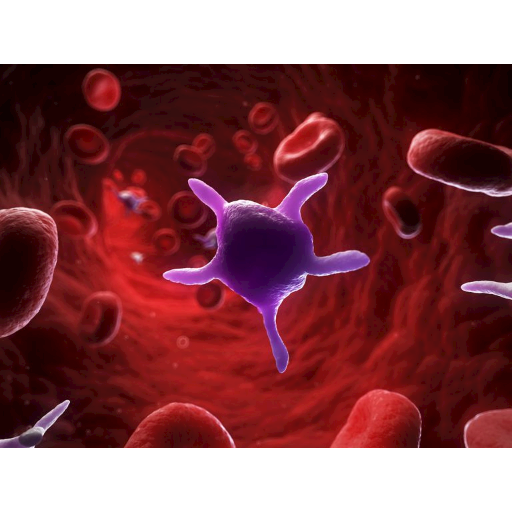
- The smallest cells of the blood.
- Help blood clot by clumping and forming plugs in blood vessel injuries.
- Contribute substances essential for the normal coagulation of the blood.
- They will likely to use microtubules because platelets are small. So these organelles help hold the unactivated platelet in a nice, crisp discoid shape.
ORGANS
1) The Heart
2) Veins
3) Arteries
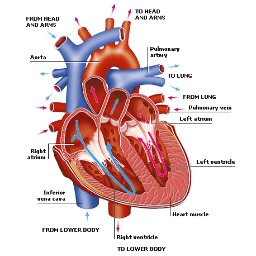
Heart
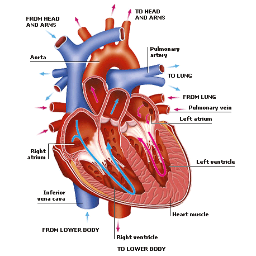
- Deliver the deoxygenated blood from parts of the body back to the right atrium of the heart.
- The largest veins are called the vena cava. There are 2 sections of it:
+ Superior vena cava: returns blood from the head, neck, chest, and upper limbs back to the heart.
+ Inferior vena cava: returns blood from all other parts of the body back to the heart.
Veins
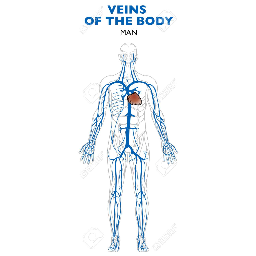
- Pumps blood around the body.
- The right side of the heart receives blood that is low in oxygen then pumps it to the lungs, where it picks up a fresh supply of oxygen. The blood then returns to the left side of the heart, ready to be pumped back out to the brain and the rest of the body.
- They have only a thin muscle wall because
they do not need their walls to be tolerant of high pressure blood flow since deoxygenated blood does not travel at high pressure.
Arteries
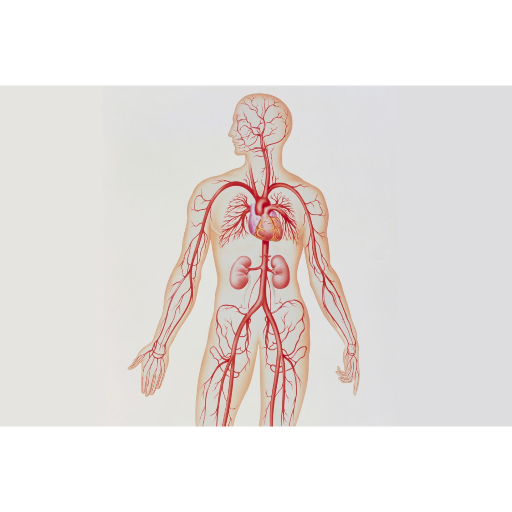
- They are strong elastic vessels that take oxygenated blood from the heart out to parts of our body to deliver oxygen.
- There are 2 main types:
+ Pulmonary arteries carry blood from the heart to the lungs where the blood picks up oxygen.
+ Systemic arteries deliver blood to the rest of the body.
- They have thick muscular walls that allow them to be strong and stay open when blood is pumped into them from the heart at high pressure.
CONCLUSION
The Purpose and Pathway of Circulatory System
The circulatory system transports nutrients and oxygen from the lungs to various tissues of the body. The arteries carry oxygen-rich blood from the heart to the body. Red blood cells carry oxygen; white blood cells protect the body from infectious diseases; and platelets help blood clot. The veins return the blood to the heart after oxygen has been used. Also, the system maintain the homeostasis because organs need blood, which carries oxygen and nutrients, to function properly.
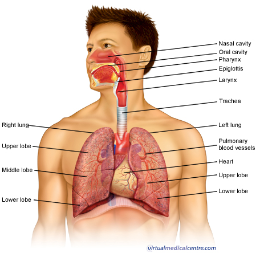
RESPIRATORY SYSTEM
CELLS
1) Ciliated Cells
2) Basal Cells
3) Goblet Cells
Ciliated Cells
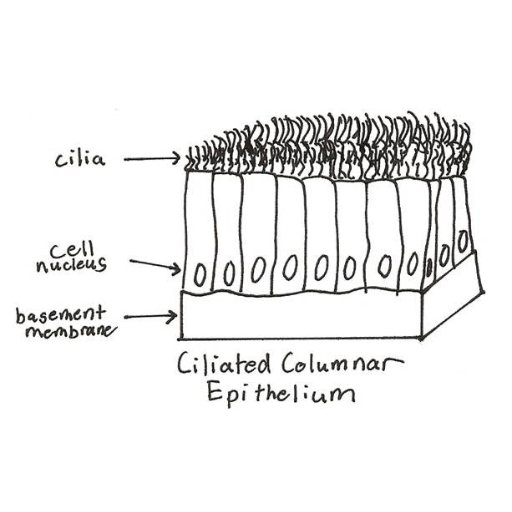
- Column-shaped and have cilia on their edges.
- They move in a rhythmic motion that helps to keep the airway clean.
- They will likely use the cilia the most because the numerous small cilia trap dust and bacteria. Thus, they help clean the airway.
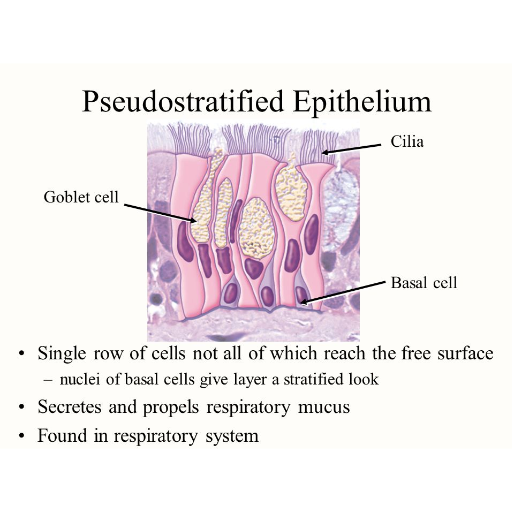
Basal Cells
- Cuboidal and small.
- Differentiate into other cell type upon injury of the airway to restore the epithelial cell layer.
- Full access to our public library
- Save favorite books
- Interact with authors
- < BEGINNING
- END >
-
DOWNLOAD
-
LIKE
-
COMMENT()
-
SHARE
-
SAVE
-
BUY THIS BOOK
(from $9.59+) -
BUY THIS BOOK
(from $9.59+) - DOWNLOAD
- LIKE
- COMMENT ()
- SHARE
- SAVE
- Report
-
BUY
-
LIKE
-
COMMENT()
-
SHARE
- Excessive Violence
- Harassment
- Offensive Pictures
- Spelling & Grammar Errors
- Unfinished
- Other Problem






COMMENTS
Click 'X' to report any negative comments. Thanks!