This book is dedicated to the victims of smallpox, both the one's that died and the one's that survived.


Smallpox is a serious, contagious, and sometimes fatal infectious disease. There is no specific treatment for smallpox disease, and the only prevention is vaccination. The name smallpox is derived from the Latin word for "spotted" and refers to the raised bumps that appear on the face and body of an infected person.
There are two clinical forms of smallpox. Variola major is the severe and most common form of smallpox, with a more extensive rash and higher fever. There are four types of variola major smallpox: ordinary (the most frequent type, accounting for 90% or more of cases); modified (mild and occurring in previously vaccinated persons); flat; and hemorrhagic (both rare and very severe). Historically, variola major has an overall fatality rate of about 30%; however, flat and hemorrhagic smallpox usually are fatal. Variola minor is a less common presentation of smallpox, and a much less severe disease, with death rates historically of 1% or less.
Smallpox outbreaks have occurred from time to time for thousands of years, but the disease is now eradicated after a successful worldwide vaccination program. The last case of smallpox in the United States was in 1949. The last naturally occurring case in the world was in Somalia in 1977. After the disease was eliminated from the world, routine vaccination against smallpox among the general public was stopped because it was no longer necessary for prevention.
Background information
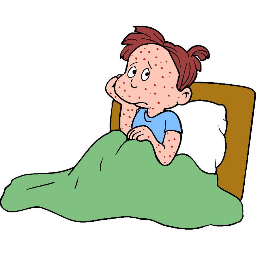
Smallpox is a very serious illness caused by a virus called the variola (say: vair-ee-OH-luh) virus. Smallpox gets its name from the pus-filled blisters (or pocks) that form during the illness. Although the names may sound alike, smallpox is not related to chickenpox, which is a milder disease caused by a different virus.
You may have heard about smallpox and wondered what it is or whether you or anyone you know could get it. Some people are worried that the germ that causes smallpox could be spread and used as a weapon. This would be difficult for anyone to do. Right now, there are no cases of smallpox disease in the United States. In fact, the last case of smallpox in the United States was in 1949, and the last case in the world was in 1977
What IS Smallpox
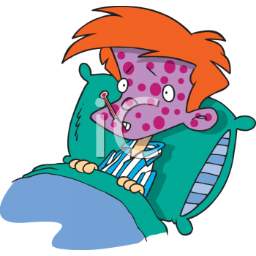
Smallpox is contagious. That means the virus can spread to others. It spreads through tiny drops of an infected person's saliva (spit) when the person coughs, talks, or sneezes. Smallpox usually passes from person to person during close, face-to-face contact.
If someone does get smallpox, a doctor can recognize the disease because it causes a special kind of rash. The rash shows up as blisters on the skin that fill with fluid and crust over. This might sound like chickenpox, but the blisters look different from the blisters that chickenpox causes. The other symptoms of smallpox are like those of many other less serious illnesses: fever, headache, backache, vomit, and feeling tired.
Signs and Symptoms
Immune Response
Scientists supported by the National Institute of Allergy and Infectious Diseases (NIAID), part of the National Institutes of Health (NIH), have identified a defect in the immune response of people with the skin condition atopic dermatitis that puts them at risk of developing serious complications following smallpox vaccination. Led by Donald Y.M. Leung, M.D., Ph.D., of the National Jewish Medical and Research Center in Denver, the researchers used laboratory-grown human skin cells to show that an immune system protein called LL-37 is critical in controlling replication of vaccinia virus, the live virus that is the key component in standard smallpox vaccine.
Lines of Defense
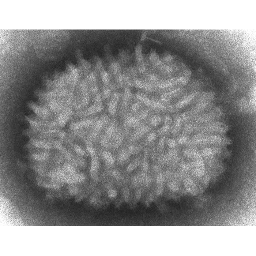
Since the smallpox is caused by the virus Variola which is basically a germ that spreads out once you breath it in through your nose. The nose hair is the first line of defense and it spreads throughout your body going into the second line of defense which is your body trying to get rid of the pathogens spreading into the body and going into the cells the vaccination that you will get to help cure the smallpox would be you going into the third line of defense.

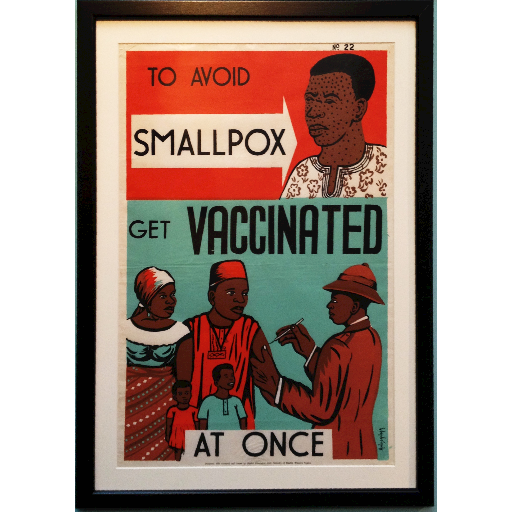
The smallpox vaccine is the only known way to prevent smallpox in an exposed person. If given within 4 days of viral exposure, the vaccine can prevent or significantly lessen the severity of smallpox
symptoms.Vaccination 4-7 days after exposure may offer some protection from the disease and may lessen its severity.
- Full access to our public library
- Save favorite books
- Interact with authors
- < BEGINNING
- END >
-
DOWNLOAD
-
LIKE
-
COMMENT()
-
SHARE
-
SAVE
-
BUY THIS BOOK
(from $2.99+) -
BUY THIS BOOK
(from $2.99+) - DOWNLOAD
- LIKE
- COMMENT ()
- SHARE
- SAVE
- Report
-
BUY
-
LIKE
-
COMMENT()
-
SHARE
- Excessive Violence
- Harassment
- Offensive Pictures
- Spelling & Grammar Errors
- Unfinished
- Other Problem






COMMENTS
Click 'X' to report any negative comments. Thanks!