
Static Electricity
a stationary electric charge, typically produced by friction, which causes sparks or crackling or the attraction of dust or hair.
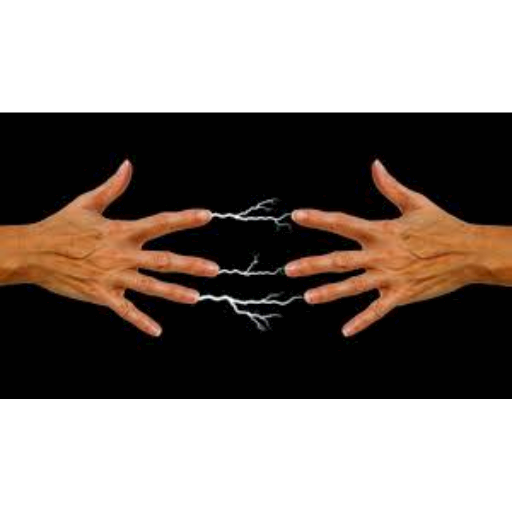
Static Discharge
Electrostatic discharge (ESD) is the sudden flow of electricity between two electrically charged objects caused by contact, an electrical short, or dielectric breakdown. A buildup of static electricity can be caused by tribocharging or by electrostatic induction.
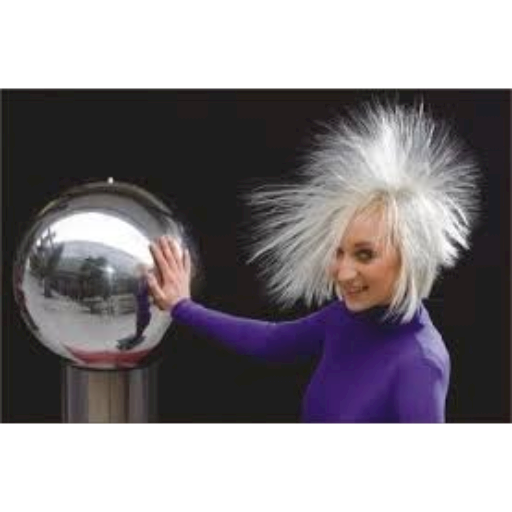
Law of Conservation of Charge
In physics, charge conservation is the principle that the total electric charge in an isolated system never changes
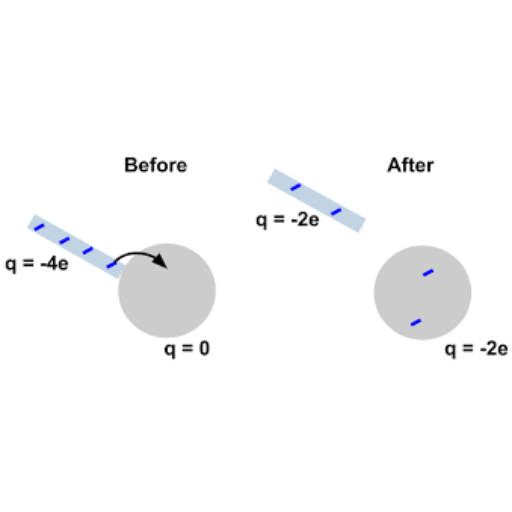
Conductor
is an object or type of material that allows the flow of charge in one or more directions. Materials made of metal are common electrical conductors
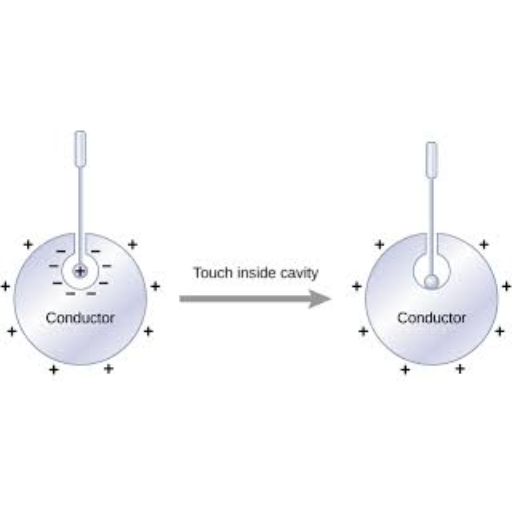
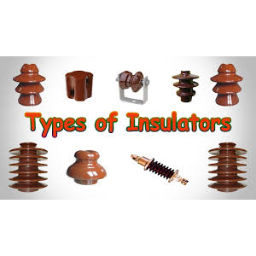
Insulator
a substance which does not readily allow the passage of heat or sound
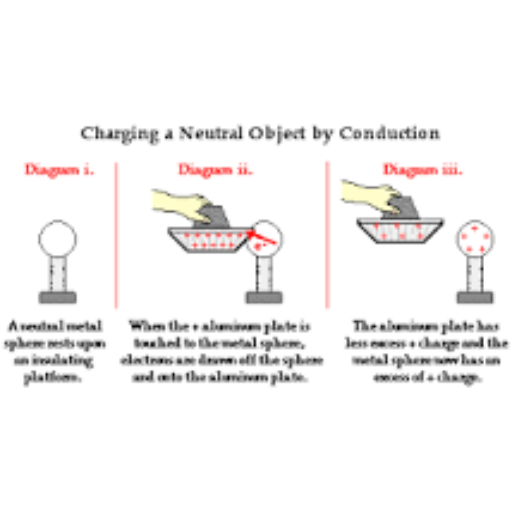
Charging by Contact
Using a Positively charged object
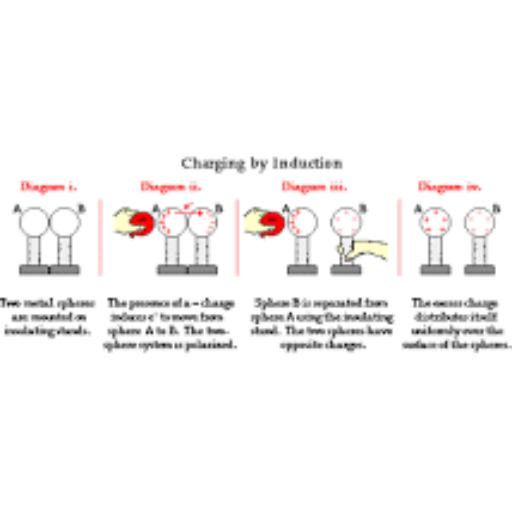
charging by induction
There are a variety of methods to charge an object. One method is known as induction. In the inductionprocess, a charged object is brought near but not touched to a neutral conducting object. The presence of a charged object near a neutral conductor will force (or induce) electrons within the conductor to move
Electron
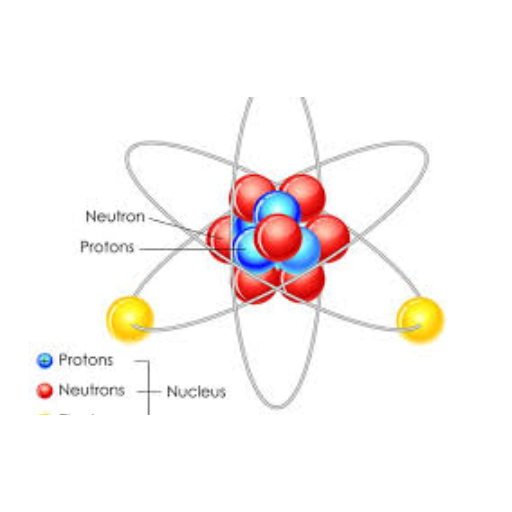
a stable subatomic particle with a charge of negative electricity, found in all atoms and acting as the primary carrier of electricity in solids.
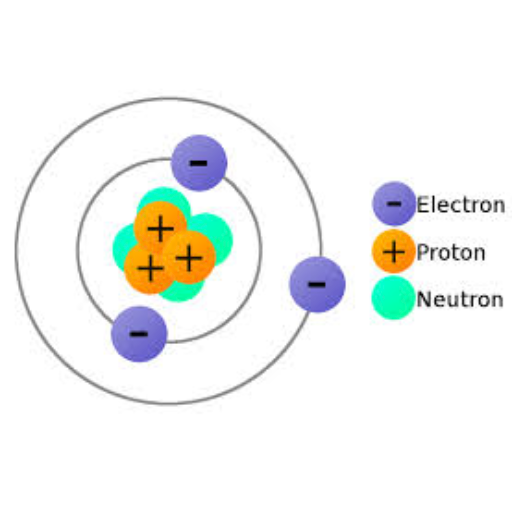
Proton
a stable subatomic particle occurring in all atomic nuclei, with a positive electric charge equal in magnitude to that of an electron, but of opposite sign
Electric Current
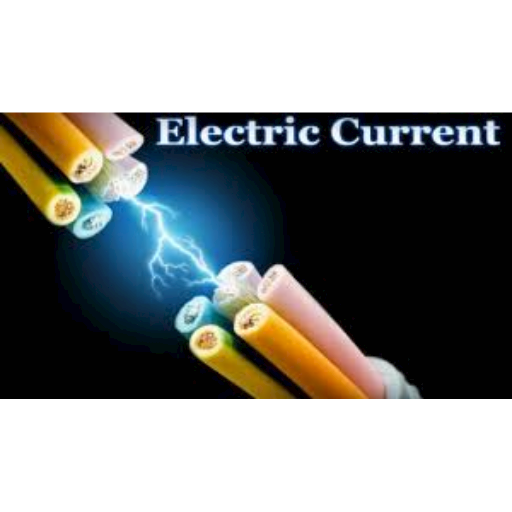
An electric current is the rate of flow of electric charge past a point or region
Electric Field
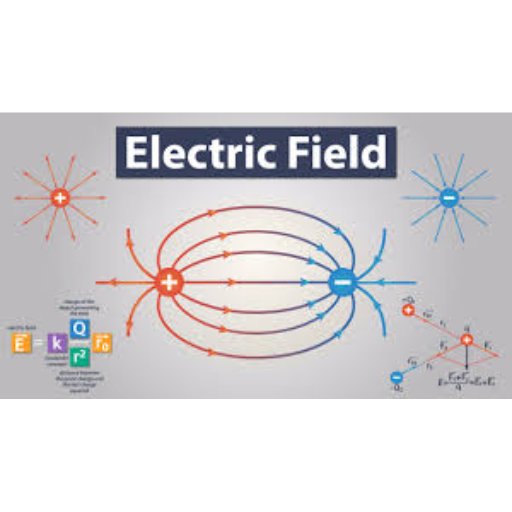
a region around a charged particle or object within which a force would be exerted on other charged particles or objects.
Electric Force
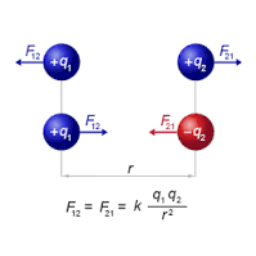
Coulomb's law states that the electrical force between two charged objects is directly proportional to the product of the quantity of charge on the objects and inversely proportional to the square of the separation distance between the two objects
Electric Circuit
An electric circuit is a path in which electrons from a voltage or current source flow. The point where those electrons enter an electrical circuit is called the "source" of electrons.
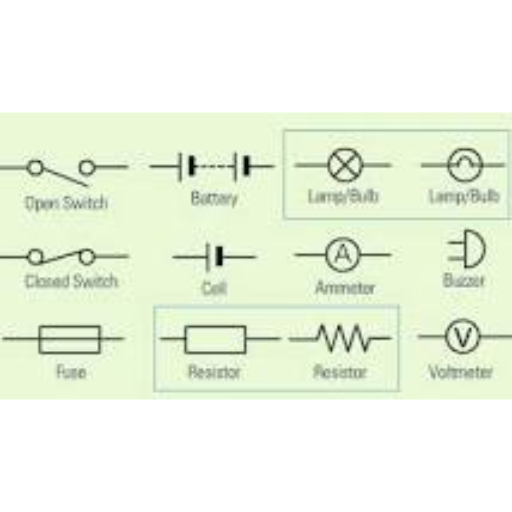
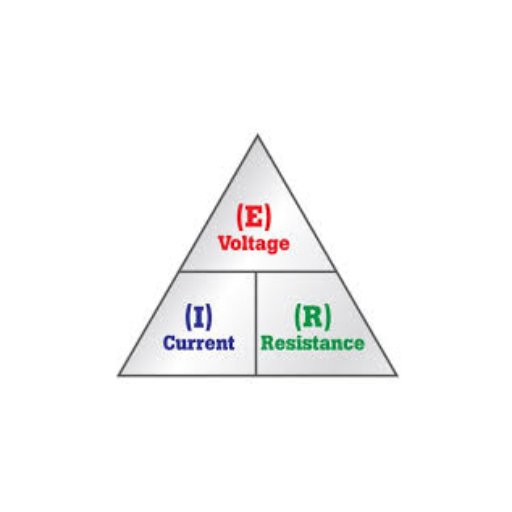
Voltage
n electromotive force or potential difference expressed in volts.
V = IR.
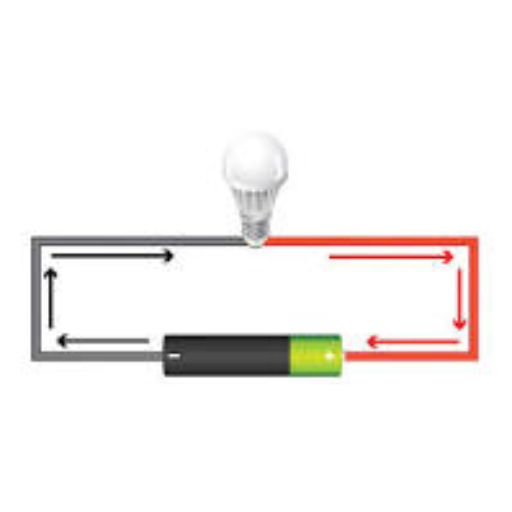
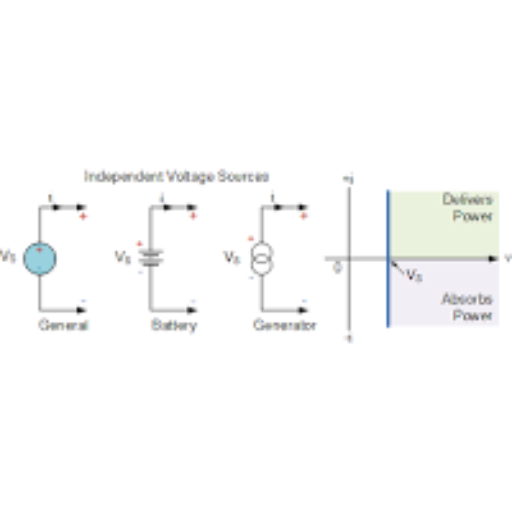
Voltage Source
a two-terminal device which can maintain a fixed voltage.
Resistance
The electrical resistance of an object is a measure of its opposition to the flow of electric current.
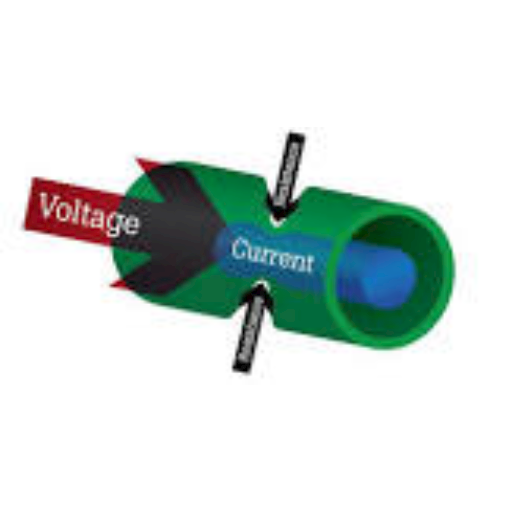
Ohm’s Law
tates that the current through a conductor between two points is directly proportional to the voltage across the two points.
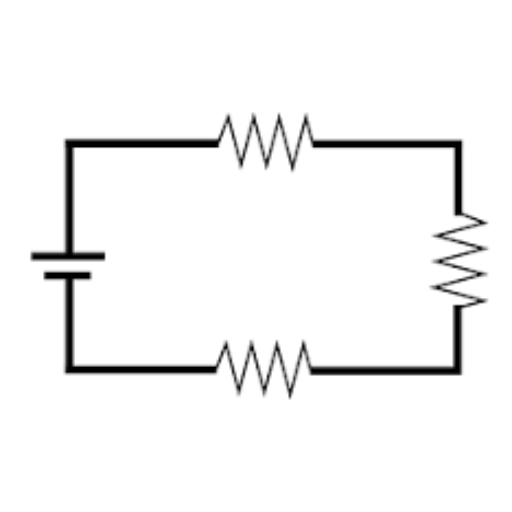
Series Circuit
a circuit in which resistors are arranged in a chain, so the current has only one path to take. The current is the same through each resistor
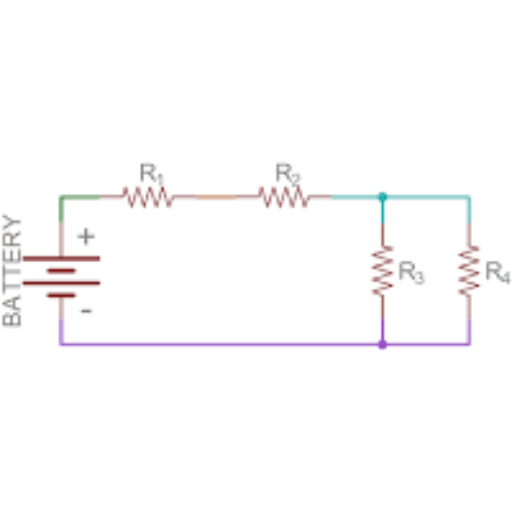
Parallel Circuit
Components of an electrical circuit or electronic circuit can be connected in series, parallel, or series-parallel. The two simplest of these are called series and parallel and occur frequently
Electric Power
is the rate, per unit time, at which electrical energy is transferred by an electric circuit
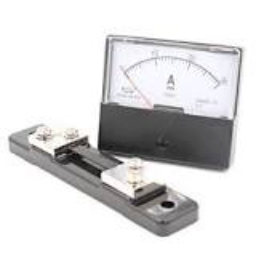
Ammeter
a measuring instrument used to measure the current in a circuit.
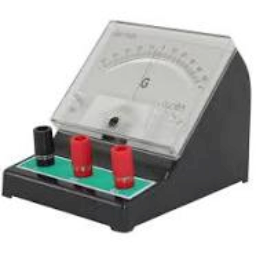
Galvanometer
an instrument for detecting and measuring small electric currents
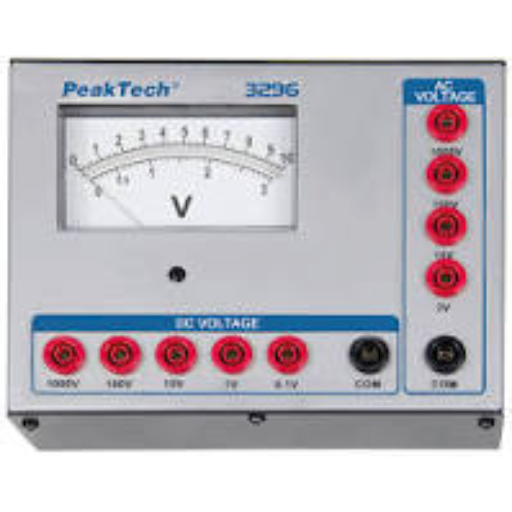
Voltmeter
an instrument used for measuring electrical potential difference between two points in an electric circuit.
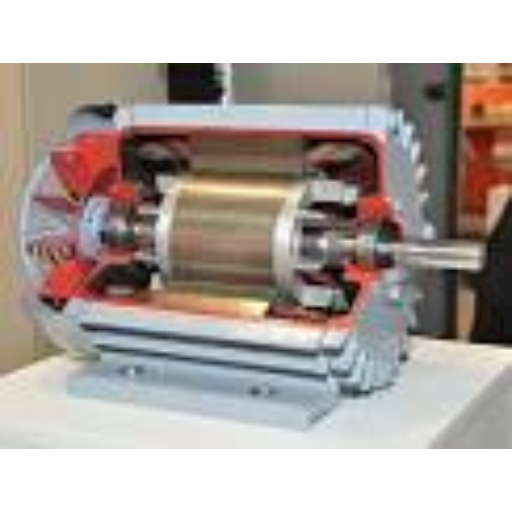
Electric Motor
an electrical machine that converts electrical energy into mechanical energy
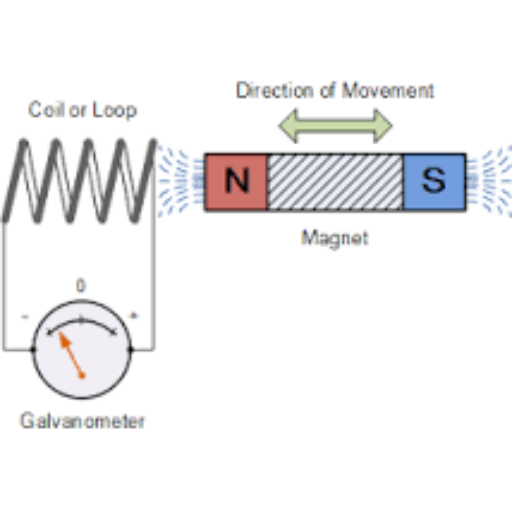
Electromagnetic Induction
he production of an electromotive force across an electrical conductor in a changing magnetic field
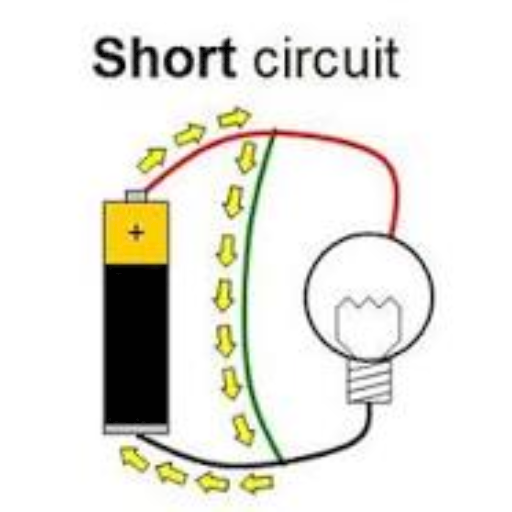
short circuit
an electrical circuit that allows a current to travel along an unintended path with no or a very low electrical impedance
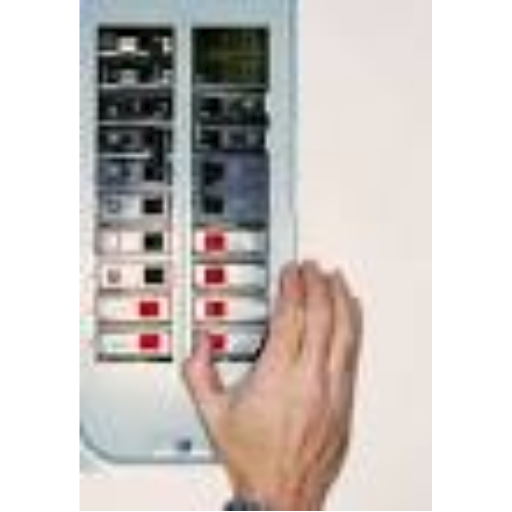
Circuit Breaker
an automatically operated electrical switch designed to protect an electrical circuit from damage caused by excess current from an overload or short circuit.
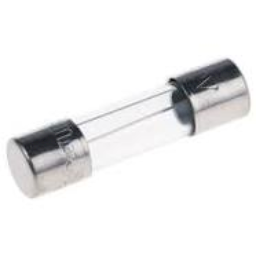
Fuse
an electrical safety device that operates to provide overcurrent protection of an electrical circuit
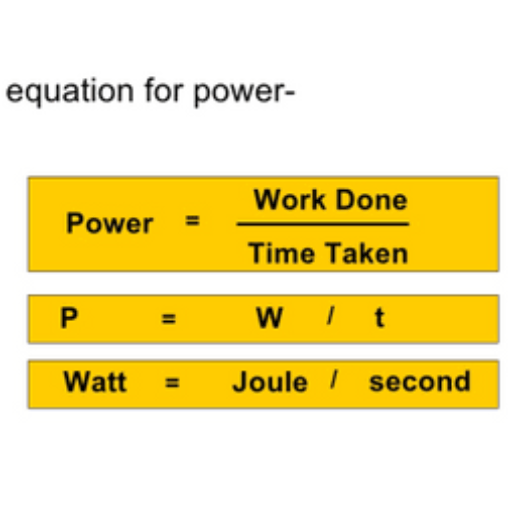
Power
he rate of doing work or of transferring heat, i.e. the amount of energy transferred or converted per unit time
Energy
the ability to do work
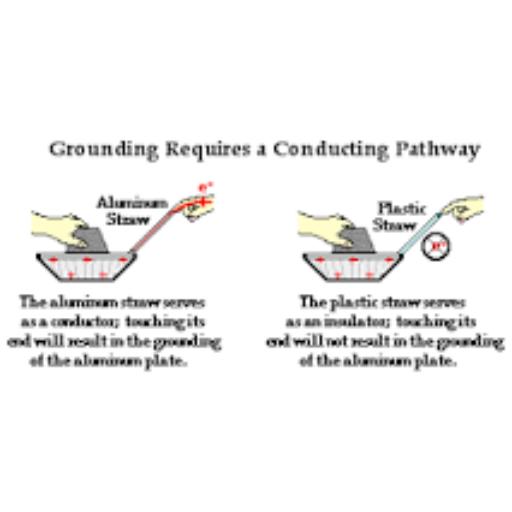
Grounded
he process of removing the excess charge on an object by means of the transfer of electrons between it and another object of substantial size
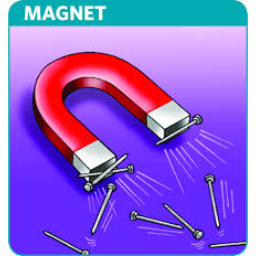
Magnet
a piece of iron (or an ore, alloy, or other material) that has its component atoms so ordered that the material exhibits properties of magnetism, such as attracting other iron-containing objects or aligning itself in an external magnetic field
Magnetic Field
a region around a magnetic material or a moving electric charge within which the force of magnetism acts.
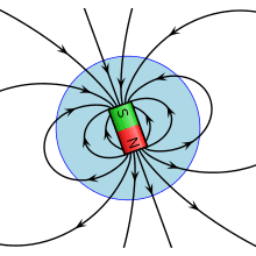
Magnetic Pole
each of the points near the extremities of the axis of rotation of the earth or another celestial body where a magnetic needle dips vertically.
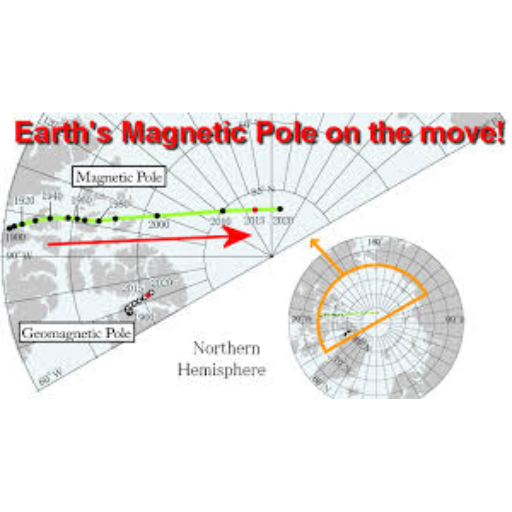
Magnetosphere
the region surrounding the earth or another astronomical body in which its magnetic field is the predominant effective magnetic field.
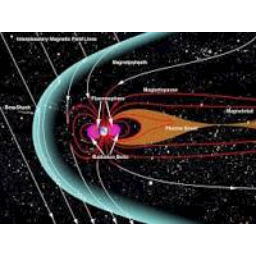
Van Allen Belts
each of two regions of intense radiation partly surrounding the earth at heights of several thousand kilometers
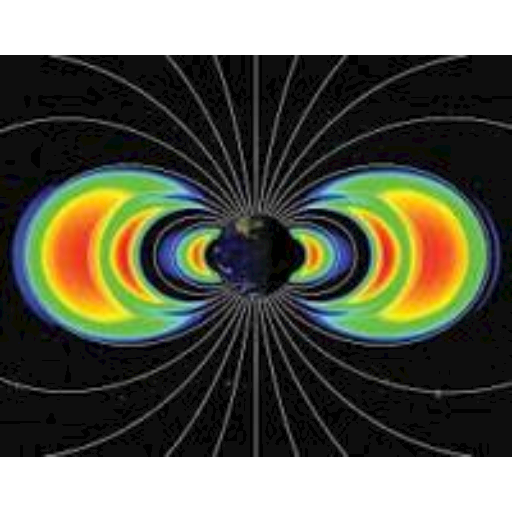
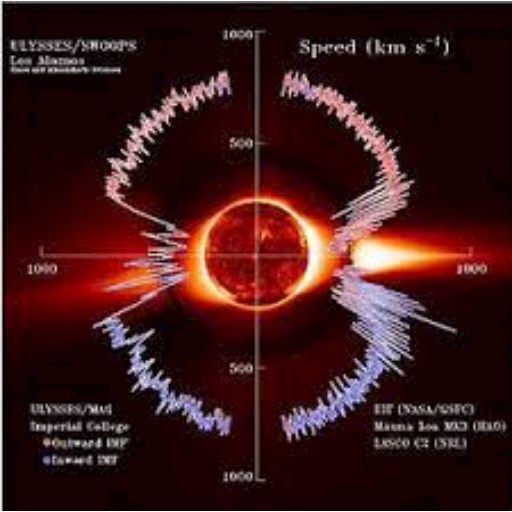
Solar Wind
the continuous flow of charged particles from the sun which permeates the solar system.
Aurora
sometimes referred to as polar lights, northern lights, southern lights, is a natural light display in the Earth's sky, predominantly seen in the high-latitude regions.

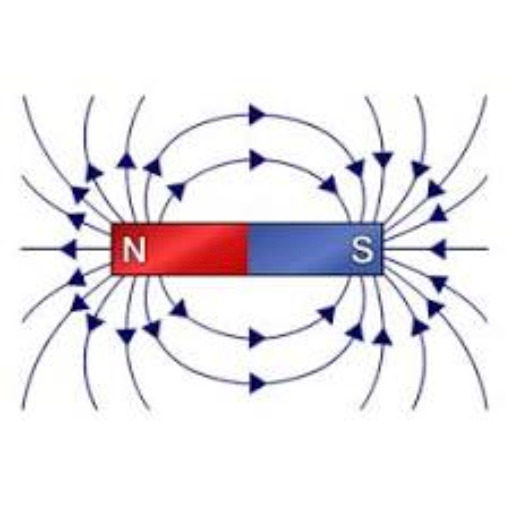
Magnetic Field Lines
a visual tool used to represent magnetic fields. They describe the direction of the magnetic force on a north monopole at any given position
Electromagnet
- Full access to our public library
- Save favorite books
- Interact with authors
- < BEGINNING
- END >
-
DOWNLOAD
-
LIKE
-
COMMENT()
-
SHARE
-
SAVE
-
BUY THIS BOOK
(from $24.39+) -
BUY THIS BOOK
(from $24.39+) - DOWNLOAD
- LIKE
- COMMENT ()
- SHARE
- SAVE
- Report
-
BUY
-
LIKE
-
COMMENT()
-
SHARE
- Excessive Violence
- Harassment
- Offensive Pictures
- Spelling & Grammar Errors
- Unfinished
- Other Problem






COMMENTS
Click 'X' to report any negative comments. Thanks!