This Book is Dedicated to my family, Lab Table 5 members and Mrs. Morely

The first stop on our Journey through the ABC's of APES is Abiotic Factors. Abiotic Factors are the parts of an ecosystem that are not living. These factors include sunlight, temperature, moisture, wind/ water currents, soil type and nutrient availability.
is for Abiotic Factors


is for Biofuel
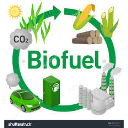
With Lab Table 5 member Kyle leading the way we are now at our 2nd stop which is Biofuel. Biofuel is liquid fuel created from processed or refined biomass. Sources of Biomass can be from wood, charcoal, animal products, manure and MSW. Biofuel accounts for 10 percent of the world's energy use, mostly used in developing countries.

is for Carrying Capacity

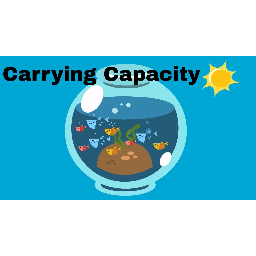
Lab Table 5 will now stop at their 3rd stop and have Maggie explain Carrying Capacity. "Hey Guys, it's Maggie, Carrying Capacity is the limit of how many individuals in a population the environment can sustain. Carrying Capacities are very important for scientists to determine how long a population can sustain in a certain ecosystem depending on the available resources.
is for Detritiovre

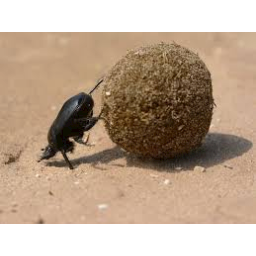
On the Lab groups 4th stop, Caroline will explain the importance of detritivores. " What's going on guys, it's Caroline, Detritivores are organisms that specialize in breaking down dead tissues and waste products into smaller particles. The best example of a detritivore is the dung beetle, they consume other animals dung as a food source.
is for Ecosystem

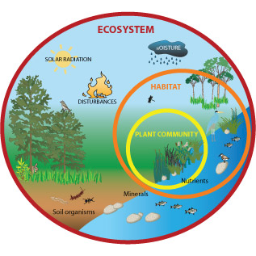
The fifth stop on the Journey through the APES ABC's leads Lab Table 5 to the Ecosystem. The Ecosystem is a particular location on Earth with interacting biotic and abiotic components. You already know from our first stop that Abiotic components are things that are non-living. Biotic components are the things in an ecosystem that are living.
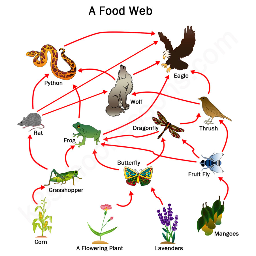
is for Food Web

The sixth stop on the APES ABC's journey is the Food Web. The food web is a complex model of how energy and matter move between trophic levels. The food web is a more realistic type of model to show natural ecosystems and their connections.
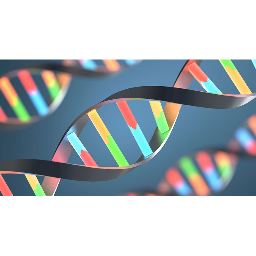
is for Genetic Diversity

The 7th stop on the APES ABC's journey leads us to Genetic Diversity. Genetic diversity is a measure of the genetic variation among individuals in a population. Ecosystems with high genetic diversity are better suited to respond to environmental change than populations with low genetic diversity.
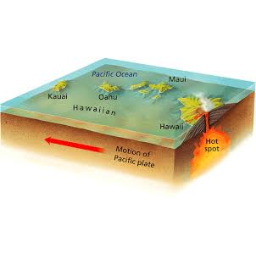
is for Hot Spot

The 8th stop on the APES ABC's journey takes us to Hot Spots. Hot spots are a place on Earth where molten material from Earth's mantle reaches the lithosphere. Hot Spots are a very important component of the surfaces dynamics of the Earth.
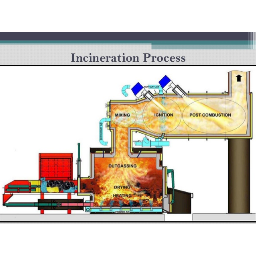
is for Incineration

The 9th stop on the APES ABC's adventure leads us to Incineration. Incineration is the process of burning waste materials to reduce volume and mass, sometimes to generate heat or electricity. Incineration reduces the volume of waste by 90 percent and weight by 75 percent.
is for J- Shaped Curve

The 10th stop on the APES ABC's journey takes us to the J-Shaped Curve. The J-Shaped Curve is the curve of the exponential growth model when graphed. At first the population is so small that it cannot increase rapidly because there are few individuals present to reproduce. As the population increases, reproduction increases, which then leads to growth to increase.
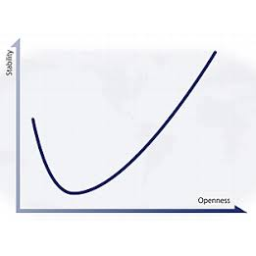
is for Keystone Species

The 11th stop on the APES ABC's journey leads us to the Keystone Species. The Keystone Species is a species that plays a far more important role in its community than its relative abundance may suggest. Keystone Species exist in low numbers and they can be predators, sources of food, mutualistic species and producers.
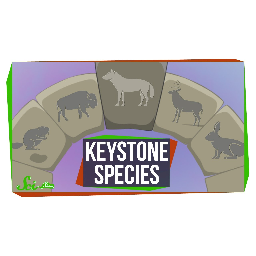
is for Leaching

The 12th stop on the APES ABC's adventures takes us to Leaching. Leaching is the transportation of dissolved molecules through the soil via ground water. Adding nitrogen to soils ultimately increases atmospheric concentrations of nitrogen in regions where fertilizers are applied.
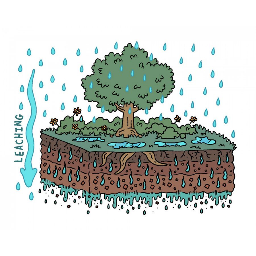
is for Mass Extinction

The 13th stop on the APES ABC's journey leads us to Mass Extinction. Mass extinction is a large extinction of species in a relatively short period of time. There have been 5 periods of global mass extinction.
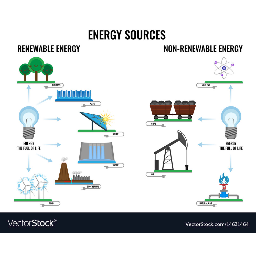
is for Nonrenewable Energy Sources

The 14th stop on the APES ABC's adventure takes us to Nonrenewable Energy Sources. Nonrenewable energy sources are energy sources with a finite supply primarily the fossil fuels and nuclear fuels. Two of the most common nonrenewable energy sources are fossil fuels and nuclear energy.
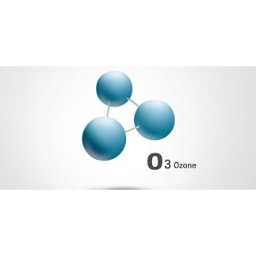
is for Ozone

The 15th stop on our APES ABC's journey takes us to Ozone. Ozone is a secondary pollutant made u of 3 oxygen atoms bound together. Ozone is harmful to both plants and animals and impairs respiratory function.
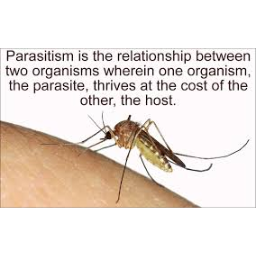
is for Parasitism

The 16th stop on the APES ABC's adventure is Parasitism. Parasitism is an interaction in which one organism lives on or in another organism. One example of parasitism is when tapeworms live in the intestines of animals and eat certain bacteria that resides inside the organisms.
- Full access to our public library
- Save favorite books
- Interact with authors
Thank You For Reading!
- < BEGINNING
- END >
-
DOWNLOAD
-
LIKE
-
COMMENT()
-
SHARE
-
SAVE
-
BUY THIS BOOK
(from $5.39+) -
BUY THIS BOOK
(from $5.39+) - DOWNLOAD
- LIKE
- COMMENT ()
- SHARE
- SAVE
- Report
-
BUY
-
LIKE
-
COMMENT()
-
SHARE
- Excessive Violence
- Harassment
- Offensive Pictures
- Spelling & Grammar Errors
- Unfinished
- Other Problem






COMMENTS
Click 'X' to report any negative comments. Thanks!