







"Hey kiddos, my name is Ava and today I'll be showing you exactly how cool Macromolecules are! With a little help from my furry (or not so furry) friends!"


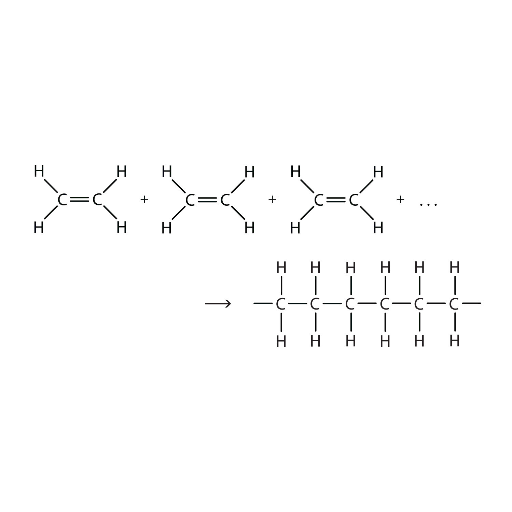
"Meooow! What are Macromolecules you ask? A Macromolecule is an organic molecule containing a huge number of atoms! Macromolecules are made up of monomers (simple molecules that bonds during condensation reactions) that can join together to make polymers!"

Monomers combining to make a polymer

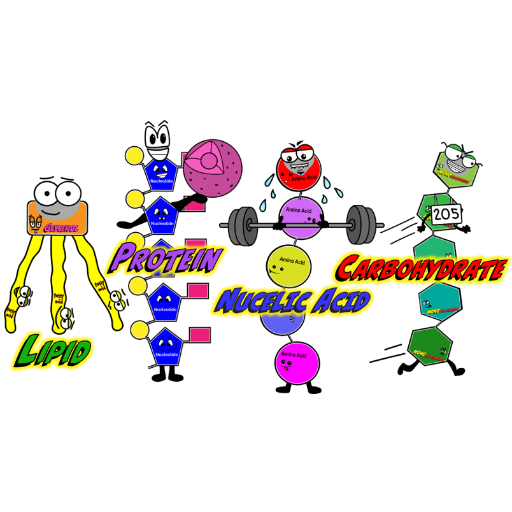
" To add on to that, all macromolecules have the elements Carbon, Hydrogen and Oxygen in them, some have even more! We will be talking about four very special macromolecules, that are found inside of your body! "


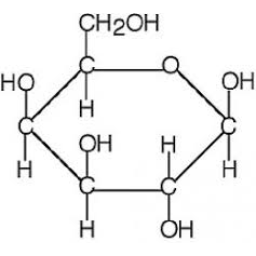
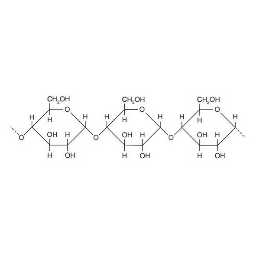
"The First type of macromolecules are Carbohydrates! Carbohydrates contain Carbon, Hydrogen and Oxygen. They are made up of monosaccharides (which are simple sugars) , disaccharides (two monosaccharides combined) , or polysaccharides (two or more disaccharides combined). Their function is giving you short-term energy! Some examples of carbohydrate foods are cake, pasta and candy!


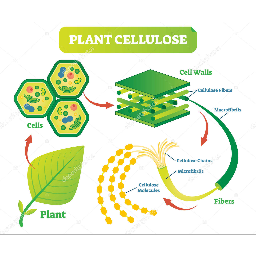
"Some other examples of polysaccharides are glycogen, starch and cellulose! Starch is mostly found in seeds while cellulose is most often found in plant cell walls! Glycogen is stored glucose."


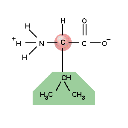
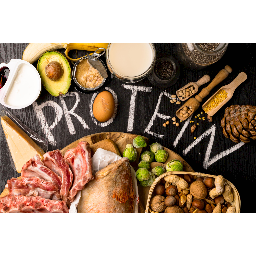
"The second macromolecule is Protein! Proteins have the elements Carbon, Hydrogen, Oxygen, and Nitrogen in them and are made up of the 20 Amino acids (organic compunds). You need proteins because they use enzymes to break things down and they build muscle! Some examples of Proteins are peanut butter, any meat, and beans! "


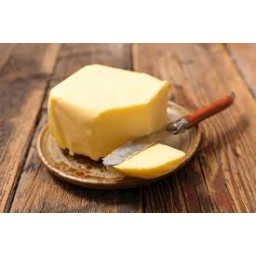
"The third Macromolecule are Lipids, lipids are fats! Lipids are organic molecules that do not dissolve in water! Lipids have the elements Carbon, Hydrogen and Oxygen in them. They are made up of glycerol and fatty acids. Lipids are used in your body as long-term energy and insulation when you get cold! An example of a lipid you can consume is butter."


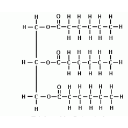
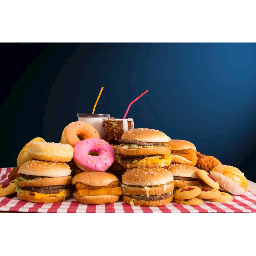
" There are lipids called saturated fats and unsaturated fats. A saturated fat is a lipid with a high proportion of fatty acid molecules without double bonds, while a unsaturated is the same but with a double bond. An example of unsaturated fats are trans fats, an unhealthy substance made from a chemical process."

Trans fats

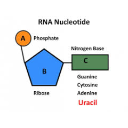
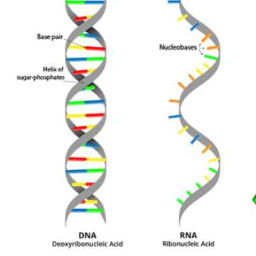
"The fourth and final macromolecule, are nucleic acids! Nucleic acids are the only ones you cannot consume. They have the elements Carbon, Hydrogen, Oxygen, Nitrogen, and Phosphate in them. They are made up of nucleotides. Nucleotides are made up of a nitrogenous base, a 5-carbon sugar (ribose) and one or more phosphate group. Examples of nucleic acids are DNA and RNA."


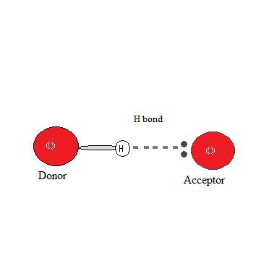
"When the elements in the macromolecules combine, they can have an h-bond and proteins can have an peptide bond within their amino acids. An h-bond is when hydrogen is bound to a larger molecule (like oxygen or nitrogen). However, a peptide bond is a chemical bond between two molecules when the carboxyl molecules reacts with the amino group of another molecule."


H-bond
- Full access to our public library
- Save favorite books
- Interact with authors

- < BEGINNING
- END >
-
DOWNLOAD
-
LIKE(1)
-
COMMENT()
-
SHARE
-
SAVE
-
BUY THIS BOOK
(from $3.39+) -
BUY THIS BOOK
(from $3.39+) - DOWNLOAD
- LIKE (1)
- COMMENT ()
- SHARE
- SAVE
- Report
-
BUY
-
LIKE(1)
-
COMMENT()
-
SHARE
- Excessive Violence
- Harassment
- Offensive Pictures
- Spelling & Grammar Errors
- Unfinished
- Other Problem

COMMENTS
Click 'X' to report any negative comments. Thanks!