This book is dedicated to any reader that wants to know more about King Tut.

King Tutankhamun (or Tutankhamen) ruled Egypt as pharaoh for 10 years until his death at age 19, around 1324 B.C.
Although his rule was notable for reversing the tumultuous religious reforms of his father, Pharaoh Akhenaten, Tutankhamun’s legacy was largely negated by his successors.
He was barely known to the modern world until 1922, when British archaeologist Howard Carter chiseled through a doorway and entered the boy pharaoh’s tomb, which had remained sealed for more than 3,200 years.

Genetic testing has verified that King Tut was the grandson of the great pharaoh Amenhotep II, and almost certainly the son of Akhenaten, a controversial figure in the history of the 18th dynasty of Egypt’s New Kingdom (c.1550-1295 B.C.).
Tutankhamen reversed Akhenaten’s reforms early in his reign, reviving worship of the god Amun, restoring Thebes as a religious center and changing the end of his name to reflect royal allegiance to the creator god Amun.
There are many theories as to what killed King Tut. He was tall but physically frail, with a crippling bone disease in his clubbed left foot.
He is the only pharaoh known to have been depicted seated while engaged in physical activities like archery. Traditional inbreeding in the Egyptian royal family also likely contributed to the boy king’s poor health and early death.
Because Tutankhamun’s remains revealed a hole in the back of the skull, some historians had concluded that the young king was assassinated, but recent tests suggest that the hole was made during mummification.
CT scans in 1995 showed that the king had an infected broken left leg, while DNA from his mummy revealed evidence of multiple malaria infections, all of which may have contributed to his early death.
8
After he died, King Tut was mummified according to Egyptian religious tradition, which held that royal bodies should be preserved and provisioned for the afterlife.
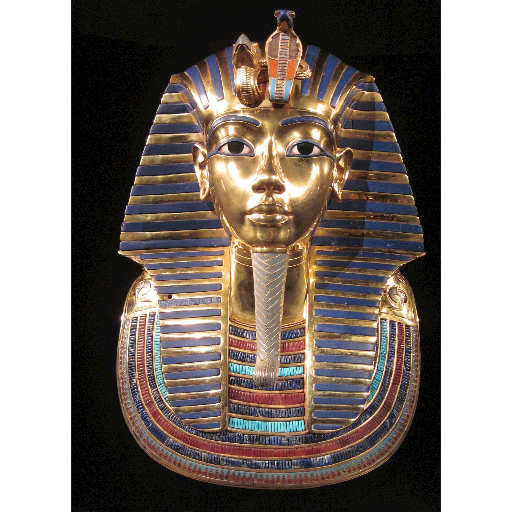
Embalmers removed his organs and wrapped him in resin-soaked bandages, a 24-pound solid gold portrait mask was placed over his head and shoulders and he was laid in a series of nested containers—three golden coffins, a granite sarcophagus and four gilded wooden shrines, the largest of which barely fit into the tomb’s burial chamber.
- Full access to our public library
- Save favorite books
- Interact with authors

- < BEGINNING
- END >
-
DOWNLOAD
-
LIKE(1)
-
COMMENT()
-
SHARE
-
SAVE
-
BUY THIS BOOK
(from $3.39+) -
BUY THIS BOOK
(from $3.39+) - DOWNLOAD
- LIKE (1)
- COMMENT ()
- SHARE
- SAVE
- Report
-
BUY
-
LIKE(1)
-
COMMENT()
-
SHARE
- Excessive Violence
- Harassment
- Offensive Pictures
- Spelling & Grammar Errors
- Unfinished
- Other Problem

COMMENTS
Click 'X' to report any negative comments. Thanks!