e Twinning project
TOWARDS A SUSTAINABLE WORLD

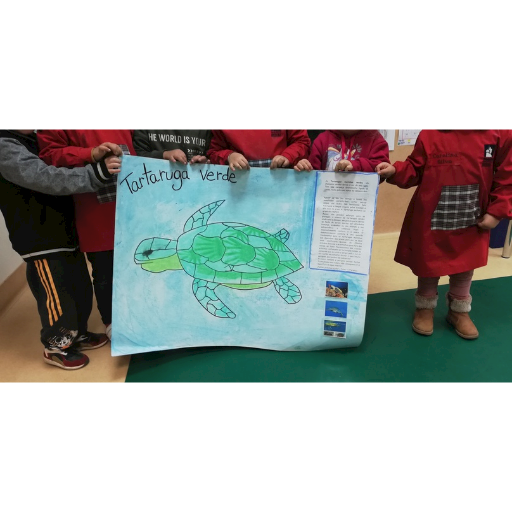
Carla Maria Pintor Morais- Green Turtle Research
Green sea turtles are called green due to the color of their body. It has a carapace directly attached to the body, which is why it never comes under it. Although they have no teeth, their jaw shape allows them to cut many things, even fingers. They are herbivores. She is used to long trips across the oceans and lays eggs on the beach. They affect their survival through illegal trade, coastal development and fishing. Coastal development is a key issue for sea turtles, which depend on the beaches to lay their eggs (nesting). When hatchlings hatch from their eggs and crawl out of the sands, the fluorescent lights of nearby towns confuse baby turtles when they think they are heading for sunlight and are moving away from the sea, which is very dangerous, as they may not survive.
Fishing is also dangerous because many get caught in nets and cannot come to the surface of the water to breathe.
Together we can help make a difference.
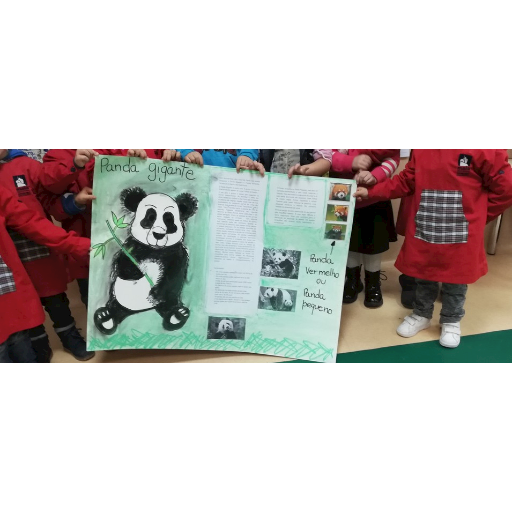
Carla Maria Pintor Morais - Giant Panda Research
The Giant Panda is black and white and belongs to the mammal family. It has herbivorous habits, eating almost only bamboo leaves but can also be carnivorous. Its fur is thick and woolly to withstand the low temperatures. The spots around the eyes, limbs, ears, and a shoulder strap are black; sometimes with a brownish tone. The rest of the body is white, but may become "grimy" with age. It has a short snout and looks like a teddy bear. We can find it in nature reserves in China. Pandas communicate through vocalization and mark territory by scratching trees and urinating in places they frequent. The giant panda can climb and shelter hollow trees or crevices of rock, but does not establish permanent burrows. The destruction of their habitat, their natural environment (forest destruction) puts pandas under threat. They are often also trapped for other animals. Climate change can negatively affect bamboo forests and, consequently, pandas.
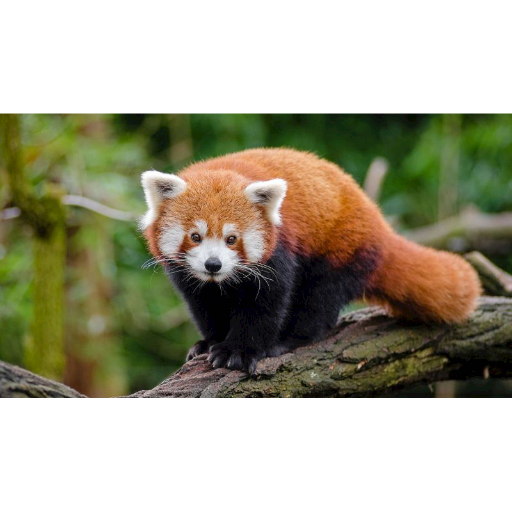
Carla Maria Pintor Morais - Red Panda research
The Red Panda, or Little Panda, belongs to the mammal family. It has a reddish-brown color and a long, fluffy tail. It has a funny way of walking and its paws are small. It eats bamboo leaves, berries, fruits, mushrooms and roots. You can also eat baby birds, eggs, small rodents and insects. In captivity, they also feed on meat.
It is in danger due to the destruction of its habitat by human expansion. Poaching is also another important factor contributing to the decline of the panda population. Red pandas are very skilled and acrobatic animals.
SEMRA AYATA
1) Tigers are the largest wild cats in the world. Adults can weigh up to 363kg – that’s about the same as ten ten year olds! – and measure up to 3.3m!
- 2) Tigers are carnivores, eating only meat. They mainly feed on large mammals such as deer, wild pigs, antelope and buffalo.
- 3) Tigers are solitary hunters, and generally search for food alone at night. They quietly stalk their prey until they are close enough to pounce – then they kill their victim with a bite to the neck or back of the head. Ouch!
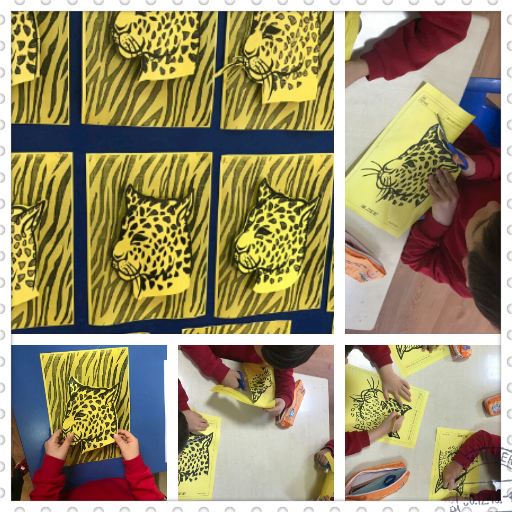
Lidia Peña Comín - Snow Leopard
The snow leopard is a large cat native to the mountain ranges of Central and South Asia. It is listed as vulnerable.
Snow leopards are about 2-5 meters long in the body, and have a 90-100 centimeter long tail.
They have grey and white fur with dark rosettes and spots, and their tails have stripes.
Their feet are also big and furry, which helps them to walk on snow easier. They use their long tails for balance.
The snow leopard is solitary, except for females with cubs.
Carmen Silvestre - CEIP BERTOMEU LLORENS (Catarroja, Spain)
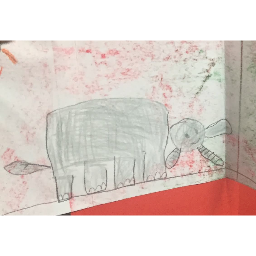
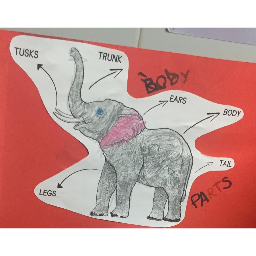
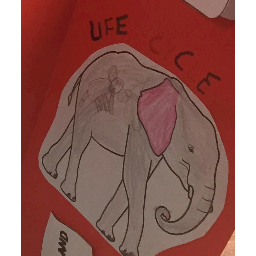
AFRICAN ELEPHANT
BODY PARTS AND DESCRIPTION: THEY HAVE GOT A LONG TRUNK, BIG EARS AND TWO TUSKS.
THEY LIVE IN: FORESTS IN AFRICA
THEY EAT: FRUITS AND PLANTS
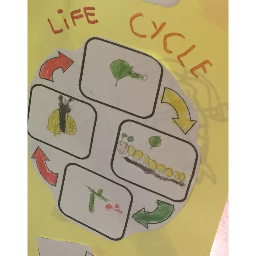
LIFE CYCLE: THEY ARE MAMMALS
Carmen Silvestre - CEIP BERTOMEU LLORENS (Catarroja, Spain)
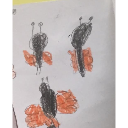
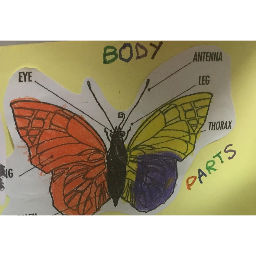
MONARCH BUTTERFLY
BODY PARTS AND DESCRIPTION: THEY HAVE GOT TWO ANTENNAE, TWO WINGS, THEY ARE BLACK AND ORANGE
THEY LIVE IN: GARDENS IN SOUTH AMERICA
THEY EAT: MILKWEEK PLANTS
LIFE CYCLE: THEY ARE INSTECTS
- Full access to our public library
- Save favorite books
- Interact with authors
- < BEGINNING
- END >
-
DOWNLOAD
-
LIKE
-
COMMENT()
-
SHARE
-
SAVE
-
BUY THIS BOOK
(from $4.59+) -
BUY THIS BOOK
(from $4.59+) - DOWNLOAD
- LIKE
- COMMENT ()
- SHARE
- SAVE
- Report
-
BUY
-
LIKE
-
COMMENT()
-
SHARE
- Excessive Violence
- Harassment
- Offensive Pictures
- Spelling & Grammar Errors
- Unfinished
- Other Problem





COMMENTS
Click 'X' to report any negative comments. Thanks!