









Chapter 1
Encoding
What Is Encoding?
Encoding is how we store things we see and learn, like clicking save on a computer.

Effortful Processing
The type of encoding that happens when you make an "effort" or try.
Similar to how we read to learn certain things.

Automatic Processing
Encoding that does not need effort, or rather, happens without trying.
This is how you can recognize parts of another persons house after being there only once.

Spacing Effect
Being able to remember better when doing something every once in a while.
Instead of cramming, or trying to learn everything at one time, spacing it out over time helps more

Testing Effect
The idea that we remember better when we test ourselves to see if we know the information.
This is why we have quizzes and tests in school.

Shallow Processing
How we store information depends on how we look at it.
The shallow, nor not deep, type of processing comes from seeing only things like color or shape, like seeing something is red and round but not that it is an apple.

Deep Processing
The way of looking at information that includes emotion or meaning.
This is like noticing that the red and round object is an apple.

Apple

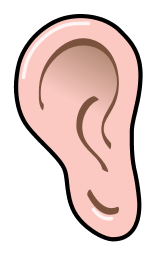
Echoic Memory
Memory that has to do with sounds
Think of it like a memory of a sound echoing in the "hallway" of the brain

Iconic Memory
Memory that has to do with what we see
Think of it as us seeing an icon, or something that sticks with us to remember

Sensory Memory
Memory that does not last long but helps us understand what is around us
Uses all the senses to help us recognize objects and surroundings


Chapter 2
Storage
Explicit Memory
Memory that you have to work to remember
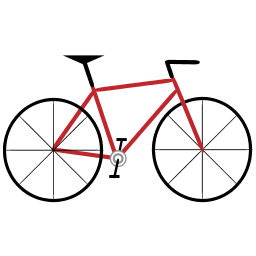
This includes things like new topics in school and learning a locker combination, or learning to ride a bike

Implicit Memory
Memory that comes naturally, needing no work
This includes singing songs you know well, and riding a bike after learning

Frontal Lobe
Part of the brain that houses personality and our ability to control emotion
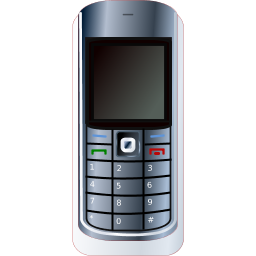
It also helps us with long-term memory, like knowing an old phone number years later

Hippocampus
Part of the brain that helps process and store memory as short term, or not long-lasting
Also helps make short term memory longer term, like being able to remember a new phone number as well as the old one


Cerebellum
Part of the brain that helps balance and understand surroundings
Also where attention comes from, and helps us remember procedures, like driving and running

Basal Ganglia
Part of the brain that helps store motor memory (movements) and implicit memory
Also known as the habit center, where you do certain things automatically, such as catching or hitting a football that is coming toward you

Amygdala
Known as the emotional center of the brain
This helps us add emotion to memories, which helps us remember things better, like remembering a vacation better because you were happy

- Full access to our public library
- Save favorite books
- Interact with authors

- < BEGINNING
- END >
-
DOWNLOAD
-
LIKE
-
COMMENT()
-
SHARE
-
SAVE
-
BUY THIS BOOK
(from $6.19+) -
BUY THIS BOOK
(from $6.19+) - DOWNLOAD
- LIKE
- COMMENT ()
- SHARE
- SAVE
- Report
-
BUY
-
LIKE
-
COMMENT()
-
SHARE
- Excessive Violence
- Harassment
- Offensive Pictures
- Spelling & Grammar Errors
- Unfinished
- Other Problem

COMMENTS
Click 'X' to report any negative comments. Thanks!