

Hi Mrs. Butler I am angry at you for taking points off of my topology grade as a late grade because I did it on time, but I should have made sure it submitted so I will simply learn from my lesson. Anyway, enjoy my storybook.

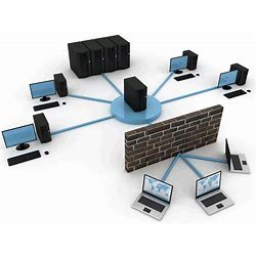
Computer Network
A group of computers connected in a way that allows information to be exchanged between them

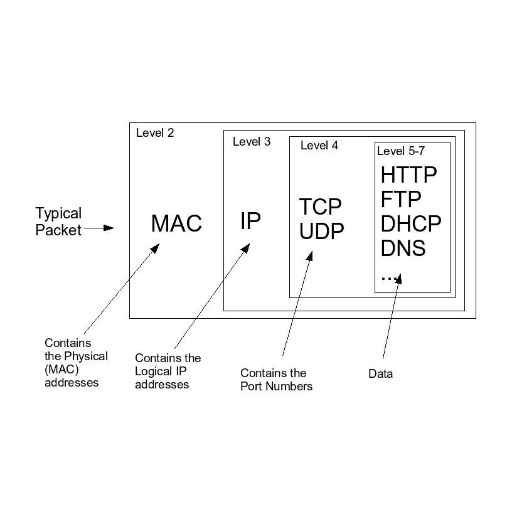
Packet
A piece of a message that is transferred over a packer-switching network, contains data and a destination address

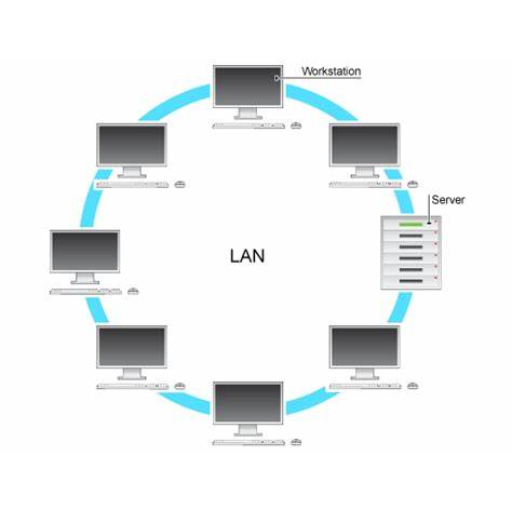
Local Area Network (LAN)
Network technology that connects many devices that are closely related geographically (usually in the same building, like computers in a library sharing catalog data)

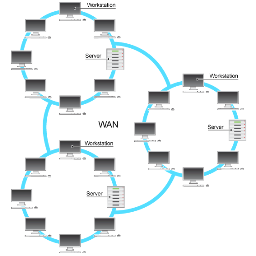
Wide Area Network (WAN)
Network technology that connects a smaller number of devices that may be far apart (such as libraries from different ends of the city sharing catalog information)

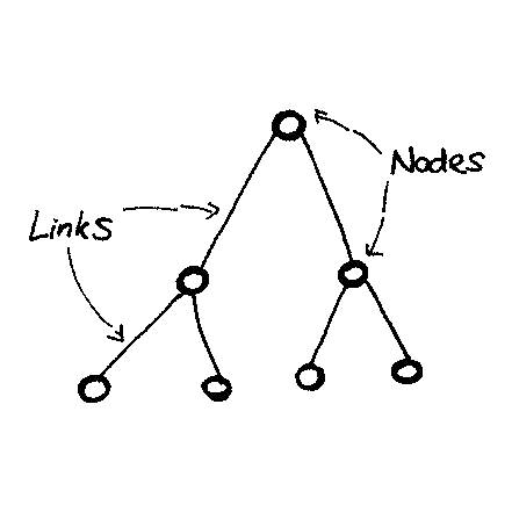
Node
Anything connected to the network (computer, printer, etc.)

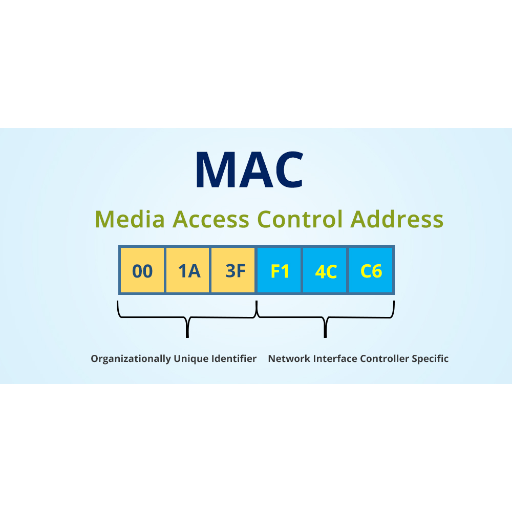
Media Access Control Address (MAC)
The physical address of any device on the network made up of 6 bytes, half identifying the company that made the NIC and half is the serial number of the NIC.

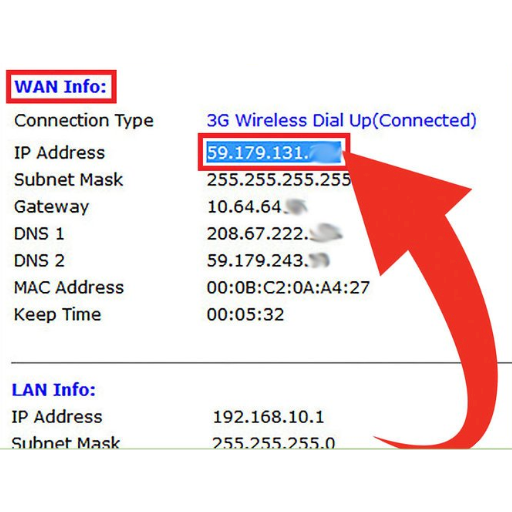
IP (Internet Protocol) Address
An identifier for a computer or device on a network, determines route of messages

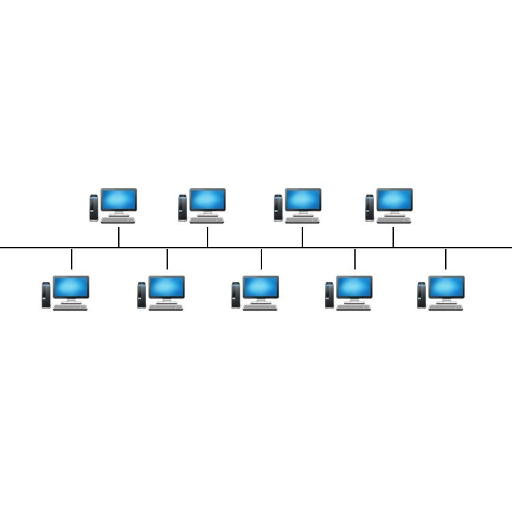
Bus Topology
Each node is connected one after the other along the same backbone (like Christmas lights), information is sent along the backbone until reaching its destination node

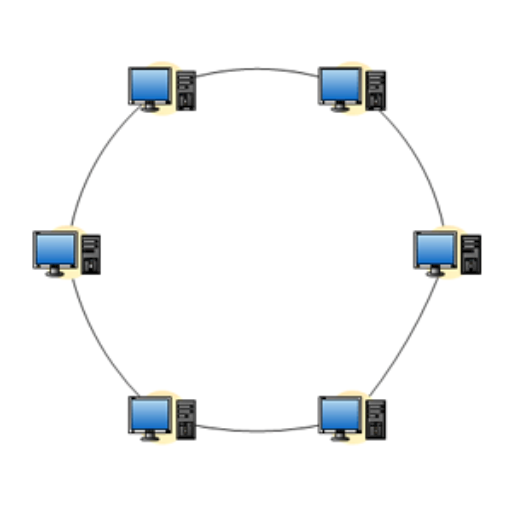
Ring Topology
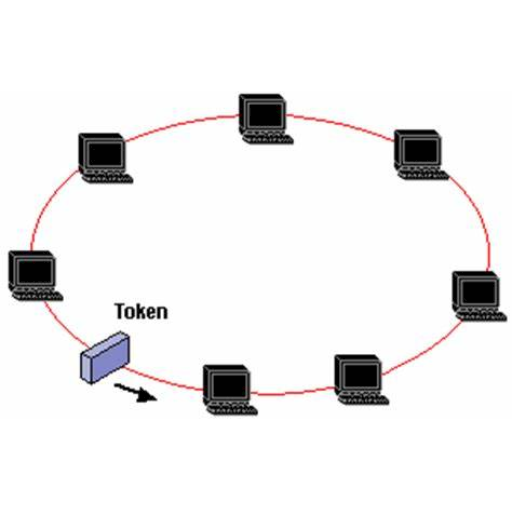
Nodes connect one after the other, and the last node connects to the first one in the shape of a ring, data is shared through a token which is sent from one node to another

Network Token
A series of bits that travel around a ring network allowing computers on the network to capture it, like a ticket that lets its owner send information across the network

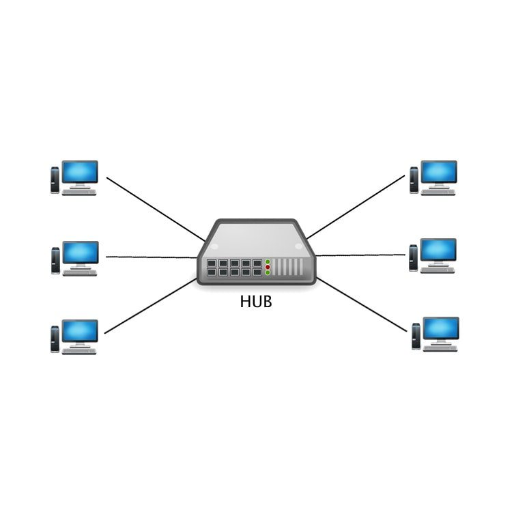
Star Topology
Each node is connected to a central device (hub) which takes a signal that comes from a node and passes it to the other nodes

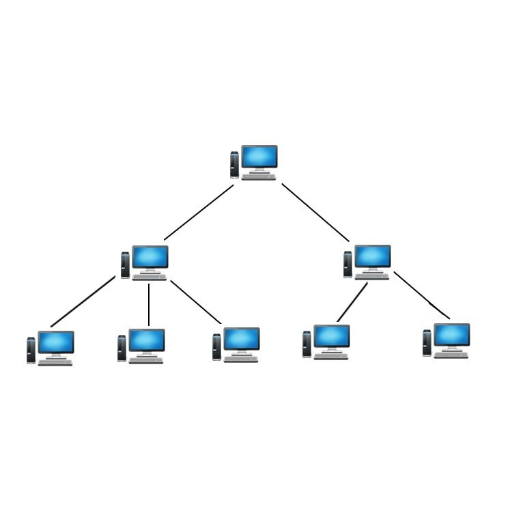
Tree Topology
Mixture of linear bus and star topologies with star-configured nodes connected to a linear bus backbone

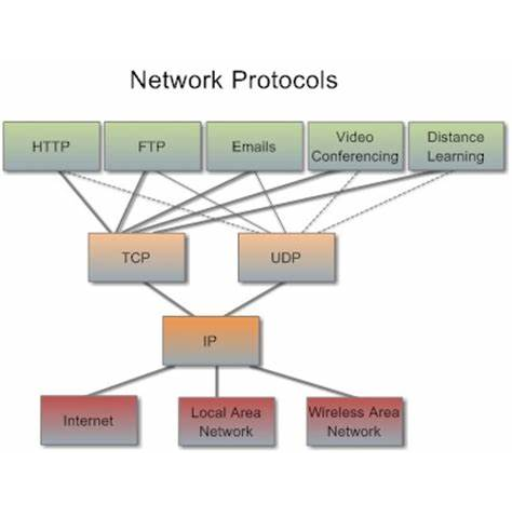
Protocol
An agreed-upon formatting for the transfer of data between two devices, determining the error checking that is used, the method of data compression, how the devices will indicate sending and receiving

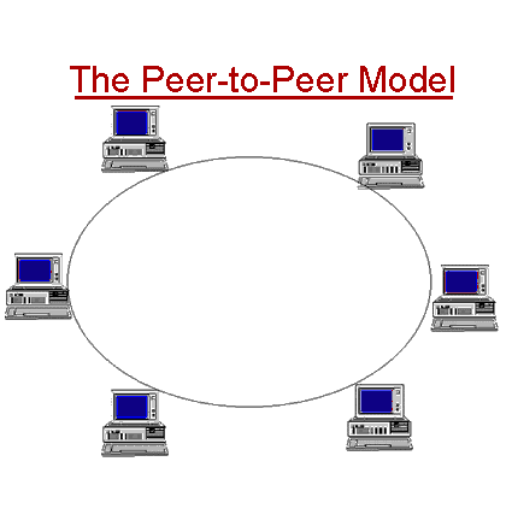
Peer-peer Architecture
Each workstation has equivalent capabilities and responsibilities

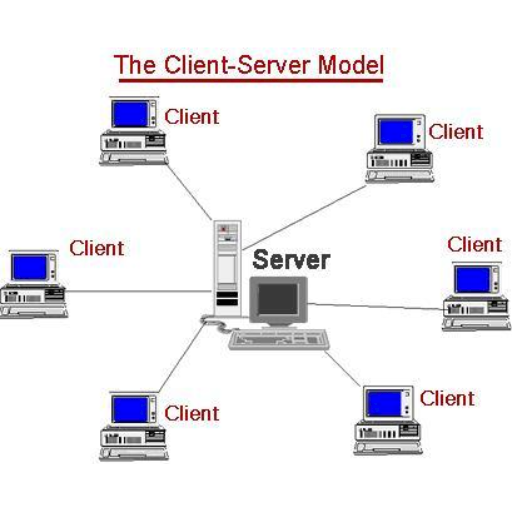
Client/Server Architecture
Each computer or process on the network is either a client (run applications) or a server (manages disk drives, printers, or network traffic)

- Full access to our public library
- Save favorite books
- Interact with authors

- < BEGINNING
- END >
-
DOWNLOAD
-
LIKE
-
COMMENT()
-
SHARE
-
SAVE
-
BUY THIS BOOK
(from $4.99+) -
BUY THIS BOOK
(from $4.99+) - DOWNLOAD
- LIKE
- COMMENT ()
- SHARE
- SAVE
- Report
-
BUY
-
LIKE
-
COMMENT()
-
SHARE
- Excessive Violence
- Harassment
- Offensive Pictures
- Spelling & Grammar Errors
- Unfinished
- Other Problem

COMMENTS
Click 'X' to report any negative comments. Thanks!