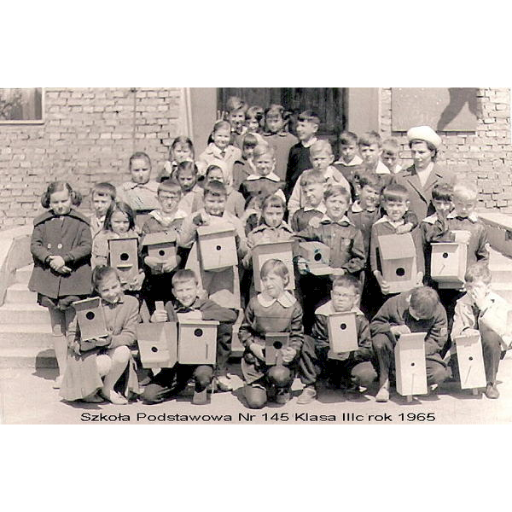
Frequently Asked Questions about Weterynaryjna in Warsaw. Compiled by Andrzej J. Voice: Jakub N., voki.com
9/2019/2020.

What is Weterynaryjna?
Almost a century ago, state Primary School no 145 was established at this place. After five decades of continuous work, in 1974, the primary school was replaced with special primary school. Weterynaryjna or Veterinary Street means Special Primary School no 240, at 3 Weterynaryjna Street in Warsaw.
Co to jest Weterynaryjna? Prawie sto lat temu założono w tym miejscu Publiczną Szkołę Powszechną nr 145. Po pięciu dziesięcioleciach nieprzerwanej pracy, w 1974 r. szkołę podstawową zastąpiła specjalna szkoła podstawowa. Weterynaryjna znaczy Specjalna Szkoła Podstawowa nr 240 przy ul. Weterynaryjnej 3 w Warszawie.
The school building from the 1950s.
A view from the school park.
Why was the street called Weterynaryjna?
120 years ago, a new residence of Warsaw Veterinary Institute was built next to cattle and horse market in Grochowska Street. In 1935 a dirt track between the Institute and the market was called Weterynaryjna Street. It was 220 m long. Today it is a passage through the park.
Dlaczego ulicę nazwano Weterynaryjna? 120 lat temu zbudowano nową siedzibę Warszawskiego Instytutu Weterynaryjnego, obok targu bydła i koni przy ul. Grochowskiej. W 1935 r. polny przejazd między instytutem a targiem został nazwany ulicą Weterynaryjną. Miała ona długość 220 m. Dziś jest to przejście przez park.
Weterynaryjna Street.
A view from the south.
What happened to the market during the war?
During the war the place was a horse cab rank.
Co stało się z targiem podczas wojny? To miejsce było postojem dorożek.
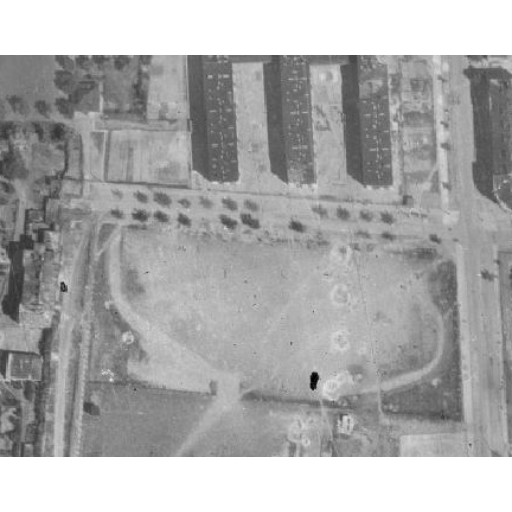

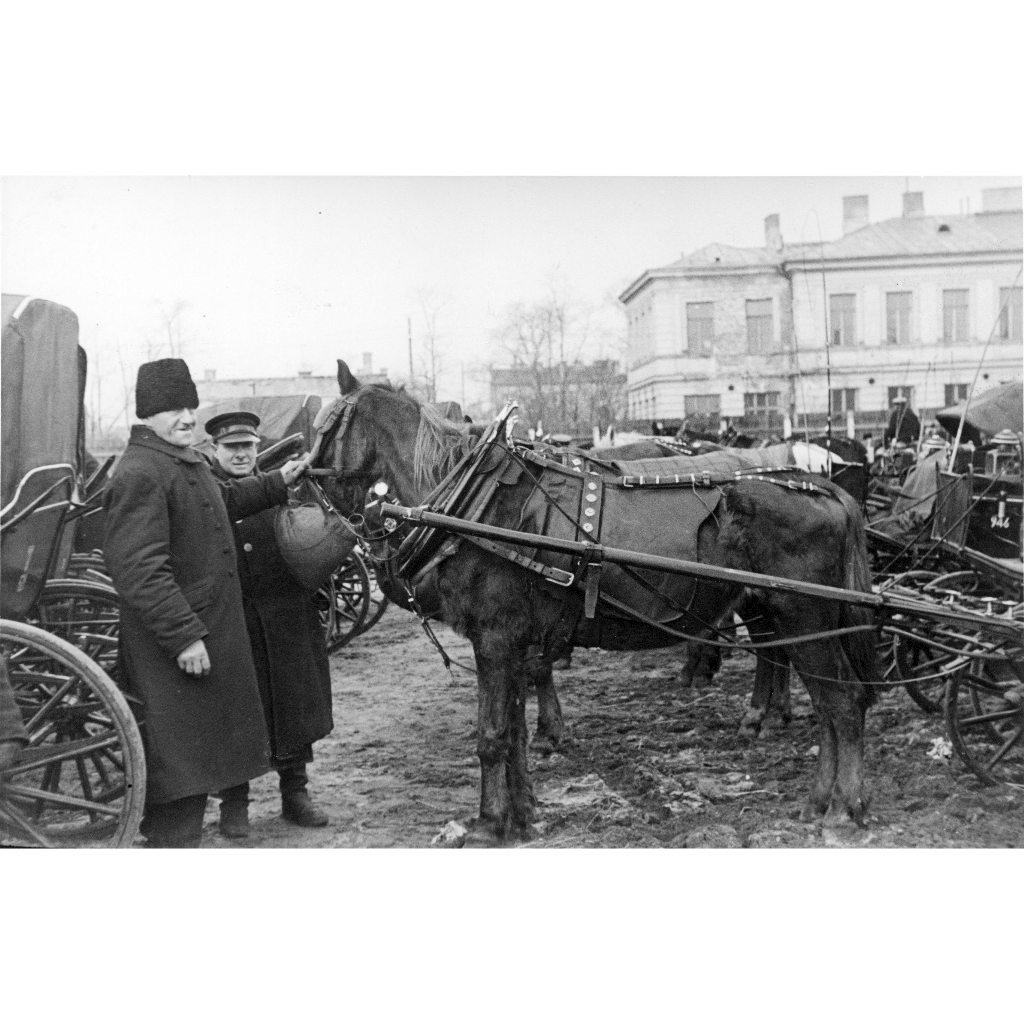
A cabdriver at the cab rank in Grochowska Street during world war 2.
What happened to the cattle and horse market after the war?
In the 1950s the market was closed and its place was turned into a city park. The park was rebuilt in 2005‒2006. Concrete lanes, a fountain, a summer house, a sports ground, playground equipment and an iron fence were added.
Co stało się z targiem bydła i koni po wojnie? W latach 50-tych XX wieku targ został zamknięty a jego miejsce zamieniono w park miejski. Park został przebudowany w latach 2005‒2006. Dodano betonowe aleje, fontannę, altanę, boisko, urządzenia do zabaw i żelazny płot.
The city park in 2005.
What happened to the Veterinary Institute?
The former Veterinary Institute and its animal clinic moved to a new place in Ursynów District in 2005. Today the buildings are the residence of Sinfonia Varsovia Orchestra. In the school year, every month a few musicians from the Orchestra visit the school and play various instruments.
Co stało się z Instytutem Weterynaryjnym? Dawny Instytut Weterynaryjny i jego lecznica zwierząt przeniosły się na nowe miejsce na Ursynowie w 2005 r. Dziś budynki są siedzibą Orkiestry Sinfonia Varsovia. W roku szkolnym w każdym miesiącu paru muzyków z Orkiestry odwiedza szkołę i gra na różnych instrumentach.
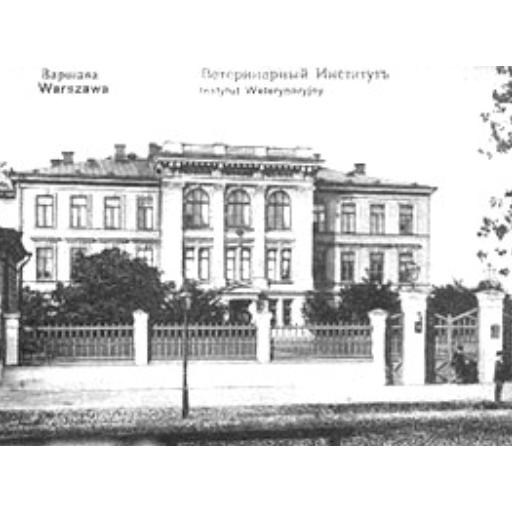
The main building of Veterinary Institute.
A view from Grochowska Street in 1912.
What was the first school building?
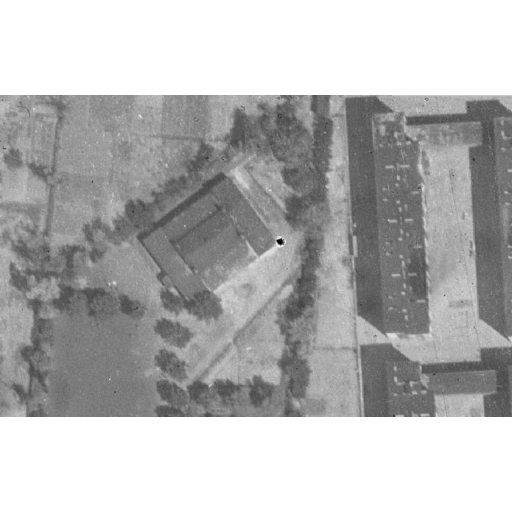
It was a ground floor wooden building, located in the present school park area.
Jaki był pierwszy budynek szkoły? Był to parterowy budynek drewniany, stojący na obecnym terenie parku szkolnego.
The primary school in 1945.
The school park and the playground.
A view from the school.
How old was the previous school building?
You can see that building on the map from the 1900s. At that time there were fields around, and an orchard on the west. Maybe it was built for the guard of the nearby tsarist monument and cemetery of the Battle of Olszynka Grochowska. The old school building was pulled down in the late 1960s.
Jak stary był poprzedni budynek szkoły? Możecie zobaczyć ten budynek na mapie z początku XX w. Wtedy dookoła były pola, i sad na zachodzie. Być może został on zbudowany dla straży pobliskiego carskiego pomnika i cmentarza bitwy pod Olszynką Grochowską. Stary budynek szkoły zburzono pod koniec lat 60. XX w.

After 1900
What was in the smaller building?
The smaller building was located at the end of Weterynaryjna Street. Teachers lived in that building. It was pulled down in the 1950s to make a place for new school building. The address of that building could be 1 Weterynaryjna Street, while the school was at no 3.
Co było w mniejszym budynku? Mniejszy budynek stał na końcu ul. Weterynaryjnej. W tym budynku mieszkali nauczyciele. Został on zburzony w latach 50-tych XX w., żeby zrobić miejsce dla nowego budynku szkolnego. Adresem tego budynku mogła być ulica Weterynaryjna nr 1, podczas gdy szkoła była pod trójką.
The teachers' house on a map from 1936.
What was built east and north of the school?
In 1937‒1938 ten buildings were built there. It was a housing estate for workers, built by TOR, Workers Estate Association. TOR was a company established after the Great Depression to build model blocks of small flats for rent.
Co wybudowano na wschód i na północ od szkoły? W latach 1937‒1938 zbudowano tam dziesięć budynków. Było to mieszkaniowe osiedle dla robotników, zbudowane przez TOR, Towarzystwo Osiedli Robotniczych. TOR było firmą założoną po wielkim kryzysie do budowania wzorcowych bloków z małymi mieszkaniami na wynajem.
TOR Estate: drying rooms, laundries and bathrooms.
What was built west of the school?
In 1949 a state Warsaw Clothing Industry Plant was built between the school area and Terespol-ska Street. In 1967 it was called Cora. Over 3000 people worked there. It went bankrupt in 2001.
Co zbudowano na zachód od szkoły? W 1949 r. między terenem szkoły a ul. Terespolską zbudowano państwowe Warszawskie Zakłady Przemysłu Odzieżowego. W 1967 r. nazwano je Cora. Pracowało tam ponad trzy tysiące ludzi. Cora zbankrutowała w 2001 r.


1969
What happened to Cora buildings?
A developer pulled down all the buildings.
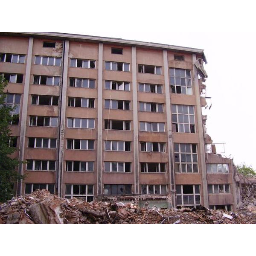
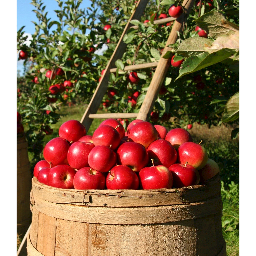
Then, in 2007‒2012 he built long blocks of flats, arranged on a ladder plan.
Co stało się z budynkami Cory? Deweloper zburzył je wszystkie. Potem, w latach 2007‒2012 zbudował długie bloki mieszkalne, z góry przypominające drabinę.
2006
A century earlier
Cora Estate. A view from the school car park.
What is the white tent next to Weterynaryjna?
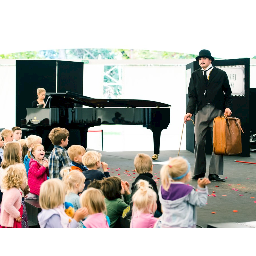
This is a summer Concert Pavilion. It was built in 2012‒2018. People can listen to the music, dance and watch performances there.
Co to za biały namiot obok Weterynaryjnej? Jest to letni pawilon koncertowy. Został on zbudowany w latach 2012‒2018. Ludzie mogą tam słuchać muzyki, tańczyć i oglądać przedstawienia.
The summer Concert Pavilion.
A view through the gate at the end of Kobielska Street.
What is the Eco-Garden?
This is a model flower garden, located right in front of the school, in the southeastern part of the school area. The pupils happily work and have lessons at the tables in this garden.
Co to jest Ekogródek? Jest to wzorcowy ogród kwiatowy, położony tuż przed szkołą, w południowo-wschodniej części terenu szkolnego. W tym ogrodzie uczniowie ochoczo pracują i mają lekcje przy stołach.
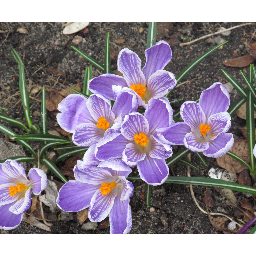
Crocuses 2020
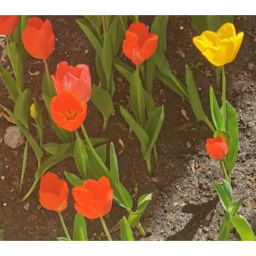
Tulips 2020
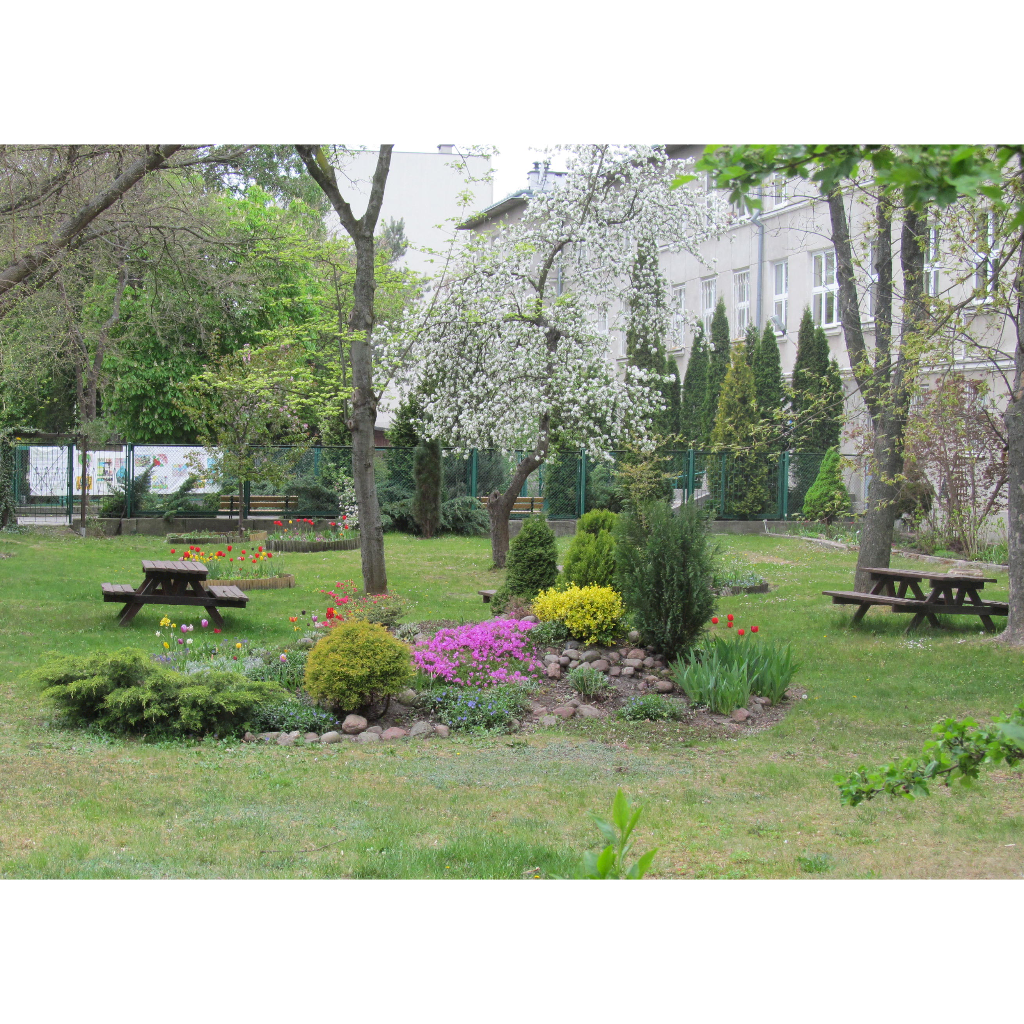
The Eco-Garden
Where is the treasure?
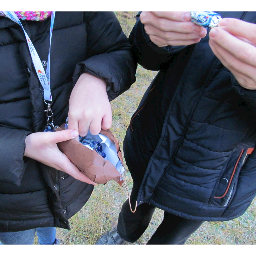
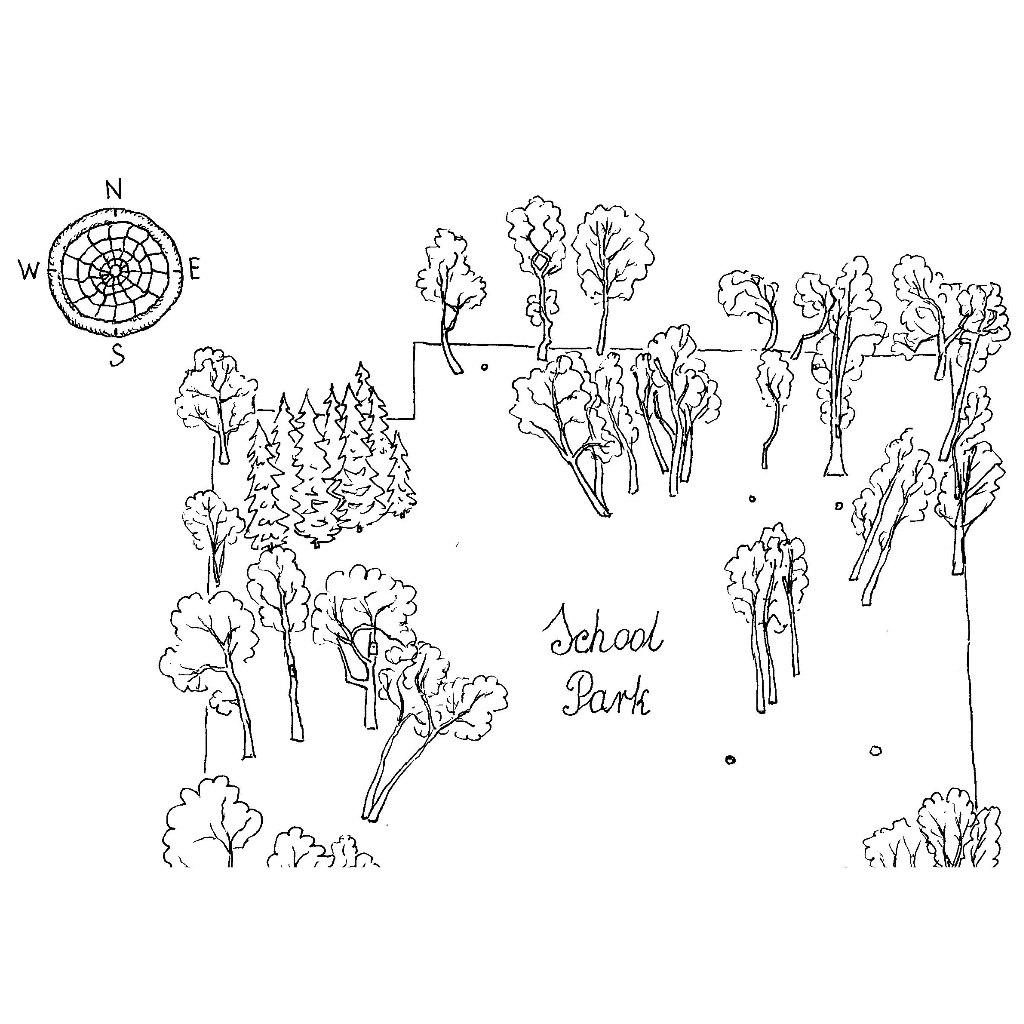
A legend says that a pirates' treasure is hidden in the school park. So far, in December 2019 a pack of sweets was found hanging in a tree in the northwestern part of the park.
Gdzie jest skarb? Legenda głosi, że w szkolnym parku ukryty jest skarb piratów. Jak dotąd, w grudniu 2019 r. znaleziono paczkę cukierków wiszącą na drzewie w północno-zachodniej części parku.
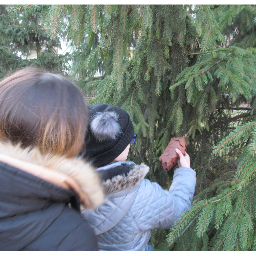

What is the treasure of the school park?
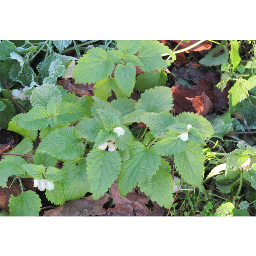
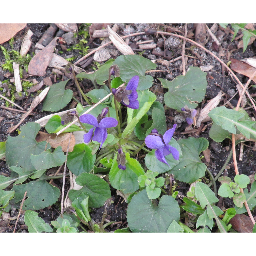
Old trees and many flowers are the real treasure.
Co jest skarbem parku szkolnego? Stare drzewa i wiele kwiatów to rzeczywisty skarb.
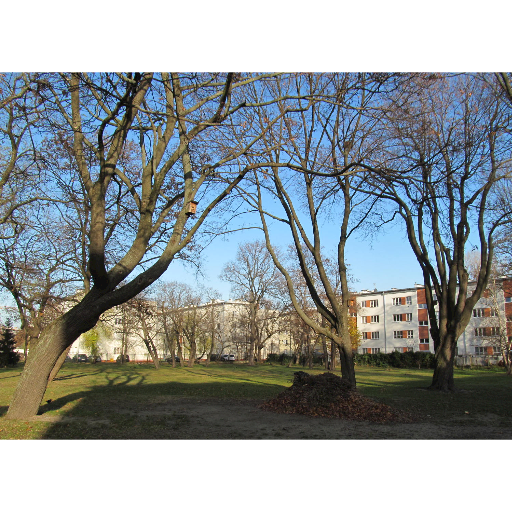
School park
Where is the entrance to the school?
It is at the end of the old Weterynaryjna Street. The building more or less shows the directions of the world and is standing across Weterynaryjna Street. The entrance is from the south.
Gdzie jest wejście do szkoły? Jest ono na końcu starej ulicy Weterynaryjnej. Budynek mniej więcej ukazuje strony świata i stoi w poprzek ulicy Weterynaryjnej. Wejście jest od południa.
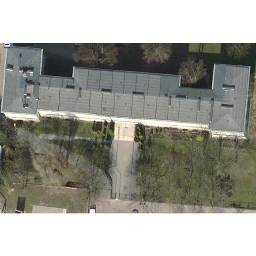
Entrance
2019
What is on the basement floor?
The gym is on the right end, the former coal boiler room is at the left end. Today, it is a wardrobe for the school theatre. The cloakroom is in the middle. In the basement, there are workshops, scout hut, toilet, fitness room, changing rooms with toilet and shower, the world experience room.
Co jest w piwnicy? Sala gimnastyczna jest na prawym końcu, dawna kotłownia węglowa jest na lewym końcu. Dziś jest to garderoba dla szkolnego teatru. Szatnia jest na środku. W piwnicy są warsztaty, harcówka, ubikacja, sala do ćwiczeń, przebieralnie z ubikacją i prysznicem, sala doświadczania świata.
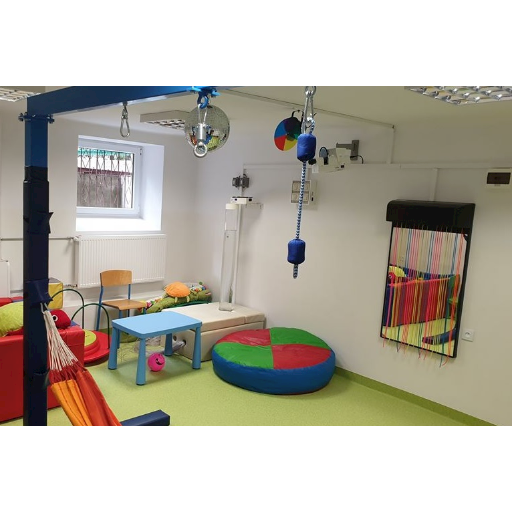
The World Experience Room
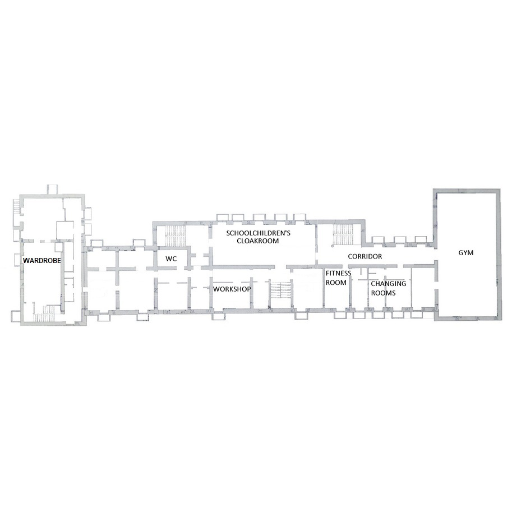
What is on the first floor?
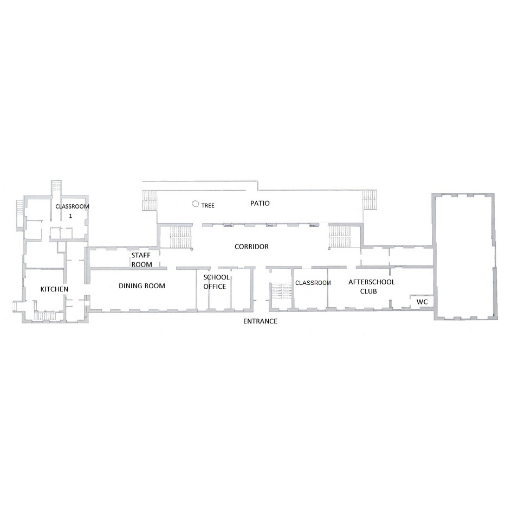
The first floor is one metre above the ground level. The afterschool club is on the right, the dining room is on the left. The school office and the staff room are also on the left. The only toilet is in the afterschool club. There is a patio outside.
Co jest na parterze? Parter jest metr nad poziomem ziemi. Świetlica jest po prawej, stołówka jest po lewej. Sekretariat i pokój nauczycielski również są po lewej. Jedyna ubikacja jest w świetlicy. Na zewnątrz jest taras.
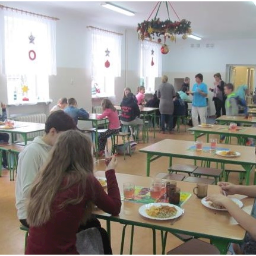
Dining room
What is on the second floor?
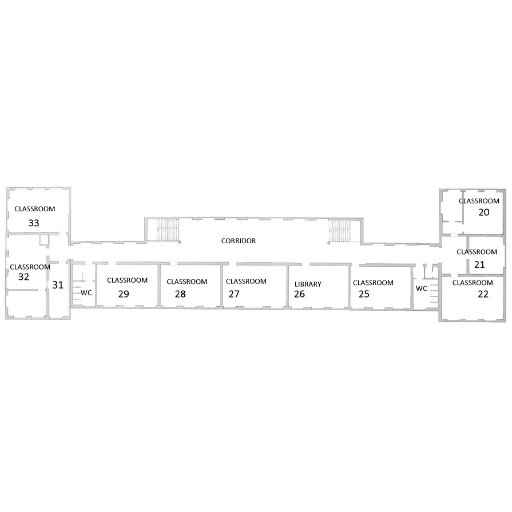
There are classrooms, the school library and two toilets on this floor.
Co jest na pierwszym piętrze? Na tym piętrze są klasy, szkolna biblioteka i dwie ubikacje.
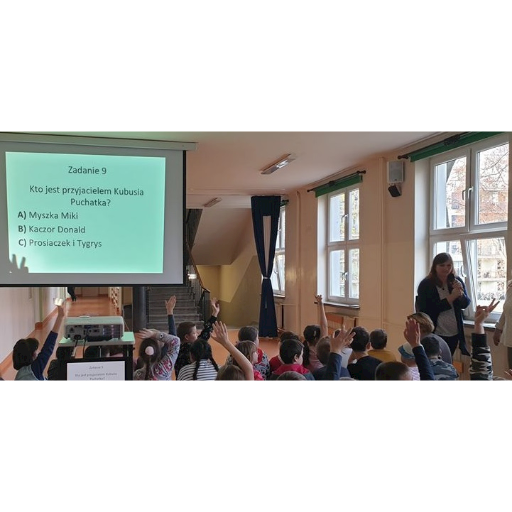
Corrridor on the second floor
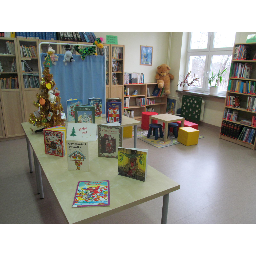
Library
What is on the third floor?
The corridor is separated by a classroom. There are classrooms and two toilets on this floor. There is a nursing room on the left.
Co jest na drugim piętrze? Korytarz jest podzielony klasą. Na tym piętrze są klasy i dwie ubikacje. Po lewej stronie jest pokój pielęgniarski.
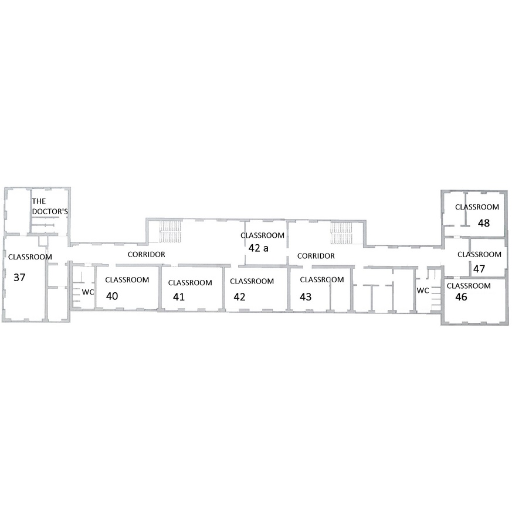
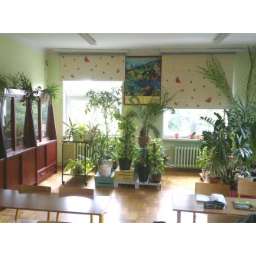
Classroom no 37
Vocabulary
FAQ - frequently asked questions - często zadawane pytania (okładka)
ago - temu (str. 1, 2)
place - miejsce (str. 1, 2, 10, 16)
compile - sporządzać (str. 1)
almost - prawie (str. 2)
century - stulecie (str. 2, 22)
state - państwowa (str. 2, 20)
primary - podstawowa (str. 2, 12)
establish - założyć (str. 2, 18)
after - po (str. 2, 8, 15)
decade - dziesięciolecie (str. 2)
continuous - ciągła, nieprzerwana (str. 2)
work - praca (str. 2)
replace - zastąpić (str. 2)
mean - znaczyć (str. 2)
building - budynek (str. 3, 10, 11, 12)
view - widok (str. 3, 5, 11, 13, 23, 25)
why - dlaczego (str. 4)
call - nazywać (str. 4, 20)
residence - siedziba (str. 4)
veterinary - weterynaryjny (str. 4)
institute - instytut (str. 4)
built (odmiana build) - budować (4, 20, 24)
cattle - bydło (str. 4)
horse - koń (str. 4, 6)
market - targ (str. 4, 6)
dirt track - droga polna (str. 4)
between - pomiędzy (str. 4, 20)
long - długa (str. 4, 22)
passage - przejazd, przejście (str. 4)
through - przez (str. 4, 25)
south - południe (str. 5)
during - podczas (str. 6)
world - świat (str. 7, 32, 34)
war - wojna (str. 6, 7)
cab rank - postój dorożek (s. 6, 7)
cabdriver - dorożkarz (str. 7)
happen - zdarzyć się (str. 8, 10, 22)
close - zamknąć (str. 8)
turn into - zamienić w (str. 8)
rebuilt - przebudowany (str. 8)
concrete - beton (str. 8)
lane - alejka (str. 8)
fountain - fontanna (str. 8)
summer house - altana (str. 8)
sports ground - boisko (str. 8)
playground - plac zabaw (str. 8, 13)
equipment - sprzęt (str. 8)
iron fence - żelazny płot (str. 8)
add - dodać (str. 8)
former - dawny (str. 10, 34)
animal clinic - lecznica zwierząt (s. 10)
move - przeprowadzić się (s. 10)
district - dzielnica (str. 10)
today - dziś (str. 10)
orchestra - orkiestra (str. 10)
school year - rok szkolny (str. 10)
every - każdy (str. 10)
month - miesiąc (str. 10)
a few - paru (str. 10)
musician - muzyk (str. 10)
visit - odwiedzać (str. 10)
various - różne (str. 10)
main - główny (str. 11)
ground floor - parter (str. 12)
wooden - drewniany (str. 12)
located - położony (str. 12, 16, 26)
present - obecny (str. 12)
area - teren (str. 12, 20, 26)
previous - poprzedni (str. 14)
field - pole (str. 14)
around - dookoła (str. 14)
orchard - sad (str. 14)
west - zachód (str. 14, 20)
maybe - być może (str. 14)
nearby - pobliski (str. 14)
guard - straż (str. 14)
tsarist - carski (str. 14)
monument - pomnik (str. 14)
cemetery - cmentarz (str. 14)
battle - bitwa (str. 14)
pull down - zburzyć (str. 14, 16, 22)
late - późny (str. 14)
smaller - mniejszy (str. 16)
teacher - nauczyciel (str. 16, 17)
live - mieszkać (str. 16)
make - zrobić (str. 16)
could (odmiana can) - mógł (str. 16)
while - podczas gdy (str. 16)
east - wschód (str. 18)
north - północ (str. 18)
estate - osiedle (str. 18)
worker - robotnik (str. 18)
association - towarzystwo (str. 18)
company - firma (str. 18)
Great Depression - wielki kryzys (s.18)
model - wzór (str. 18, 26)
block of flats - blok mieszkalny (s. 18)
rent - czynsz (str. 18)
laundry - pralnia (str. 18)
dry - suchy (str. 18)
cloth - tkanina (str. 20)
industry - przemysł (str. 20)
plant - fabryka (str. 20)
over - ponad (str. 20)
work - pracować (str. 20, 26)
went bankrupt - zbankrutowała (s. 20)
developer - deweloper (str. 22)
arrange - rozplanować (str. 22)
ladder - drabina (str. 22)
earlier - wcześniej (str. 22)
car park - parking (str. 23)
tent - namiot (str. 24)
summer - lato (str. 24)
pavilion - namiot (str. 24)
performance - przedstawienie (s. 24)
gate - brama (str. 25)
flower - kwiat (str. 26, 30)
garden - ogród (str. 26)
right in front of - tuż przed (str. 26)
sutheastern - południowo-wschodnia
part - część (str. 26, 28)
pupil - uczeń (str. 26)
happily - ochoczo (str. 26)
at the table - przy stole (str. 26)
treasure - skarb (str. 28, 30)
legend - legenda (str. 28)
pirate - pirat (str. 28)
hidden - ukryty (str. 28)
so far - jak dotąd (str. 28)
pack - paczka (str. 28)
sweet - cukierek (str. 28)
found (odm. find) - znaleziona (s. 28)
hang - wisieć (str. 28)
tree - drzewo (str. 28, 30)
northwestern - północno-zachodnia
real - rzeczywisty (str. 30)
entrance - wejście (str. 32)
more or less - mniej więcej (str. 32)
direction - kierunek (str. 32)
across - w poprzek (str. 32)
basement - piwnica (str. 34)
gym - sala gimnastyczna (str. 34)
coal boiler - kotłownia węglowa (str. 34)
cloakroom - szatnia (str. 34)
wardrobe - garderoba (str. 34)
theatre - teatr (str. 34)
workshop - warsztat (str. 34)
scout hut - harcówka (str. 34)
changing room - przebieralnia
shower - prysznic (str. 34)
experience - doświadczenie (s. 34)
first floor - parter (str. 36)
metre - metr (str. 36)
above - ponad (str. 36)
ground level - poziom ziemi (s. 36)
afterschool club - świetlica (str. 36)
dining room - stołówka (str. 36)
school office - sekretariat (str. 36)
staff room - pokój nauczycielski (s. 36)
the only - jedyna (str. 36)
patio - taras (str. 36)
outside - na zewnątrz (str. 36)
library - biblioteka (str. 38)
separate - rozdzielać (str. 40)
nursing room - pokój pielęgniarski
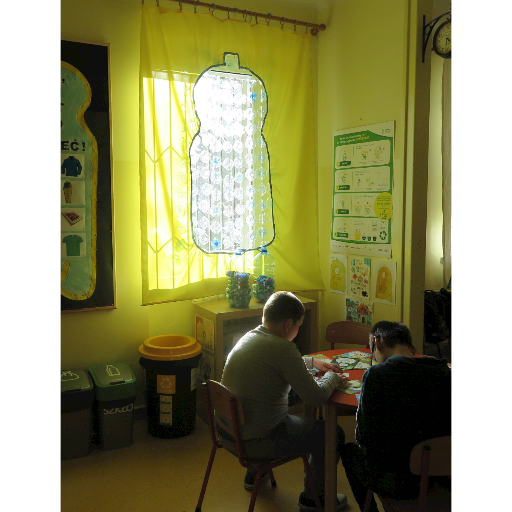
Afterschool club
Ilustracje pochodzą ze zbiorów Weterynaryjnej, a także z innych źródeł:
mapy i zdjęcia lotnicze na stronach 6 (z roku 1945), 9 (2005), 12 (1945), 15 (po 1900), 17 (1936), 32, 33 (2019) ‒ ze zbiorów Biura Geodezji i Katastru Urzędu m. st. Warszawy, www.mapa.um.warszawa.pl (dostęp 12.04.2020);
klasa III z 1965 r. na str. 1: www.nk.pl, zdjęcie zamieścił Jerzy Machnikowski;
dorożkarz, s. 7: Narodowe Archiwum Cyfrowe, s. 3/2/0/-/7975/1, www.nac.gov.pl;
pocztówka na str. 11: Fundacja "Warszawa1939.pl", www.warszawa1939.pl;
metki "Cory" na str. 20: Muzeum Narodowe w Warszawie, www.mnw.art.pl;
"Cora" na str. 21: z okładki "Warszawskiego Informatora Kulturalnego" z 1969 r., www.fotopolska.eu, zamieścił PEŻ; sad na str. 22: StoryJumper;
ruina "Cory" z 2006 r. na str. 22: www.nk.pl, zdjęcie zamieścił Łukasz Krysiński;
scena z Poranku na Grochowskiej "Nieme kino" z 2019 r. na str. 24: Orkiestra Sinfonia Varsovia, www.sinfoniavarsovia.org
Veterinary
Street
Warsaw, April 2020


- Full access to our public library
- Save favorite books
- Interact with authors

- < BEGINNING
- END >
-
DOWNLOAD
-
LIKE(1)
-
COMMENT()
-
SHARE
-
SAVE
-
BUY THIS BOOK
(from $20.99+) -
BUY THIS BOOK
(from $20.99+) - DOWNLOAD
- LIKE (1)
- COMMENT ()
- SHARE
- SAVE
- Report
-
BUY
-
LIKE(1)
-
COMMENT()
-
SHARE
- Excessive Violence
- Harassment
- Offensive Pictures
- Spelling & Grammar Errors
- Unfinished
- Other Problem





COMMENTS
Click 'X' to report any negative comments. Thanks!