



Biological Diversity


Diversity means "differences".
There are three kinds of diversity:
1) Ecosystem diversity: different types of living communities and their communities (abiotic & biotic)
2) Species diversity: all the species that exist
3) Genetic diversity: differences in a certain species


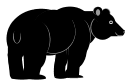
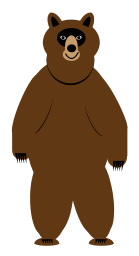
Grizzly Bears

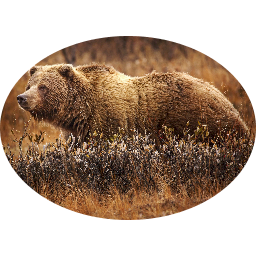
Grizzly bears are a type of brown bears, also
known as the North American Brown Bear. It's
name, "grizzly", comes from the tips on the
bear's fur, giving it a grizzled appearance.
Linnaeus Classification
This classification is the hierarchy of categories.
- Kingdom: Animalia
- Phylum: Chordata
- Class: Mammalia
- Order: Carnivora
- Family: Ursidae
- Genus: Ursus
- Species: Ursus arctos

Where Do Grizzly Bears Live?
Grizzly bears can be found in woodlands,
forests, alpine meadows, and prairies. In many
habitats, they prefer areas along rivers and
streams

What is its Range?

Grizzly bears once lived in Western North America, but as human settlement hunted them and eliminated them, there have been less and less of them. They are still found in places like Wyoming, Montana, Idaho, and Washington State. They are one of the most classical habitants of Yellowstone National Park. Lots of grizzly bears also roam in Canada and Alaska, where they are hunted by humans for trophies.
What Do They Eat?
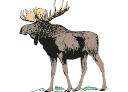
Grizzly bears are omnivores. During summer, many bears gather to feast on salmon. These bears are on the top of the food chain, but their diet mainly consists of nuts, berries, fruits, leaves and roots. They may eat small rodents and other animals like moose from time to time.


Predators
Grizzly bears are very big and intimidating, so they don't have many predators. Though, the young cubs are targeted by predators such as wolves, mountain lions, and adult male grizzly bears.


Interspecies Competition
Grizzly bears compete with different species for mainly one reason; food. There have been competitions between grizzlies and wolves, big cats, and black bears. Most of the time, the competition is one-sided, the bear will approach the other species feeding on food. The other species will leave the meal to avoid competition/predation.


Grizzly bears have a mutualism relationship with berry producing plants. The bear benefits from gaining food and the berry is benefited by the bear, which leaves the berry’s seeds on the ground, allowing more plants to grow. Grizzlies also have a parasitic relationship with lice. The lice sucks blood from the bears gaining food, but the bear gets affected negatively, being harmed. The bears sometimes have a commensalism relationship with humans, when the humans throw away food and the bears feed on it, gaining food. This doesn’t affect humans.
Symbiotic Relationships


Giant Pandas

A giant panda is a medium to large sized bear that has a very good sense of smell. It has creamy-white thick fur and black patches on its shoulders, ears, and nose, as well as patches around its eyes as well.
Linnaeus Classification
- Kingdom: Animalia
- Phylum: Chordata
- Class: Mammalia
- Order: Carnivora
- Family: Ursidae
- Genus: Ailuropoda
- Species: Ailuropoda melanoleuca
Where Do Giant Pandas Live?
They live in coniferous and broadleaf forests/trees. They also live in caves instead of building shelters. They will mark their territory with secretions by their scent glands or clawing trees with scratch marks.


- Full access to our public library
- Save favorite books
- Interact with authors

- < BEGINNING
- END >
-
DOWNLOAD
-
LIKE(1)
-
COMMENT()
-
SHARE
-
SAVE
-
BUY THIS BOOK
(from $4.19+) -
BUY THIS BOOK
(from $4.19+) - DOWNLOAD
- LIKE (1)
- COMMENT ()
- SHARE
- SAVE
- Report
-
BUY
-
LIKE(1)
-
COMMENT()
-
SHARE
- Excessive Violence
- Harassment
- Offensive Pictures
- Spelling & Grammar Errors
- Unfinished
- Other Problem

COMMENTS
Click 'X' to report any negative comments. Thanks!