To 6th period zoology

Respiration
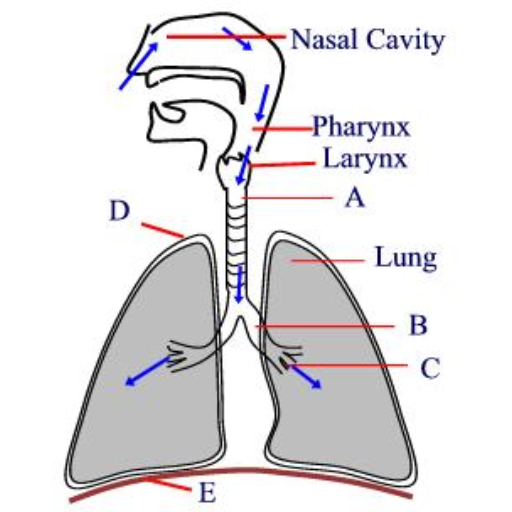
Bears' respiratory systems are just like humans. Lungs take in oxygen through the nasal cavity and carry it into the bloodstream. Red blood cells take the CO2 back to the lungs to be exhaled. The pulmonary venule takes aerated blood to the heart. The pulmonary arteriole takes nonaerated blood from the heart
Circulation
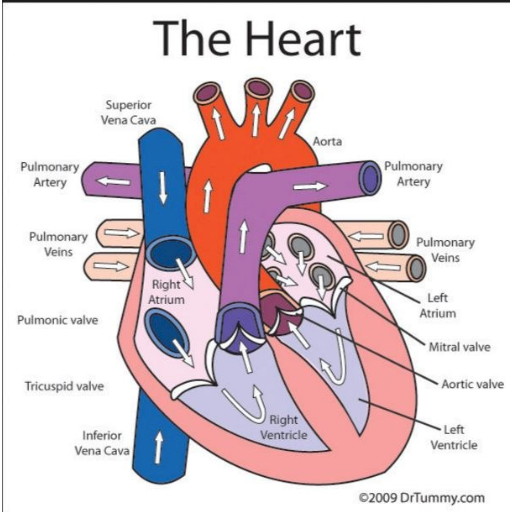
Bears have closed circulatory systems. Blood enters the heart through the right atria and into the right ventricle. The right ventricle sends the blood to the lungs to get oxygen. Then the blood returns to the left atria and exits the heart through the aorta.
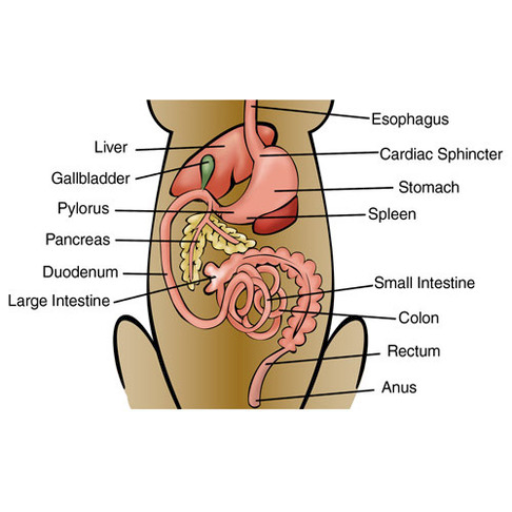
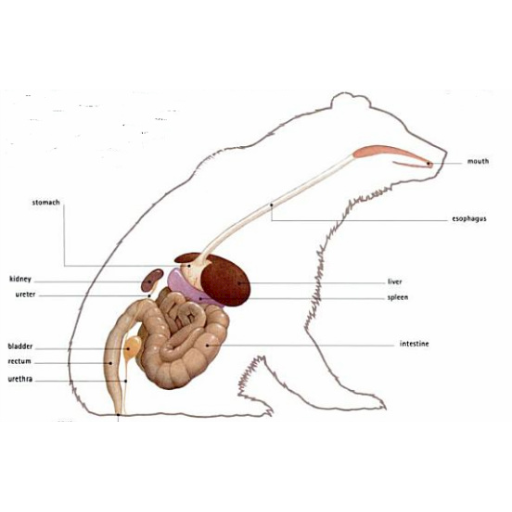
Since bears have an elongated digestive tract, their bodies can digest vegetation easier than other normal carnivores. Food enters the mouth, is pushed down the esophagus, and enters the stomach. Then, the food is taken through the intestines, where the nutrients and water are absorbed. Finally, leftover waste exits the body through the anus as excrement.
Digestion
Nutrition & Food Getting
Even though they are predators, bears are omnivores. They can eat berries, roots, and other plants but they also eat fish, deer, and other mammals
Food Getting
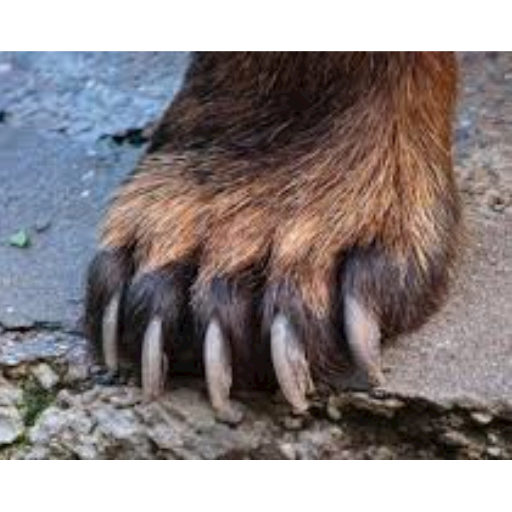
Their large body mass and muscle along with huge claws and teeth help bears hunt. They kill prey by striking them, crushing them, or biting their necks.
Structure & Protection
Bears have a very thick layer of fat. This keeps them warm during hibernation. Along with temperature regulation, bears can use their fat for excess energy when food is scarce. Since they don't have any natural predators, bears mostly just protect themselves with their claws, teeth, and size.
Movement
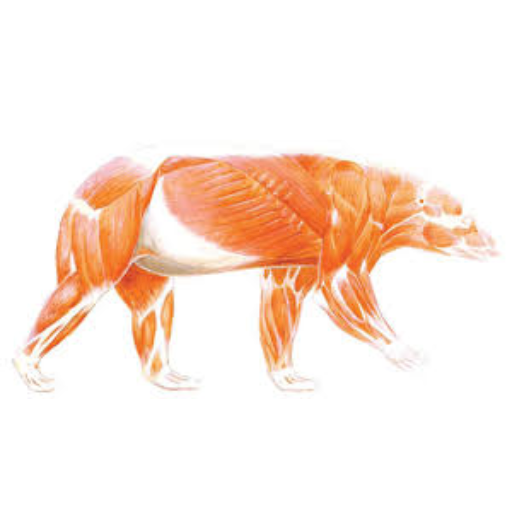
Since bears walk on all fours, they are able to move by contracting their leg muscles
Osmosis & Excretion
Excretory organs such as the kidneys and intestines help remove unneeded waste and maintain a good water balance
Body Temperature
Bears, like most mammals, are endothermic. This means they can regulate their own body temperature. However, bears are among the few mammals that are heterotherms. Their body temperature is kept at a constant until specific periods of time (hibernation)
Reproduction
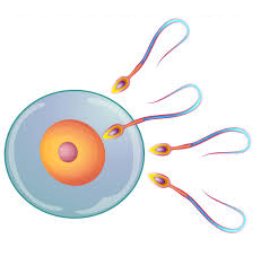
Bears reproduce sexually. An offspring is produced through 2 specific sex cells from 2 separate individuals (the egg and sperm)
Development
During mating season, the mother bear must gain and maintain sufficient body weight in order for the embryos to attach to the uterine walls and develop into fetuses. When the cubs are born, the mother stays with them to protect, feed, nurture, and teach them to survive. Eventually, at the age of 3 or 4, the mother will leave the cubs so they can continue living independently.
- Full access to our public library
- Save favorite books
- Interact with authors
- < BEGINNING
- END >
-
DOWNLOAD
-
LIKE
-
COMMENT()
-
SHARE
-
SAVE
-
BUY THIS BOOK
(from $4.79+) -
BUY THIS BOOK
(from $4.79+) - DOWNLOAD
- LIKE
- COMMENT ()
- SHARE
- SAVE
- Report
-
BUY
-
LIKE
-
COMMENT()
-
SHARE
- Excessive Violence
- Harassment
- Offensive Pictures
- Spelling & Grammar Errors
- Unfinished
- Other Problem





COMMENTS
Click 'X' to report any negative comments. Thanks!