
Part 1 what are adaptations?
Adaptations help animals to survive in specific and harsh conditions. Adaptations occur over a long period of time. Over generations you see adaptations occur. Adaptations are not something to be worried about they occur naturally.
Here are some examples of adaptations. Cats grow sharp claws and fangs to help them hunt. Giraffes have long necks and a long tongue to help get juicy leaves from tall trees.

Arctic foxes grow a thick layer of fur to keep warm and camouflage into the whiteness of the snow.
The final example is that rabbit’s ears are different sizes deepening on their breed. Ear sizes differ because they have adapted to live in different environments.
These are the three main types of adaptations.
1. The first one is behavioral; this means a behavior of an animal to a certain environment like different bird calls and bears hibernating. These behavioural adaptations are something you are born with, you are born knowing how to do.
2. The second one is physiological; this means something that the animals body does but that the animal itself doesn’t need to do anything about it for example mammals produce milk for their young.
3. Third is physical or structural this means that the animal has a structure or physical part of its body that help it survive. For example, some animals have horns to defend themselves such as bulls or plants have structural adaptations to attract insects such as flowers.
Part 2 what features/adaptations do rabbits have in forests?
Some features that can be seen on rabbits that help them survive are short or long fur to help them cope with different climates. Rabbit fur can also help camouflage them. Also rabbits have a layer of fur under their feet to help cope with hot sand or cold ice or snow.
Second of all, rabbits can have long or short ears to help sense the world. Rabbits ears have two functions or working, the first is to help the animal help locate the world around it. The second is the ears help the rabbit to control its temperature. So ears are bigger where it is hotter and smaller were it is colder.
The behavior of the rabbit is another adaptation, for example rabbits are very good at running and hiding. Also rabbits like to hide in shady places or burrows for the day time and are often active at night, because there are a lot of dangerous predators out during the day, for example feral cats.
The last example of an adaptation is that rabbits have a great sense of smell because they need to smell what’s around them to make sure it is safe and that there are no predators. Also, rabbit know what plants to eat and avoid because of their amazing sense of smell.
Other interesting adaptations for rabbits are their long bouncy legs. This is a good adaptation because it they need to get around high places they can trust their legs to jump to the other side safely. Rabbits also rabbits dig burrows to keep themselves safe, digging with their front legs and back legs to flick the soil away.
Part 3 – what are features of a forest where rabbit thrive?
Forests are a place where rabbits, or colonies of rabbits, can be seen. Forests provide a lot of ways to protect them; like making a safe burrow under a tree which is sturdy and safe. Rabbits often live in a forest where they can be camouflaged or blend in with the colour of their fur. Rabbits are mostly around the edges of forests not in the middle where there is many foxes, feral cats, wolves and more out to hunt down and feed the flesh of the dead rabbit. Also at the edges of forests has a lot more grass which the rabbits like to eat.
Figure 1 – rabbits and their forest habitats are found mostly in the temperate zone. Source: Science Dictionary http://www.webquest.hawaii.edu/kahihi/sciencedictionary/C/climatezone.php accessed 4.9.20
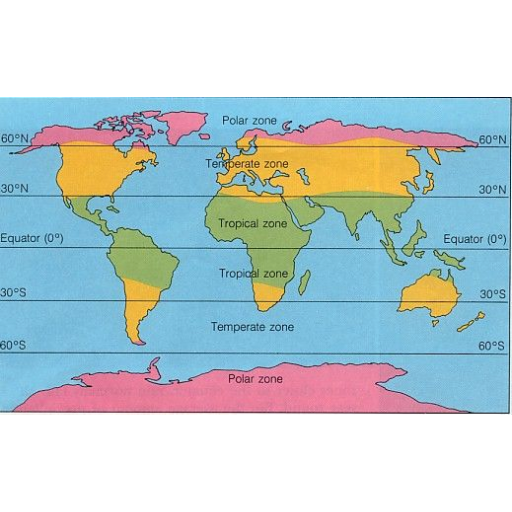
Rabbits mostly live in temperate and less in tropical zones (see fig. 1). But rabbits are rarer in the polar zone because it’s too cold there, and there are too many predators there to kill and eat it up example of polar predator is the arctic fox.
- Full access to our public library
- Save favorite books
- Interact with authors
- < BEGINNING
- END >
-
DOWNLOAD
-
LIKE
-
COMMENT()
-
SHARE
-
SAVE
-
BUY THIS BOOK
(from $5.99+) -
BUY THIS BOOK
(from $5.99+) - DOWNLOAD
- LIKE
- COMMENT ()
- SHARE
- SAVE
- Report
-
BUY
-
LIKE
-
COMMENT()
-
SHARE
- Excessive Violence
- Harassment
- Offensive Pictures
- Spelling & Grammar Errors
- Unfinished
- Other Problem





COMMENTS
Click 'X' to report any negative comments. Thanks!