Bana hayajneh Jordan
layan sababaha Jordan
Lama sababaha Jordan
Elza Zagarnyuk Ukraine
Vita Molchanovich Ukraine
Luca Monti Italy
Massimiliano Pagani Italy
Matteo Fregata Italy
Edoardo Fugazza Italy
Mehmet ÇETİNTÜRK Turkey
Ela Turkey/İstanbul
Nehir Turke/İstanbul

THE PROBLEMS AND THEIR EFFECTS ON THE PLANET. COMMON WORK. TEAM2. PROJECT "PLANET FRIENDS"
NATURAL DISASTERS ( Ukrainian Team - Vitalina and Elza)
1. Floods
2. Earthquakes
3. Storms
4. Tsunamis
5. Hurricanes
6. Landslides
7. Sinkholes
8. Droughts
9. Blizzards
10. Wildfires
11. Solar radiation.
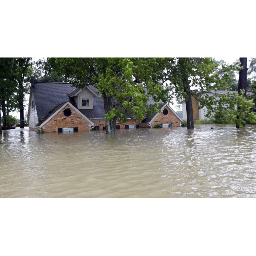
FLOODS
A flood is an overflow of water that 'submerges' land. The EU Floods Directive defines a flood as a temporary covering the land with water which is usually not covered by water. In the sense of 'flowing water', the word may also be applied to the inflow of the tides. Flooding may result from the volume of water within a body of water, such as a river or lake, which overflows, causing some of the water to escape its usual boundaries. While the size of a lake or other body of water will vary with seasonal changes in precipitation and snow melt, it is not a significant flood unless the water covers land used by man, like a village, city or other inhabited area, roads, expanses of farmland, etc.
EARTHQUAKES
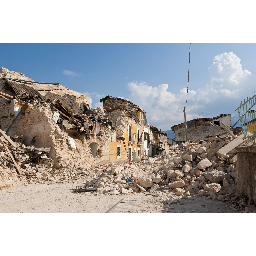
An earthquake is the result of a sudden release of energy in the Earth's crust that creates seismic waves. At the Earth's surface, earthquakes manifest themselves by vibration, shaking, and sometimes displacement of the ground. Earthquakes are caused by slippage within geological faults. The underground point of origin of the earthquake is called the seismic focus. The point directly above the focus on the surface is called the epicenter. Earthquakes by themselves rarely kill people or wildlife. It is usually the secondary events that they trigger such as building collapse, fires, tsunamis (seismic sea waves) and volcanoes. Many of these could possibly be avoided by better construction, safety systems, early warning and planning.
DROUGHTS
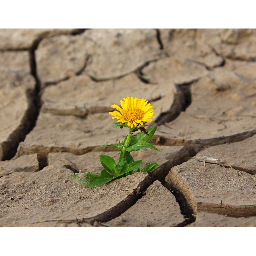
Drought is the unusual dryness of soil caused by levels of rainfall significantly below average over a prolonged period. Hot dry winds, shortage of water, high temperatures and consequent evaporation of moisture from the ground can also contribute to conditions of drought. Droughts result in crop failure and shortages of water.
Well-known historical droughts include the 1997–2009 Millennium Drought in Australia led to a water supply crisis across much of the country. As a result, many desalination plants were built for the first time (see list). In 2011, the State of Texas lived under a drought emergency declaration for the entire calendar year and severe economic losses. The drought caused the Bastrop fires.
TSUNAMIS
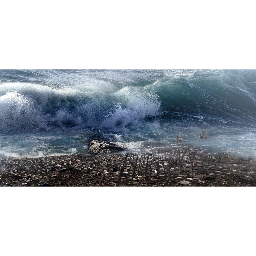
A tsunami (plural: tsunamis or tsunami;"harbour wave"; English pronunciation: /tsuːˈnɑːmi/), also known as a seismic sea wave or as a tidal wave, is a series of waves in a water body caused by the displacement of a large volume of water, generally in an ocean or a large lake. Tsunamis can be caused by undersea earthquakes such as the 2004 Boxing Day tsunami, or by landslides such as the one in 1958 at Lituya Bay, Alaska, or by volcanic eruptions such as the ancient eruption of Santorini. On March 11, 2011, a tsunami occurred near Fukushima, Japan and spread through the Pacific Ocean.
HURRICANES
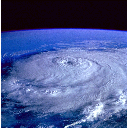
A tornado is a violent and dangerous rotating column of air that is in contact with both the surface of the Earth and a cumulonimbus cloud, or the base of a cumulus cloud in rare cases. It is also referred to as a twister or a cyclone, although the word cyclone is used in meteorology in a wider sense, to refer to any closed low pressure circulation. Tornadoes come in many shapes and sizes, but are typically in the form of a visible condensation funnel, whose narrow end touches the Earth and is often encircled by a cloud of debris and dust. Most tornadoes have wind speeds less than 110 miles per hour (177 km/h), are approximately 250 feet (80 m) across, and travel a few miles (several kilometers) before dissipating. The most extreme tornadoes can attain wind speeds of more than 300 mph (480 km/h), stretch more than two miles (3 km) across, and stay on the ground for dozens of miles (perhaps more than 100 km).
LANDSLIDES
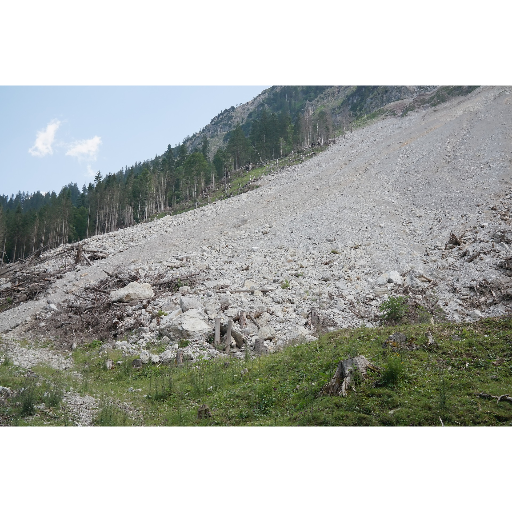
A landslide is described as an outward and downward slope movement of an abundance of slope-forming materials including rock, soil, artificial, or even a combination of these things.
SINKHOLES
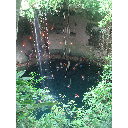
When natural erosion, human mining or underground excavation makes the ground too weak to support the structures built on it, the ground can collapse and produce a sinkhole. For example, the 2010 Guatemala City sinkhole, which killed fifteen people, was caused when heavy rain from Tropical Storm Agatha, diverted by leaking pipes into a pumice bedrock, led to the sudden collapse of the ground beneath a factory building.
STORMS
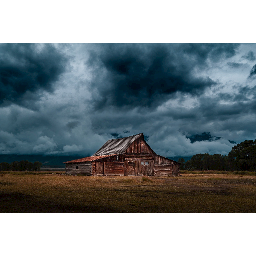
Severe storms, dust clouds, and volcanic eruptions can generate lightning. Apart from the damage typically associated with storms, such as winds, hail, and flooding, the lightning itself can damage buildings, ignite fires and kill by direct contact. Especially deadly lightning incidents include a 2007 strike in Ushari Dara, a remote mountain village in northwestern Pakistan, that killed 30 people, the crash of LANSA Flight 508 which killed 91 people, and a fuel explosion in Dronka, Egypt caused by lightning in 1994 which killed 469. Most lightning deaths occur in the poor countries of America and Asia, where lightning is common and adobe mud brick housing provides little protection.
BLIZZARDS
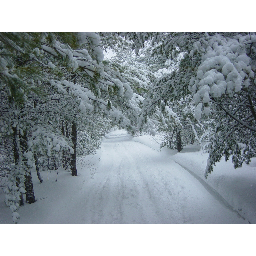
Blizzards are severe winter storms characterized by heavy snow and strong winds. When high winds stir up snow that has already fallen, it is known as a ground blizzard. Blizzards can impact local economic activities, especially in regions where snowfall is rare. The Great Blizzard of 1888 affected the United States, when many tons of wheat crops were destroyed, and in Asia, 2008 Afghanistan blizzard and the 1972 Iran blizzard were also significant events. The 1993 Superstorm originated in the Gulf of Mexico and traveled north, causing damage in 26 states as well as Canada and leading to more than 300 deaths.
WILDFIRES
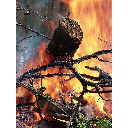
are large fires which often start in wildland areas. Common causes include lightning and drought but wildfires may also be started by human negligence or arson. They can spread to populated areas and can thus be a threat to humans and property, as well as wildlife. Notable cases of wildfires were the 1871 Peshtigo Fire in the United States, which killed at least 1700 people, and the 2009 Victorian bushfires in Australia.
SOLAR RADIATION
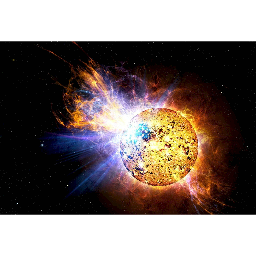
A solar flare is a phenomenon where the Sun suddenly releases a great amount of solar radiation, much more than normal. Solar flares are unlikely to cause any direct injury, but can destroy electrical equipment. The potential of solar storms to cause disaster was seen during the 1859 Carrington event, which disrupted the telegraph network, and the March 1989 geomagnetic storm which blacked out Quebec. Some major known solar flares include the X20 event on August 16, 1989, and a similar flare on April 2, 2001. The most powerful flare ever recorded occurred on November 4, 2003 (estimated at between X40 and X45)
TECHNOLOGICAL DISASTERS (Jordan - Bana Hayajneh, Layan Sababaha Lama Sababaha
NUCLEAR DISASTER
OIL SPILL
CHEMICAL ACCIDENTS
NUCLEAR DISASTER
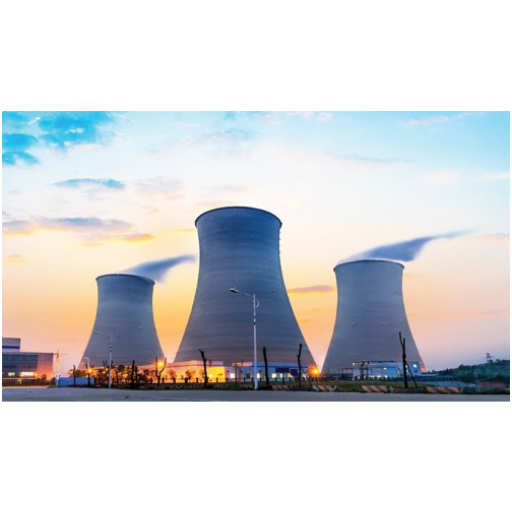
Nuclear energy is energy that is generated by the fission or fusion reactions of an atom. They are exploited in nuclear power plants; to produce electricity. It was discovered in 1934 by the physicist Enrico Fermi, through his experiment he conducted in Rome.

Nuclear reactors
It’s a huge device that keeps the nuclear energy inside it to control it. Nuclear power reactors are used to generate electricity, Produce energy used in desalinating sea water, and to operate some types of ships.
The negatives and risks of nuclear energy
Some governments of countries use nuclear energy as a deterrent weapon to threaten other countries, which has led to many nuclear disasters, although that the nuclear disasters are globally classified among the worst disasters, due to what they do in terms of destroying human lives, and polluting the environment with all their systems, unfortunately some countries still using the nuclear energy in a wrong and offensive to humanity way.
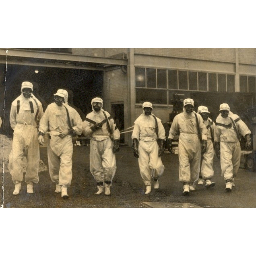
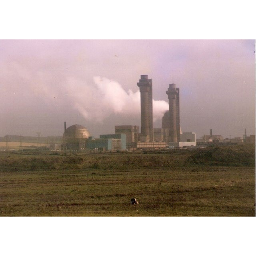
In Britain in 1957, on the seventh of October, while workers were carrying out routine maintenance in the area of the nuclear reactor (wind scale), they discovered an increase in the temperature of the graphite electrodes in the reactor, and before they were able to do something they were surprised that a large fire broke out in the area of the reactor and the fire continued for 5 days In a row, this fire led to an explosion that caused the production of nuclear radiation that infected many people with cancer. And as a precautionary measure by the government to avoid the exacerbation of the effects of the disaster, they banned dairy products in the markets made in farms near the area of the explosion for a month.
Nuclear energy is a double-edged sword that can benefit the human being and can destroy it. Human beings must use this energy for the benefit of humanity.
Sources
https://arabicpost.net/%D9%85%D9%86%D9%88%D8%B9%D8%A7%D8%AA/2016/11/27/5-%D8%A3%D8%B3%D9%88%D8%A3-%D9%83%D9%88%D8%A7%D8%B1%D8%AB-%D9%86%D9%88%D9%88%D9%8A%D8%A9-%D9%81%D9%8A-%D8%AA%D8%A7%D8%B1%D9%8A%D8%AE-%D8%A7%D9%84%D8%A8%D8%B4%D8%B1%D9%8A%D8%A9-%D8%B9%D9%86%D8%AF/
https://ar.wikipedia.org/wiki/%D8%A5%D9%86%D8%B1%D9%8A%D9%83%D9%88_%D9%81%D9%8A%D8%B1%D9%85%D9%8A
https://ar.wikipedia.org/wiki/%D8%B7%D8%A7%D9%82%D8%A9_%D9%86%D9%88%D9%88%D9%8A%D8%A9
https://en.wikipedia.org/wiki/Windscale_fire
Created by: Bana Ahmad Hayajneh/ Jordan
Teacher: Aisheh Al Bashatwah
School: Khadijah Um Almo’mneen
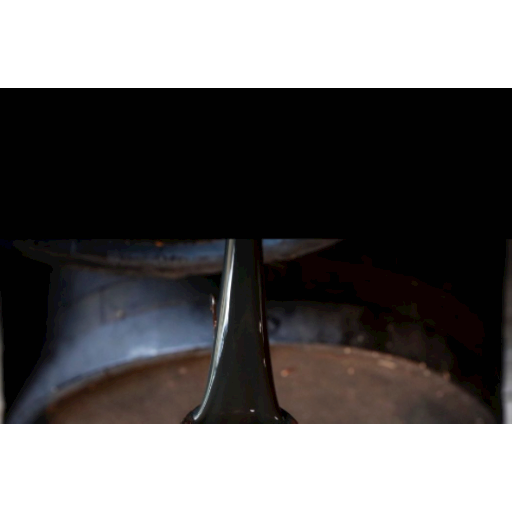
OIL SPILL / LAMA SABABHA/ Jordan
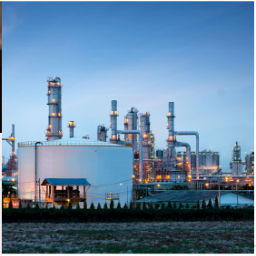
OIL SPILL
An oil spill is the release of a liquid petroleum hydrocarbon into the environment, especially the marine ecosystem, due to human activity, and is a form of pollution. The term is usually given to marine oil spills, where oil is released into the ocean or coastal waters, but spills may also occur on land. Oil spills may be due to releases of crude oil from tankers, offshore platforms, drilling rigs, and wells, as well as spills of refined petroleum products (such as gasoline, diesel) and their byproducts, heavier fuels used by large ships such as bunker fuel, or the spill of any oily refuse or waste oil.
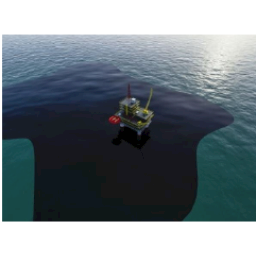
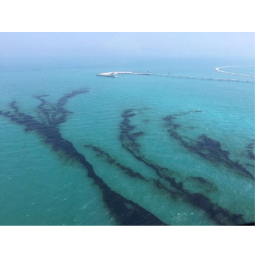
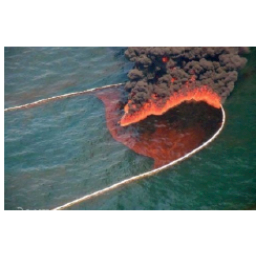
METHODS FOR DEALING WITH OIL
SPILLS :
1. Use of microbes and bacteria.
2.Use of floating arms.
3.The scraping method using arms.
4.The use of various absorbents.
5. Manual methods.

THE EFFECT OF THE OIL SPILL ON:
{ENVIRONMENT}
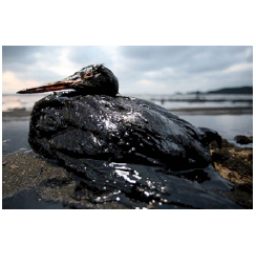
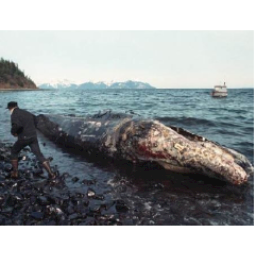
Oil spills represent a great threat to birds that live near the beaches, and although some birds are able to escape from the traps of oil slicks, birds that depend for their food to swim and dive are more vulnerable to contamination by oil,
THE EFFECT OF THE OIL SPILL ON:
{ENVIRONMENT}
and also destroy the nests of those birds, especially migratory ones, as well as That a small amount of oil attached to the feathers of birds is not only sufficient to prevent them from flying, but it also prevents water from reaching their body, which leads to a decrease and high temperature in the body of birds and killing them, and in many cases oil spills kill marine mammals such as whales, dolphins, sea otters and seals. The oil takes the breath of whales and dolphins, for example, and suffocates them.
THE EFFECT OF THE OIL SPILL ON:
{ECONOMY}
The second largest effect of oil spills in the field of the economy, the loss of crude or refined oil means a reduction in the quantity available for use, and thus the need for a greater cost for new production and removal of the effects of the actual leakage that requires a lot of money, and the government and civil institutions must intervene to help in protection and relief, On the other hand, workers in cleaning oil slicks usually develop major health problems at a later time, which calls for paying the cost of health care for these workers, and oil spills in some areas may be related to other industries such as fisheries or tourism, as tourists refrain from being in the areas. Naturally polluting, negative effects on health on the one hand, and a poor outlook on the other hand.
CHEMICAL ACCIDENTS / Layan sababaha/ Jordan
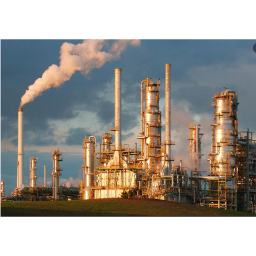
A chemical incident is the uncontrolled release of a toxic substance, potentially resulting in harm to public health and the environment. Chemical incidents can occur as a result of natural events, or as a result of accidental or intentional events. These incidents can be sudden and acute or have a slow onset when there is a ‘silent’ release of a chemical. They can also range from small releases to full-scale major emergencies.
CHEMICAL ACCIDENTS
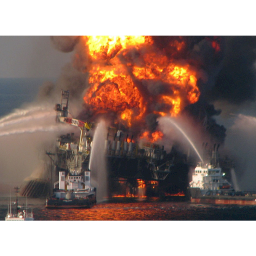
The term “chemical incident” might refer to anthropogenic or technological events, including: an explosion at a factory that stores or uses chemicals contamination of the food or water supply with a chemical an oil spill a leak from a storage unit during transportation deliberate release of chemicals in conflict or terrorism an outbreak of disease that is associated with a chemical exposure.
CHEMICAL ACCIDENTS
Enormous volumes of hazardous materials are transported every day and several billion tons of hazardous materials are in storage sites throughout the world. Accidents happen in developed and developing countries, at plants, during transport etc. The examples of accidents described below illustrate that an accident with a toxic substance can happen anywhere and anytime. For this reason, the health care system must prepare itself for major chemical accidents.
- Full access to our public library
- Save favorite books
- Interact with authors
- < BEGINNING
- END >
-
DOWNLOAD
-
LIKE(3)
-
COMMENT()
-
SHARE
-
SAVE
-
BUY THIS BOOK
(from $9.59+) -
BUY THIS BOOK
(from $9.59+) - DOWNLOAD
- LIKE (3)
- COMMENT ()
- SHARE
- SAVE
- REMIX
- Report
-
BUY
-
LIKE(3)
-
COMMENT()
-
SHARE
- Excessive Violence
- Harassment
- Offensive Pictures
- Spelling & Grammar Errors
- Unfinished
- Other Problem






COMMENTS
Click 'X' to report any negative comments. Thanks!