

I would like to dedicate this book to my grade 4 teacher Ms. Vora who made me aware of the Indus Valley Civilization and to my parents who gave me the background to appreciate my own culture.

My name is Shivam and I will be your tour guide
as we discover the ancient ruins of the Indus Valley Civilization so buckle up and enjoy the ride!

TABLE OF CONTENTS
pg 4-6 Geographical Location
pg 7-8 The People & Society
pg 9-11 Cast System
pg 12-13 Religious Beliefs & Culture
pg 14-15 Building &Technology
GEOGRAPHICAL LOCATION

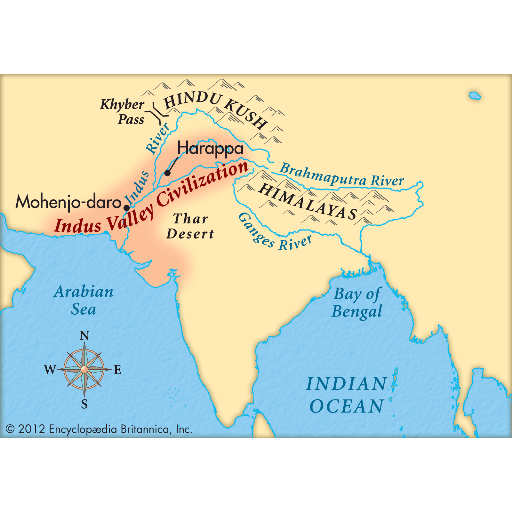
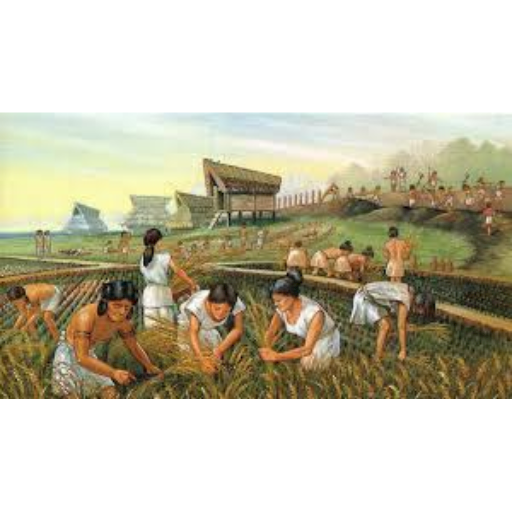
The Harappan Civilization was located in the Indus River Valley. The two main cities were Harappa and Mohenjo-daro. This is the area considered present day Pakistan in the stat of Punjab. It's extent reached as far as the Yamuna river in present day India. The Indus Valley Civilization was surrounded by forests, mountains, deserts and ocean making it a very fertile land. The types of crops the people of the Indus Valley had were wheat, barley, peas, lentils, cotton, rice. Water sources, warm climate and soft soil full of nutrients helped grow these crops. A challenge faced would be the flooding of the river during monsoon (rainy season) and would destroy these crops. We will talk more in detail about this in the next chapter.


PEOPLE & SOCIETY
The Indus people lived on the banks of the Indus river, the longest river in Pakistan. The Indus river begins high up in the Himalayan mountains (the tallest mountain range in the world), and flows nearly 3,000 kilometres to the Arabian Sea. As the river moves downstream it carves out a valley. This is where the Indus people settled.
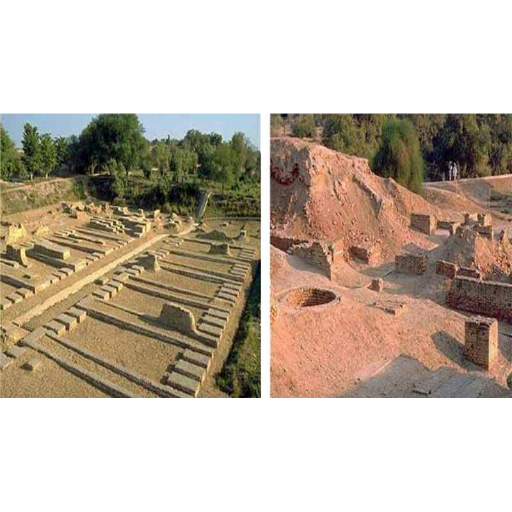
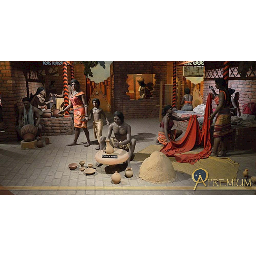
The first farmers liked living near the river because it kept the land green and fertile for growing crops. The Indus people needed river water to drink, wash and to irrigate their fields. They may also have used water in religious ceremonies. To the Indus people, their river was ‘The King River’.The Indus people lived together in villages which grew over time into large ancient cities, like Harappa and Mohenjo-Daro. In the coming chapters we will see how the Indus people built their cities using technology from their times.
Artifacts such as pots, pans and vessels dug up from this era suggests that the Indus people ate meat and consumed dairy products. The Indus people were first to cultivate and grow cotton to make clothes.
Comparison: Just like ancient civilizations depended a whole lot on water sources to survive, present day societies also depend on water to survive. Water is life! We need water to grow food, to quench our thirst and hydrate our bodies, we need water to build! Luckily here in Canada, where I live, we are surrounded by water in the form of lakes, streams , rivers!

THE CAST SYSTEM
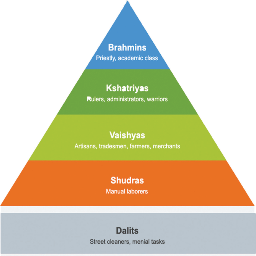
Now we will talk more about the Indus people and their society. Like many ancient civilizations there was a divide between people. The higher classes were at the top and the lower classes at the bottom in something called a caste system.

- Full access to our public library
- Save favorite books
- Interact with authors

- < BEGINNING
- END >
-
DOWNLOAD
-
LIKE(1)
-
COMMENT()
-
SHARE
-
SAVE
-
BUY THIS BOOK
(from $2.99+) -
BUY THIS BOOK
(from $2.99+) - DOWNLOAD
- LIKE (1)
- COMMENT ()
- SHARE
- SAVE
- Report
-
BUY
-
LIKE(1)
-
COMMENT()
-
SHARE
- Excessive Violence
- Harassment
- Offensive Pictures
- Spelling & Grammar Errors
- Unfinished
- Other Problem

COMMENTS
Click 'X' to report any negative comments. Thanks!