Nature is our Home: Let's Get Green Again! is a project created for the needs of the European Erasmus+KA3 2018 – 2021 Programme entitled “Teachers4Europe: Setting an Agora for Democratic Culture"
T4E: Maria Rellia, Teacher of English, Ralleia Experimental Primary Schools, Piraeus, Greece
Class: E2 (27 students, boys and girls, aged 11)
Schoolyear: 2019-2020 & 2020-2021
Languages used: English - Greek

School Year 2019-2020
School Year 2020-2021
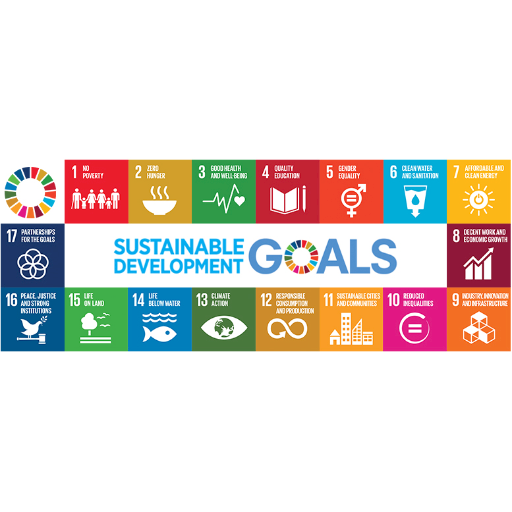
Climate action is the 13th of the 17 Sustainable Development Goals (SDGs). The proposed project aims at helping students realize how global warming, which is resulting from climate change, is affecting our planet and at taking action for a better world.
Pedagogical Aims
Students should be able to:
1. Define the goals of sustainable development
2. Describe and understand the meaning of climate change
3. Take action, aiming at improving the climate
4. Disseminate their knowledge about climate change (diffusion in our school, neighborhood, local community)
5. Develop and practise different types of behaviour (a sense of responsibility, creative thinking and a sense of appreciation for the importance of our planet)
6. Develop linguistic and ICT skills, as well as collaborative / interpersonal skills, critical thinking and problem solving skills
Activity 1
Task Description
Students work in small groups and explore the area around their school: one group takes pictures of our school park, a second group makes a map of Greece using plasticine, a third group studies and records the weather/ climate and its possible unusual changes in our city Piraeus, while two more groups are interviewing school teachers about climate change.
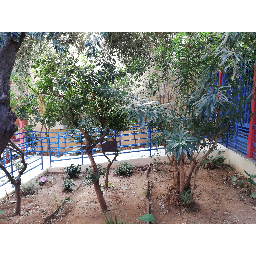
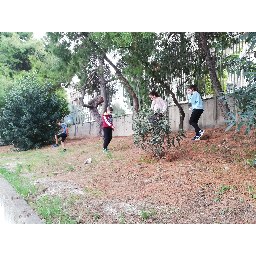
We walked around our school park. We examined and noted down the trees, mostly pinetrees and some small bushes, as well as some olive trees.
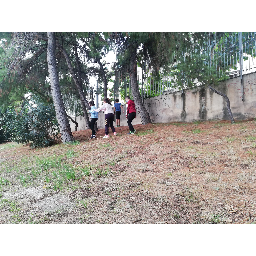
Group A
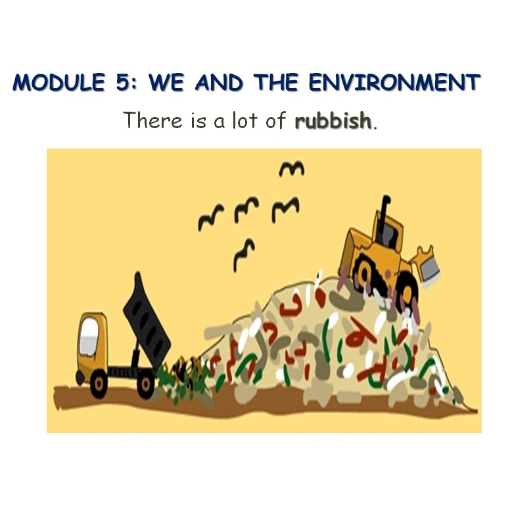
Sadly, there was some rubbish in it, too: plastic bottles, pieces of paper, food wrappings ...
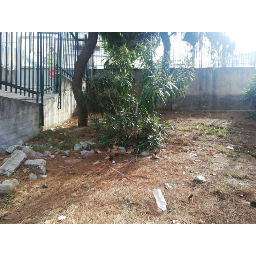
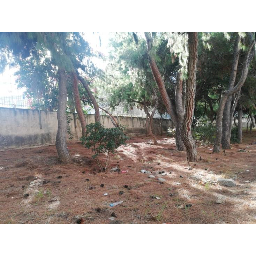
So, we decided to take action!
We collected all the rubbish and cleaned our park!
The other groups also helped us!
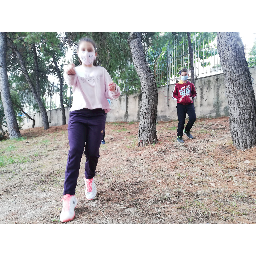
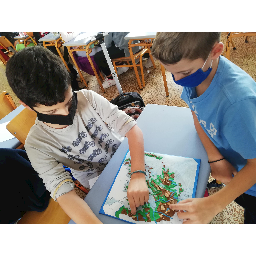
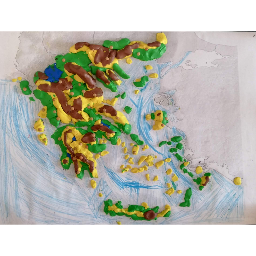
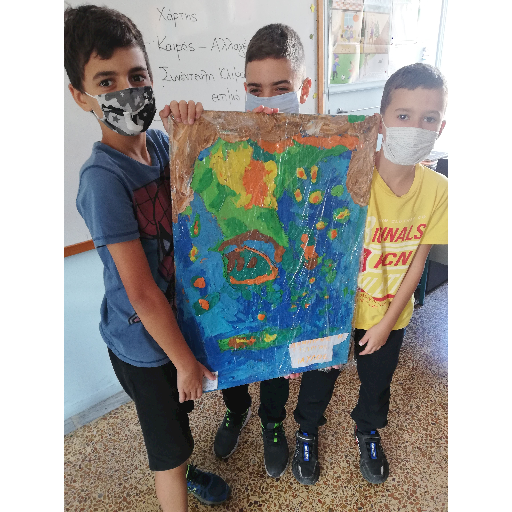
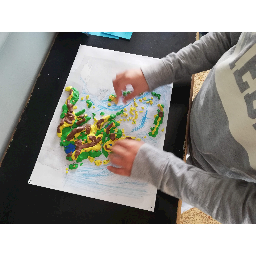
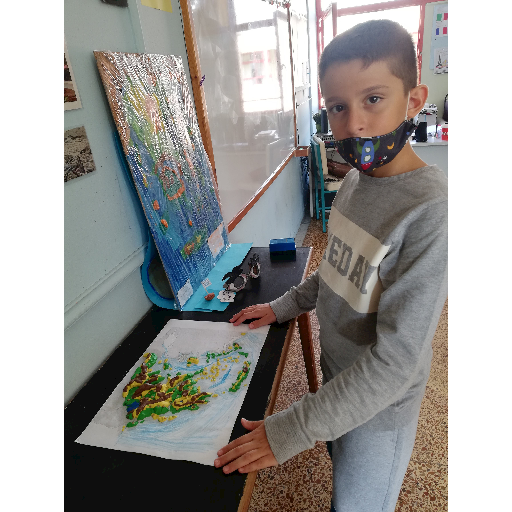
Using plasticine, we created maps of Greece: brown for the mountains, blue for the sea, green for the plains.
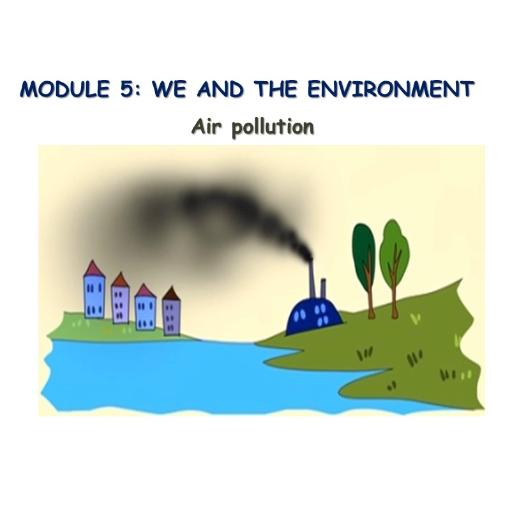
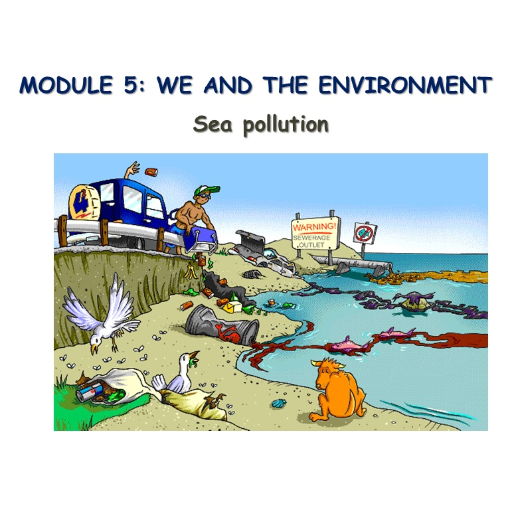
We talked about the Greek landform and focused on environmental problems such as sea pollution, deforestation and the greenhouse effect.
Group B
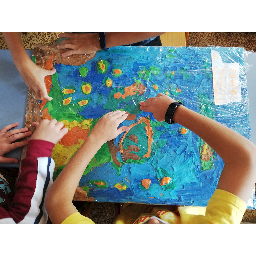
We studied the weather and the climate in our city, Piraeus, through the years.
Group C
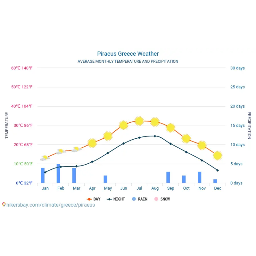
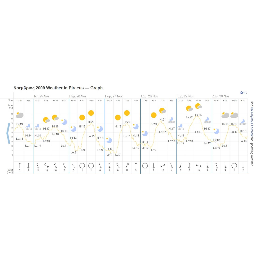
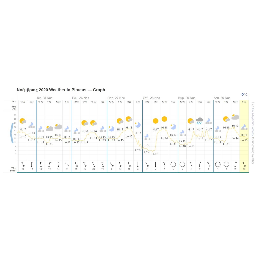
In Piraeus, summers are hot, dry, and clear and winters are long, cold, windy, and partly cloudy.
Evridiki, Class E2
Over the course of the year, the temperature typically varies from 6°C to 33°C and is rarely below 2°C or above 36°C.
Constantinos, Class E2
Climate change is a global phenomenon.
Anita, Class E2
Large cities like Piraeus contribute significantly to climate change, as urban activities are major sources of greenhouse gas emissions.
Melina, Class E2
For the past twenty years, there have been extreme weather conditions and serious natural disasters in our city, Piraeus: heavy rains and floods, strong winds, cyclones, heat waves, water shortage, drought in summertime.
Paul, Class E2
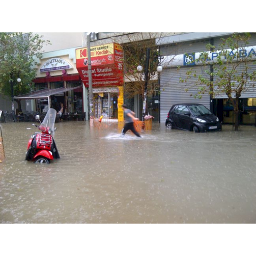
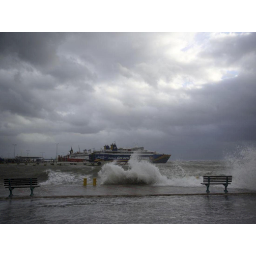
The members of our group interviewed our teachers at school about climate change in Piraeus.
Irene, Class E2
We prepared our questions regarding climate change on our planet and then, more specifically, in our city, Piraeus.
George, Class E2
Group D
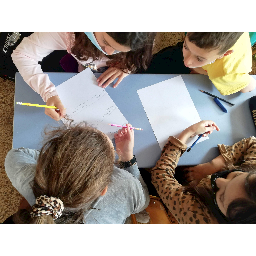
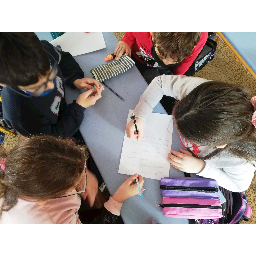
Some of our questions:
1. How do you think that climate changes through time?
2. What are some important changes in our lives?
3. Can you offer any solutions to the environmental problems? (car fumes/air pollution, fires, rubbish)
4. Name some things you don’t like about our environment.
Dimitris, Class E2
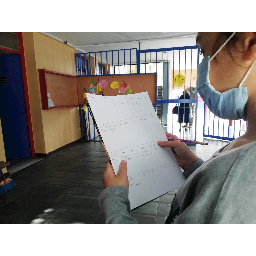
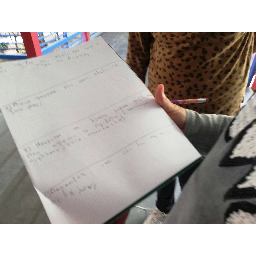
We took an interview from our school headmaster Mr Vassileios Panopoulos.
Despoina, Class E2
We also interviewed our class teacher Mr Chris Nikolopoulos.
Anastasia, Class E2
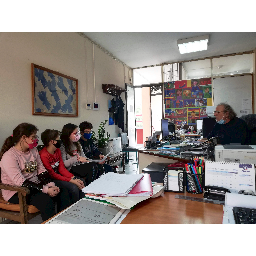
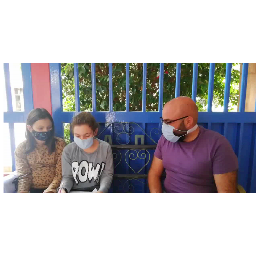
We learnt that climate change is not a contemporary phenomenon: it started in the 18th century and continues up to the present days.
The climate is changing in our city, Piraeus as a result of the global climate changes that are taking place. As a consequence, our daily lives are changing, too. There are a lot of car fumes, fires, rubbish, pollution, causing serious environmental problems. Thus, it is the responsibility of the governments and the major industries to try and find a solution to them. People's behaviour and mentality have to change, too.
Activity 2
Carrying on our research about climate changes in our city, Piraeus, as well as all over the world, we tried to answer the following questions:
* Are there different climate and geographical zones on planet Earth?
* How is the climate changing?
* What are the results of climate change on a global level?
Looking outside our class balcony, this is what we can see:
Task 1
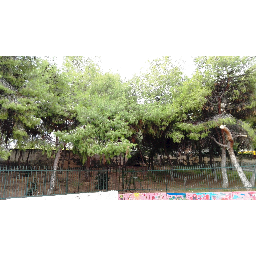
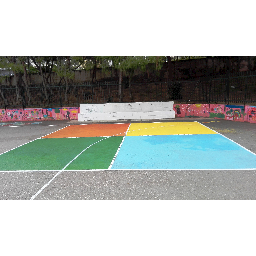
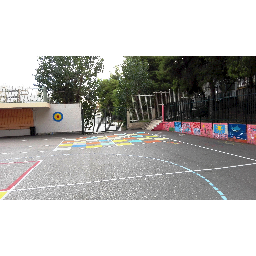
We were asked to write down ten words that come to our mind when we look at these photos.
Using WordArt (https://wordart.com/), these are the wordclouds we created.
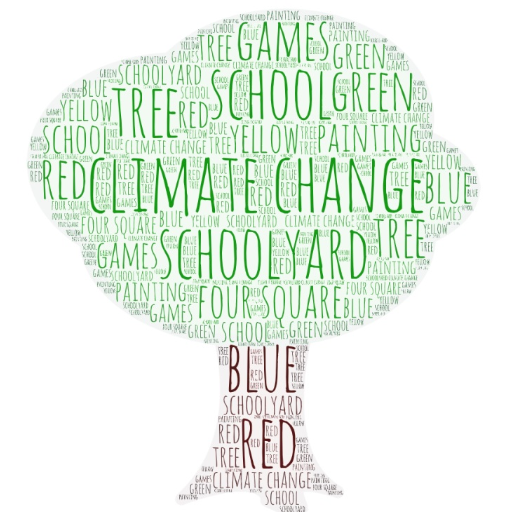
Anita, Class E2
George, Class E2
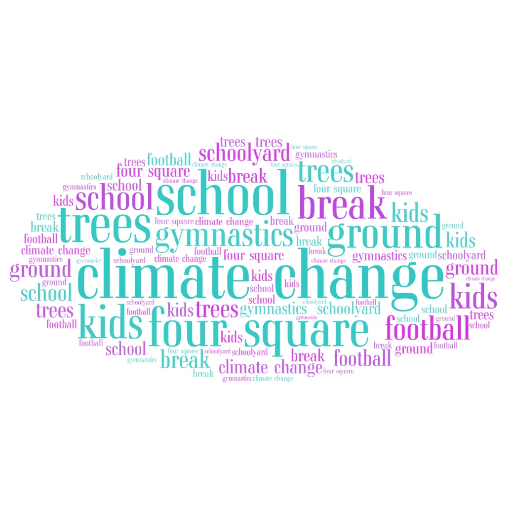
Irene, Class E2
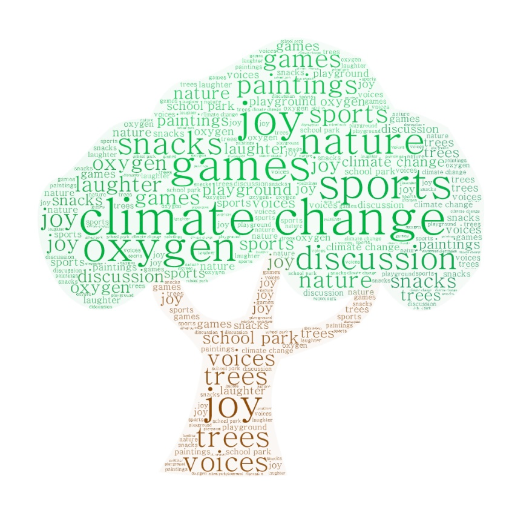
Lambros, Class E2
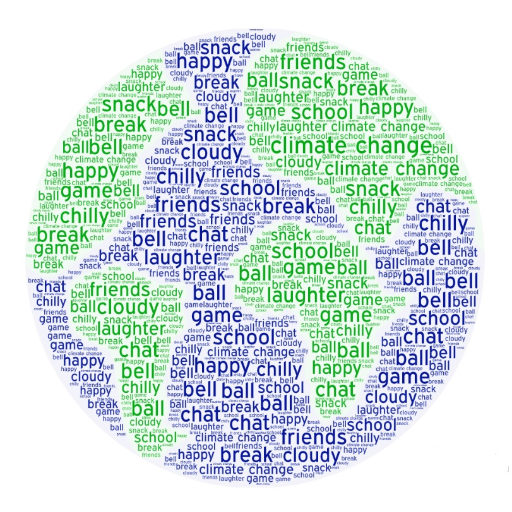
Andy, Class E2
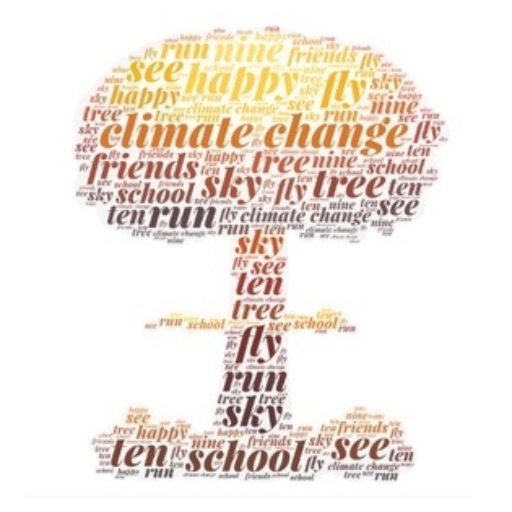
Constantinos, Class E2
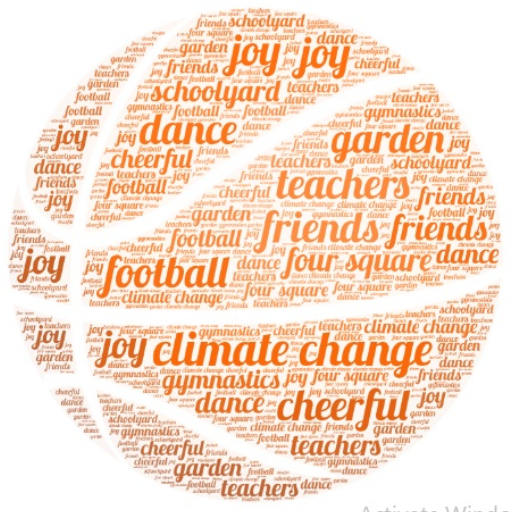
Christine, Class E2
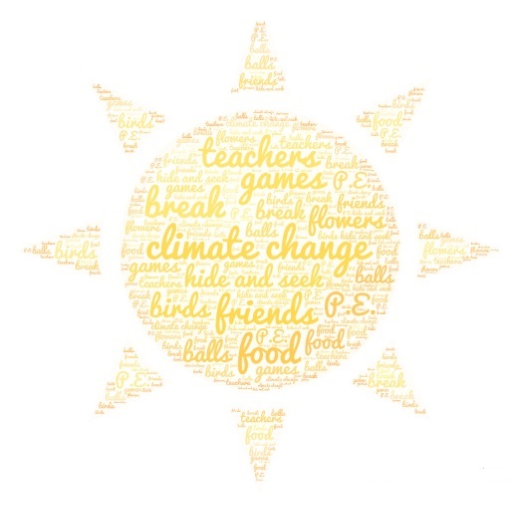
Jim M., Class E2
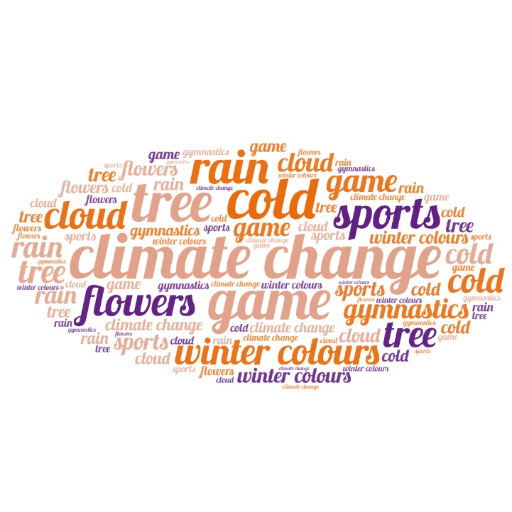
Evridiki, Class E2
When I look from my classroom balcony, I see the schoolyard. There, me and my friends play every day when the bell rings for a short break. Our playground is big enough so we play a lot of funny games, also it is painted with different colors and is surrounded by tall trees.
Melina, Class E2
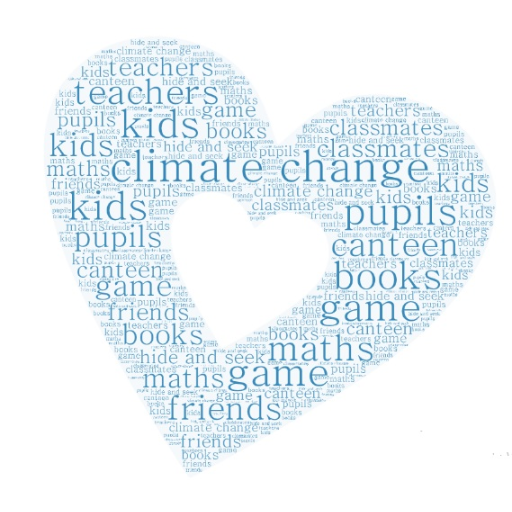
We were also asked to comment on the weather. Our answers included the following:
* The weather is cloudy and chilly. Lambros, Class E2
* In these photos, it is a sunny day. Anita, Class E2
* It's an autumn day. Irene, Class E2
* The weather is cloudy; it isn't sunny. George, Class E2
* In these photos the weather is sunny: of course this is usual in Greece. Evridiki, Class E2
* The weather is sunny with a few clouds. Christine, Class E2
* The weather is cloudy. Andy, Class E2
* The weather in these photos is cloudy and cold. Constantinos, Class E2
* The weather in these photos is cold, cloudy and rainy. Jim M., Class E2
* The weather is fine. There is no wind. Melina, Class E2
Talking about the climate in our area, we were then asked to talk about the climate type, the weather through seasons and the landform in the place where we live.
Task 2
The weather in my area has changed. We do not have four seasons, we have only two. Today the weather in my area is cloudy and maybe it will be raining until the afternoon .The temperature is quite high for this time period.
In my area, we don’t have rivers or mountains in our area - only squares and a park.
Irene, Class E2
The climate in my area is Mediterranean. The weather in winter is cold, in summer it is hot, in spring it is warm, and in autumn it is warm but it sometimes rains.
My city is near the sea.
Lambros, Class E2
In my area the climate is Mediterranean. In summer, it is sunny and the weather is hot. In autumn, the weather is chilly and there are many rainy days. In winter, it is windy and the weather is cold and usually snowy. In spring, the weather is warm and flowers and trees are green.
My area does not have any mountains or plains but it is near the sea.
Anita, Class E2
The climate in Greece is Mediterranean. In spring, the weather is warmer. In summer, temperatures increase to their hottest of the year. In autumn, temperatures change. The weather gets colder and more windy. In winter, the weather is cold and it sometimes snows.
My area is near the port of Piraeus but Mount Egaleo is also close.
George, Class E2
In our area, the climate is Mediterranean. In winter, the weather is cold, snowy, cloudy and rainy. In autumn, it is cloudy and rainy. In spring, the weather is sunny and in summer, it is very hot. In my area, there are a lot of low mountains.
Jim M., Class E2
The climate in my city is dry and warm, Mediterranean. In summer, the weather is hot and dry, in winter it is cold and cloudy, in autumn it is cloudy and rainy and in spring it is sunny. In my city, there are mountains, hills and the sea.
Andy, Class E2
The climate in my city is Mediterranean In winter the weather is cold. In spring the weather is sunny with a few winds. In summer, the weather is hot. In autumn, the weather is windy. In my area there is a port.
Christine, Class E2
In my area, the climate is Mediterranean. In autumn, the weather is rainy and cloudy. In spring, the weather is sunny. In winter, the weather is cold and cloudy. In summer, the weather is hot and sunny. In my area, there are mountains, hills, a river and the sea.
Constantinos, Class E2
Greece has a Mediterranean climate. That means, summers are usually hot and dry and winters are mild. Greece is mostly sunny during the year. The coldest month of the year is January and the hottest is August. Winter is milder to the south in contrast to the north that can be very cold in winter. I live in Moschato which is a suburb in the southwestern part of Athens and is situated on the Phaleron Bay coast.
Evridiki, Class E2
In my city, the climate is temperate.
In winter, the weather is cold, it has a lot of wind and rain. In spring, the weather is sunny and it usually rains suddenly. In autumn, the weather is cold and it rains. In summer, the weather is very hot.
I have a port in my city: it is the port of Piraeus.
Melina, Class E2
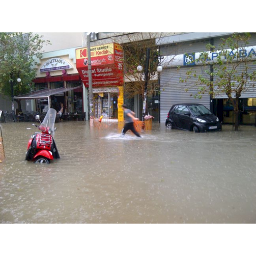
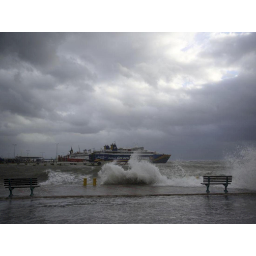
Next, we checked some recent photos from our city, Piraeus, and commented on the following:
1. Does it often rain in your area? Which are the months of the year that it rains the most?
2. In the past months, were there any extreme weather conditions? (e.g. flood, strong winds, cyclones, too cold weather, too hot weather)
Task 3
In my area it doesn't rain very often. The months that it rains the most are November, December and January.
Some weeks ago, there were strong winds, very strong rain and we saw a cyclone above the sea!
Lambros, Class E2
In the last years it rains very often .It usually rains during the winter months.
In recent years we have many phenomena that we have never seen before such as floods and great heat.
Irene, Class E2
It rarely rains in my area. In autumn, especially in October and November, it rains the most.
In the past months, there were some extreme weather conditions such as cyclone Zorbas and floods in Mandra, in West Attica.
George, Class E2
In my area, it often rains in October, November and December.
In the past months, the weather was too hot.
Anita, Class E2
In my area, it often rains. It rains the most in November and December. Last November, there was a terrible flood!
Jim M., Class E2
In my area, it sometimes rains.
In the past months there were some floods .
Christine, Class E2
In my area, it rains from October to April.
In the past months, there were only strong winds.
Andy, Class E2
In Athens the rainfalls occur between October and April but in the last few years there are several floods after heavy rain. Of course deforestation and urbanization significantly contribute to the genesis of floods that are major problems in Greece.
Evridiki, Class E2
In my area, it often rains from October to April.
In the past months, there were strong winds and very hot weather.
Constantinos, Class E2
It doesn't rain in my city. The rainiest months of the year are January, February and March.
In the past months, there have been no extreme weather conditions.
Melina, Class E2
Finally, we studied photos from different parts of the world. We talked about extreme weather conditions and the climate change, as well as the problems caused by it.
Task 4
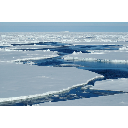
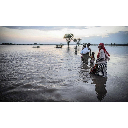
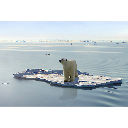
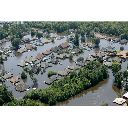
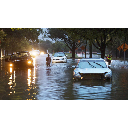
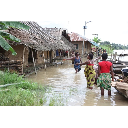
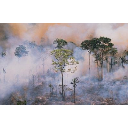
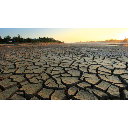
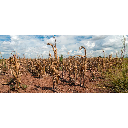
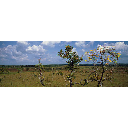
Because of the climate change, there are floods, strong winds, cyclones, too cold or too hot weather. There are also fires in summer. The changing environment is expected to cause more health problems and many natural disasters. Finally, the melting of the Arctic ice cap has numerous, dramatic consequences.
George, Class E2
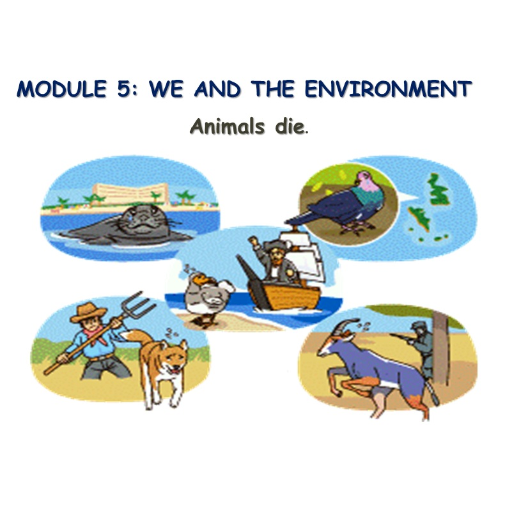
Climate change has affected our lives. Ice melts. Animals suffer from the heat. They can’t find food and die.
Some of the problems of climate change are: drought, fires, floods.
Irene, Class E2
The climate that I see in the photos is polar as well as tropical.
I see a lot of rain, a lot of ice and a lot of fog, too.
Τhe climate is changing. The problems because of the climate change are that the level of the water goes up, the houses are full of water and the crops are spoilt.
Lambros, Class E2
In the photos, I see bad weather, floods, drought, ice melting and wild fires.
The climate is changing and if people don’t do something about this, the whole world will die.
Anita, Class E2
On our planet, the climate is changing.
The planet is facing very difficult weather conditions like fires, ice melting, floods, strong winds, cyclones, very cold and very warm weather.
We have to protect the environment if we want to have normal climate conditions.
Jim M., Class E2
I see that in some pictures it is very hot and humid while in others it is very cold, snowing and raining.
The climate IS changing. There are many problems because of this: the melting of the ice, the rising of the sea level, extreme weather conditions, dangerous to human health and for wild fauna and flora.
Melina, Class E2
The climate in these photos is hot.
The extreme weather conditions that I see are fires, floods and drought.
The climate is changing. The temperature is rising. The ice melts. The sea level rises. In some parts of the world, there are fires, floods and drought.
Constantinos, Class E2
The climate in the photos is hot. There are floods, too hot weather, drought and fires. The temperature of the planet is rising. Climate change is affecting all parts of the world. The ice in the polar regions is melting and the sea level is rising. Some areas are most often affected by extreme weather and rainfall, while others are affected by high temperatures and drought.
Andy, Class E2
Climate change refers to the change in the environmental conditions of the earth. This happens due to many internal and external factors. The climatic change has become a global concern over the last few decades. Besides, these climatic changes affect life on Earth in various ways. These climatic changes have various impacts on the ecosystem and the ecology. The climate started changing a long time ago due to human activities but we came to know about it in the last century. These climatic changes have a negative impact on the environment. The ocean level is rising, glaciers are melting, there are catastrophic floods, CO2 in the air is increasing, forests and wildlife are declining and water life is also getting disturbed due to climatic changes.
Apart from that, it is estimated that, if this change keeps on going, then many species of plants and animals will become extinct. And there will be a heavy loss on the environment. If we do not do anything and things continue to go on like right now, then a day in future will come when humans will become extinct from the surface of the Earth. But instead of neglecting these problems, we must start acting on; then, we can save the Earth and our future.
Evridiki, Class E2
Activity 3
Task Description
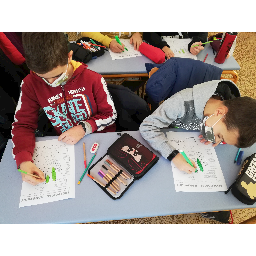
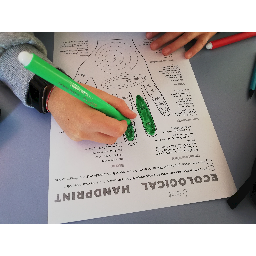
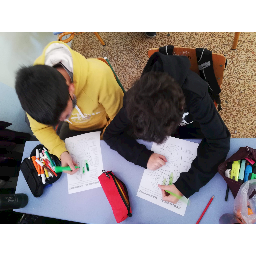
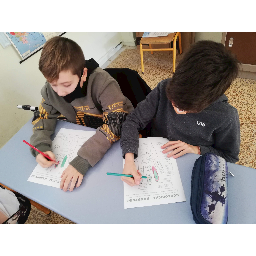
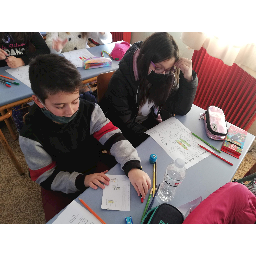
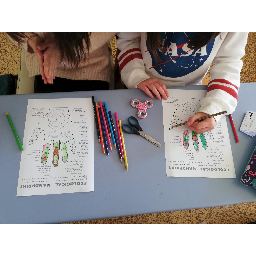
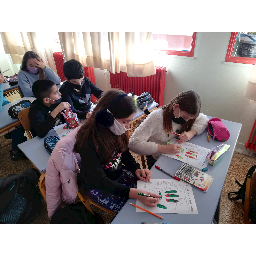
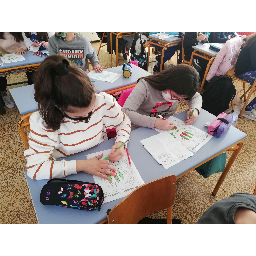
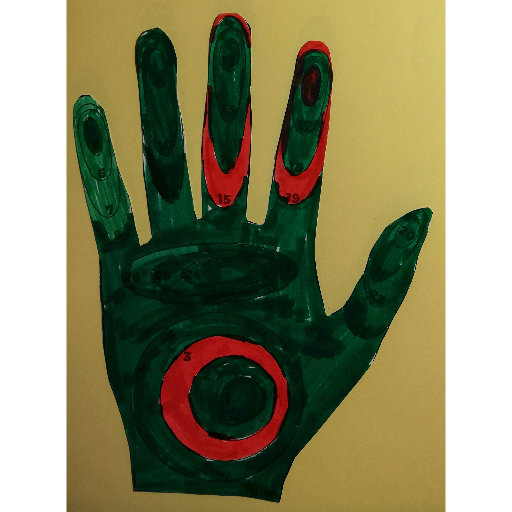
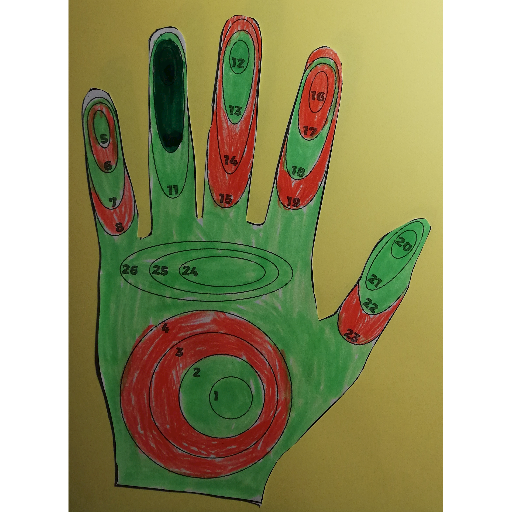
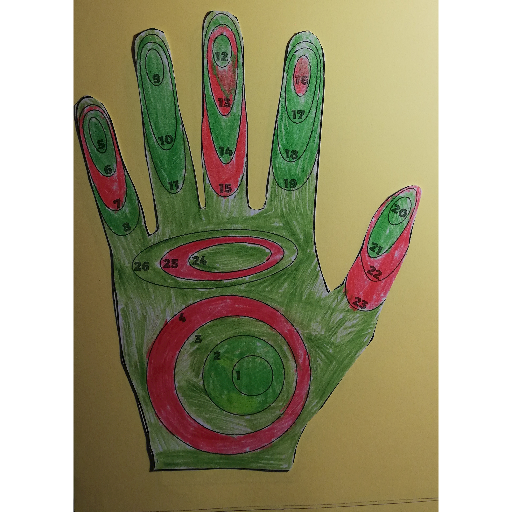
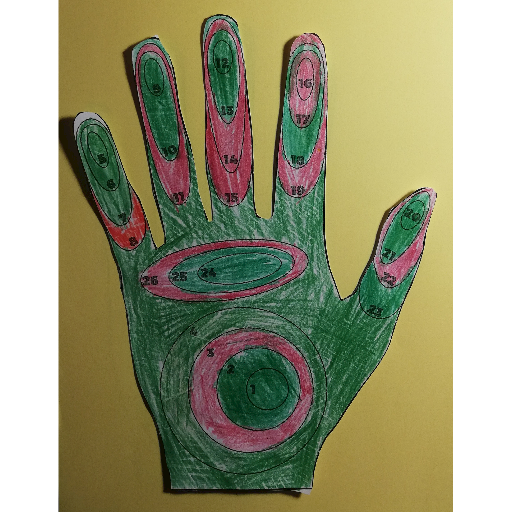
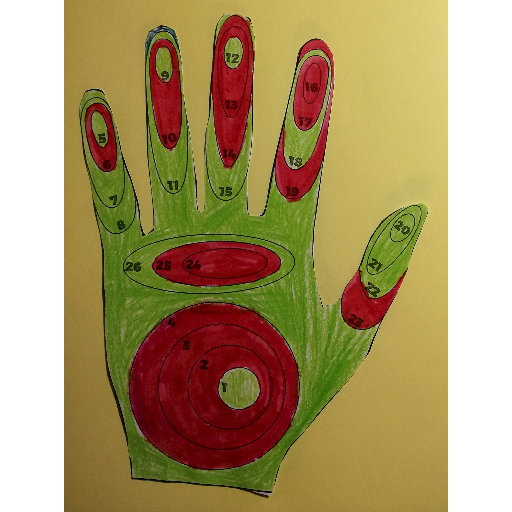
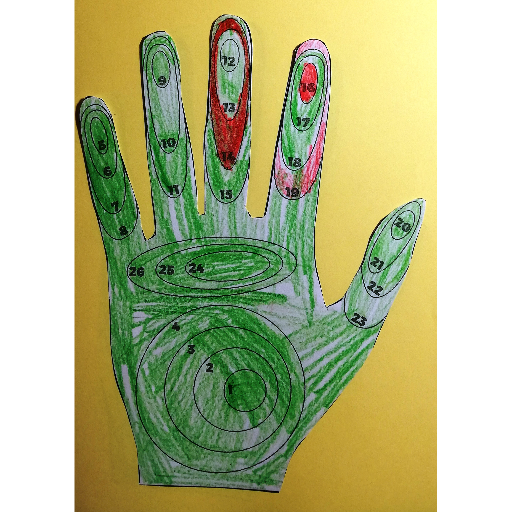
Using a relevant worksheet (https://climatechangeconnection.org/wp-content/uploads/2014/09/Ecological-Handprint-final.pdf), students complete and calculate their ecological handprint.
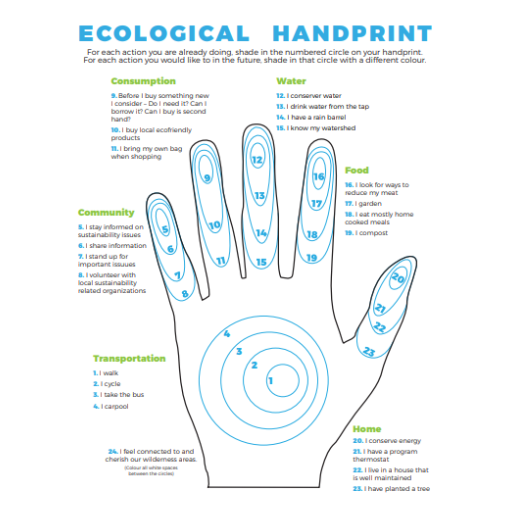
The focus of the handprint is for the students to understand how they can expand their ability to take action that positively impacts our planet. It is a symbol and a way of measuring our commitment to positive actions that benefit the world now and in the future.
Procedure
1. Students discuss the concept of an ecological handprint.
2. The teacher explains to the students that they will work on six areas of positive action: transport, community, consumption, water, food, home and waste.
3. Students use two colors, green and red, to record their actions: green for actions they are already doing and red for actions they are committed to take in the future.
4. Students capture the result of their "research" by writing a relevant paragraph in English.
Aggelos, Class E2
I think my actions are friendly for the environment. I just don’t save rainwater because I don’t have a rain barrel at home; also, I don’t like vegetarian dishes and I don’t compost, too.
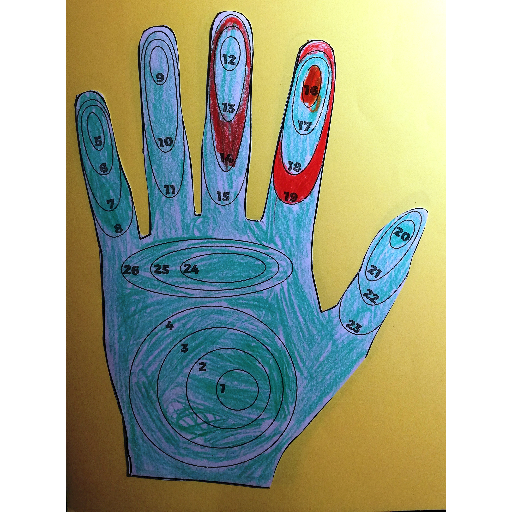
Akis, Class E2
I think I am fairly environment-friendly as my everyday actions help our planet. Yet, I never use public means of transport, I don’t volunteer, I hate vegetarian dishes and I don’t grow my own food or compost.
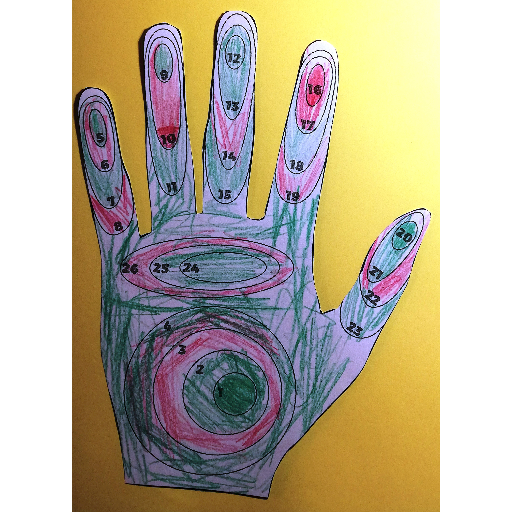
Alexandra, Class E2
I am trying to help our planet by saving water and energy. I repair things rather than throw them out and I eat mostly home cooked meals. But I should eat more vegetarian meals and try to grow my own food and compost.
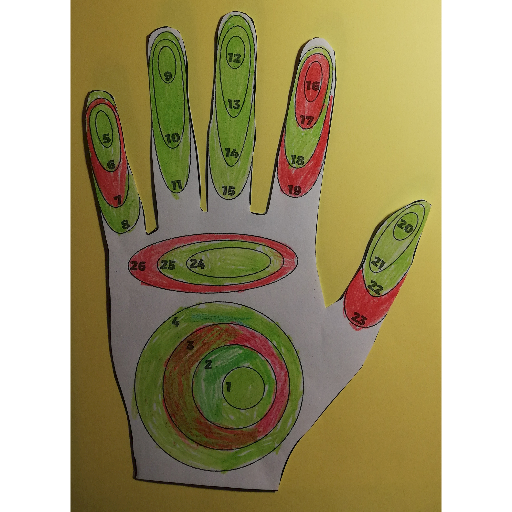
Anastasia, Class E2
I think my handprint is positive – it is green, almost all of it! The only “problems” are that I don’t grow my own vegetables and I don’t compost. Also, I don’t have a rain barrel at home, so I don’t save rainwater.
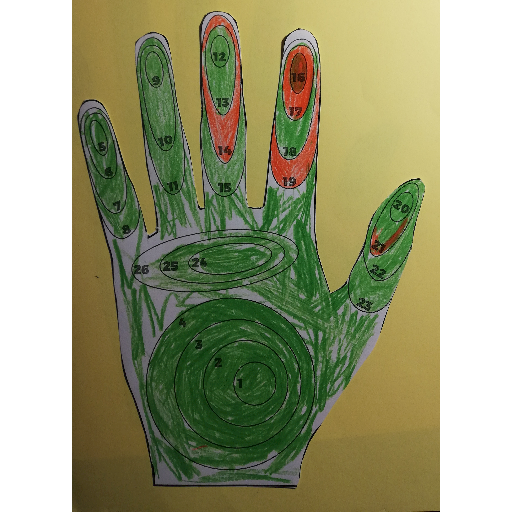
Anita, Class E2
My handprint is positive – it is all green! I try to use public means of transport or my bike and I walk a lot. I learn about sustainability and bring my own shopping bag. I save water, too, and I eat home-cooked meals. I just don’t compost.
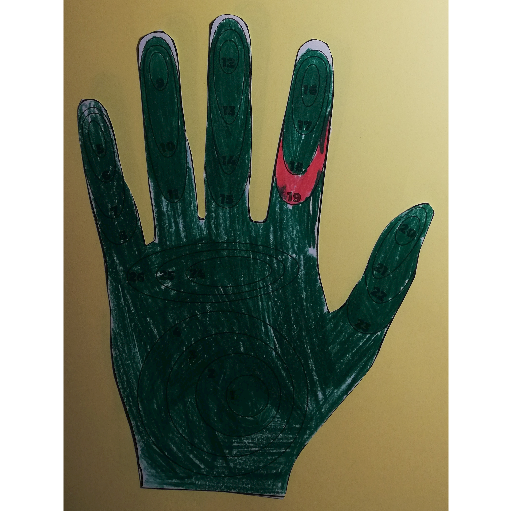
John, Class E2
I must change some habits and be more friendly to the environment: spend more time in nature, plant trees, eat vegetarian meals, bring my own bag when shopping, talk to my parents about protecting the environment and volunteer.
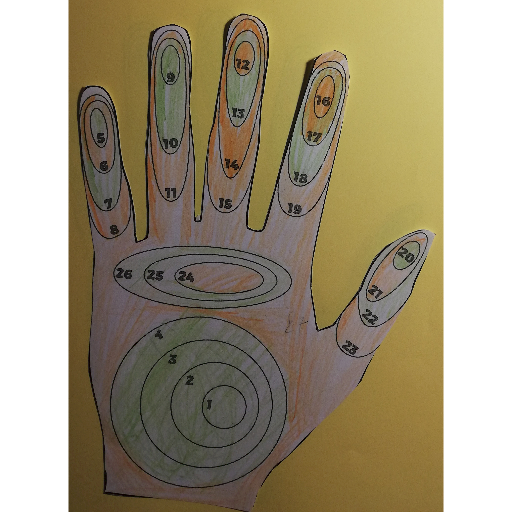
George, Class E2
I have a lot of climate-friendly habits but I have to some others, too. I should volunteer and learn where my water comes from, possibly use a rain barrel. I should choose a litter-free lunch and use the bus more often.
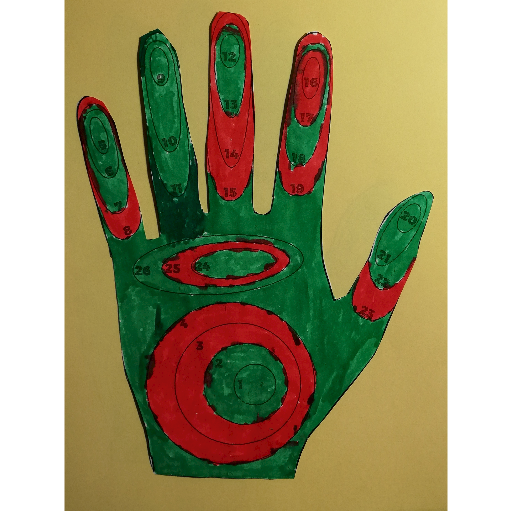
Despina, Class E2
Almost all of my habits are environment-friendly. It would be a good idea to have a rain barrel at home and learn where my water comes from, compost and eat more vegetables. I should share my ride to school, too.
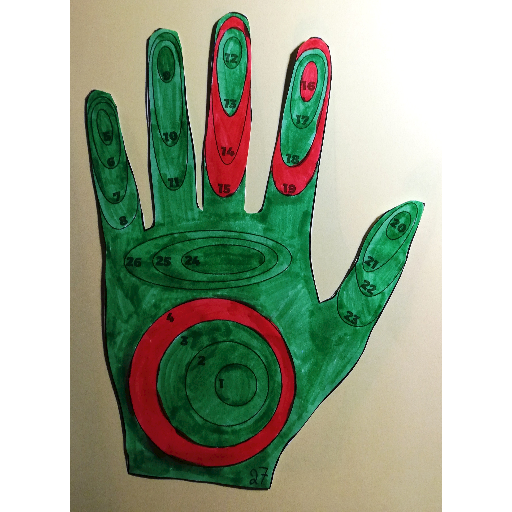
Jim M., Class E2
Most of my habits are environment-friendly. I should volunteer, have a rain barrel and learn where my water comes from. I must grow and eat more vegetables and compost. It’s a good idea to plant a tree and share my rides to school.
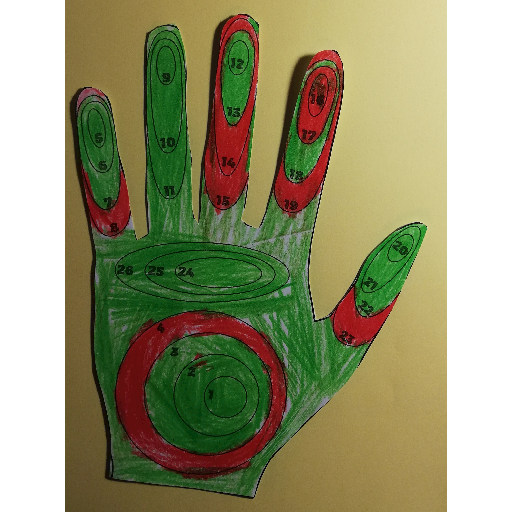
Dimitris, Class E2
Most of my habits are environment-friendly. I should volunteer, have a rain barrel and learn where my water comes from. I must grow and eat more vegetables and compost. It’s a good idea to plant a tree and share my rides to school.
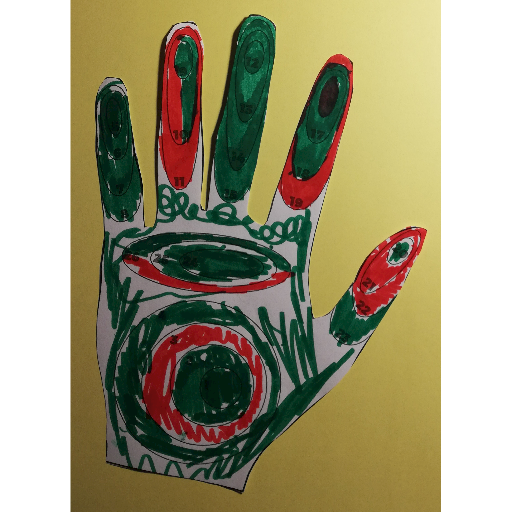
Andy, Class E2
I have mostly good habits. I should just volunteer more and recycle paints, batteries and old electronics.
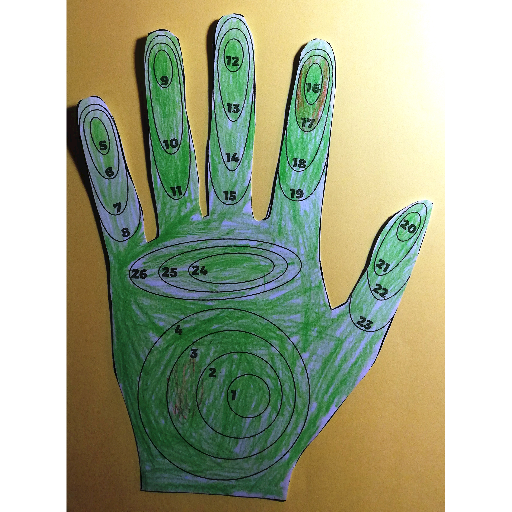
Evridiki, Class E2
I think my handprint is positive – it is green, almost all of it! The only “problems” are that I don’t have a rain barrel at home, I don’t compost and I don’t like vegetarian meals!
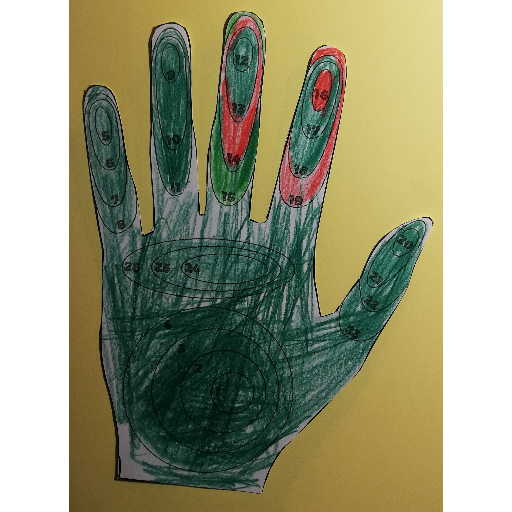
Zoe, Class E2
My handprint is positive – almost all of it is green! Yet, I must learn where my water comes from and compost. I should use the bus more often, too.
Thanos, Class E2
I must change some of my habits: talk to my parents about protecting the environment and volunteer; have a rain barrel and know where my water comes from; plant a tree and use the bus more often.
Ioli, Class E2
I have good and bad habits: I walk and ride my bike but don’t use the bus; I am a good consumer and eat mostly home cooked meals but I don’t eat vegetables; I don’t unplug my electronics when I don’t use them and I don’t plant trees.
Lambros, Class E2
I try to have environment-friendly habits. Yet, I don’t use the bus, I don’t grow and eat vegetables and I don’t compost. I rarely unplug my electronics when not in use and I don’t recycle batteries.
Marina, Class E2
I like being outside and protecting nature. But I have some bad habits: I don’t cycle, I rarely take the bus and I don’t share my rides. I hate vegetables and I don’t grow them. I should recycle more and choose litter-free lunches.
Melina, Class E2
I have very good everyday habits and I do my best to protect the environment. I just have to change my eating habits a bit and be more vegetarian – maybe try to compost, too. I also have to try and save water at home.
- Full access to our public library
- Save favorite books
- Interact with authors
- < BEGINNING
- END >
-
DOWNLOAD
-
LIKE
-
COMMENT()
-
SHARE
-
SAVE
-
BUY THIS BOOK
(from $28.79+) -
BUY THIS BOOK
(from $28.79+) - DOWNLOAD
- LIKE
- COMMENT ()
- SHARE
- SAVE
- Report
-
BUY
-
LIKE
-
COMMENT()
-
SHARE
- Excessive Violence
- Harassment
- Offensive Pictures
- Spelling & Grammar Errors
- Unfinished
- Other Problem





COMMENTS
Click 'X' to report any negative comments. Thanks!