

On global warming

Global warming is the temperature of Earth's surface, oceans and atmosphere going up over tens to thousands of years. Average temperatures today are about 1 °C (1.8 °F) higher than before people started burning a lot of coal around 1750. But in some parts of the world it is less than this and some more. Most scientists say that by the year 2100 temperatures will be 2 °C (3.6 °F) to 4 °C (7.2 °F) higher than they were before 1750. The changes people can see most easily because of this increase in temperature is the melting of ice caps all around the world. Sea level is rising for two reasons. One reason is because of ice on the land, like Greenland, melting into the sea. The other reason is because of water getting bigger when it gets warmer. Many cities will be partly flooded by the ocean in the 21st century.
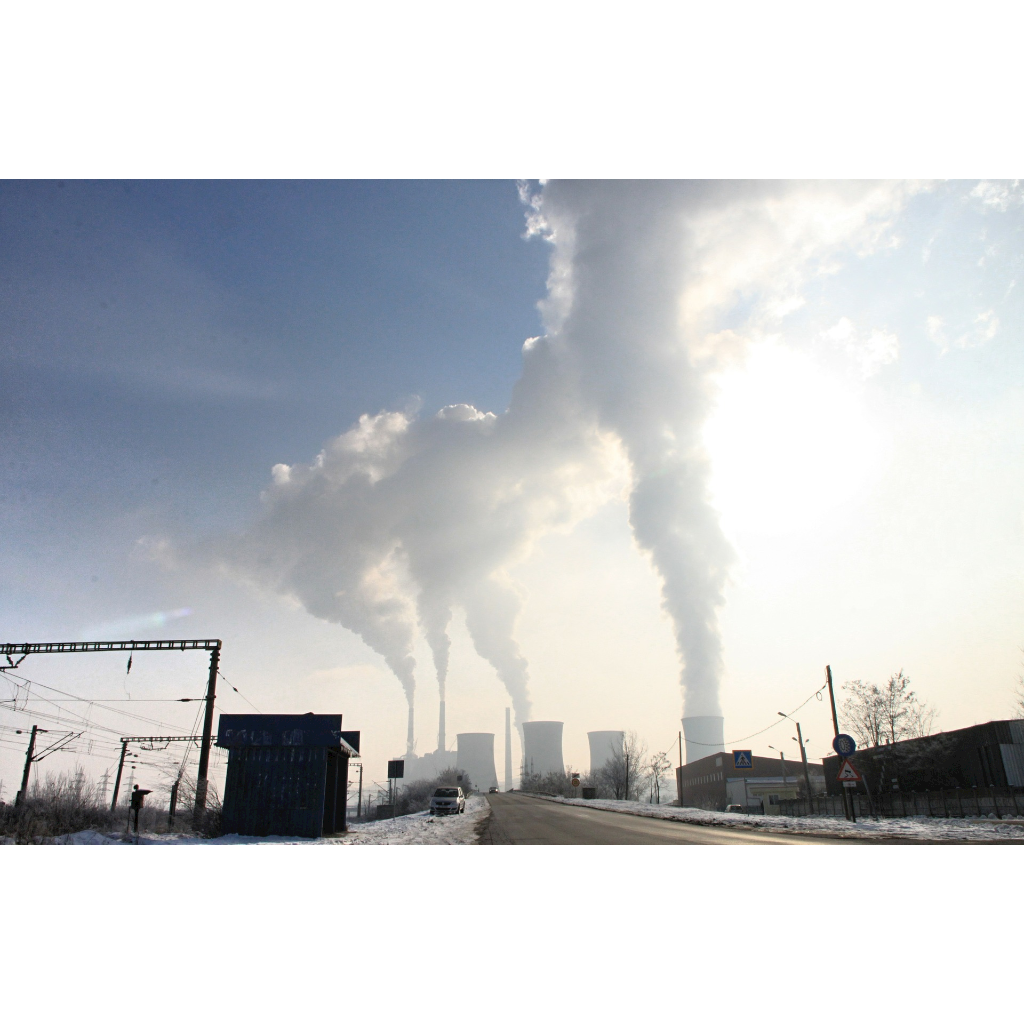
Global warming is mostly because of people burning things, like gasoline to make cars go and natural gas to keep houses warm. But the heat from the burning itself only makes the world a tiny bit warmer: it is the carbon dioxide from the burning which is the biggest part of the problem. Among the greenhouse gases, the increase of carbon dioxide in the atmosphere is the main cause of global warming, as predicted by Svante Arrhenius a hundred years ago, confirming the work of Joseph Fourier more than 200 years ago. When people burnfossil fuels like coal, oil and natural gas this adds carbon dioxide into the air. This is because fossil fuels contain lots of carbon and burning means joining most of the atoms in the fuel with oxygen. When people cut down many trees (deforestation), this means less carbon dioxide is taken out of the atmosphere by those plants.
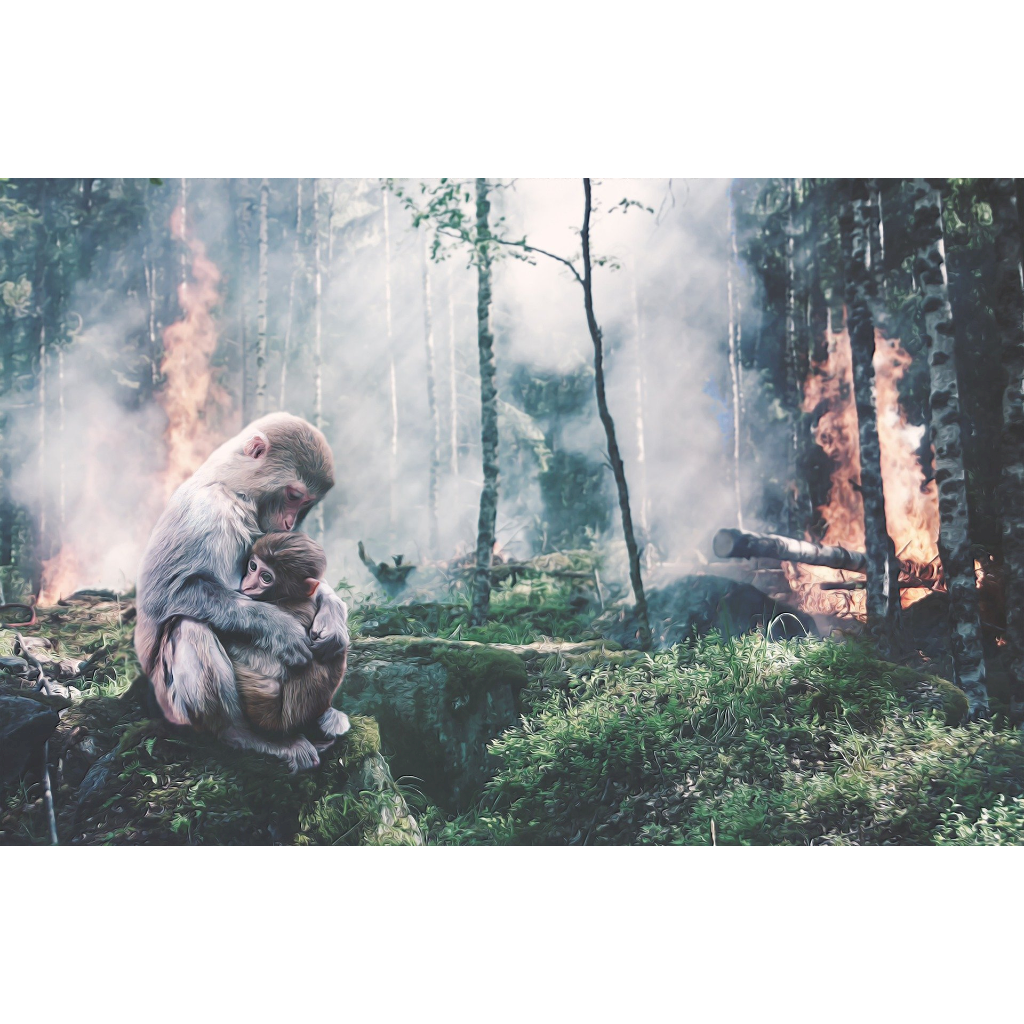
Climate change has happened constantly over the history of the Earth, including the coming and going of ice ages. But modern climate change is different because people are putting carbon dioxide into the atmosphere very quickly.
Since the 1800s, people have recorded the daily temperature. By about 1850, there were enough places measuring temperature so that scientists could know the global average temperature. Compared with before people started burning a lot of coal for industry, the temperature has risen by about 1 °C (1.8 °F). Starting in 1979, satellites started measuring the temperature of the Earth.
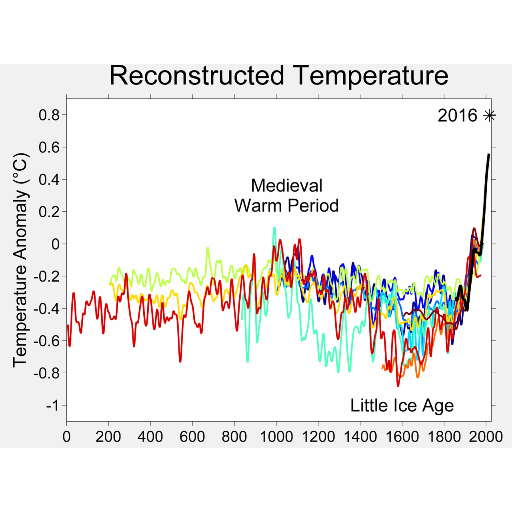
Before 1850, there were not enough temperature measurements for us to know how warm or cold it was. Climatologists use proxy measurements to try to figure out past temperatures before there were thermometers. This means measuring things that change when it gets colder or warmer. One way is to cut into a tree and measure how far apart the growth rings are. Trees that live a long time can give us an idea of how temperature and rain changed while it was alive.
For most of the past 2000 years the temperature didn't change much. There were some times where the temperatures were a little warmer or cooler. One of the most famous warm times was the Medieval Warm Period and one of the most famous cool times was the Little Ice Age. Other proxy measurements like the temperature measured in deep holes mostly agree with the tree rings. Tree rings and bore holes can only help scientists work out the temperature back to about 1000 years ago.
- Full access to our public library
- Save favorite books
- Interact with authors
- < BEGINNING
- END >
-
DOWNLOAD
-
LIKE(1)
-
COMMENT()
-
SHARE
-
SAVE
-
BUY THIS BOOK
(from $2.99+) -
BUY THIS BOOK
(from $2.99+) - DOWNLOAD
- LIKE (1)
- COMMENT ()
- SHARE
- SAVE
- Report
-
BUY
-
LIKE(1)
-
COMMENT()
-
SHARE
- Excessive Violence
- Harassment
- Offensive Pictures
- Spelling & Grammar Errors
- Unfinished
- Other Problem





COMMENTS
Click 'X' to report any negative comments. Thanks!