

Guadeloupe is an archipelago of six inhabited islands located in the Lesser Antilles in the Caribbean Sea. In 1946, the island and its people were given the status of a French département, and in 1974 it became a région of France While French Guadeloupe is known for its beautiful mountains, lush beaches, and crystal blue waters, it is also famously known for its yearly festive celebration called Carnival.
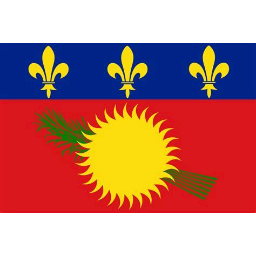
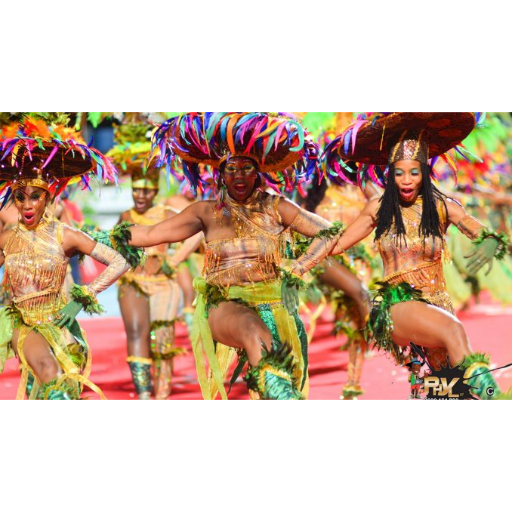
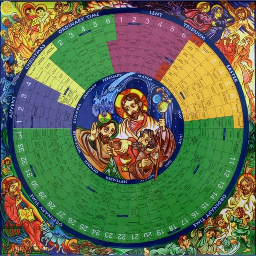
The history of Guadeloupe’s Carnival began when European settlers introduced masquerade balls and private parties to the island in the 17th century. The word “carnival” is thought to mean “farewell to the flesh”. These celebrations were typically held before the Roman Catholic religious observance of Lent. Lent begins on Ash Wednesday and ends six weeks later on Easter Sunday.
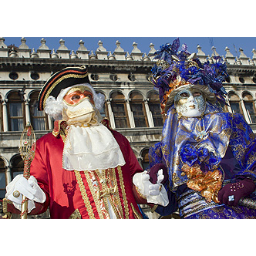
During this time many European Catholics would disguise themselves and hold wild costume parties in the streets. However, the African slaves brought to Guadeloupe were never allowed to participate in these festivities. It wasn’t until slavery was abolished in 1848 that former slaves began to organize and create their own version of Carnival on Guadeloupe.
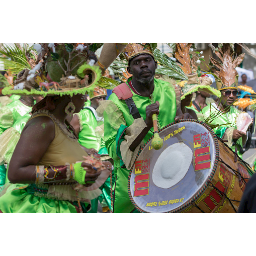
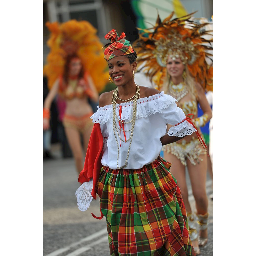
The newly created celebrations were called Negro Balls or bals Nègres. The free people drew on their African traditions in creating costumes and masks that combined bones, beads, fabrics, feathers and grass. These natural textiles together were thought to represent a spiritual force or awakening to those wearing it. It is believed that whoever wearing them would rise above any illness, heartbreak, pain, or problems and would be transported to another world to be reborn.
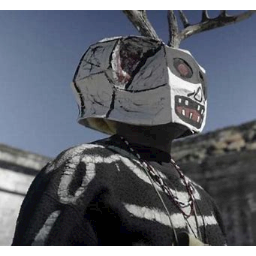
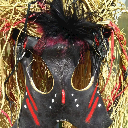
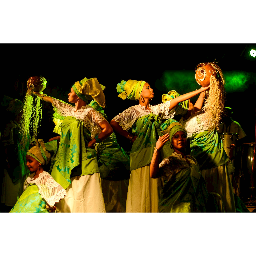
Guadeloupe’s Carnival starts at the beginning of January and ends Ash Wednesday. While there are several celebrations happening all over the island during this time, there are a few main parades that are considered essential must sees of the Guadeloupean Carnival. These parades are Dimanche Gras, Lundi Gras, Shrove Tuesday, and Ash Wednesday celebrations.
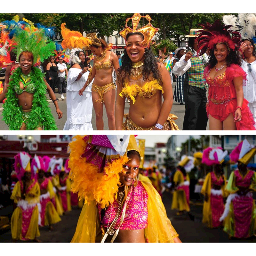
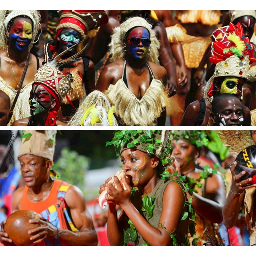
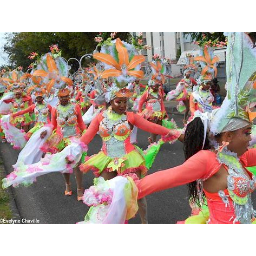
Dimache Gras has more than 100,000 spectators to witness the bright and colorful costumes, music and choreographed dances. Dimanche Gras starts in the afternoon and runs until the early hours of the morning. The people wear masks and bright intricate costumes. They play music on Gwo ka, djembe and steel drums, plastic barrels, and ti-bwa sticks while moving through the parade.
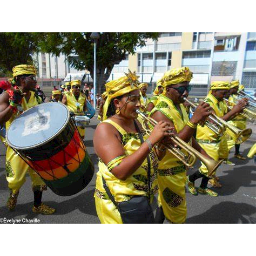
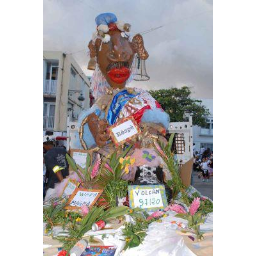
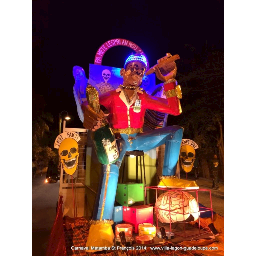
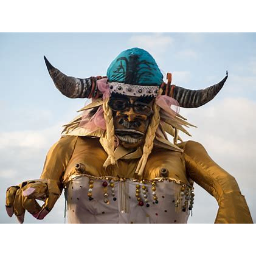
The Carnival Queen and Vaval, the King of Carnival make their appearance during this parade. The Vaval has an important significant in the festivities. It is usually a satirical cardboard or paper mâché cutout, which represents a reminder of all the painful events and feelings of the previous year.
- Full access to our public library
- Save favorite books
- Interact with authors
- < BEGINNING
- END >
-
DOWNLOAD
-
LIKE(1)
-
COMMENT()
-
SHARE
-
SAVE
-
BUY THIS BOOK
(from $2.99+) -
BUY THIS BOOK
(from $2.99+) - DOWNLOAD
- LIKE (1)
- COMMENT ()
- SHARE
- SAVE
- Report
-
BUY
-
LIKE(1)
-
COMMENT()
-
SHARE
- Excessive Violence
- Harassment
- Offensive Pictures
- Spelling & Grammar Errors
- Unfinished
- Other Problem





COMMENTS
Click 'X' to report any negative comments. Thanks!