 Table of Contents
pages 1-2........ Proclamation line of 1763
pages 3-4........Sugar Act
pages 5-6........Quartering Act
pages 7-8........Stamp Act
pages 9-10.......Townshend Act
pages 11-12.....Boston Massacre
pages 13-14.....Boston Tea Party
pages 15-16.....Intolarable Act
pages 17-18.....First Continental Congress
pages 19-20.....Lexington and Concord
page 21............My Evaluation!!
Dedicated to my Mom
This book was created and published on StoryJumper™
©2010 StoryJumper, Inc. All rights reserved.
Publish your own children's book:
www.storyjumper.com


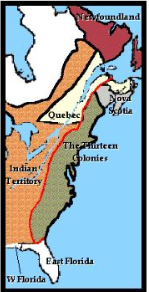
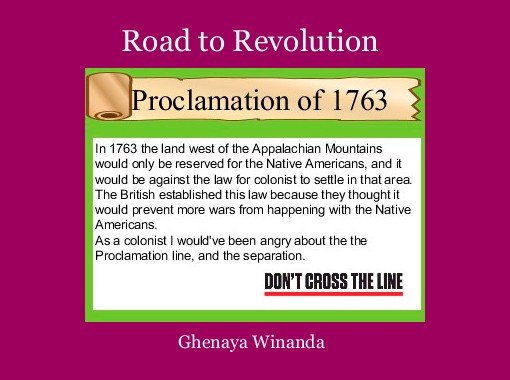
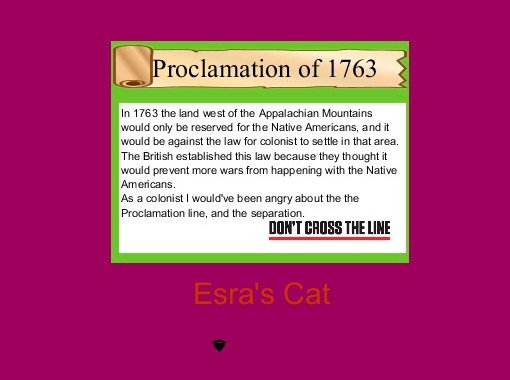
In 1763 the land west of the Appalachian Mountains would
only be reserved for the Native Americans, and it would be
against the law for colonist to settle in that area.
The British established this law because they thought it
would prevent more wars from happening with the Native
Americans.
As a colonist I would've been angry about the the
Proclamation line, and the separation.
 Proclamation of 1763
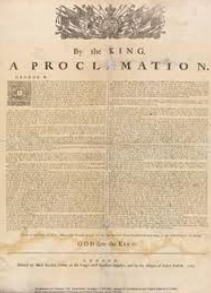

In 1764 the British put out the Sugar Act.
The Sugar Act was putting a three percent tax
on foreign refined sugar and also increased
taxes on coffee,indigo, and certain wine.
The Sugar Act was the first instance in which
the colonist wanted a say in running their own
government
 The Sugar Act of 1764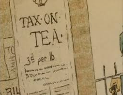


During the passing of the
Sugar Act, as a colonist i
would, personally,be very
angry at the British for
putting tax on tea and
coffee. I would agree with
running our own
government.
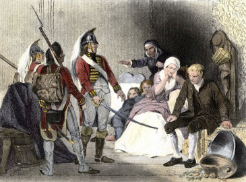
 Quartering Act of 1765
In 1765 the Quartering Act was passed.
The Quartering Act made colonist share there
homes for soldiers, so they would have a place
to stay. The colonist would have to provide
food and shelter.
Colonist felt the British should ask for approval
before passing a act that would effect personal
lives



As a colonist I would be frustrated that a
solider, mostly a solider I do not know, stay at
my very own house, and provide goods to the
solider.

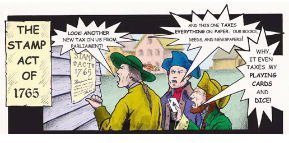
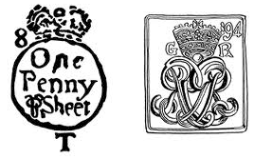
 The Stamp act of 1765
In 1765 British passed the Stamp Act which
colonist had to pay tax on ALL printed
goods/materials.
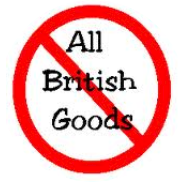
Merchants organized a boycott, and agreed not
to buy any British goods.
I feel the Stamp Act is very
unfair to the colonist. The
British knew the colonist used
printed materials a lot. it was
not a fair act. As a colonist I
would join in the boycott.

 Townshend Act of 1767
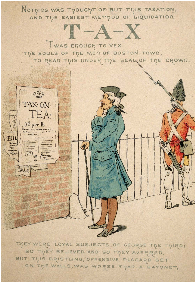
In 1767 The British passed the Townshend act
and hoped the colonist would not realize they
are paying taxes.
Like the Stamp Act, the colonist organized a
boycott of not buying british goods.
In my opinion the
Townshend Act was
a unfair trick to the
colonist. If I were a
colonist, I would be
very upset about the
Act.

 The Boston Massacre
On the day of March 5th, 1770 a mob of
colonist in Boston, Massachusetts harassed
British Troops
Colonist demanded removal of British Troops .
The British Listened to the colonist, and the
Troops were removed
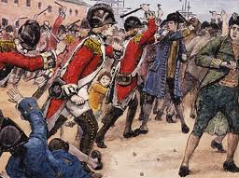
The Boston Massacre seems like a horrible
event that happened.I would be afraid if I was
a colonist during that event, I agree with the
colonist. I would also demand removal of the
troops.
 The Boston Tea Party
The Boston Tea party took place in December
1773
Colonist did not like the Tea Act. As a response,
the Colonist dumped 340 chests of tea into the
Boston Harbor.
This was the first independent decision against
England.
You've previewed 14 of 22 pages.
To read more:
Click Sign Up (Free)- Full access to our public library
- Save favorite books
- Interact with authors
- < BEGINNING
- END >
-
DOWNLOAD
-
LIKE
-
COMMENT()
-
SHARE
-
SAVE
-
BUY THIS BOOK
(from $4.39+) -
BUY THIS BOOK
(from $4.39+) - DOWNLOAD
- LIKE
- COMMENT ()
- SHARE
- SAVE
- Report
-
BUY
-
LIKE
-
COMMENT()
-
SHARE
- Excessive Violence
- Harassment
- Offensive Pictures
- Spelling & Grammar Errors
- Unfinished
- Other Problem





COMMENTS
Click 'X' to report any negative comments. Thanks!