 Table of contents To my mommy
a. Pgs. 1-2 Proclamation Line of 1763
b. Pgs. 3-4 Sugar Act
c. Pgs. 5-6 Quartering Act
d. Pgs. 7-8 Stamp Act
e. Pgs. 9-10 Townshend Act
f. Pgs. 11-12 Boston Massacre
g. Pgs. 13-14 Boston Tea Party
h. Pgs. 15-16 Intolerable Acts
i. Pgs. 17-18 First Continental Congress
j. Pgs. 19-20 Lexington and Concord
k. Pg. 21 My Evaluation
This book was created and published on StoryJumper™
©2010 StoryJumper, Inc. All rights reserved.
Publish your own children's book:
www.storyjumper.com


 PROCLAMATION LINE OF 1763
October 7
The Proclamation Line of 1763 was when the British announced that the
land won during the French and Indian war, the land west of the
Appalachian Mountains, would be reserved for the Native Americans.
Basically, the colonists are not allowed to go west of the Appalachian
Mountains. It was because Britain wanted to prevent any more wars and
conflicts, and it's easier to protect the colonists from any native americans.
The colonists were angered and felt that Britain was trying to control
them. It was also made clear that Britain intended to maintain even tighter
control than ever before.
I would have also been angered because that land was why we fought the
war for, and yet, we are not allowed to settle on it! However, I will be a
good citizen, follow the laws, and not settle past the Appalachian Mountain.



 SUGAR ACT
April 5th, 1764
The Sugar Act put a three cent tax on sugar and increased tax on coffee, indigo,
molasses, and kinds of wine. It banned importation of rum and French wines.
Taxes were raised without the consent of the colonists, and many colonists bought
goods from smugglers.
This was one of the first instances in which the colonists wanted a say in running
of their own government, including taxation. "No taxation without representation"
I too, would also been outraged. We are also part of Britain, yet they treat us like
dogs, and we take no part in decisions! I am going to do what other people do,
boycotting those goods. But, I will not buy goods from smugglers for I do not want
to get my head chopped.
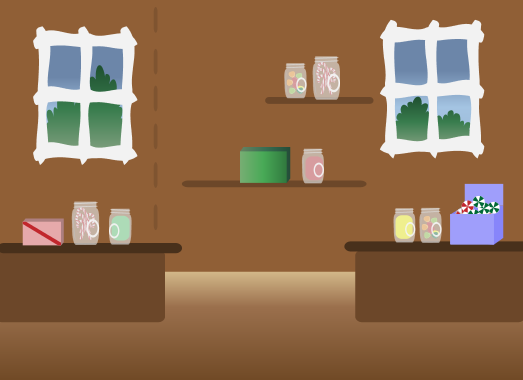


 No taxation without representation



 THE QUARTERING ACT
March 24, 1770
The Quartering Act required colonists to put British soldiers in
their home for a place to stay. They had to provide fuel, candles,
beer, and transportation.
This left the colonists outraged, for they felt that the British
should have asked for approval. They believed that the British
soldiers did not come to protect them, but control them instead.
If this happened to me, I would absolutely understand this act.
We are being helpful to our soldiers! Yet, I still would've felt they
they should've asked for our approval and vote on this act.










 The act says you
 have to let me stay!

 STAMP ACT
March 22, 1765
This act was when Britain placed tax on most printed materials
in first serious attempt to assert control over the colonies and pay
war debt. Colonists had to purchase stamp to prove they had paid
the tax.
The colonists, were again, angered. Sons and Daughters of
Liberty stopped ships, boycotted goods, and it hurt British
merchants. Representatives from nine states met at Stamp Act
congress, demanding parliament to repeal the law.
I would've joined the boycotts do anything, but physically hurt
anyone, to get the message to Britain that they are shoving us too
hard. Joining the Daughters of Liberty would've sounded like a
great idea!




 You must buy the stamp
 So I have to pay extra money just to prove it?


 THE TOWNSHEND ACT
June 1767
Charles Townshend, the new British prime minister, imposed a
small indirect tax on glass, lead, paper, and tea. It was
collected at tea ports before it reached colonial stores. They
hoped that the colonists would not notice that they were paying
a tax. The colonists recognized the tax, and thought it was
unjust. They organized boycotts of British goods.
This increased hostility and tension, many were now against
British acts. Also, many more boycotts were formed as are
violent events.
I would have been really frustrated and protested that this act
is not justly. Why would they slyly do such a thing? I would
have remained secretly with the Daughters of Liberty, for I
would not have liked to be shot.


 Tax Free! :D
 $1.99
$1.99 BOSTON MASSACRE
March 5, 1770
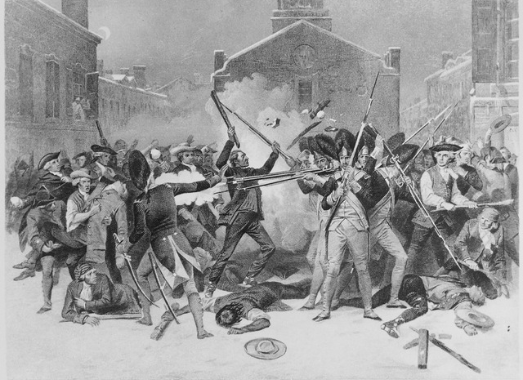
A mob of colonists began to harass British troops. The
situation got out of hand. The British started shooting at the
colonists and five of the colonists died. Most people believed it
was the British fault. The colonists held town meetings with
the British about removing the troops and arguing for a trial.
Britain agreed to the colonist's demand.
It increased tensions and hostility between the colonists. The
colonists began to make organizations. Paul Revere and
Samuel Adams were leaders of one.
I would absolutely agree that it was the colonist's fault that
they started it, but i don't agree that the British should've shot
them for that. I would have secretly encourage more people to
join those organizations!
You've previewed 13 of 21 pages.
To read more:
Click Sign Up (Free)- Full access to our public library
- Save favorite books
- Interact with authors


- < BEGINNING
- END >
-
DOWNLOAD
-
LIKE
-
COMMENT()
-
SHARE
-
SAVE
-
BUY THIS BOOK
(from $4.19+) -
BUY THIS BOOK
(from $4.19+) - DOWNLOAD
- LIKE
- COMMENT ()
- SHARE
- SAVE
- Report
-
BUY
-
LIKE
-
COMMENT()
-
SHARE
- Excessive Violence
- Harassment
- Offensive Pictures
- Spelling & Grammar Errors
- Unfinished
- Other Problem





COMMENTS
Click 'X' to report any negative comments. Thanks!